Modern interior design has moved far beyond cold white walls and rooms that feel too perfect to live in.
The homes people are drawn to now are warmer, softer, and more personal. They still feel clean and considered, but they also have texture, comfort, character, and a sense of soul.
At J.Fisher Interiors, this is something we see often. Clients still want beautiful, elevated interiors, but they also want spaces that feel natural, practical, and genuinely personal to them. This shift has made residential interior design increasingly focused on balancing aesthetics with everyday living. A home should feel refined, but it should also feel connected to everyday life.
1. Warm Minimalism
Minimalism is not going away, but it has become softer.
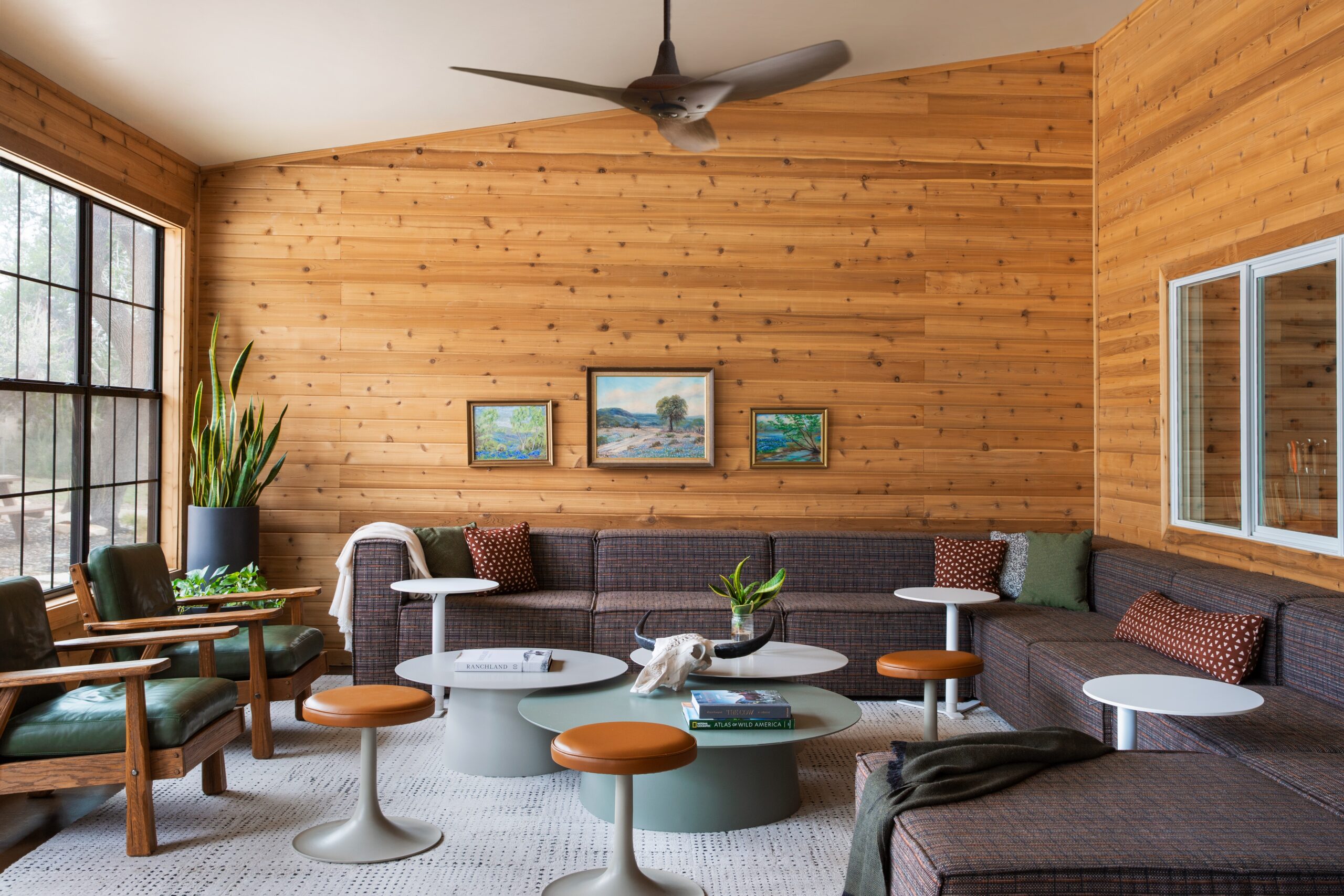
Warm minimalism keeps the calm, edited feeling people love, while bringing in natural materials, softer lighting, layered neutrals, and furniture with comfort and presence. Think plaster walls, warm oak, linen upholstery, aged brass, wool rugs, and stone with natural movement.
The aim is not to remove personality from a room. It’s to create a quieter foundation, where the materials, proportions, and details can be properly appreciated. The best minimalist interiors still feel rich and expressive. They simply use fewer elements with more care.
2. Natural Materials With Real Texture
Homeowners are increasingly drawn to materials that feel honest and tactile.
Stone, wood, linen, leather, clay, rattan, wool, and unlacquered metals all bring depth to a modern interior. They soften a space, add visual interest, and help a home feel more grounded. Many of these materials also change over time, developing patina and character through use.
That natural ageing is part of their appeal. A room filled only with flat, flawless surfaces can quickly feel cold or temporary. Real texture gives a home warmth, permanence, and a stronger sense of being lived in.

3. Statement Lighting That Shapes the Room
Lighting has become one of the most important parts of modern interior design.
A sculptural pendant, a pair of beautiful sconces, or a low table lamp with a soft glow can completely change how a room feels. Good lighting is not only practical. It creates atmosphere, rhythm, intimacy, and depth.
The lighting in a room affects how every other design choice is experienced. It can bring out the grain in timber, soften a strong wall color, highlight artwork, or make a seating area feel more inviting in the evening. When lighting is considered from the beginning, the whole room feels more complete.
4. Rooms With Personality and Depth
One of the strongest shifts in modern interior design is the move toward homes that feel more individual.
Many homeowners are less interested in interiors that look newly bought and perfectly matched. Instead, they want rooms that feel layered and collected over time. That might include vintage furniture, meaningful art, inherited objects, unusual color choices, or a rug that brings the room together in a less predictable way.
A polished room can be beautiful, but a personal room has more staying power. The most memorable interiors often include something with a story, a little irregularity, or a detail that could only belong to that particular home.

5. Color Used With More Confidence
Neutrals still have their place, but homeowners are becoming more confident with color.
This does not always mean bright or dramatic color in every room. More often, it means a deep green study, a muddy rose powder room, a rich blue bedroom, or a terracotta dining room that feels warm in the evening light.
Color affects the mood of a room before you even notice the furniture. The key is intention. A stronger color should feel connected to the architecture, the natural light, the client’s personality, or the way the space is used.
Used well, color can make a modern home feel more distinctive, expressive, and deeply personal.
6. More Thoughtful Space Planning
Space planning may not sound like a trend, but it is one of the things homeowners are paying closer attention to.
People want homes that feel easier and more intuitive to live in. Kitchens need to feel comfortable for cooking, gathering, and spending time together. Living rooms need to suit both quiet evenings and hosting. Bedrooms need to feel restful. Workspaces need to feel considered, rather than squeezed into leftover corners.
Furniture, lighting, storage, and circulation all shape how a room feels in daily use. Even a beautiful piece can feel out of place if the scale, layout, or movement through the room has not been properly considered.
This is where professional interior design can make a major difference. Through thoughtful planning, layout, and material decisions, J.Fisher Interiors helps clients create homes that feel both beautiful and natural to live in. You can learn more about the studio’s approach by viewing J.Fisher Interiors services.
7. Homes That Feel Finished
A room can have the right furniture, the right rug, and the right paint color, but still feel incomplete.
The finishing layer is what brings everything together. Art, books, lamps, pillows, mirrors, greenery, trays, objects, and textiles all help a room feel considered and lived in. These details add softness, memory, and personality.
The key is balance. Too much styling can make a room feel crowded, while too little can leave it feeling unfinished. The best finishing details feel natural to the home and the people who live there. They give the room character without making it feel staged.
A finished home should not feel overly decorated. It should feel settled, personal, and complete.
Modern Interior Design Should Still Feel Human
The best modern interior design trends are not really about trends at all.
They reflect a wider desire for homes that feel warmer, more functional, more personal, and more connected to real life. A good home should feel considered without feeling controlled. It should be beautiful, but still comfortable. Refined, but never impersonal.
At J.Fisher Interiors, we design homes that feel layered, livable, soulful, and deeply personal.
Contact J.Fisher Interiors to start the conversation.