17 warning signs of a toxic work environment | Skip Prichard

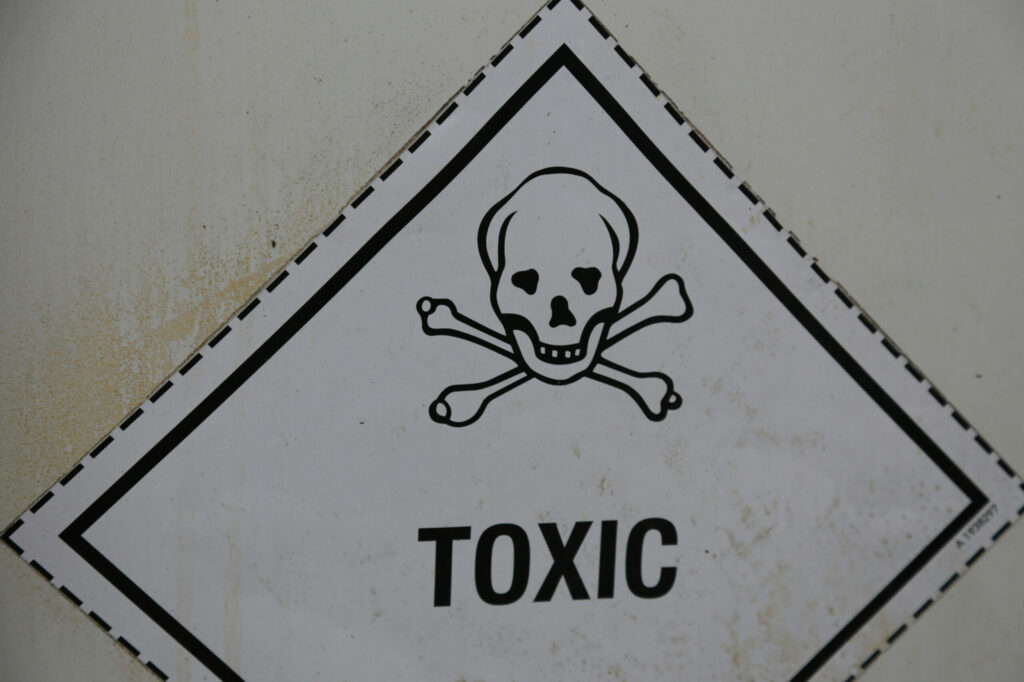
(And What Actually Causes Them)
Imagine you’re on a ship at sea. The weather is rough. The captain seems oblivious, the crew is confused, and the unease is starting to look like panic. Some of the crew are already lowering boats. Others are bailing. The rest are hoping the storm passes.
Most people who have worked somewhere long enough recognize that ship.
In many workplaces the storm is emotional rather than literal. It drains energy and enthusiasm until getting through Thursday takes everything you have. Recognizing what you’re looking at is the first step, whether you plan to steer the ship or get off it.
I know that articles like this one usually read as a catalog of complaints about people. We think of the manager who micromanages. Maybe the colleague who gossips. Another favorite is the leader who plays favorites. Nearly every sign below is real, and nearly none of them are caused by the person you’d name if someone asked.
Toxic environments get built. Rarely on purpose, usually one reasonable decision at a time, and they keep producing the same behavior long after the people who built them have moved on.
Which changes the question worth asking, from who is doing this to which part of the environment keeps producing it.
The seventeen signs sort into three places. Where a problem lives determines what works on it.
Signs in what people believe
- Blame culture. When something goes wrong, the first question is who. People learn quickly that the safest move is to have an explanation ready before anyone asks for one.
- Gossip and rumors. Information travels sideways because the official channels stopped being reliable.
- Nobody feels recognized. Work goes out and nothing comes back. Over time people stop offering the extra, and the extra is where most of the value was.
- Favoritism. Certain people appear to operate under different rules. Whether that’s true matters less than the fact that everyone believes it.
- Low morale. The tone in the room drops. Meetings get shorter, quieter, and nobody argues anymore.
Signs in how people treat each other
- Communication breaks down. People stop saying the thing in the room and start saying it afterward, in twos.
- Micromanagement. Every decision travels up a level.
- Punishment as the default. Mistakes get consequences and good work gets silence. People start optimizing to avoid being noticed at all.
- Discrimination. Any form of it is unacceptable and needs addressing the day you see it. This one is not a diagnostic exercise.
- Leadership sets the weather. What the senior person tolerates becomes the standard, faster than any policy ever will.
Signs built into the system
- High turnover. People leaving in numbers is the clearest signal you’ll get. It’s also the one most often explained away, one resignation at a time.
- Expectations nobody could meet. Goals set without reference to capacity. People respond by quietly deciding which work to let fail.
- Hours that never end. Long hours stop being a season and become the design.
- No path forward. When nobody can describe what happens next in their career, ambition leaves well before the person does.
- Unclear roles. Two people own the same thing and neither owns it.
- Change gets absorbed and nothing happens. The organization has learned that initiatives pass. So it waits.
- The physical environment. Bad light, bad air, no quiet, no privacy. It moves mood more than most leaders credit.
Count them
Go back and count what you recognized in each of the three sections. The section with the most is where your problem actually lives.
It is almost never the section people talk about. Most conversations about a difficult workplace stay in the second one, because that’s where the behavior is visible. The cause is usually sitting in the third.
What to do, depending on where yours landed
Mostly in the first section, what people believe. The behavior is downstream of a conclusion people already reached, so arguing with the behavior won’t move it. Find out what people believe about how decisions get made here, and whether they’re right. Often they are.
Mostly in the second section, how people treat each other. This is the one place a single person can change the temperature without any authority at all. Pick one recurring meeting and change what happens in it.
Mostly in the third section, the system. Speaking up won’t fix it.
A structural problem needs a structural change, which means a decision by someone with authority over the structure. Your job is narrower and more achievable: make the pattern visible to that person, in writing, with three examples and a date on each. Patterns get acted on. Complaints get absorbed.
Most of these seventeen are not fixable by you if you don’t own the structure. Any article implying otherwise is selling effort as a substitute for authority.
And some environments aren’t a diagnostic problem. If you’re being discriminated against, or the cost has started showing up in your health, the pattern is already clear. The only useful question left is how quickly you can leave well.
Back to the ship
The reason the crew is bailing is rarely the storm, and rarely the captain. Nobody designed the vessel for this weather, and everyone aboard is treating a design problem as a character problem.
If you lead the ship, all seventeen signs are a description of decisions that were made. Most of them can be unmade.
Image credit: bernd dittrich