Teachers’ Day 2026 is an opportunity to look beyond the traditional classroom and remember the educators whose ideas about learning went on to influence generations of Indians. Some believed education should challenge social inequality. Others saw it as a path to freedom, character-building or national development. For all of them, teaching was about more than delivering lessons. It was about shaping people and, through them, shaping society.
From Savitribai Phule’s fight for equal education to Dr. A.P.J. Abdul Kalam’s belief in inspiring young minds, these educators left behind ideas that remain relevant even as classrooms enter the digital and AI age.
- Savitribai Phule: Education as a Path to Equality
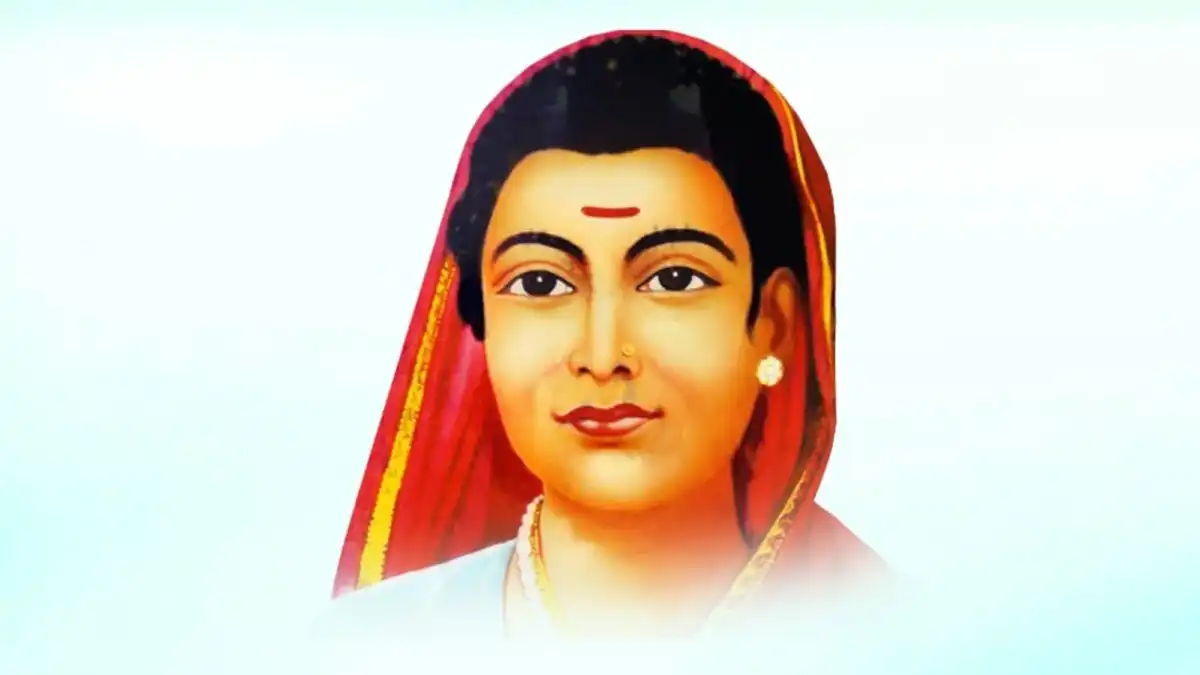
When Savitribai Phule began teaching girls in nineteenth-century India, education was largely inaccessible to women and oppressed communities. Alongside Jyotirao Phule, she helped establish schools for girls and challenged social attitudes that denied many people the right to learn.
For Savitribai, education was an instrument of social transformation. She believed that knowledge could help people challenge discrimination and gain greater control over their lives.
Her vision also changed the way society could view a teacher. A teacher was not merely someone who transferred knowledge but someone who could challenge injustice and open doors that society had kept closed.
Her legacy remains particularly relevant today as conversations around equal access to education continue.
- Dr. Sarvepalli Radhakrishnan: Education as Character Building
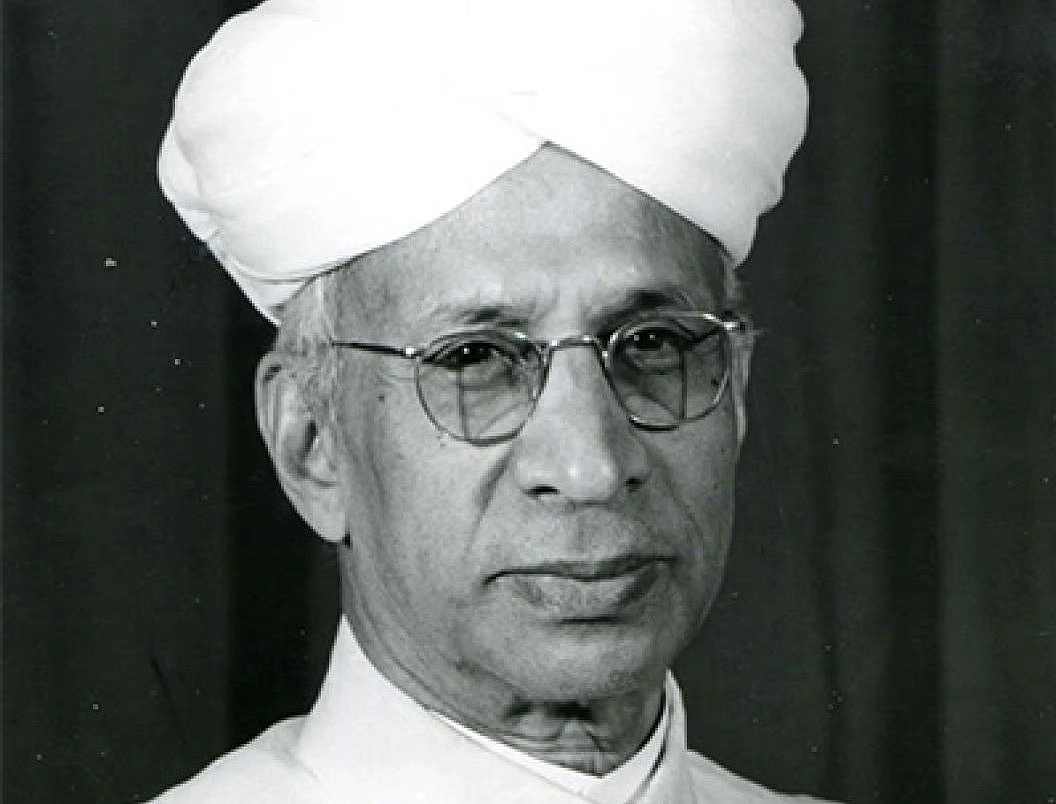
Dr. Sarvepalli Radhakrishnan was a philosopher, academic and teacher who later became India’s second President. His connection with education is so deeply remembered that his birthday, September 5, is celebrated as Teachers’ Day in India.
Radhakrishnan viewed education as something that should develop more than intellectual ability. Education, in his vision, was closely connected with character, values and independent thinking.
He believed teachers occupied a special position in society because they influenced the minds and values of future generations.
His philosophy remains relevant in an age when education is increasingly focused on examinations, qualifications and employability. It raises a larger question: Should education prepare students only for careers, or also for life?
- Rabindranath Tagore: Learning Beyond Four Walls
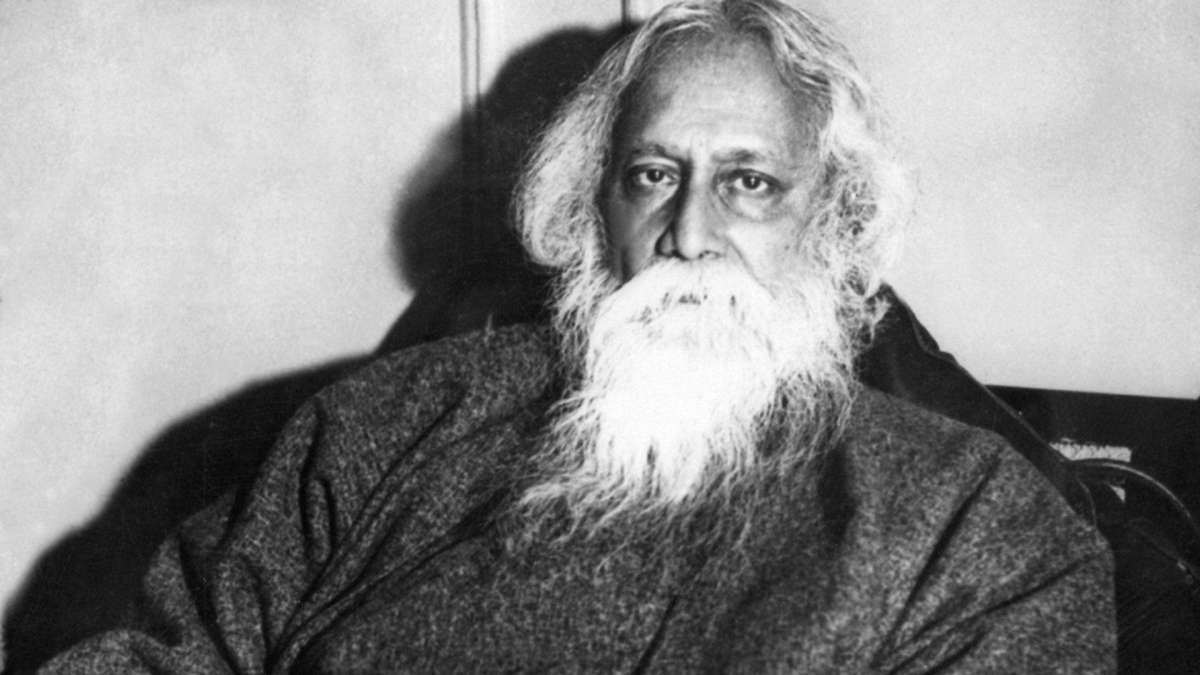
Rabindranath Tagore challenged conventional ideas about how children should learn.
Through Santiniketan, he created an educational environment that placed importance on nature, creativity, art, literature and freedom of thought. He believed learning should not be restricted to rigid classrooms and rote memorisation.
For Tagore, education was closely connected to curiosity and the development of the whole person.
His vision also gave teachers a different role. Instead of simply enforcing rules and delivering information, teachers could become guides who encouraged students to explore, question and discover.
At a time when education is once again being reshaped by technology and new teaching methods, Tagore’s emphasis on creativity and independent thought continues to resonate.
- Dr. Zakir Husain: Education for Responsible Citizens
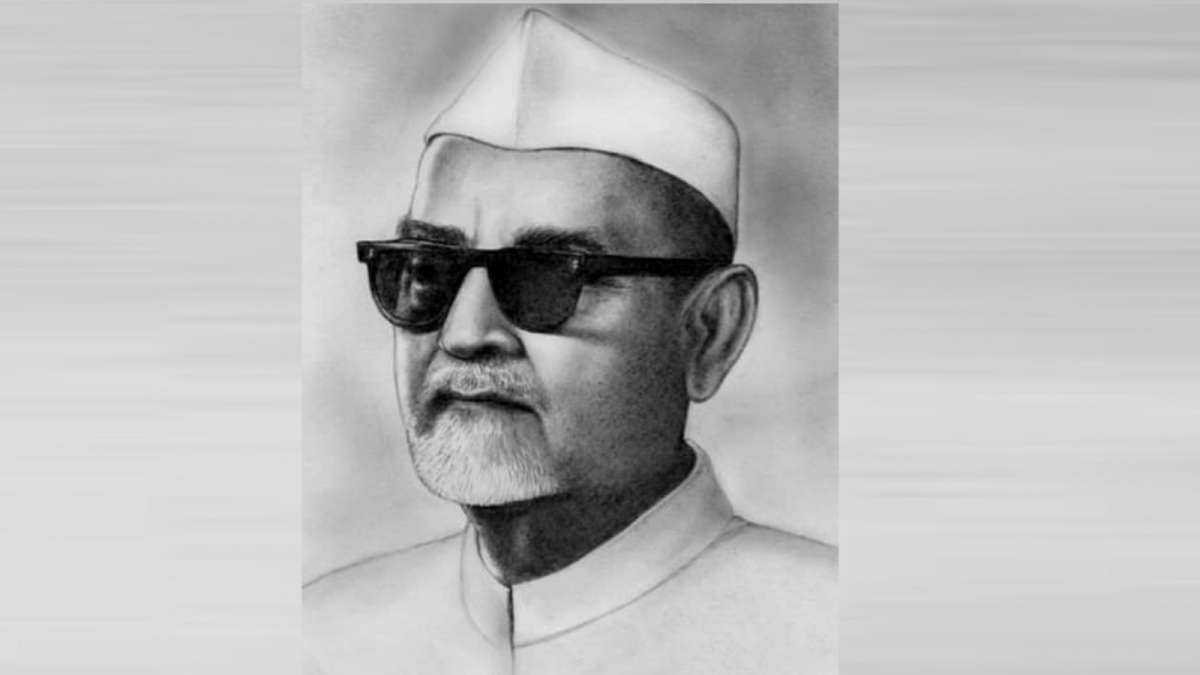
Dr. Zakir Husain was an educationist and scholar who played an important role in developing educational institutions in India before becoming the country’s third President.
He believed education should contribute to the development of responsible, socially conscious individuals rather than focus solely on academic achievement.
Husain was associated with educational approaches that emphasised productive work, practical learning and the dignity of labour. He believed education should connect learning with real life.
His vision placed considerable responsibility on teachers. A teacher was expected not only to teach a subject but also to help students understand their responsibilities towards society.
- Dr. A.P.J. Abdul Kalam: Teachers as Builders of Dreams
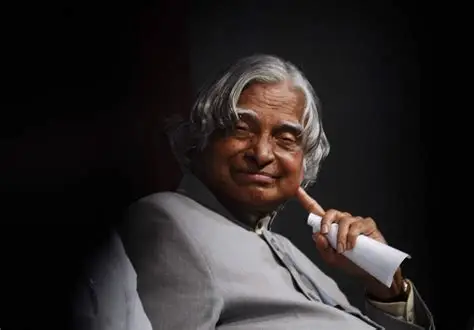
Before becoming India’s President and one of the country’s most admired scientists, Dr. A.P.J. Abdul Kalam was deeply connected with teaching and young people.
Kalam repeatedly spoke about the transformative power of teachers and education. For him, young minds represented India’s greatest potential.
His vision of education placed emphasis on curiosity, scientific thinking, creativity and dreams. He encouraged students to ask questions, think independently and imagine a better future rather than simply accept existing limitations.
Kalam also believed teachers could play a crucial role in giving students confidence.
His message remains particularly powerful today: a teacher can influence not just what a student knows, but what a student believes is possible.
Teachers Who Shaped More Than Classrooms
The history of Indian education is filled with teachers whose influence reached far beyond their students.
They demonstrated that education can challenge inequality, encourage creativity, build character, inspire scientific thinking and create responsible citizens.
As India celebrates Teachers’ Day in 2026, remembering these educators is not simply about looking back at history. It is also about asking what kind of teachers and education the next generation needs.
Because classrooms may change, technology may evolve and teaching methods may transform — but the power of a teacher to shape a young mind remains timeless.