Mexico City Digital Nomad Guide 2026: Tips From Experience


👋🏼 Hola! My name is Trisha, and I legally reside in Mexico! In this guide, I share my real experiences as a Mexico City Digital Nomad—covering costs, housing, coworking, and tips to thrive in this vibrant city.
Hi Trisha, I saw you’ve spent extended time in Mexico City as a digital nomad. I love your content and it's the most genuine I've seen on the internet. What’s it really like being a digital nomad in Mexico City? From daily routines to community and lifestyle, how does the capital compare to other nomad hubs? I’m considering Oaxaca as well, though Mexico City feels more appealing to me. Thanks for all your help!
- Jenna, Arizona
Hi Jenna,
I am so excited to share with you my life as a Mexico City digital nomad. I’ve been a digital nomad since 2011, and I was never a fan of cities. I’ve always lived by the beach, but when I arrived Mexico City, everything shifted.
The energy, the culture, the food, and the sheer creativity of the place completely won me over. Suddenly, the city I thought I’d avoid became the one that inspires me the most.
For the last 8 years, I have visited Mexico City every year for 1-2 months (the longest stay was 6 months with my dogs!) and in this post, I will share with you everything you need to know about being a Mexico City digital nomad.
Quick Info: Mexico City Digital Nomad Guide
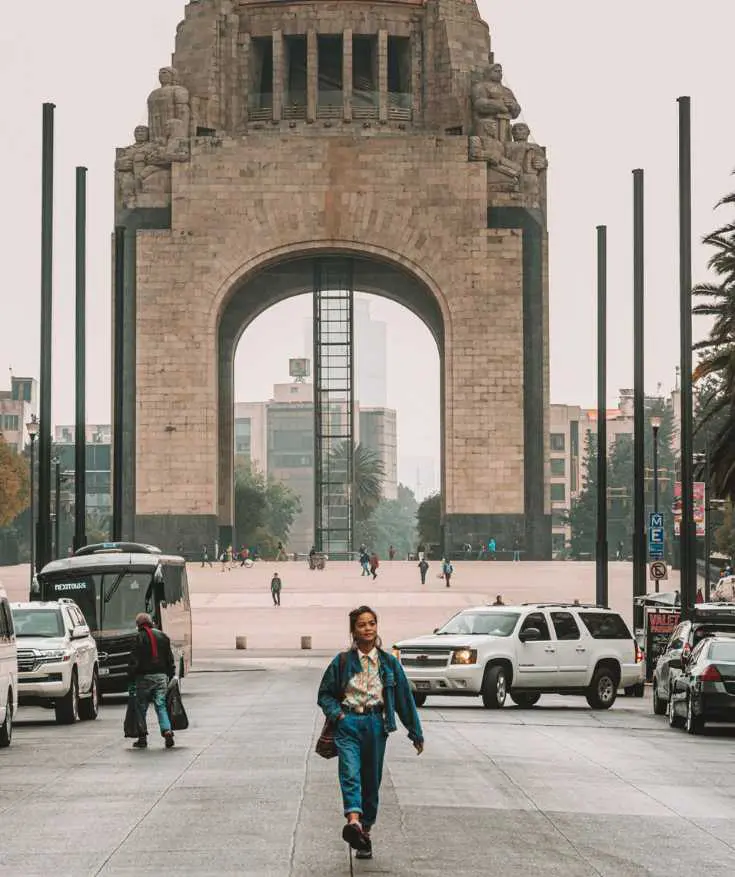
- Country: Mexico
- Internet speed: 65 Mbps
- Power Plug: Type A & B
- Best neighborhood: Roma, Condesa
- Best co-working space: Lots of options by neighborhood
- Travel insurance for nomads: SafetyWing
Monthly Digital Nomad budget examples by lifestyle
- Frugal Nomad (~$1,200 – $1,500): Coliving/shared room, street food + groceries, metro + occasional Uber, budget coworking
- Comfortable Nomad (~$1,800 – $2,200): 1-BR in Roma/Condesa, mix of dining out + groceries, coworking, regular Ubers, gym
- Premium Nomad (~$2,500 – $3,500): Luxury apartment or boutique hotel, dining out often, premium coworking, fitness studios, frequent Ubers
✨ Key Takeaway: Mexico City is Latin America’s buzzing digital nomad capital—offering world‑class coworking spaces, fast internet, and endless cultural experiences. While pricier than Oaxaca or Guadalajara, it delivers unmatched diversity, convenience, and global connections.
Best months for digital nomad living in Mexico City
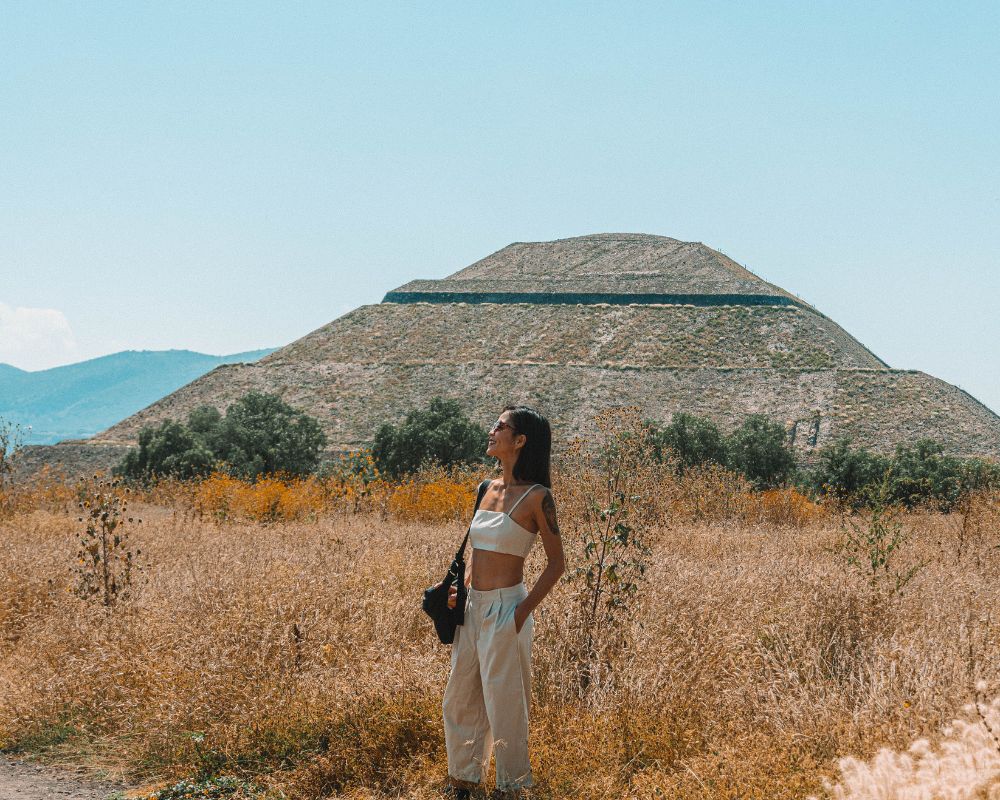
For me, the sweet spot is April to early June and then again September to November. The weather is mild (warm days, cool evenings) and I don’t have to deal with the heavy rains of summer or the chilly mornings of winter.
Because it’s outside the December holiday rush and the peak summer travel season, housing rates and flights are noticeably cheaper, which makes a huge difference if I’m staying long‑term.
Cafés and coworking spaces feel lively but not overcrowded, and I can actually enjoy strolling through Roma, Condesa, or Chapultepec Park without the crush of tourists.
Plus, locals aren’t burned out from high season yet, so the vibe feels more relaxed and welcoming. Honestly, these months give me the freedom to enjoy Mexico City at its best without draining my budget.
✈️ FIND CHEAP FLIGHTS TO MEXICO CITY →
Mexico City digital nomad cost of living
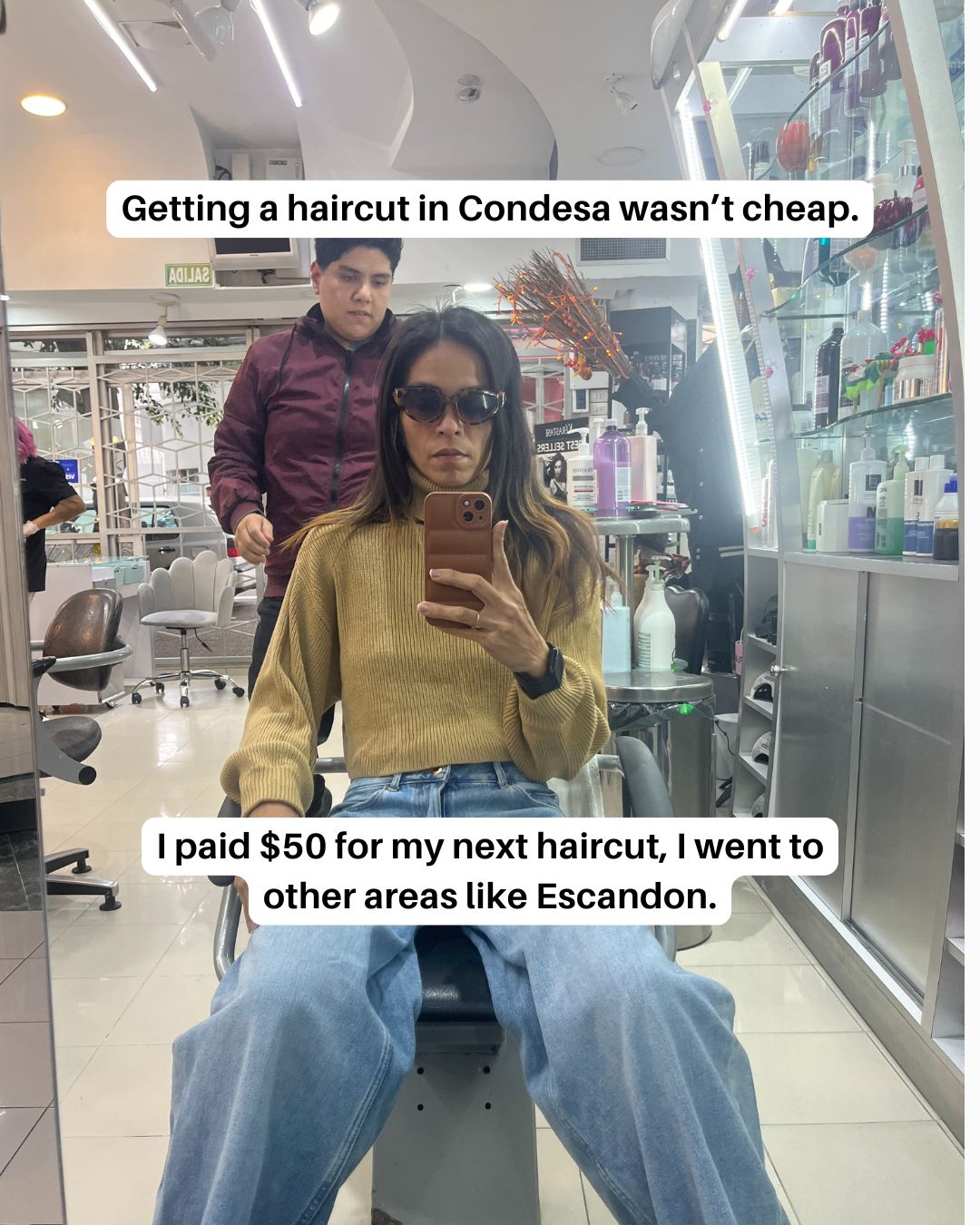

When it comes to the cost of living in Mexico City, rent is always the biggest expense, just like anywhere else in the world. Finding a one-bedroom in Roma or Condesa can feel pricey, and it definitely eats up the largest chunk of my budget.
But here’s the good news: almost everything else is way cheaper. Eating out is such a treat because I can grab delicious street tacos for just a couple of dollars or sit down at a casual restaurant without breaking the bank.
My monthly bills (things like electricity, water, and even mobile data) are surprisingly affordable, and groceries from local markets don’t cost much either.
Even getting around is easy on the wallet with the metro or Uber. That balance is what makes being a Mexico City digital nomad so doable: rent might sting, but daily life feels refreshingly affordable.
Here’s a sample of cost of living in Mexico City for digital nomads:
| Expense Category | Typical Range (USD) |
|---|---|
| 1-BR Apartment (Roma/Condesa) | $800 – $1,200 [Find apartments] |
| Hotel Living (monthly) | $1,400 – $1,800 |
| Coliving (private room) | $800 – $1,200 |
| Meal at inexpensive restaurant | $5 – $8 |
| Coffee in a café | $2 – $4 |
| Taxi/Uber ride | $3 – $8 |
| Metro fare | $0.30 per ride |
| Mobile Data (10–20GB) | $15 – $20/month [Get E-SIM] |
| Coworking Space | $150 – $250/month |
| Fitness/Gym Membership | $30 – $60/month |
| Groceries (monthly) | $200 – $350 |
Mexico City digital nomad housing
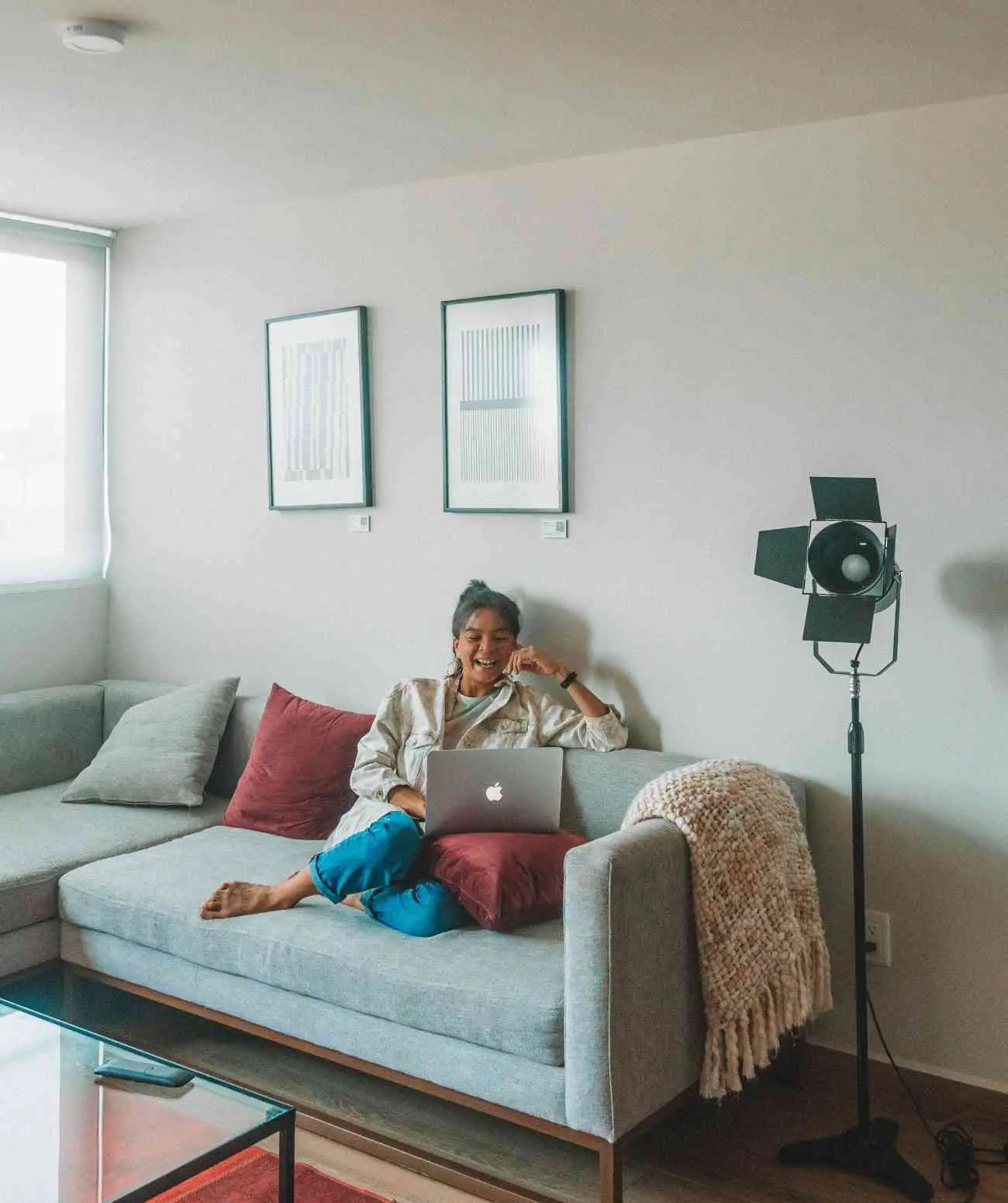
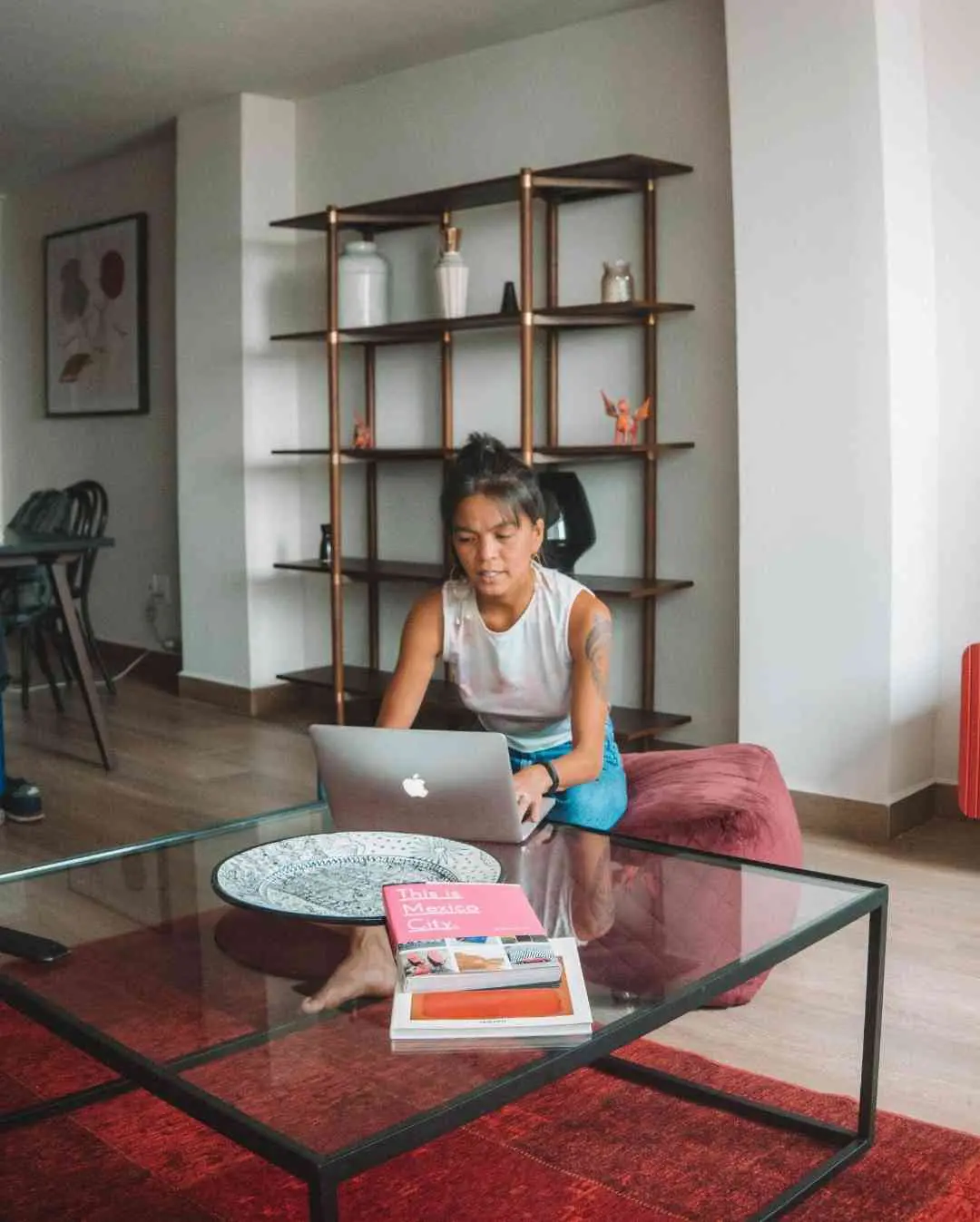
One of the most common ways to spend less on rent in Mexico City is by living with roommates. However, I’m sure not all of you wants to share a room, especially if you are moving to a country that is way cheaper than yours.
I’ve always rented apartments in Mexico City alone as long as my budget doesn’t exceed $1,500. With this budget, I lived in 2-BR apartments in Roma and Condesa, and it worked really well because I also have 2 big dogs!
This price was not easy to find, btw. In the beginning, I rented an apartment (online) for 2 weeks, and when I arrived, I walked all the neighborhoods for days looking for rentals. I am fluent in Spanish, but walking around is a lot of hard work.
I realized there are so many options depending on budget and vibe. Here’s how I usually break it down:
- Apartments: Renting a one-bedroom in Roma or Condesa runs about $800–$1,200 USD/month (luxury spots can go higher).
- Coliving spaces: A private room with shared spaces usually costs $800–$1,200 USD/month, while studios in premium colivings can reach $1,600.
- Airbnb/short-term rentals: Flexible but pricier—expect $1,000–$1,500 USD/month for a decent one-bedroom in central neighborhoods.
- Hotels/long-stay suites: Convenient but expensive, usually $1,400–$1,800 USD/month for mid-range options.
- Shared houses: The budget-friendly pick, often $500–$800 USD/month if you don’t mind roommates and a more local vibe.
🌆 Looking for a place in Mexico City? I’ve mapped out my favorite rentals, colivings, and secret finds from years of exploring. Check out the map set in the safest areas in CDMX.
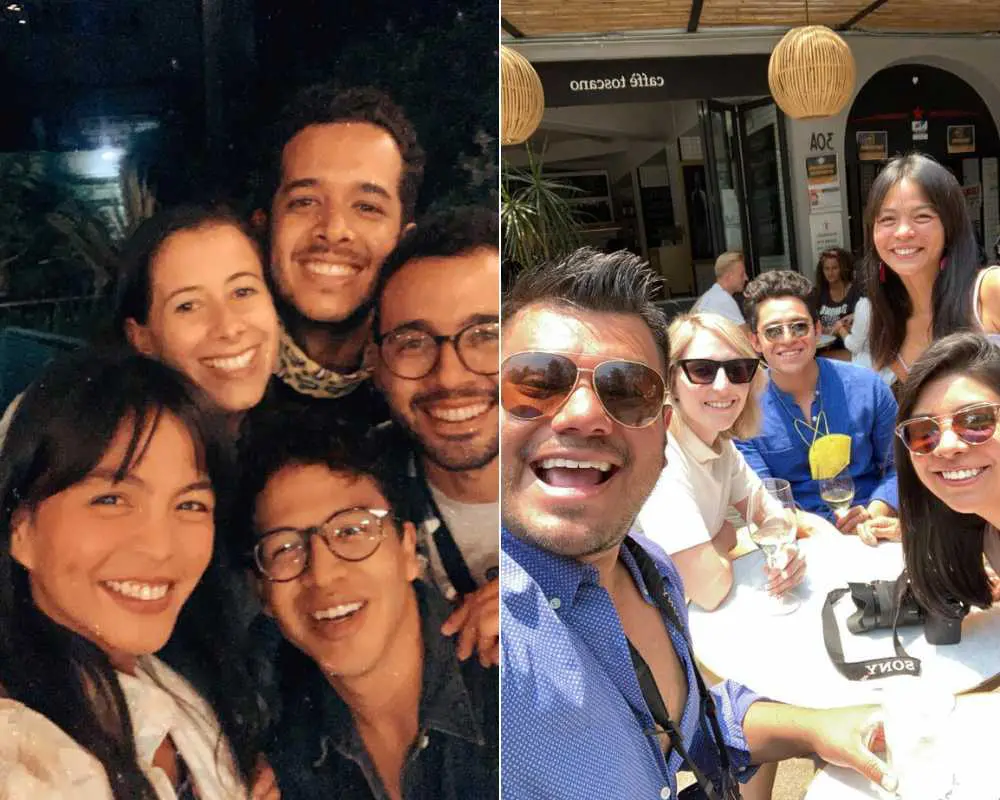
When I first landed in Mexico City as a digital nomad, I didn’t expect the community to feel so alive and welcoming. Within days, I was meeting people at coworking spaces in Roma and Condesa, swapping tips on the best taco stands and weekend getaways.
The vibe here is a mix of ambitious and laid-back. You’ll find folks grinding on their laptops during the day, then heading out together for mezcal tastings, rooftop parties, or spontaneous salsa nights.
What I love most is how international it feels: one moment I’m chatting with a designer from Berlin, the next I’m sharing street food with a startup founder from Buenos Aires.
There’s also a strong sense of collaboration; people genuinely want to connect, share resources, and help each other navigate life in the city.
Of course, it’s not all social. There are quiet cafés and coworking corners when I need to focus but the energy of the community makes it easy to balance work and play.
For me, Mexico City has been more than just a base; it’s a place where I’ve built friendships, found inspiration, and felt part of something bigger than just my own journey.
🎶 CDMX has layers you won’t find on Google Maps. Reach out to me and I’ll connect you with my friends, favorite haunts, and the kind of community that feels like family.
Internet speed in Mexico City
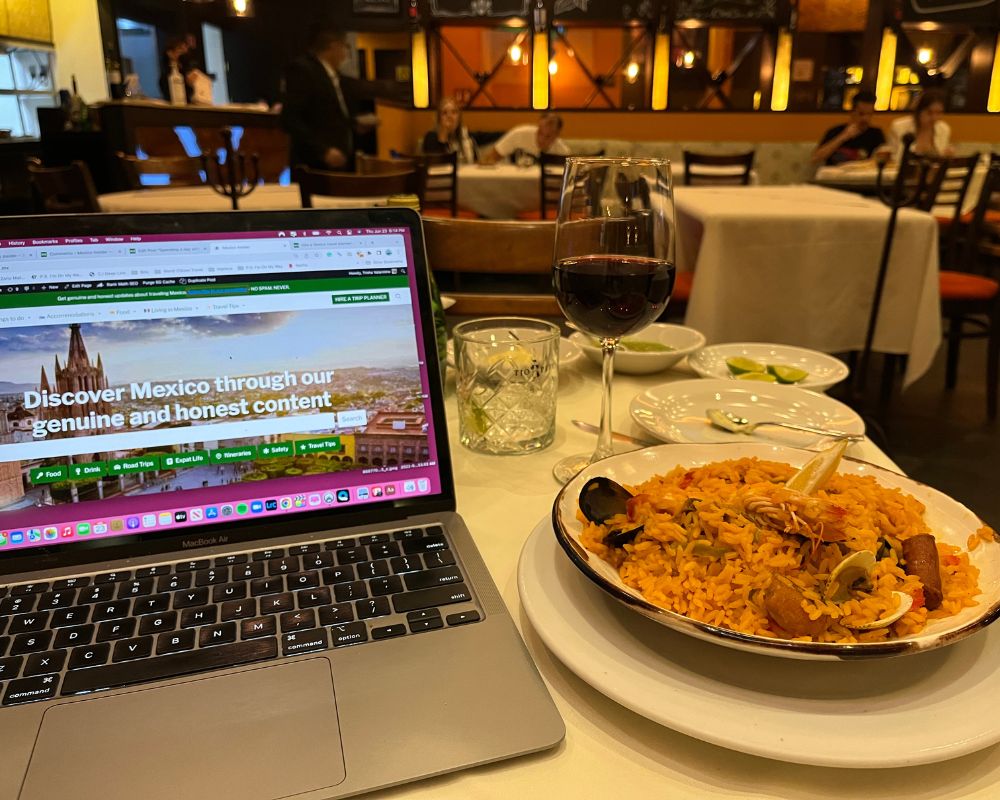
When I set up my base in Mexico City, one of my first concerns was internet speed—and honestly, I’ve been impressed. In my apartment in Roma, I get a fiber connection that usually runs between 80–200 Mbps, which is more than enough for video calls, streaming, and heavy uploads.
Most central neighborhoods like Condesa, Juárez, and Polanco are wired with fiber now, thanks to providers like Telmex and Totalplay, so the infrastructure feels solid, though I’ve learned to expect the occasional outage.
When I work from cafés, speeds are a bit more variable (anywhere from 20–80 Mbps) but the coffee shops that cater to remote workers usually have reliable setups.
Co‑working spaces often deliver 200–500 Mbps with backup systems, which makes them my go‑to when I need guaranteed stability.
For mobile, I keep a Telcel SIM as a backup. On 4G, I usually see 20–40 Mbps, and in 5G zones it can spike higher. What I love is that the city has invested heavily in connectivity. There are even 21,000+ free public Wi‑Fi hotspots across CDMX.
For me, the combination of strong infrastructure and multiple backup options makes working here surprisingly seamless.
📱 I always travel with an eSIM in Mexico City—it’s instant, stress‑free, and reliable. Grab one too and stay connected the moment you land!
Mexico digital nomad visa
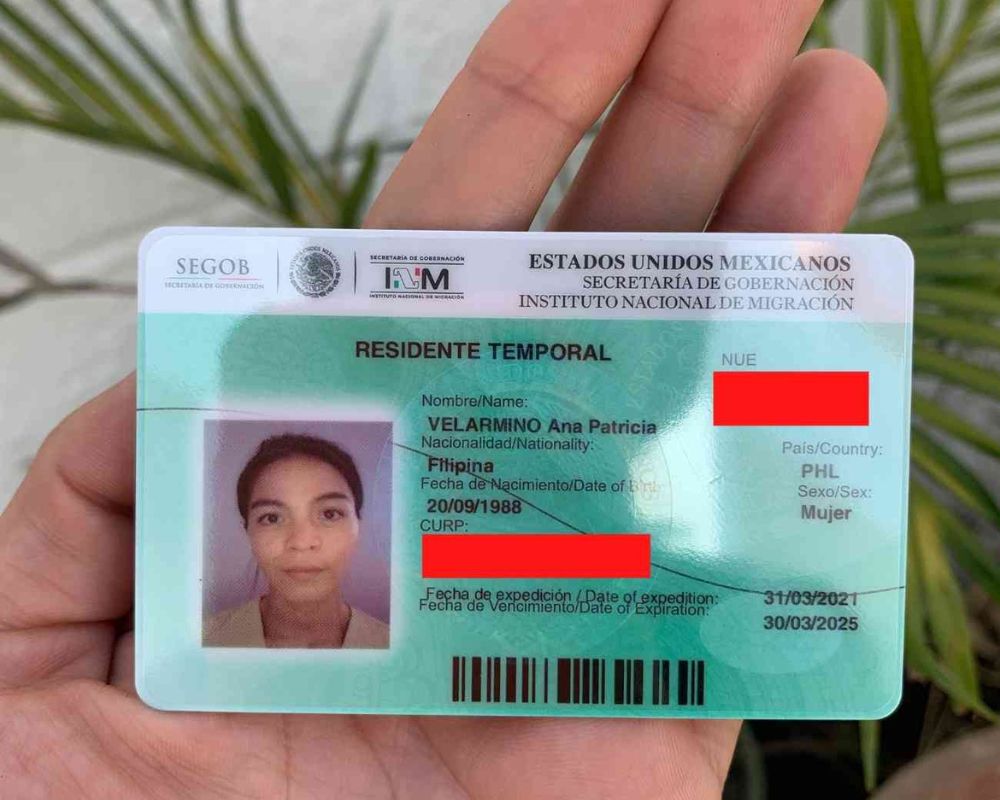
When I first came to Mexico, I was surprised by how easy it was to stay for a while. Most travelers, including me, get a 180-day tourist visa on arrival, which is basically six months to explore, work remotely, and soak up the culture without much hassle.
But if you fall in love with the country (and trust me, it happens fast), six months starts to feel too short. That’s when the so-called digital nomad visa comes into play—officially it’s Mexico’s Temporary Resident Visa.
It’s not branded as a nomad visa, but it works perfectly for remote workers since you can stay for one year at first, and renew up to four years.
The catch is you need to show financial stability, either a steady monthly income (around $4,400 USD) or a healthy savings balance. For me, it’s the ideal way to turn a half-year adventure into a longer, more rooted experience in Mexico.
My Mexico digital nomad visa journey:
- 2020: I got a Mexico digital nomad visa (visa no lucrativa)
- 2021: I got a 4-year temporary resident visa under the regularization law
- 2024: I got my permanent residence visa in Mexico!
- 2028: I am eligible to apply for Mexican citizenship
🛃 Handling residency in Mexico felt overwhelming at first, but my lawyer made it seamless. If you’re serious about long‑term stays, I’d strongly suggest booking a consultation.
Mexico City Digital Nomad Cafes
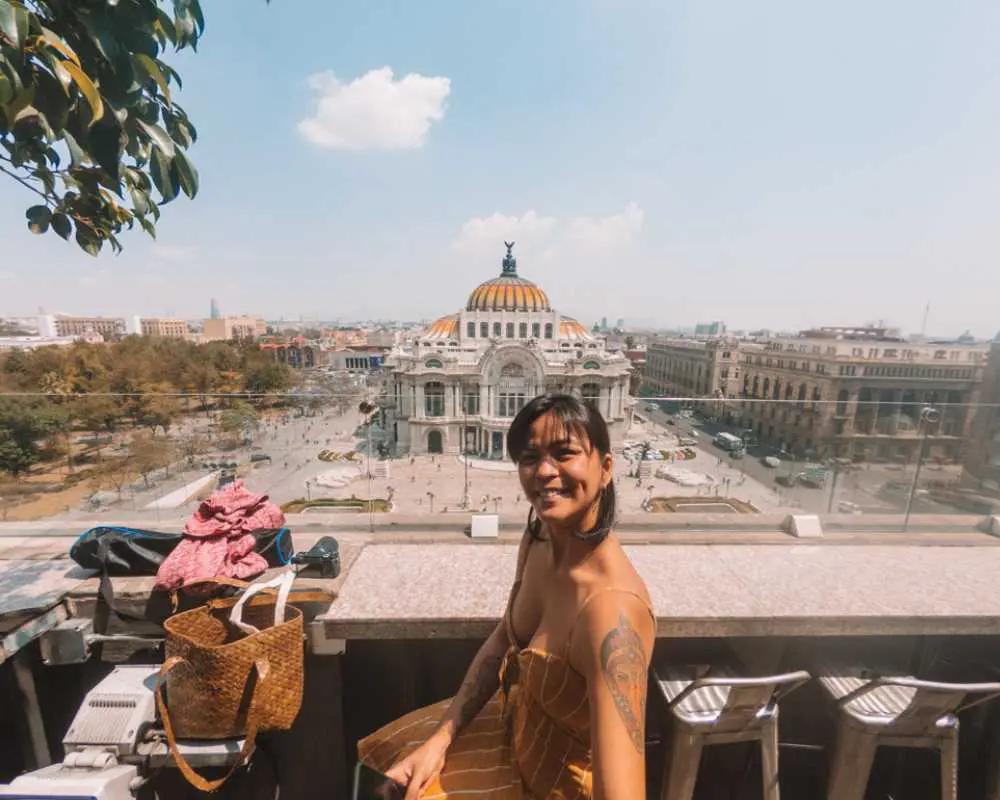
One of my favorite parts of being a Mexico City digital nomad is the café culture—it feels like the city was built for people who love to work with a laptop and a good cup of coffee. There are cafés on almost every corner, from sleek modern spaces with minimalist design to cozy neighborhood spots with leafy patios.
A simple rule of thumb I use is this: one drink or snack = about 2 hours of stay time. So if I know I’ll be working for 4–5 hours, I’ll order at least two things. Maybe a coffee first, then a pastry or another drink later.
It’s super hard to recommend the best Mexico City digital nomad cafes because I’ve been in this city for so long. I’ve stacked some favorites! But here are a few you can visit if it’s your first time in CDMX:
Frëims (Condesa)
📍 Ámsterdam 62, Hipódromo, Cuauhtémoc
What I loved most was the leafy patio, which feels like a secret garden. Prices hover around $3–5 USD for coffee and $8–12 for meals. Seating is spacious, with communal tables and cozy corners. Outlets are scattered but reliable, and WiFi runs 30–50 Mbps. It’s perfect for long laptop sessions, photo‑worthy brunches, and casual networking.
Cafebrería El Péndulo (Condesa)
📍 Av. Nuevo León 115, Colonia Condesa
I adored the mix of books and coffee; it sparks creativity instantly. Expect $3–6 USD for drinks and $10–15 for food. Seating is abundant, with quiet nooks and large tables. Outlets are available near walls, and WiFi is steady at 25–40 Mbps. The literary vibe makes it ideal for deep focus, while the bookstore backdrop is Instagram gold.
Blend Station (Roma)
📍 Puebla 237, Roma Nte., Cuauhtémoc
I loved the plant‑filled interiors; every shot looks like a magazine spread! Coffee is $3–5 USD, meals $8–12. Seating includes communal tables and comfy sofas. Outlets are plentiful, and WiFi averages 30–45 Mbps. It feels like a coworking space with a kitchen, perfect for all‑day work and healthy breaks.
Almanegra Café (Roma)
📍 Zacatecas 180, Roma Nte., Cuauhtémoc
What I loved most was the minimalist design: sleek cups and clean lines. Prices are $3–6 USD for specialty coffee. Seating is limited but stylish, with bar stools and small tables. Outlets are fewer, so plan ahead. WiFi is reliable at 25–35 Mbps. It’s distraction‑free, ideal for purists who want focus and aesthetic flat lays.
Niddo (Polanco)
I loved the garden seating at Niddo! It’s perfect for brainstorming afternoons and lounging. Coffee runs $4–6 USD, meals $10–15. Seating is creative, with indoor tables and leafy outdoor spots. Outlets are moderate, WiFi steady at 30 Mbps. The artisanal plates make every brunch photo pop, attracting freelancers and creatives.
Café Toscano (Polanco)
I loved Café Toscano’s artsy Italian vibe, stylish yet relaxed. Prices are $4–7 USD for drinks, $12–18 for meals. Seating is cozy, with rustic décor and cushioned chairs. Outlets are available but limited. WiFi is consistent at 25–35 Mbps. It’s a chic escape for nomads who want gourmet food and Instagram‑worthy ambiance.
📍 Thinking about Mexico City as your next home base? Let’s chat! I’ve done the move myself and can share tips, stories, and encouragement along the way. [CHAT WITH ME]
Co-working spaces in Mexico City
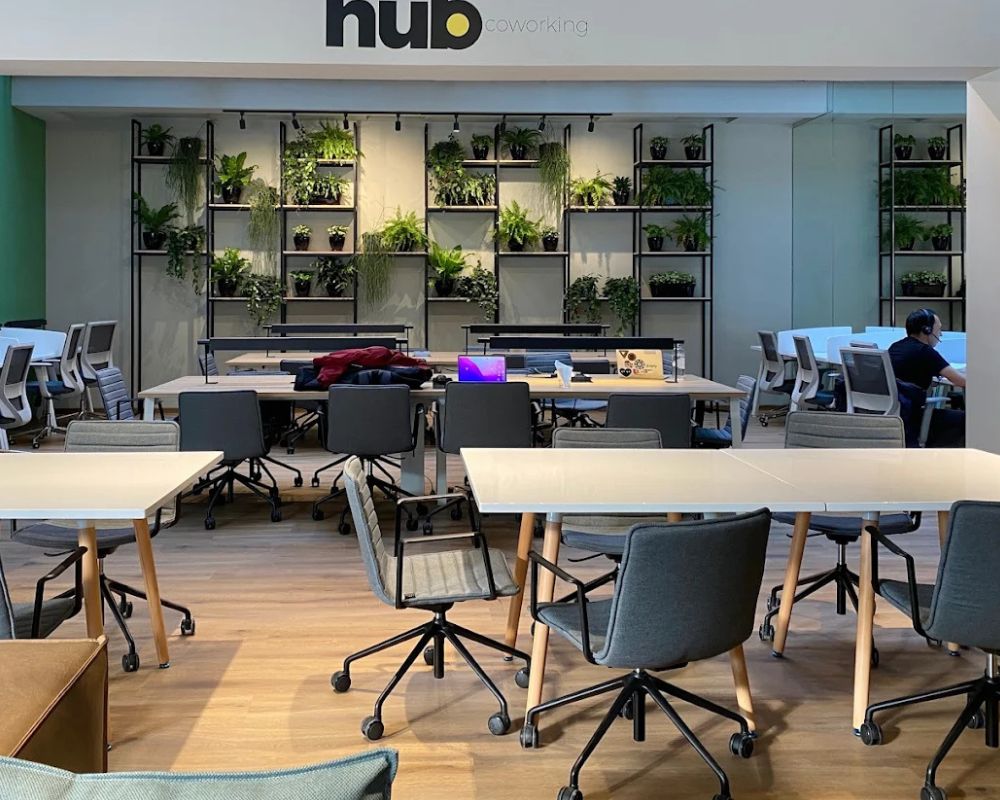
One of the things I love most about being a Mexico City digital nomad is how easy it is to find a coworking space that fits my mood or work style.
There is an insane number of coworking spaces in Mexico City, especially in Roma Norte, Condesa, and Polanco. The city is packed with them—modern loft-style hubs, cozy neighborhood spots, and even sleek high-rises with rooftop views.
No matter where I go, the internet is fast and reliable, usually fiber connections running 200–500 Mbps with backup generators and redundant networks, so I never worry about dropping a call.
Here are my favorite co-working spaces in Mexico City:
Público Coworking
📍 Publico has branches in Reforma, Condesa, Roma, and Lomas de Chapultepec
The rooftop terrace instantly impressed me, offering city views that make outdoor work feel luxurious. Público blends boutique hotel aesthetics with sleek interiors and curated art, creating one of the most stylish coworking environments in Mexico City.
Memberships range from $200–350 USD/month for hot desks, with private offices available. Amenities include high‑speed WiFi, event spaces, cafés, and terraces.
Casa Tabacalera Cowork
📍 Av. de la República 9, Tabacalera, Cuauhtémoc
Casa Tabacalera Cowork is housed in a historic building that blends heritage charm with modern functionality. Its high ceilings, vintage details, and contemporary furniture create a unique atmosphere that feels both elegant and inspiring.
Amenities include strong WiFi, meeting rooms, private offices, and communal areas designed for collaboration. Memberships start around $150–250 USD/month, offering flexibility for freelancers and small teams.
Campus WORTEV
The best thing about Campus WORTEV is its creative energy, especially the podcast and music recording studio, which makes it more than just a coworking space.
Located in Condesa, it blends modern interiors with innovative amenities, including private offices, flexible desks, meeting rooms, and event areas.
Strong WiFi, ergonomic furniture, and 24/7 access ensure productivity, while the in‑house café and networking events foster collaboration. Memberships range from $600–900 USD.
Pros: Mexico City Digital Nomad
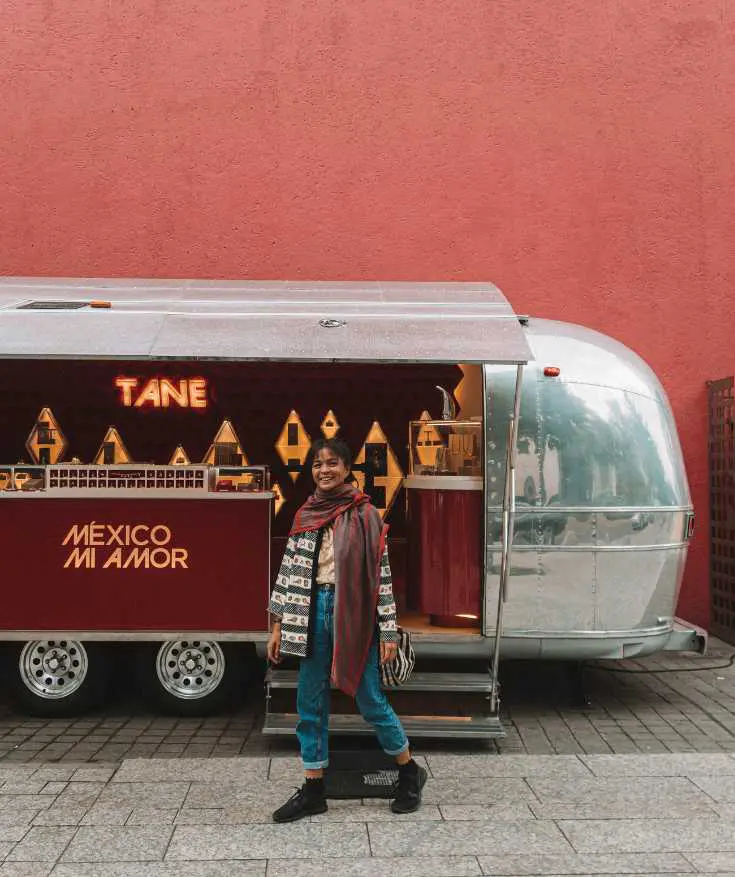

Here’s my take on the real pros of living in Mexico City as a digital nomad—the stuff I’ve actually noticed makes life smoother and more fun:
- Reliable internet everywhere – I can hop between my apartment, cafés, coworking spaces, or even public Wi‑Fi hotspots and still keep my workday flowing.
- Time zone sweet spot – Being on Central Time means I can overlap with both Europe in the mornings and the U.S. in the afternoons without pulling crazy hours.
- Affordable daily life – Rent might sting, but eating out, transport, and bills are so cheap that my overall budget balances out better than in most big cities.
- Walkable neighborhoods – In Roma, Condesa, and Juárez, I can literally walk or bike to cafés, gyms, and coworking spaces without needing a car.
- Community energy – There’s always a mix of nomads, freelancers, and locals around, so it’s easy to make friends or find collaborators without forcing it.
- Weekend escapes – I can unplug with a quick bus ride to pyramids, pueblos mágicos, or even hot springs—perfect resets after a packed workweek.
- Cultural fuel – Museums, street art, and live music constantly spark new ideas, which keeps my creativity alive while I’m working remotely.
- Flight hub advantage – The international airport connects me to almost anywhere in the world, so quick trips across Latin America, the U.S., or even Europe are super easy.
🙋🏻♀️ MOVING TO MEXICO CITY AND NEED SOMEONE TO TALK TO? LET’S CHAT! →
Cons: Mexico City Digital Nomad
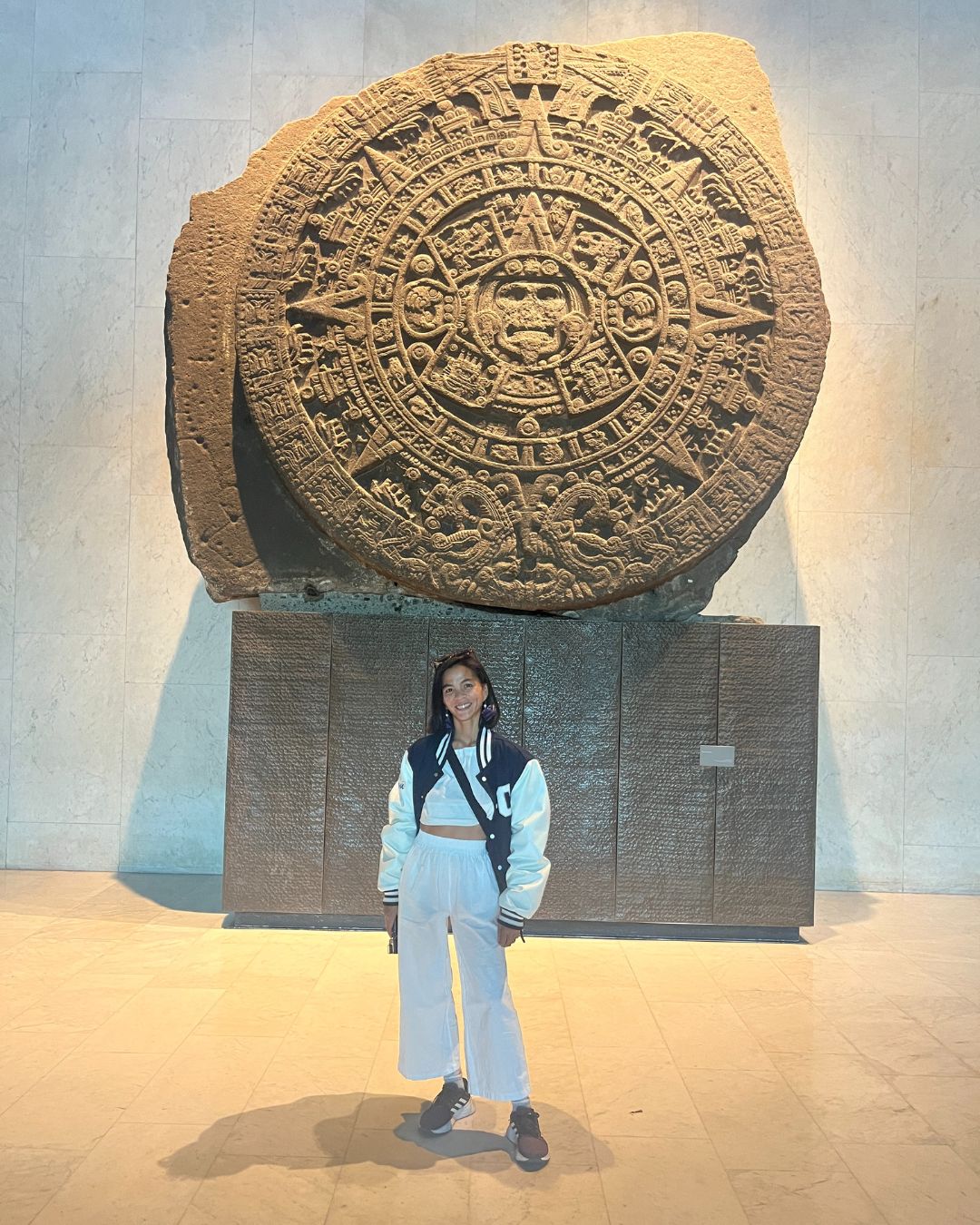
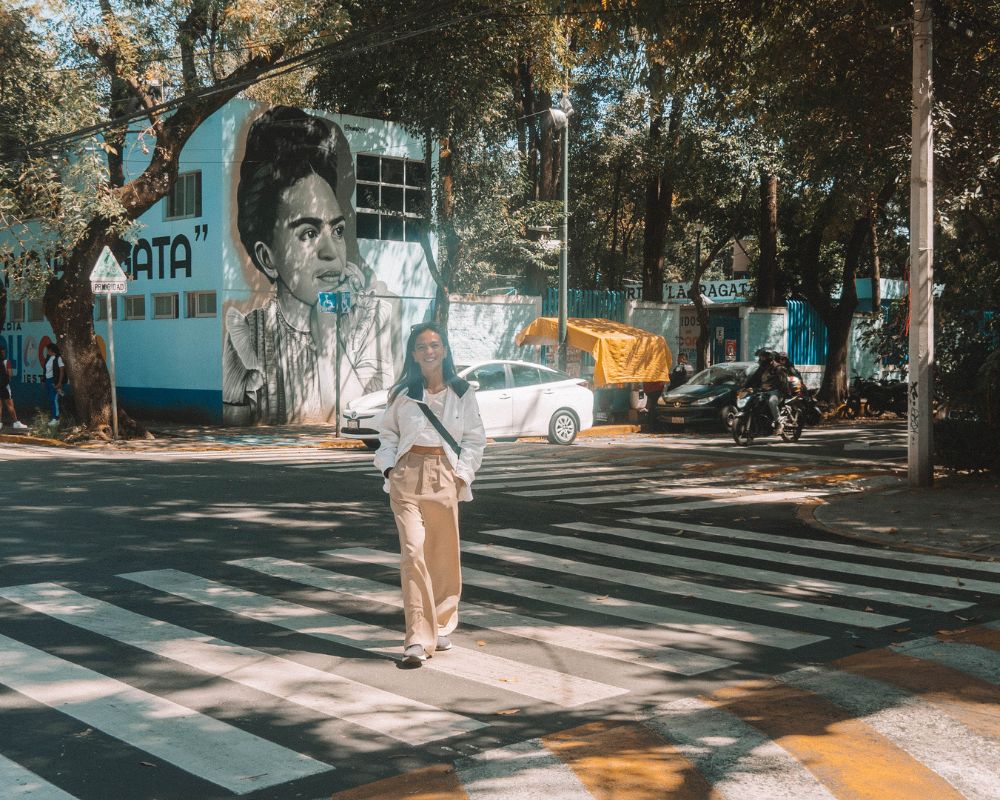
- Rent is steep – Housing in central neighborhoods like Roma and Condesa can eat up a big chunk of my budget, and competition for good apartments is intense.
- Noise is constant – Between traffic, street vendors, and late-night fiestas, silence is rare. I’ve learned to love my noise-canceling headphones.
- Air quality dips – Some days the smog is noticeable, and I have to be mindful about outdoor workouts or long walks.
- Traffic is wild – Even short car rides can take forever, so I plan my day around rush hours or stick to walking and biking.
- Short-term leases are tricky – Landlords often want longer commitments, so I rely on Airbnb or coliving, which costs more.
- Cash is still king – While cards are accepted in many places, smaller shops and markets often want cash, which means frequent ATM runs.
- Safety awareness – I feel comfortable overall, but I stay alert with my phone and bag, especially in crowded areas or at night.
Safety for digital nomads in Mexico City
If you plan to pursue being a Mexico City digital nomad, you’ll most likely stay in places that are safe for foreigners, or at least deemed safe by many.
So, in this case, safety is objective and personal. Safety in Mexico City depends on the neighborhoods.
I don’t think people realize how big Mexico City is but most digital nomads tend to flock the neighborhoods of Roma and Condesa, and are afraid to venture in other areas because of safety.
Sure, there are many sketchy neighborhoods but most digital nomad cities in the world have this, too. “Sketchy” and “unsafe” is not exclusive for Mexico City. Bad things happen everywhere.
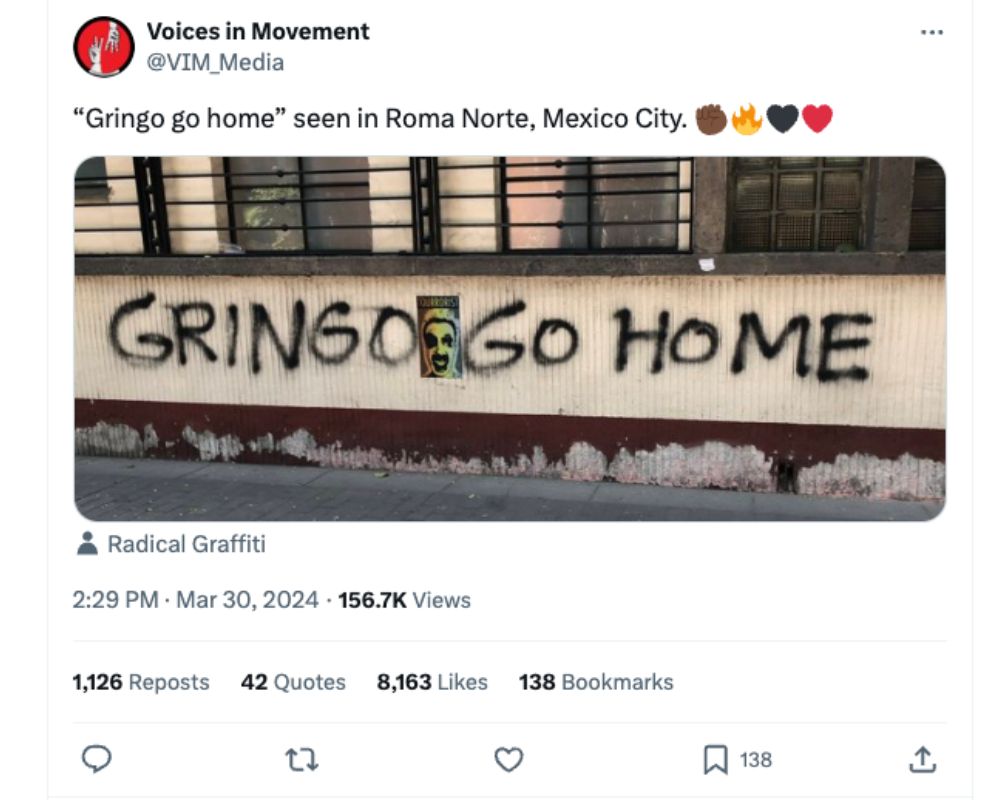
However, with the popularity of Mexico City as a digital nomad destination, some locals are protesting. These days, you will see graffiti saying “Gringo, go home,” which sometimes rattles new digital nomads coming to Mexico City.
If you are not aware, many locals in Mexico City of them lost their homes because owners are renting it out for a more expensive price to foreigners.
This is also one of the reasons why I do not recommend Airbnb anymore in this blog. I have so many friends who are struggling to find housing.
None of us can control Mexico City being famous to digital nomads but there are many locals who are trying to fight it. It’s a looonnng conversation!
FYI, housing shortage for locals happens all over the world. Not just in Mexico City. It’s great to be aware of the situation.
Mexico City Digital Nomad Insurance
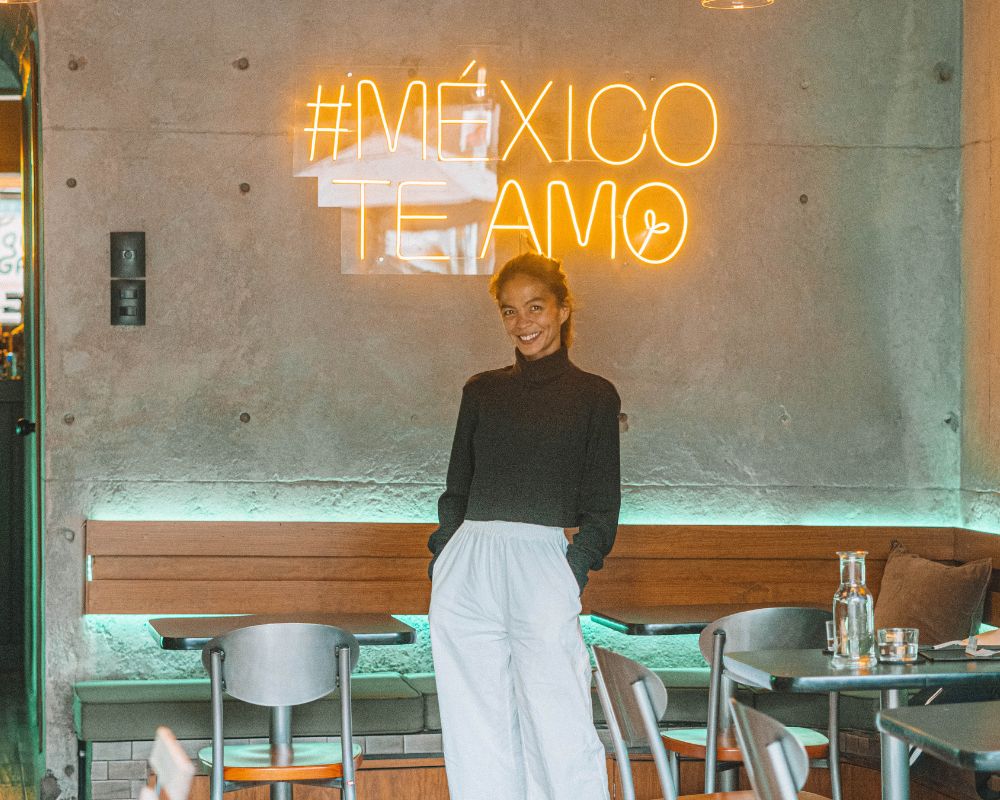
Living in CDMX as a nomad is amazing. But here’s the catch: private hospitals charge $500–3,000 for ER visits and $8,000–15,000 for surgeries.
No insurance? You pay cash before treatment. That’s a nightmare when you’re juggling visas, deadlines, and rent.
- SafetyWing: Rolling monthly plan, $250K coverage, add-on for U.S. trips. Perfect if you bounce between Mexico and the States.
- Genki: Stronger health coverage ($1.1M), direct hospital payments, ~$61/month.
- World Nomads: Best for adventure junkies — covers cenote diving, volcano hikes, surfing.
Additionally, having access to English‑speaking doctors in Mexico City makes a huge difference when you’re sick or stressed.
Clear communication matters! You don’t want to be fumbling through Google Translate while explaining symptoms.
Being able to talk directly with a doctor in your own language saves time, reduces anxiety, and ensures you actually understand the treatment plan. It’s one of those small details that can completely change how safe and supported you feel abroad.
Mexico City Digital Nomad Etiquette
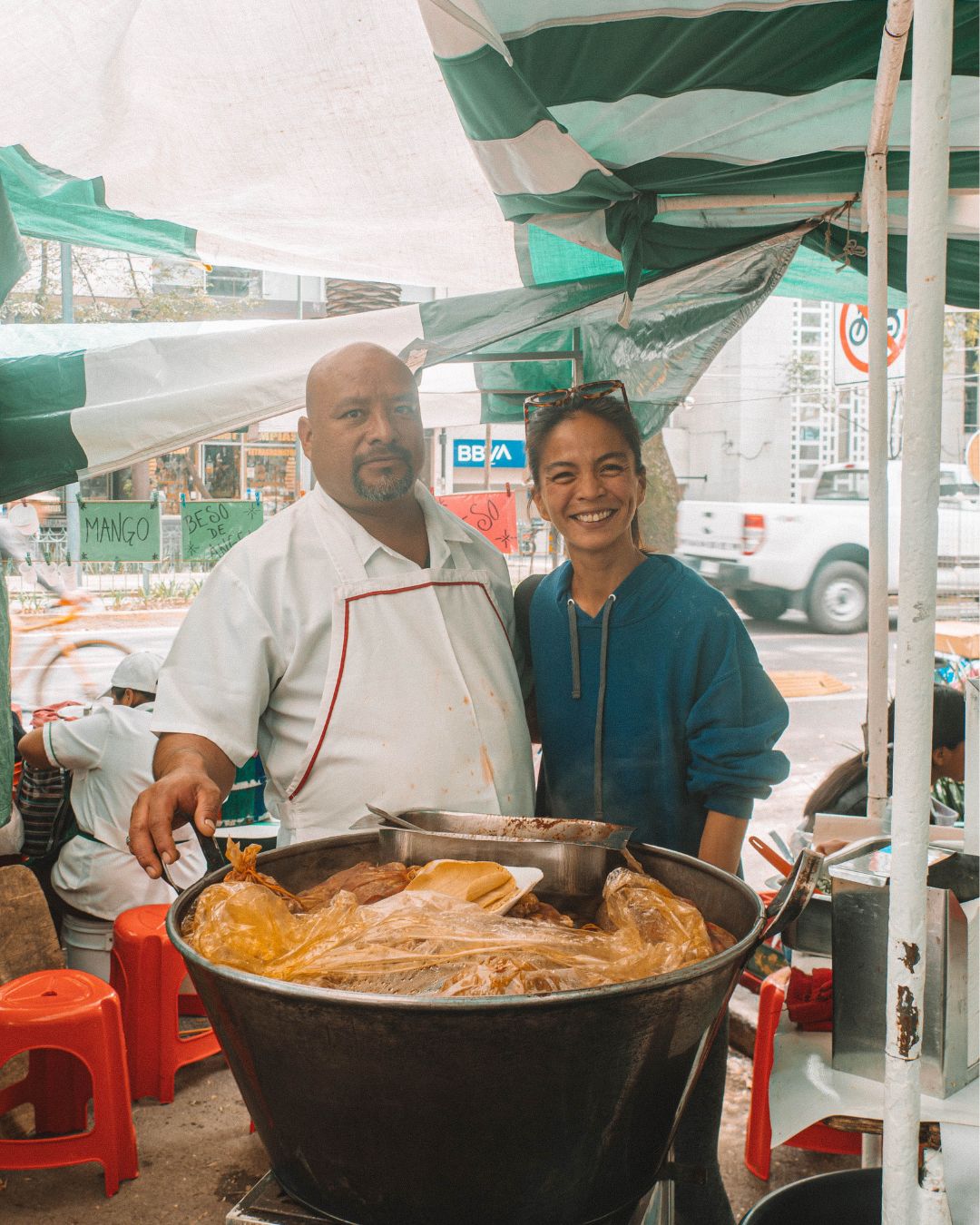
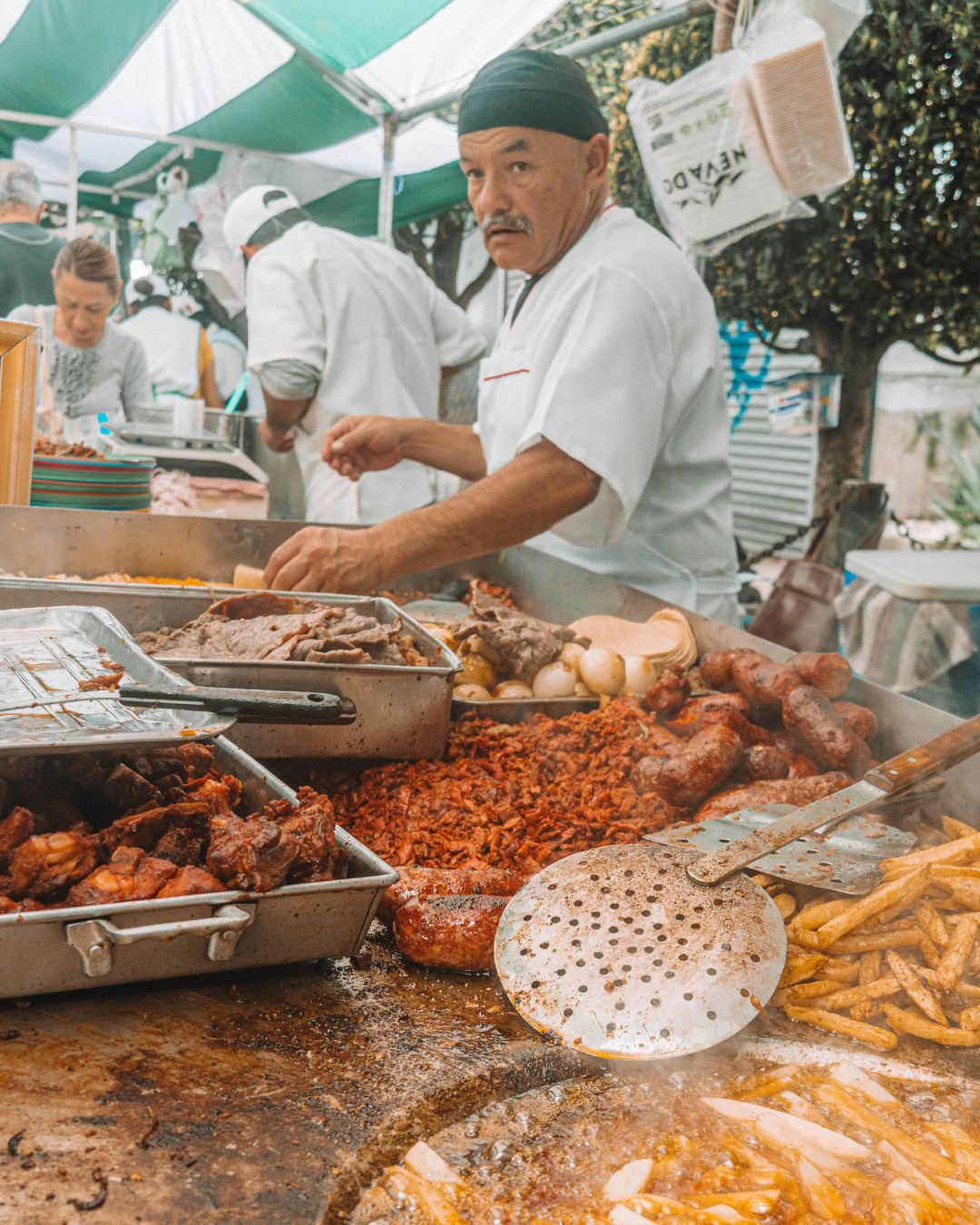
If you’re planning to work remotely in Mexico City, knowing a bit of cultural etiquette goes a long way. Locals here are warm and welcoming, but respect and good manners matter.
First off, greetings are huge—always say “buenos días” or “buenas tardes” when you walk into a café, coworking space, or even a small shop. It’s a simple habit that instantly makes you feel less like a tourist and more like part of the community.
In cafés, don’t be that nomad who camps out for six hours on one espresso. Order something every couple of hours, tip at least 10–15%, and be mindful of peak times when locals need tables too. If you’re invited to a local home, bring a small gift like pastries or wine—it’s appreciated.
Public transport and sidewalks can get crowded, so keep your backpack in front of you and give up your seat for elders. Mexicans are generally punctual socially, but for casual meetups, arriving 10–15 minutes late isn’t unusual—just don’t apply that to work calls.
And finally, try a little Spanish, even if it’s just “gracias” or “con permiso.” It shows effort and respect, and people will meet you halfway. Blend in, be considerate, and you’ll find Mexico City opens up beautifully.
LEARN SPANISH (TRAVELER EDITION) →