I moved to Mexico in 2018 with a suitcase and no real plan. Today I’m a Mexican citizen, raising a son who was born here, married into this culture, and fully settled into a life I never could have predicted. If you’re seriously considering moving to Mexico, this is the guide I wish I’d had before I started.
📧 Hi Trisha! I'm Joanna and I'm from the U.S. I've been dreaming about moving to Mexico for a couple of years now, but every time I start researching, I get overwhelmed. I don't know which visa I'd even qualify for, how much it actually costs to live there day-to-day, or whether I'd be able to build a real life there as a single woman in my 30s. Is it actually doable, or am I romanticizing something that's way harder in practice? I'd love to hear from someone who's actually done it.
Hi Joanna!
Thank you for writing to me, because I remember feeling the same overwhelm before I made the jump myself. The short answer is yes, it’s absolutely doable, but it does take patience, planning, and a willingness to embrace some uncertainty along the way.
I moved to Mexico in 2018 knowing very little, and in the years since, I’ve navigated the visa process, built a life here, given birth to my son, and eventually earned my Mexican citizenship.
Everything you’re asking about: visas, cost of living, healthcare, finding housing, even the surprising fine print around things like buying a car, I’ve laid out in detail below, based entirely on what I actually experienced rather than what I read online before moving.
Consider this article my full answer to your question. Good luck and let me know in the comments below or email me if you have any questions!
Xx, Trisha
🇲🇽 Thinking about moving to Mexico and want personalized guidance? I offer one-on-one calls where we go through your specific situation. No generic advice, just a real conversation based on what actually worked for me and what I’d do differently. 📞 Book a call with me and let’s figure out your path to moving to Mexico together!
Why moving to Mexico made sense for me

Moving to Mexico wasn’t about chasing a fantasy. One of the biggest reasons I made the move was that I wanted a second citizenship, and Mexico happens to be one of the easiest countries in the world to get one from.
Compared to a lot of other paths to dual citizenship, which can take a decade or more, or require enormous investment, Mexico’s residency-to-citizenship timeline is genuinely accessible if you’re willing to put in the time and follow the process.
That practical reason was what first got me looking seriously at Mexico over other countries.
But once I actually arrived, the reasons multiplied fast. I was ready for something different — a slower pace, a lower cost of living, and a culture that felt warmer and more connected than what I’d left behind.
What I didn’t expect was how deeply I’d fall in love with the day-to-day rhythm of life here: the markets, the food, the way neighbors actually know each other.
Eight years later, my reasons for staying are completely different from my reasons for coming. I stayed because I built a life here. I stayed because my son took his first breath in this country.
I stayed because, somewhere along the way, Mexico stopped being “abroad” and started being home.
Choosing a city when moving to Mexico

One of the biggest decisions you’ll make is where to actually live, and honestly, it can make or break your experience. Mexico is enormous and varies wildly by region: coastal versus inland, big city versus small town, tourist hub versus off-the-radar gem.
I spent time exploring different areas before settling in, and I’d strongly recommend you do the same rather than committing sight unseen. I have lived in 15 cities in Mexico. The three places I’ve lived in the longest are Sayulita, Puerto Vallarta, and Cabo San Lucas.
I’ve written a full guide breaking down the best places to live in Mexico if you want a deeper dive into specific cities and what makes each one unique. It’s one of the most detailed resources I’ve put together, so I’ll point you there instead of repeating it all here.
👉🏼 Read next: The best places to live in Mexico
Visa options for moving to Mexico
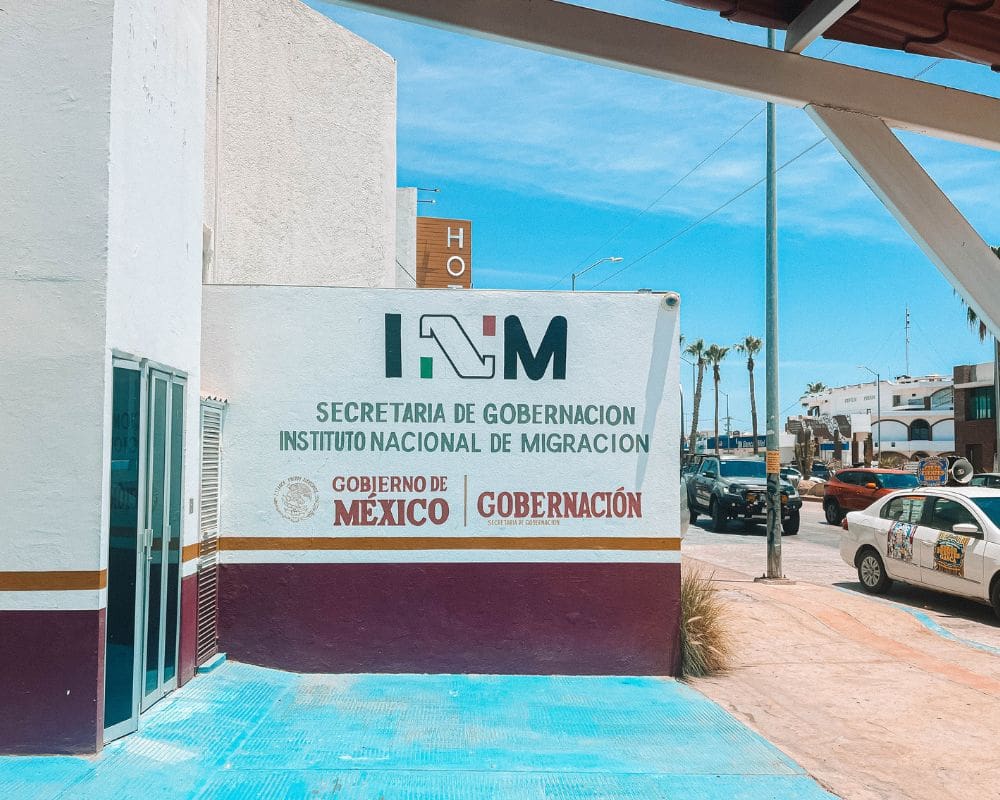
This is where most people get stuck when moving to Mexico, and I get it. The visa process felt intimidating to me too before I actually went through it. Here’s the simplified breakdown:
- Tourist visa (FMM): This is what you get automatically as a visitor, good for up to 180 days. It’s not a long-term solution, but it’s how most people start.
- Temporary Resident Visa: This is what I applied for first. It requires proving a certain level of income or savings, and it’s valid for up to four years before you either renew or apply for permanent residency.
- Permanent Resident Visa: After enough time on temporary status (or if you meet certain financial thresholds), you can apply for permanent residency, which doesn’t expire and gives you more rights, like working without needing a separate permit.
- Citizenship: After living here long enough as a legal resident, I was eligible to apply for Mexican citizenship, which I now hold. It wasn’t a quick process, but it was one of the most meaningful things I’ve done — it made this country legally, not just emotionally, mine.
Below are two of my visa guides for Mexico:
📣 My honest advice: If you don’t speak Spanish, hire an attorney to help you process the papers. I am fluent in Spanish but I still had difficulties. I started the process on my own and in the middle of it, I decided to get a lawyer. This lawyer helped me with all my visas (from digital nomad visa, temporary, permanent, citizenship). She is great and she now helps me with all legal stuff I need for living in Mexico!
[BOOK A CALL WITH A LAWYER]
📺 Watch video: How to get a digital nomad visa for Mexico
The real cost of living in Mexico

People ask me this constantly, and the truth is it depends enormously on where you live and what kind of lifestyle you want. That said, I can tell you my cost of living dropped significantly compared to where I lived before.
Rent varies hugely. A modest apartment in a smaller city or a less touristy neighborhood costs a fraction of what you’d pay in a popular expat hotspot.
Groceries, especially if you shop at local markets instead of imported-goods supermarkets, are noticeably cheaper. Eating out, transportation, and household help (many families here have cleaning or childcare help at a price point that would be unthinkable elsewhere) all tend to stretch further too.
Healthcare costs, which I’ll get into below, were one of the biggest and most pleasant surprises for me financially.
- Rent (1-bedroom apartment): $400 – $900
- Utilities (electricity, water, gas): $40 – $100
- Groceries: $200 – $400
- Eating out (a few times a week): $100 – $250
- Transportation (local): $30 – $80
- Private health insurance: $50 – $150
- Household help (part-time): $80 – $200
- Estimated total: $900 – $2,080
Again, the cost of living in Mexico varies by destination. Here are some of my personal costs that I’ve written:
Finding housing when moving to Mexico

When I first arrived, I rented short-term while I got a feel for different neighborhoods and I’d recommend the same to you. Don’t sign a year-long lease before you’ve actually lived somewhere for a few weeks.
Facebook groups for expats and locals in your target city are genuinely one of the best resources for finding listings, far more useful than the big international rental sites.
Having a local contact or a bilingual friend look over any lease before you sign is also worth its weight in gold. I learned this after nearly missing a clause in my first contract that would have cost me a full month’s deposit.
Every city has a housing group that you can join on Facebook. Just search for the city and use keywords like, “Puerto Vallarta Housing,” “Los Cabos Houses for Rent”, and so on.
Healthcare after moving to Mexico

This is a topic close to my heart, quite literally, since I gave birth to my son here. My experience with Mexican healthcare, both private and public, was better than I expected walking in.
Private healthcare in Mexico is high quality and remarkably affordable compared to what many of us are used to. I had access to good doctors, modern facilities, and short wait times, all while paying a fraction of what the equivalent care would have cost back home.
Once I became a resident, and eventually a citizen, I also gained access to the public healthcare system, which added another layer of security.
If you’re planning a family here, or already are, know that Mexican hospitals are well-equipped for maternity care. My son’s birth was handled with more warmth and personal attention than I ever expected, and it’s part of why this country feels permanently tied to my own story now.
Banking and managing money after moving to Mexico
Opening a Mexican bank account took some patience. You’ll typically need your visa, proof of address, and sometimes a minimum deposit but it made daily life significantly easier once it was done.
I’d recommend doing this as soon as your residency status allows it, rather than relying on foreign cards for everything, which often come with fees that add up fast.
I also kept an account back home for a while, which gave me flexibility during the transition period. If you’re planning to work remotely or receive income from abroad, it’s worth researching how transfers and exchange rates will affect you before you commit to a banking setup.
Also please note that if you don’t have a permanent residency visa, you cannot open a bank account in big financial institutions like BBVA, Santander, Citibanamex, etc.
During my 4-year temporary visa stint, I opened a bank account with Intercam since their rules are more flexible for non-permanent visa holders.
📺 Watch video: How to open a bank account in Mexico with a temporary visa
Buying a car after moving to Mexico

I bought a car after settling in, and this is one area where I really wish someone had warned me about the fine print ahead of time.
If you’re on a temporary resident visa, you can’t put a car in your own name, and you can’t get a car loan from a Mexican bank or dealership financing program.
It’s a restriction tied specifically to that visa status. The logic is that temporary residency is, by definition, temporary, so lenders and the registration system treat you differently than they would a permanent resident or citizen. This tripped me up because I assumed buying a car would work more or less like renting an apartment. It doesn’t.
When I bough my first car, I needed to ask a friend to co-sign, which was a bit risky since a lot of things can happen. However, that friend was trustworthy so nothing happened bad.
The second time I bought a car, I was already a permanent citizen, so that was way easier. They even offered me a car loan but I didn’t take it because car loans in Mexico have high interest rates.
In practice, this means most people on a temporary visa end up either paying cash and titling the car under a trusted local’s name, going through a Mexican co-signer or family member who is a citizen or permanent resident, or waiting until their status changes before buying.
I know people who’ve done all three, and each comes with its own trade-offs and trust issues, so think carefully before you commit to a workaround.
If owning a car matters to you early on, factor this into how you plan your visa timeline, because it’s genuinely one of those details that doesn’t show up in the general “moving to Mexico” advice until you hit it yourself.
If you want to buy a car in Mexico, I can recommend my dealer to you, who will help you with everything, including name transfers for second-hand cars. He charges a very small fee, and he is my trusted person when it comes to cars!
Editor’s note: This kind of financing hurdle isn’t unique to Mexico. It shows up anywhere lenders view you as higher-risk, whether that’s because of residency status or your credit history. In Australia, for example, buyers with less-than-perfect credit can run into similar roadblocks with mainstream banks and instead turn to specialist options like bad credit car finance from lenders. It’s a good reminder that “can’t get approved through the usual channel” often has a workaround, no matter which country you’re in.
Shipping belongings when moving to Mexico

I didn’t bring much with me initially, and looking back, I think that was the right call. Shipping furniture and larger items internationally is expensive and often more hassle than it’s worth, especially with customs regulations that can change. I
bought most of my furniture locally once I found a place to live, which also helped me feel more settled and connected to my new home from day one.
If you do decide to ship belongings, get quotes from multiple international movers, ask specifically about customs fees, and build in extra time. International shipments here rarely arrive exactly on schedule.
But this is also what I remind everyone: whatever you have at home, you will also find it in Mexico. Mexico has a modern retail landscape with international chains like Costco, Walmart, Home Depot, and Sam’s Club, so most of what you’d want to bring from home, you can actually just buy once you’re here.
Do you need Spanish before moving to Mexico?
Short answer: you don’t need to speak Spanish to move to Mexico, but you’ll need it to truly live here.
Since I already traveled South America for 4 years, and went to University in Madrid, I was already fluent in Spanish. The challenge for me was that the Spanish I know does not really fit in Mexico.
What I needed to learn was the Mexican slang, and to be honest, that was challenging for me because I already know a lot of words from other Spanish-speaking countries that mean totally different in Mexican Spanish.
If you’re serious about moving, start learning before you arrive, and don’t be afraid to make mistakes once you’re here. In my experience, compared to Spain, Mexicans are incredibly patient and encouraging with anyone genuinely trying.
My friend Chelsea moved from the United States to Nicaragua, became fluent in Spanish, and eventually built her own company teaching it. Her classes are refreshingly different from traditional lessons. If you’ve struggled with the usual textbook approach, her method is worth checking out.
[ENROLL NOW]
Working after moving to Mexico

If you’re planning to work while living here, your options depend heavily on your visa status. Many expats, myself included at first, work remotely for companies or clients outside Mexico, which sidesteps a lot of the local work-permit complexity.
If you want to work directly for a Mexican employer, you’ll need your visa to specifically authorize that, and your employer typically needs to sponsor the process. My husband has this visa since he was contracted to work for a big Mexican resort chain.
Once I became a permanent resident, and later a citizen, my ability to work here opened up considerably — no permissions needed, no restrictions. That freedom was one of the quieter but more significant benefits of going through the full residency-to-citizenship process.
The honest pros and cons of moving to Mexico

I try not to sugarcoat this for people considering the move, because I think you deserve the full picture.
What’s been genuinely wonderful: the cost of living, the warmth of the culture, the food, the way family and community are prioritized here, and the quality and affordability of healthcare, especially through pregnancy and early parenthood.
What’s been genuinely hard: the bureaucracy, which can test your patience in ways you don’t expect; being far from family back home during major moments; and the slower pace of certain official processes that can feel frustrating when you’re used to things moving faster.
None of the hard parts have made me regret the move. But I’d rather you go in with clear eyes than a rose-colored version of what this looks like.
My step-by-step checklist for moving to Mexico

Based on my own experience moving to Mexico, here’s the order I’d actually recommend:
- Visit first, ideally for an extended stay, before committing to anything permanent.
- Research visa requirements early and start gathering documentation well before you plan to move.
- Choose a city thoughtfully rather than defaulting to the most popular expat destination.
- Rent short-term initially so you can get a real feel for a neighborhood.
- Open a local bank account once your status allows it.
- Start learning Spanish before you arrive, and keep building it once you’re here.
- Research healthcare options, both private and public, especially if you’re planning a family.
- Be patient with paperwork — residency and citizenship processes take time, but they’re worth it.
- If you plan to buy a car, factor in that a temporary resident visa won’t let you register it in your own name or get financing.
🇲🇽 If everything you just read has you seriously considering the move, let’s take the next step together. I offer 1-on-1 calls to go through your exact situation — no cookie-cutter advice. 📞 Book your call here and let’s get you moving!
FAQ: Moving to Mexico
Do I need to speak Spanish before moving to Mexico?
No, but it will significantly improve your quality of life and how connected you feel to your community.
Can I get Mexican citizenship after moving there?
Yes. After a period of legal residency, you can apply for citizenship, which is the path I took myself.
Is healthcare in Mexico good?
In my experience, yes. Both private and public healthcare have been high quality and considerably more affordable than what I was used to before moving.
Can my child be born in Mexico and have citizenship?
Yes. My son was born here and holds Mexican citizenship as a result, in addition to any citizenship he may be entitled to through me.
Can I buy a car on a temporary resident visa in Mexico?
Not entirely straightforwardly. On a temporary resident visa, you can’t register a car in your own name or get a car loan. Most people either pay cash under a trusted local’s name, use a citizen or permanent resident as a co-signer, or wait until their status changes to permanent residency or citizenship.