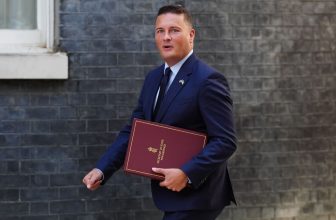
Aaron Flint cheered rollback of Montana national forest protections


Aaron Flint, the Republican candidate in Montana’s first congressional district, supported rolling back protections for the state’s national forests.
Last year, Agriculture Secretary Brooke Rollins announced that she was ending the Roadless Rule, a 2001 policy that protected 6.4 million acres of Montana forest from development. Flint praised that decision.
“The rescission of the roadless rule last week was HUGE news for better management of our federal lands,” he wrote on X in June 2025.
The Roadless Rule was implemented to mitigate water degradation and wildlife habitat loss that resulted from years of industrial logging and clear-cutting. It was also intended to save taxpayer money, which is used to maintain roadways on public lands.
Environmental experts told the Daily Montanan in February that ending the rule would have dire consequences.
“The rule is vital to protecting the backcountry experiences so many Montanans enjoy,” said Jeff Lukas, who leads Montana Trout Unlimited, a group committed to conserving the state’s waterways and fishing industry.
Areas now open to development include portions of the Flathead, Gallatin, Kootenai, Bitterroot, and Beaverhead national forests. Congress could vote to reinstate the rule.
This is not the only time Flint, a former radio host, has backed exposing public lands to private interests. Earlier this year, Public Domain, a news blog covering land conservation, documented several instances, dating back to 2013, of Flint calling for public lands to be put under state control.
“If the state of Montana is doing a better job managing their land, then why do we want the federal government to own the land?” Flint mused during a 2014 broadcast.
Advocates warn that Montana does not have the resources to adequately manage public lands on its own. A 2025 analysis by natural resources manager John Tubbs determined that transferring the lands to state ownership would deprive multiple Montana counties of federal resources they depend on, including funds that support public schools. This could make the selloff and privatization of public lands a financial necessity.
A report from the Montana Wildlife Federation said that transferring public lands to state control “would undermine generations of work by hunters, anglers, landowners, and conservationists who’ve fought to keep these places open, productive, and wild.”
Flint insists that he supports protecting lands, but has also dismissed efforts to preserve them as a partisan cause, akin to supporting abortion rights or protesting immigration raids.
“You see the liberal media propping up these fake, phony left-wing protests,” Flint said in a radio interview earlier this year. “It’s the same cast of characters practically every week. Y’all this week, we’re protesting in support of narco-terror dictator Nicholi [sic] Maduro. Next week, we’re attacking ICE agents. The week after that, it’ll be abortion. The week after that, it’ll be public lands and something.”
Jake Eaton, a Republican operative who runs a super PAC supporting Flint, said in April that Democrats don’t win in Montana because they’re too focused on land conservation.
Sam Forstag, Flint’s Democratic opponent, disagrees. He says public lands are already suffering from a lack of investment, and that the solution is more federal funding, not less.
“Reinvesting in our public lands doesn’t mean just going back to the way things were,” his campaign website says. “Let’s proactively invest in local, good-paying jobs so we can escape this constant state of crisis response that leaves us all paying more and getting less.”
An Impact Research poll from June showed Flint and Forstag in a tied race.