Is non-league football becoming a middle-class activity? – Game of the People

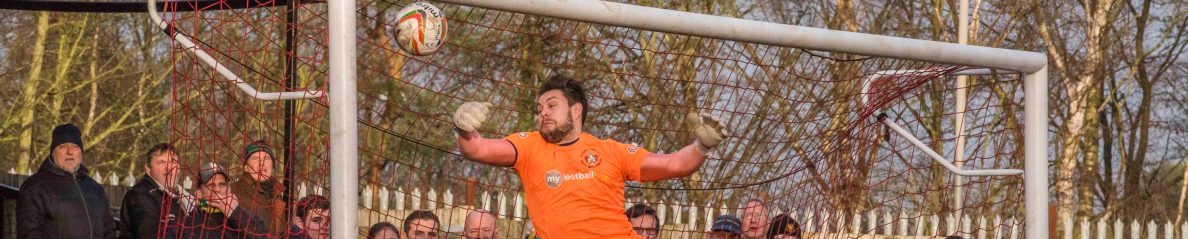
MY local non-league club has doubled its crowds over the past five years, despite being relatively unsuccessful and also one of the more pricey venues to watch football at step three or four level. What’s more, the nature of the audience has changed, young fans chant and play drums and there’s far more women at the stadium than ever before. The demographic of the average fan has altered from a very worrying 50-plus to at least 10 years younger.
These changes were much needed, for any club claiming to be “community” driven has to include all segments of the locality, which the club never really did. At one stage, it looked as though the fanbase would simply die out, but a number of factors have resulted in this transformation at the club. For a start, new blood has introduced a younger influence on the club, a long overdue aspect has brought a more contemporary feel to the stadium and the club’s activities. Secondly, the club has plugged into the requirements of more recent generations – better food, craft beer and merchandise that the new breed of fan just cannot get enough of. The stadium has never looked better in my opinion, with new terracing, better fencing and a toilet block that ups the hygiene levels considerably and is far more practical.
All of these improvements have made the ground a far better place to visit, but the new fans appear to have little in common with the legacy supporters. Cynicism was rife among older fans for decades, a symptom of years of over-expectation and under-performance, but there’s a more cheery, optimistic air about the recent arrivals to the club. Win, lose or draw, they applaud the team as if they have won a major honour and some even sing the names of players, which is no mean feat considering how often those names can change.
Overall, though, the crowd has a different composition than the past and in some ways, reflects the altering shape of the town itself. There’s an element of the population who seem to believe their adopted home town is a location from a Richard Curtis film. True, television crews are not an unusual sight around town and retail outlets have been slowly replaced by expensive coffee shops, of which there are many. Artisan bakeries have also appeared, another sign of the gentrification of any town. This is, of course, all good news for those that own properties or like sour dough, but increasingly, young natives are being driven out or remain at the mercy of the landlord class.
But if it works, it works. There’s a tame MP who claims to be a life-long fan and there’s also a club chaplain, not to mention people with their dogs. The days of collective moaning at the ground are over and there’s a genuine atmosphere of anticipation when the crowd filters into the stadium. But the club is no longer the property of its traditional support base, but a recalibrated place for what are predominantly middle-class folk eager to attach themselves to the local football club. The post-pandemic reaction may have had something to do with it, but the pricing models of big-time football have undoubtedly played their part. That’s why the crowds have doubled, as the town has grown in stature, the team from across the common has also become a little more fashionable. It has to be said that it has given the club a brighter future.
Photo: Peter Else

Published by