Phase Two: Why future of Newcastle United looks more Borussia Dortmund than Manchester City

Eddie Howe’s emotional departure closes the first chapter for this Newcastle United ownership era.
Matthias Jaissle’s arrival begins the second.
Howe leaves having achieved far more than most of us imagined possible when he took over a team staring at relegation.
He restored pride, reconnected us supporters with the club after the years of Mike Ashley neglect, returned Newcastle United to the Champions League and delivered the unforgettable Carabao Cup win.
Phase One was about saving Newcastle United, stabilising the club and proving that success was possible again. Two cup finals and two Champions League seasons gave us renewed belief that this is where we belong. Yet, over the past year, that momentum has stalled.
Phase One laid the foundations.
Phase Two must now build something more sustainable.
That means refreshing the squad, developing the next generation and finally delivering the off-field transformation we were promised: a world-class training ground, a stadium fit for the club’s ambitions and commercial revenues capable of supporting regular competition at the top.
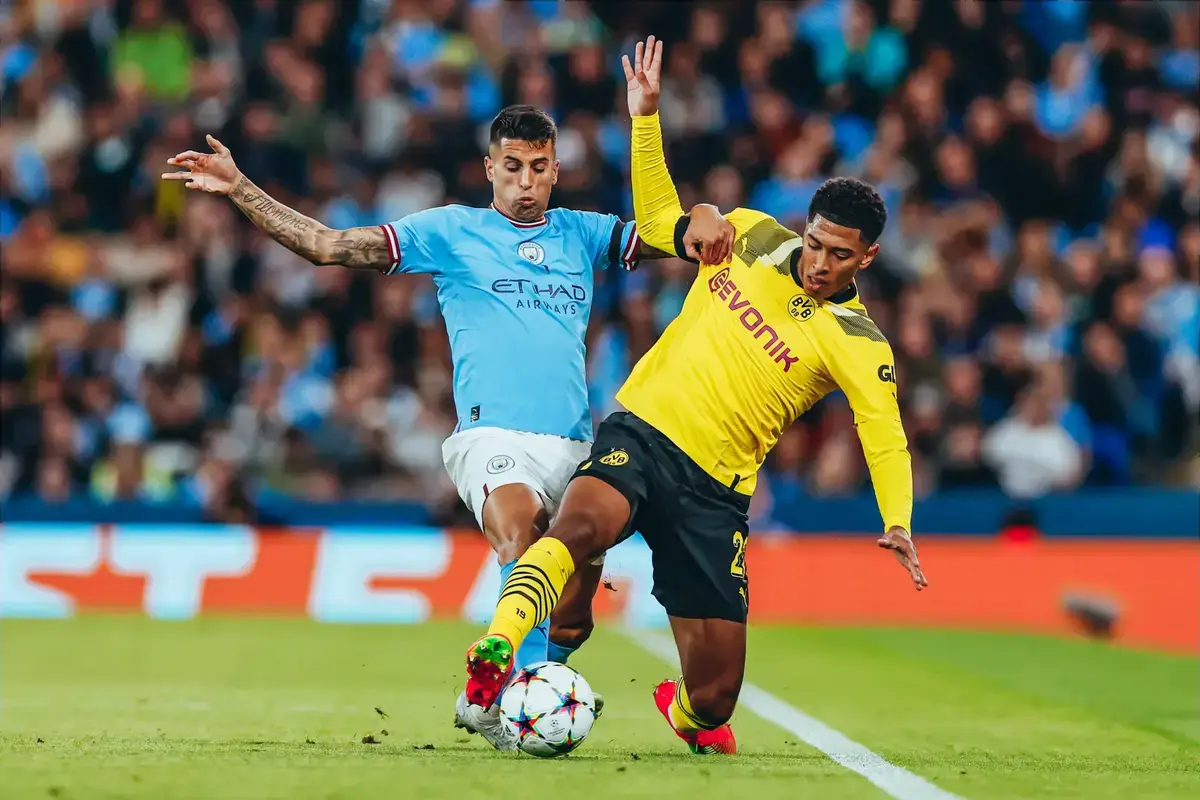
Jaissle could be the ideal coach for that next phase: at Red Bull Salzburg, he worked within a system designed to identify outstanding young talent, develop it quickly, challenge for trophies and then reinvest when Europe’s biggest clubs inevitably came calling. It is broadly the Borussia Dortmund model, and it may now be the most realistic route available to Newcastle United.
Many supporters and much of the media expected something closer to Manchester City’s trajectory. Whilst I personally hoped we would build slowly to avoid accusations of “buying success”, we didn’t invent that ‘overnight success’ expectation ourselves. Yasir Al-Rumayyan spoke about Newcastle United becoming the number one club in the world, while David Hopkinson talked about being the best football club by 2030. Those statements understandably encouraged us fans, the players and Howe himself to believe Newcastle would move rapidly towards the elite. The message from the club was clear: dream big. Few of us needed encouragement.
Five years on, the ambition remains, but progress away from the pitch has not matched the rhetoric.
That is partly because the landscape changed almost immediately after the takeover. Financial rules limit what Newcastle can spend on players. APT rules restrict how quickly commercial revenues can grow. Any major stadium project must navigate planning sensitivities surrounding St James’ Park, Leazes Park and the listed buildings and historic environment nearby.
Add to that the fact every decision carries risk: get recruitment wrong and the new rules can punish the club for years; get the stadium wrong and Newcastle live with the consequences for generations. This will add extra hesitancy to an already slow PIF approval process.
This combination of internal caution and external red tape has meant the intended timeline has slipped.
That matters because Eddie Howe and many of the players signed bought into exactly the same vision that supporters did. They believed Newcastle United would quickly acquire the infrastructure, commercial power and spending capability to compete consistently with Europe’s elite. It hasn’t happened yet and, without it, Newcastle risk becoming occasional challengers rather than permanent members of Europe’s elite. A year ago, it genuinely felt as though we were only one or two signings away from competing for the top honours. We were agonisingly close.
Eddie Howe would no doubt have continued improving players, as he always has. The issue wasn’t his ability to develop players; it was whether the wider project was developing quickly enough around him. Yet perhaps the spark that defined his first four years had begun to fade. Sometimes a manager and a club simply reach the end of a chapter together.
Matthias Jaissle now arrives with experience of the kind of cycle the club and us fans may need to embrace. Hopefully he can keep our next group together long enough to challenge for something before selling the cream of the crop at their highest value to help reinvest in the next generation. One more year together could be the difference between another transition or another trophy.
It sounds simple. Last season showed how easily it can unravel. Alexander Isak’s decision to force a move away, despite Newcastle United qualifying for the Champions League, disrupted the planned cycle. Instead of holding the strongest group together for one more attempt at winning something, Newcastle were forced into reactive recruitment. Strategic signings became panic buys. Some arrived too late to settle. Others looked like square pegs in round holes. Players who may yet prove to be good purchases were introduced into chaos rather than stability.
That experience taught Newcastle United an uncomfortable lesson, one we have witnessed this summer – under the current rules, the club cannot afford to sell only ageing or unwanted players. Successful trading means occasionally selling a star in his prime, when his value is at its highest. That is how Dortmund and Salzburg have repeatedly funded their next generation.
Which brings us to Bruno Guimarães.
From a purely financial perspective, this may be the right time to sell him. Yet football is not played on a spreadsheet. Bruno is more than Newcastle’s best midfielder. He is the emotional face of Phase One. He was the first genuinely elite young player to believe in the project. His arrival made the takeover feel real. He embraced the city, understood the supporters and became the heartbeat of the team. His tears at the final whistle of the Carabao Cup win mirrored our own and became one of the defining images of Phase One. Losing him would mean more than losing a valuable player. It would feel like losing the most recognisable symbol of everything Newcastle hoped the takeover would become.
Kieran Trippier was retained until his contract ended because his leadership and importance could not be measured simply by a transfer fee. Bruno may belong in the same category. If he wants to remain at Newcastle United, I would keep him. Perhaps that is not the most efficient business decision, but football clubs should exist to create memories over transfer profits. If he does leave, Newcastle must sell on their terms.
A move to Real Madrid would feel easier to accept. They are one of the very few clubs that genuinely sit at the top of football’s food chain.
An Arsenal move would be harder to stomach, but it should not erase what Bruno has given us, provided they meet Newcastle’s valuation rather than this continued attempt to lower it through media briefings and public courting.
Bruno has served Newcastle magnificently and deserves the chance to compete for more trophies. If the terms suit the club, supporters should thank him rather than resent him. Bruno has earned enormous goodwill, but it is not inexhaustible. If it ultimately becomes clear that those acting on his behalf have helped engineer this saga behind the scenes, supporters will inevitably draw comparisons with the Isak situation, whether fairly or not.
The bigger question is whether the next group will be allowed enough time to mature together. Can Newcastle identify the next Bruno, develop him and keep him for the season when everything finally clicks? Or will financial restrictions force another sale just as the team becomes capable of challenging? That is the balance Jaissle and the recruitment team must master. Recognising when to sell at peak value rather than doing so too early (Anderson, Minteh and Hall, if he goes this summer) or too late (Targett, Pope, Willock, Murphy – no disrespect intended).
Perhaps players joining this new Newcastle United must understand from the beginning that the club may be part destination and part launchpad – living in that uncomfortable space between being a stepping stone club and a genuine final destination. In return, Newcastle need those players to show enough patience to give the team a genuine opportunity to win together before flying the nest.
Eddie Howe’s departure does not mean the original project has failed. It means Phase One has ended. This may not have been the route originally envisaged, but modern football has a habit of changing even the best-laid plans.
Five years ago, many imagined Manchester City.
Five years later, the future looks more like Borussia Dortmund or Red Bull Salzburg.
Recruit intelligently.
Develop relentlessly.
Challenge fiercely.
Sell reluctantly.
Then go again.
Under today’s financial rules, that may not be a compromise at all. It may simply be the smartest path available while Newcastle United continue building the infrastructure needed to compete permanently with Europe’s elite.
The dream has not changed.
The route to getting there has.