

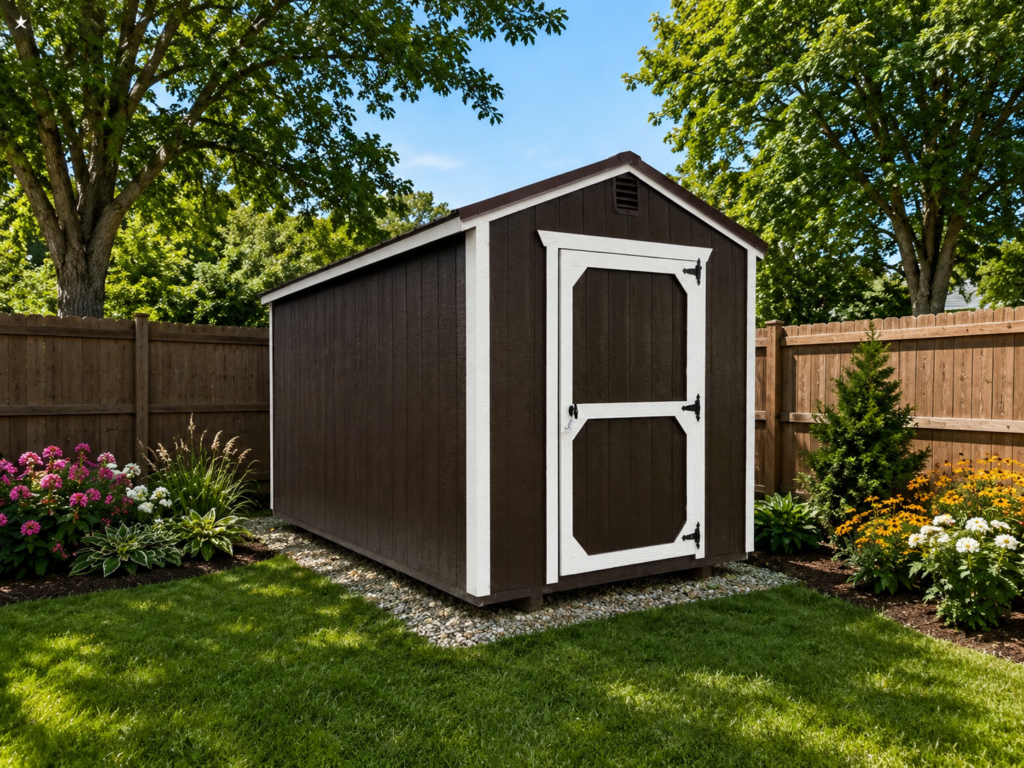
If you have a yard that keeps collecting gear and no good place to put it, an outdoor utility shed is one of the most practical structures you can add to your property. These sheds are built tougher than a basic storage box, they have enough headroom to stand up in, and they come in sizes that fit a real workshop or a serious tool collection without taking over the yard. The beauty of a structure like this is that it gives you a separate, finished room that is not the garage and not the basement, which means the mess stays outside the house and the work gets done somewhere you can actually spread out.
The trick is matching the use to the way you live. A shed that sits empty is a missed opportunity, and a shed that is set up for a specific purpose becomes the most used square footage on your property. Here are ten creative ways people are putting these utility sheds to work, with notes on what each one needs to actually function well.
1. A Serious Tool Storage and Workshop Space
This is the most common use, and it is the one most people picture first. A utility shed gives you a dry, lockable place to keep a riding mower, a chainsaw, hand tools, and all the gear that does not belong in a garage that is already full of cars and bikes.
The key to making tool storage work is layout. Leave a wide center aisle so you can back a mower or a cart in without sideswiping shelving. Put heavy items on the floor along the walls and lighter items up on shelves or hooks. A pegboard wall for hand tools keeps everything visible and off the bench, and a locked cabinet inside the shed gives you a secure spot for the things you do not want sitting out. A real workbench at standing height turns the shed from storage into a workspace, and a vise mounted on the corner gives you a third hand for repairs.
2. A Potting and Garden Station
If you garden seriously, you know the mess that comes with it. Soil bags, trays of seedlings, pots, tools, and bags of fertilizer take over a garage or a back porch in a hurry. A utility shed set up as a potting station gives all of that a home and keeps the mess out of the house.
A potting bench at standing height is the centerpiece. Build one along a wall with a window above it for light, and put a shelf underneath for soil and trays. A deep utility sink makes washing pots and tools far easier, and a pegboard for hand tools keeps them off the bench. If you start seeds inside, add a small heat mat and a grow light and you have a setup that extends your growing season by weeks. A sealed floor that sweeps clean is a must, because potting soil gets everywhere.
3. A Home Office That Actually Lets You Focus
If you have been working from the kitchen table for the last few years, you already know the problem. There is no door to close, the dishwasher runs during calls, and the line between work and home blurs until it disappears. A utility shed converted into a home office solves all of that in one move.
You want plenty of natural light, so plan for at least two windows on different walls to cut down on screen glare. Run power for a desk, a monitor, and a small heater or air conditioner. Insulation matters here more than you might think, not just for comfort but for sound. A well insulated shed is quiet, and quiet is what makes a video call feel professional. Add a small bookshelf and a comfortable chair that is not your desk chair, and you have a workspace you actually want to walk out to in the morning.
4. An Art or Craft Studio With Room to Make a Mess
Anyone who paints, sews, throws pottery, or does any kind of craft knows the worst part is not the craft itself but the cleanup and the constant putting away of supplies. A dedicated studio means you can leave a project half finished on the table and come back to it the next day without clearing everything off for dinner.
For a studio, prioritize lighting. North facing light is the gold standard for art because it is even and does not shift color as the day goes on. If that is not possible, add full spectrum overhead fixtures. A deep utility sink makes cleanup far easier, and open shelving along one wall keeps supplies visible and reachable. Skip carpet and go with a sealed wood or concrete floor that can take a spill, and put a small rug only where you stand for long stretches.
5. A Home Gym
This is one of the most underrated uses for a utility shed, and it is a great fit for anyone who has stopped going to a commercial gym but still wants a real place to train. A shed gives you the floor space for a rack, a bench, a barbell, and a set of dumbbells, plus room to move around them.
The floor is the main thing to get right. A bare wood or concrete floor is hard on dropped weights and on your joints, so lay down thick rubber stall mats across the training area. Insulate the walls and add a small heater or a mini split so you can train in winter without freezing and in summer without overheating. A small fan and a mirror on one wall finish it off. Keep the layout open and you will be surprised how much fits in a 10 by 12 space.
6. A Workshop for Woodworking or Repairs
A utility shed makes a surprisingly good workshop for someone who does not need a full garage bay. The walls are solid enough to hang tool storage on, the floor takes a workbench without complaint, and the size forces you to be organized, which is a virtue in a shop.
Ventilation is the big one here. If you are cutting wood, soldering, or using any kind of finish, you need a way to move air through the space. A window fan pulling out and a cracked door letting fresh air in is the minimum. A small dust collection setup is worth the money if you are doing any real woodworking. Run plenty of outlets along one wall so you are not tripping over extension cords, and put the workbench under a window so you have light on whatever you are building.
7. A She Shed or Backyard Retreat
Not every shed has to be a workspace. A growing number of people are finishing theirs out as a personal retreat, a quiet room away from the house that is used for reading, napping, crafting, or just sitting without a phone. The she shed idea is the same as a man cave, just with a different look inside.
For a retreat, insulation and climate control are what make it usable year round. Add a small wall heater or a mini split, a comfortable chair, a rug, and the lighting you actually like rather than a single overhead bulb. A small table and a shelf for books or supplies is all the furniture you need. The point is a room that feels different from the house, so keep the finishes simple and personal and skip anything that reminds you of a storage space.
8. A Hobby and Craft Room
A utility shed is the right size for a hobby that has outgrown a spare bedroom. A sewing setup, a quilting frame, a scrapbooking station, a painting easel, or a small ceramics setup all fit comfortably, and the best part is that you can leave a project out without clearing it away for dinner.
The setup depends on the hobby, but a few things apply across the board. Lighting should be bright and even, and if you do detail work, add a task light at the bench. Storage along one wall keeps supplies visible and reachable, and a deep sink is a real luxury if your hobby involves any kind of cleanup. Climate control matters for supplies like fabric, paper, and paint, which do not like extreme heat or humidity.
9. A Pool House or Outdoor Gear Storage
If you have a pool or a big yard, you know how much gear comes with it. Towels, floats, chemicals, skimmers, and cleaning tools pile up on a patio or in a corner of the garage. A utility shed set up as a pool house gives all of that a home and keeps the wet mess out of the house.
For a pool house, you want a spot to hang wet towels, a shelf for chemicals that is locked and out of the sun, and hooks for floats and skimmers. A small bench for changing and a mirror on the wall make it feel like a real changing room. Insulate it if you want to use it past the summer, and add a small fan to keep air moving so the space does not get musty when it is closed up.
10. A Bunkhouse for Kids or Grandkids
If you have a big family or you host a lot, a utility shed set up as a bunkhouse is a great way to give kids their own space when they visit. It is also a useful overflow room when the house is full for a holiday or a reunion.
A bunkhouse is simple by design. Bunk beds along one wall, a small dresser, a rug, and a light. You do not need a bathroom if the shed is close to the house, but you do want insulation and heat so it is usable past the summer. Add a small table and a couple of chairs and it becomes a place where kids can play a game or read without being underfoot, which is good for them and good for you.
A Few Things That Apply to All of These
No matter which use you pick, a few upgrades pay off across the board. Insulation and a real heat source turn a three season shed into a four season space. A dedicated electrical circuit means you can run a heater, a tool, or a small appliance without tripping a breaker. A solid door and good locks protect whatever you put inside. And a small porch, even a basic one, gives every one of these uses a transition space that makes the shed feel like a real room rather than a storage box.
The best use is the one that solves a real problem for you. If your garage is full, build a tool shed. If you work from home, build an office. If you have a hobby that has taken over the house, build a studio. The structure is the same. What you put inside it is what makes it work, and a good utility shed is what puts that structure on your land without the wait or the cost of a full addition.


