Pantry Pests Singapore – Greencare Pest Control & Cleaning


Identification, food contamination prevention, and professional pest control
Common Pantry Pests in Singapore: Identification Guide
Rice Weevils
Size: 1/16 to 1/8 inch long
Color: Reddish-brown
Distinctive: Long snout, bore into whole grains
- Target: Whole rice, grains, seeds
- Lifecycle: 30-40 days
- Entry: Inside grain packaging
- Damage: Bore holes, visible larvae
Flour Beetles
Size: Few millimetres long
Color: Reddish-brown
Types: Red flour, confused flour beetles
- Target: Flour, broken grain, cereal
- Lifecycle: 7 weeks (fast reproduction)
- Entry: Through damaged packaging
- Damage: Consume, leave foul odor
Pantry Moths
Size: ½ inch larvae
Color: Pale yellow-brown caterpillar
Types: Indian meal moth, grain moth
- Target: Grains, dried fruit, seeds
- Lifecycle: 25 days (fastest!)
- Entry: Eggs in packaging
- Damage: Webbing, feces contamination
Why Singapore’s Climate Creates Perfect Pantry Pest Breeding
Warm, humid conditions enable rapid multiplication year-round
- Temperature ideal: In a country with humid weather like Singapore, weevils thrive in warm and moist storage areas. Singapore’s 27-32°C year-round matches pest breeding requirements perfectly.
- Humidity acceleration: In Singapore’s heat, they can breed quickly all year round. Tropical humidity accelerates egg development and larval growth.
- No seasonal break: Unlike temperate climates, Singapore provides no winter dormancy. Pantry pests multiply 12 months continuously.
- Sealed storage risk: Weevils thrive in warm and moist storage areas, especially if pantry items are not tightly sealed. Closed cabinets trap moisture, creating ideal breeding habitat.
- Rapid lifecycle exploitation: Indian meal moth 25-day lifecycle means 14+ generations per year. Single infestation becomes thousands rapidly.
Food Contamination Risks & Health Impacts
Pantry pests contaminate food and trigger health reactions
- Food waste reality: While technically safe if cooked properly, it is best to discard rice with weevils to avoid contamination and preserve hygiene. Health authorities recommend complete discard.
- Foul taste and odor: Adult females can lay almost 300 to 500 eggs. These beetles consume and contaminate food, leaving foul odor and taste to the products they infest in. Contaminated food becomes inedible.
- Waste product contamination: Adult moth doesn’t cause damage but larvae produce feces and webbing while feeding on product, making it gross for human consumption. Fecal matter mixed throughout food.
- Allergic reactions: Presence and waste products can trigger allergies and asthma. Sensitive individuals react to pest proteins and fecal dust.
- Bacterial contamination: Some pests may carry harmful bacteria. Food safety risk from pathogenic organisms.
- Unnecessary food waste: While weevils don’t bite or transmit diseases directly, they can contaminate food and make it inedible. Economic loss from discarded groceries.
How Pantry Pests Enter Your Home & Spread
Primary Entry Routes
- Already-infested groceries: The most common route is through already-infested packaged food from the supermarket. Eggs already developing in grains.
- Inside packaging: Female weevils lay eggs inside whole grains, and by the time you bring the food home, the larvae are already developing inside the kernels.
- Cracked packaging: Damaged boxes and bags allow pest entry and escape.
- Pantry cracks/gaps: Small openings in cabinets, wall cracks enable entry from outside.
Spread Pattern
- Cross-contamination: Once inside, they multiply quickly, hiding in tiny crevices and spreading to other food items.
- Hidden nesting: These beetles hide in tiny crevices and can spread to multiple adjacent food containers. Infestation invisible until major.
- Rapid expansion: A flour beetle infestation usually starts in one packet and spreads through the pantry if not dealt with.
- Multi-container risk: Single infested item contaminates entire shelf if not isolated immediately.
Signs of Pantry Pest Infestation: Early Detection
Early detection prevents major infestation and food waste. Watch for these indicators:
- Visible insects: Small brown beetles crawling in or around flour, cereal or grain packets. Even single sighting requires immediate action.
- Webbing in food: Indian meal moth larvae produce webbing while feeding in product. Silken threads indicate active larvae.
- Holes in grains: Once they mature, adult weevils bore their way out, creating visible exit holes in rice/grains.
- Dead insects: Dead beetles or moths in cupboards, shelves, or food containers.
- Flour discoloration: Flour with unusual color, texture, or small holes throughout.
- Food smell change: Unusual, musty, or sour odors from stored grains or flour.
- Fecal dust: Fine dust or dark specks mixed in flour or grains (pest feces).
Pantry Pest Prevention: Storage & Food Handling Strategies
Storage Solutions
Store grains in airtight containers, and freeze new dry goods before storing. Professional strategies:
- Airtight containers: Glass or plastic containers with tight-fitting lids. Seal completely.
- Freezing grains: Placing products in the freezer for a few days will eliminate any larvae or eggs present. Kills all life stages.
- Elevated storage: Keep containers off pantry shelves to prevent pest access from below.
- Labeling system: Date all containers. Identify and remove outdated products first.
- Separate storage: Keep high-risk items (grains, flour) separate from dry goods (spices, pasta).
Cleaning & Inspection
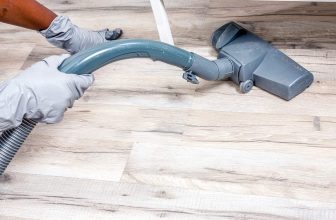
Vacuum pantry shelves regularly to remove food crumbs or debris. Wipe down shelves with mild detergent, cleaning under and around containers where pests might hide.
- Regular vacuuming: Weekly pantry shelf vacuum removes crumbs attracting pests.
- Deep cleaning: Monthly shelf wiping with detergent removes pest residue.
- Under appliances: Clean behind refrigerator, oven, and cabinet gaps where pests hide.
- Monthly inspection: Check all stored items monthly for signs of infestation.
- Immediate disposal: Throw away any infested food immediately. Be thorough checking everything in your pantry.
Professional Pantry Pest Control Treatment
When DIY prevention fails, professional intervention necessary
- Professional assessment: Beetles keep returning despite discarding food and deep-cleaning? Spread beyond kitchen into other rooms? Can’t find source? A persistent or spreading infestation may indicate hidden source where professional pest control can help locate and treat it.
- Inspection depth: Professional thorough inspection finds hidden breeding sources (inside walls, behind appliances, ceiling voids, storage cabinets) DIY methods miss completely.
- Treatment methods: Find route of entry, discard infested food, treat with both residual insecticides and traps. For large infestations, spray with approved pesticides providing weeks of protection.
- Pheromone monitoring: Pheromone-monitoring systems may be placed to detect if stored product pests came from outdoors, identifying ongoing external pressure.
- Follow-up verification: Professional returns within 2-3 weeks to verify treatment effectiveness and address any new activity.
- Documentation: Professional provides treatment documentation for insurance and food safety compliance purposes.
DIY Prevention vs Professional Treatment
- DIY limitations: Keep in mind that natural and DIY pest control methods are not always effective. Cleaning and storage prevent new infestations but cannot eliminate established populations in hidden locations.
- Professional necessity: When a rice weevil infestation becomes overwhelming, calling a professional pest control company ensures thorough and effective beetle and weevil pest control solution.
- Timeline: DIY approach = weeks to months of ongoing problems. Professional = 2-3 week complete elimination with follow-up.
- Completeness: DIY misses hidden larvae in cracks, wall voids, and within sealed containers. Professional treatment accesses all locations.
- Cost consideration: Food waste cost + time investment vs professional single treatment = professional more economical long-term.
Frequently Asked Questions
Are pantry pests harmful to human health?
Weevils do not bite humans; they are primarily a nuisance due to their infestation in stored food. However, their fecal contamination, waste products, and webbing can trigger allergies and asthma in sensitive individuals. Food contamination is the primary health concern.
What’s the fastest-reproducing pantry pest?
Indian meal moth lay eggs on food materials. Once hatched, larvae burrow into food with a short lifecycle of just 25 days. This fastest lifecycle means infestations explode rapidly. Professional treatment essential to break breeding cycle.
Can I prevent pantry pests completely?
Prevention significantly reduces risk but cannot guarantee complete prevention since pests enter through purchased groceries. Pantry pests can enter through contaminated groceries or small cracks and openings. Combined prevention (airtight storage, freezing, cleaning, professional monitoring) achieves best results.
How long does professional pantry pest treatment take?
Professional inspection: 1-2 hours. Initial treatment: 2-3 hours depending on infestation severity. Follow-up visits: 2-3 weeks later for verification. Complete elimination typically 3-4 weeks with 2 professional visits.
Professional Pantry Pest Inspection & Control
Pantry pests multiply rapidly in Singapore’s tropical climate — Indian meal moths complete lifecycle in 25 days. DIY cleaning misses hidden breeding sources inside walls and sealed containers. Professional inspection identifies exact infestation type and scope, targets breeding sites, eliminates hidden populations, and prevents recurrence. Protect your food and family today.