Your Seasonal Pest Prevention Calendar: Year-Round Guide iPest Solutions | Waco, San Antonio, College Station

Pest prevention works best when it follows the seasons. Spring brings ants and termites, summer ushers in mosquitoes and wasps, fall signals rodent migration indoors, and winter creates ideal hiding conditions for cockroaches and spiders. A month-by-month plan helps homeowners stay ahead of infestations before they take hold.
Most pest problems don’t start overnight. A single ant trail in March becomes a colony behind your kitchen cabinets by May. The mosquitoes ruining your July backyard barbecue started breeding in standing water back in June. By the time most people notice a pest problem, it has already been developing for weeks—sometimes months.
The good news? Pests are creatures of habit. They follow predictable seasonal patterns driven by temperature, moisture, and food availability. That predictability is your biggest advantage. A proactive, calendar-based pest prevention strategy gives you a structured plan to close entry points, eliminate attractants, and disrupt pest activity before it escalates into a full infestation.
This guide breaks down what pests to expect each season, what conditions attract them, and—most importantly—what you can do each month to keep them out. Think of it as your year-round playbook for a pest-free home.
Why Seasonal Pest Prevention Outperforms Reactive Treatment
Reactive pest control—calling an exterminator after you spot the problem—is expensive, stressful, and often incomplete. Seasonal prevention targets pests during their most vulnerable stages: before they’ve established nesting sites, before populations have exploded, and before structural damage has occurred.
According to the National Pest Management Association (NPMA), pest infestations cost U.S. homeowners billions of dollars annually in property damage and treatment costs. Termites alone cause an estimated $5 billion in damage each year. Prevention is measurably cheaper than treatment, and for wood-destroying insects like termites and carpenter ants, it’s often the only way to avoid serious structural harm.
Seasonal prevention also aligns with how pests actually behave. Most insects and rodents are temperature-sensitive. Their breeding cycles, feeding patterns, and migration behaviors shift with the calendar—which means your prevention strategy should, too.
Spring Pest Prevention (March, April, May): What’s Waking Up?
What pests emerge in spring, and why?
Spring is prime time for pest activity. As temperatures climb above 50°F, insects that spent winter in dormancy—or deep inside your walls—begin to stir. Moisture from spring rain creates ideal breeding conditions, and newly blooming plants attract a wave of insects eager to feed.
Common spring pests include:
- Ants — Odorous house ants and carpenter ants begin foraging as soon as soil temperatures rise. Scout ants explore kitchens and bathrooms searching for food and water sources.
- Termites — Spring is swarming season. Termite swarmers (winged reproductives) emerge to establish new colonies, often mistaken for flying ants.
- Stinging insects — Queen wasps and hornets emerge from hibernation in March and April to begin building nests.
- Mosquitoes — In warmer climates, mosquito eggs laid the previous fall begin hatching as water temperatures rise.
Month-by-month spring pest prevention checklist
March
- Inspect your home’s foundation for cracks, gaps around utility pipes, and deteriorating caulk. These are primary entry points for ants and other crawling insects.
- Clear dead leaves and debris from gutters, which trap moisture and create nesting habitat for carpenter ants and termites.
- Check crawl spaces and basements for moisture. Install a dehumidifier if humidity levels consistently exceed 50%.
April
- Walk your property perimeter and look for mud tubes along your foundation—a telltale sign of subterranean termite activity.
- Eliminate standing water in plant saucers, clogged gutters, bird baths, and low-lying lawn areas. Mosquitoes need as little as half an inch of standing water to breed.
- Trim tree branches and shrubs touching your roofline. Overhanging vegetation acts as a bridge for ants, rodents, and squirrels.
May
- Apply a perimeter barrier treatment around your home’s foundation, focusing on entry points and soil-to-wood contact areas.
- Check wooden decks, fences, and outdoor furniture for soft, spongy wood—a sign of moisture damage that attracts carpenter ants and termites.
- Inspect window and door screens for tears and repair them before summer insects are in full force.
Summer Pest Prevention (June, July, August): Peak Season Strategies
Which pests are most active during summer months?
Summer is the most intense pest season for most U.S. regions. Heat accelerates insect reproduction cycles, meaning populations that were manageable in May can reach infestation levels by July. This is also when food-seeking pests become most aggressive, as competition for resources increases.
Common summer pests include:
- Mosquitoes — Peak breeding and biting season. Female mosquitoes can lay up to 300 eggs every three days in warm conditions.
- Wasps and yellowjackets — Colonies grow through summer, becoming larger and more defensive by August.
- Cockroaches — American and German cockroaches thrive in heat and humidity, particularly in kitchens, bathrooms, and areas with plumbing.
- Fleas and ticks — Reach peak activity in June through August, hitching rides on pets and wildlife.
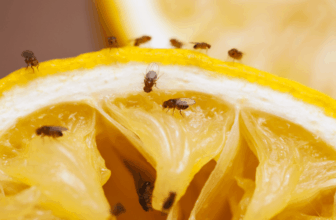
- Fruit flies — Overripe fruit, fermented liquids, and compost bins attract fruit flies rapidly in summer heat.
Month-by-month summer pest prevention checklist
June
- Treat standing water in ponds and water features with Bacillus thuringiensis israelensis (Bti), a natural bacterial larvicide that kills mosquito larvae without harming wildlife.
- Inspect your attic for wasp nests, which are easier to treat when colonies are still small. Look for papery, umbrella-shaped structures in rafters and eaves.
- Keep compost bins sealed and positioned away from your home’s exterior.
July
- Store pantry items—especially grains, cereals, and sugar—in airtight containers to eliminate cockroach and pantry moth food sources.
- Check pets for fleas weekly. Wash pet bedding in hot water and vacuum carpets frequently, disposing of vacuum bags immediately afterward.
- Apply an outdoor insect repellent barrier around patios, decks, and high-traffic lawn areas.
August
- Inspect your home’s exterior for new gaps or cracks created by summer heat expansion and contraction.
- Avoid leaving outdoor pet food bowls overnight—they attract cockroaches, ants, and potentially rodents.
- Reduce outdoor lighting near entry points. Bugs are attracted to light; switching to yellow-toned bulbs significantly reduces insect congregation near doors and windows.
Fall Pest Prevention (September, October, November): The Invasion Window
Why do pests try to enter homes in fall?
Fall is when pest prevention becomes most urgent for homeowners. As outdoor temperatures drop, insects and rodents begin actively seeking warm, sheltered environments to survive winter. Your home—heated, food-filled, and full of hidden voids—is exactly what they’re looking for.
This migration window, typically September through November, is the most critical period to seal entry points and remove attractants.
Common fall pests include:
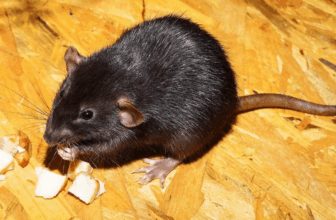
- Mice and rats — House mice can squeeze through a gap the size of a dime. Norway rats enter through gaps as small as half an inch. Both begin seeking indoor harborage in September.
- Stink bugs — Brown marmorated stink bugs aggregate on warm exterior walls in fall and slip inside through gaps around windows and doors.
- Cockroaches — German cockroaches, already established indoors, reproduce aggressively in fall as outdoor populations seek warmth.
- Spiders — Wolf spiders and cellar spiders move indoors to overwinter, often entering through ground-level gaps.
- Boxelder bugs — Like stink bugs, these insects cluster on south-facing walls in fall before slipping inside.
Month-by-month fall pest prevention checklist
September
- Conduct a thorough exterior inspection, focusing on gaps around utility lines, cable wires, dryer vents, and HVAC systems. Use steel wool and caulk to seal openings—rodents can chew through foam and rubber.
- Move firewood stacks at least 20 feet from your home’s foundation. Stored wood is a prime nesting site for rodents, cockroaches, and termites.
- Apply weatherstripping to doors and windows that show daylight around their edges.
October
- Install door sweeps on exterior doors, including garage doors. A quarter-inch gap beneath a door is enough for a mouse to enter.
- Check your attic insulation for signs of rodent nesting—droppings, shredded material, or gnaw marks on joists. Address any findings immediately before populations establish.
- Place rodent bait stations or snap traps along interior walls in garage and basement areas as a precautionary measure.
November
- Seal gaps around basement windows with silicone caulk and ensure basement vents are covered with fine mesh screening.
- Remove garden debris, dead annuals, and leaf piles close to your foundation. These materials insulate pests and allow them to survive colder temperatures near your home.
- Store seasonal outdoor furniture in sealed bags or containers to prevent spiders and overwintering insects from sheltering inside cushions.
Winter Pest Prevention (December, January, February): Don’t Let Your Guard Down
What pests are active inside homes during winter?
Many homeowners assume pest season ends when the cold arrives. It doesn’t—it moves indoors. Rodents that entered in fall are now nesting, reproducing, and consuming food inside your walls and attic. Cockroaches that established in warm areas of your home continue breeding regardless of outdoor temperatures. Overwintering insects hidden in wall voids wait for warmth to re-emerge.
Common winter pests include:
- Mice and rats — Already inside, rodents breed continuously indoors. A single female house mouse can produce up to 10 litters per year.
- Cockroaches — German cockroaches remain active year-round indoors, thriving near water heaters, under refrigerators, and behind dishwashers.
- Spiders — Most indoor spiders spend winter in undisturbed areas like closets, basements, and attics.
- Stored product pests — Indian meal moths and grain beetles found in improperly stored pantry goods remain active in heated homes throughout winter.
Month-by-month winter pest prevention checklist
December
- Before storing holiday decorations after the season, inspect boxes for signs of pest activity—droppings, chewed cardboard, or eggs. Store items in hard-sided plastic containers rather than cardboard.
- Check behind major kitchen appliances for cockroach activity. Look for small dark droppings, egg cases (oothecae), and a musty odor.
- Monitor any rodent traps placed in fall. Replace or reposition traps that show no activity; rodents may have established different travel routes.
January
- Inspect your attic monthly for rodent evidence, especially after heavy snowfall when outdoor food sources are scarce and indoor pressure increases.
- Reduce indoor humidity in bathrooms, laundry rooms, and basements. Cockroaches and silverfish require moisture to survive; dehumidification is a low-effort, high-impact deterrent.
- Audit pantry contents. Discard any open packages showing signs of contamination. Transfer vulnerable goods—flour, oats, nuts, dried fruit—into sealed glass or plastic containers.
February
- Begin planning your spring exterior treatments. Research local pest control professionals before the spring rush, when scheduling becomes difficult.
- Inspect foundation sills and crawl spaces for rodent gnaw marks or new entry points created by freeze-thaw cycles expanding existing cracks.
- Review your pest prevention strategy. What worked last year? Where did you spot problems? February is the right time to refine your approach before spring activity begins again.
How to Build Your Own Year-Round Pest Prevention Routine
A seasonal calendar is only effective when paired with consistent habits. The most pest-resistant homes share a few common characteristics: minimal clutter, controlled moisture, sealed entry points, and regular inspection.
Here’s a simple framework to maintain year-round:
Inspect monthly. Walk your home’s interior and exterior looking for new entry points, moisture sources, and pest evidence. Early detection prevents small problems from becoming major infestations.
Eliminate food and water sources. Most pest infestations are sustained by accessible food and standing water. Sealed containers, prompt spill cleanup, and functional drainage eliminate the conditions pests depend on.
Seal entry points seasonally. Caulk, weatherstripping, and mesh screening degrade over time. Inspect and renew these barriers each season, particularly after temperature extremes.
Work with a licensed pest control professional. Many homeowners benefit from a quarterly pest control service that applies targeted treatments aligned with seasonal pest pressure. Professionals also identify structural vulnerabilities that DIY inspections often miss.
Your Pest-Free Home Starts Before the Problem Does
Pests don’t take breaks—and neither should your prevention efforts. The month-by-month plan outlined here gives you a structured, proactive approach to managing pest pressure across every season. Spring ants, summer mosquitoes, fall rodents, winter cockroaches: each has a predictable window of activity, and each can be addressed before it becomes an emergency.
Start with the current month’s checklist. Even one or two targeted actions—sealing a gap, eliminating standing water, moving a firewood stack—can meaningfully reduce your pest risk. Consistency matters more than perfection. A home that’s regularly inspected and maintained is far less hospitable to pests than one that only gets attention after something goes wrong.
Frequently Asked Questions
What month should I start pest prevention?
Pest prevention should begin in late winter or early spring—ideally in February or March—before insects emerge from dormancy and rodents intensify their outdoor foraging. Starting early gives you time to seal entry points and eliminate attractants before pest populations peak.
What are the most common household pests by season?
Spring brings ants and termites. Summer is peak season for mosquitoes, wasps, cockroaches, and fleas. Fall signals rodent migration indoors, along with stink bugs and spiders. Winter pest activity moves inside, with mice, cockroaches, and stored product pests remaining active in heated homes year-round.
How do I keep rodents out of my home in fall?
The most effective rodent prevention involves sealing all exterior gaps larger than a dime with steel wool and caulk, installing door sweeps, removing outdoor harborage like firewood and debris piles, and placing snap traps or bait stations along interior walls in garages and basements before October.
Is DIY pest prevention effective, or do I need a professional?
DIY prevention—sealing entry points, eliminating food and moisture sources, maintaining yard hygiene—is highly effective for reducing pest pressure. However, active infestations, wood-destroying insects like termites, and recurring pest problems typically require professional treatment. A quarterly pest control service offers the best combination of prevention and professional monitoring.
How can I prevent mosquitoes without pesticides?
The most effective non-chemical mosquito control involves eliminating standing water where mosquitoes breed—including gutters, plant saucers, bird baths, and tarps. Bacillus thuringiensis israelensis (Bti) is a natural, non-toxic larvicide that can be used in water features and ornamental ponds. Outdoor fans on patios also reduce mosquito activity, as the insects are weak fliers.
When do termites swarm, and how do I identify them?
Subterranean termites typically swarm in spring, from March through May, during warm days following rainfall. Termite swarmers are often confused with flying ants. Key differences: termites have straight antennae, equal-length wings, and a thick waist, while flying ants have bent antennae, unequal wings, and a pinched waist.