The Role of Digital Payments in Tax Administration in India

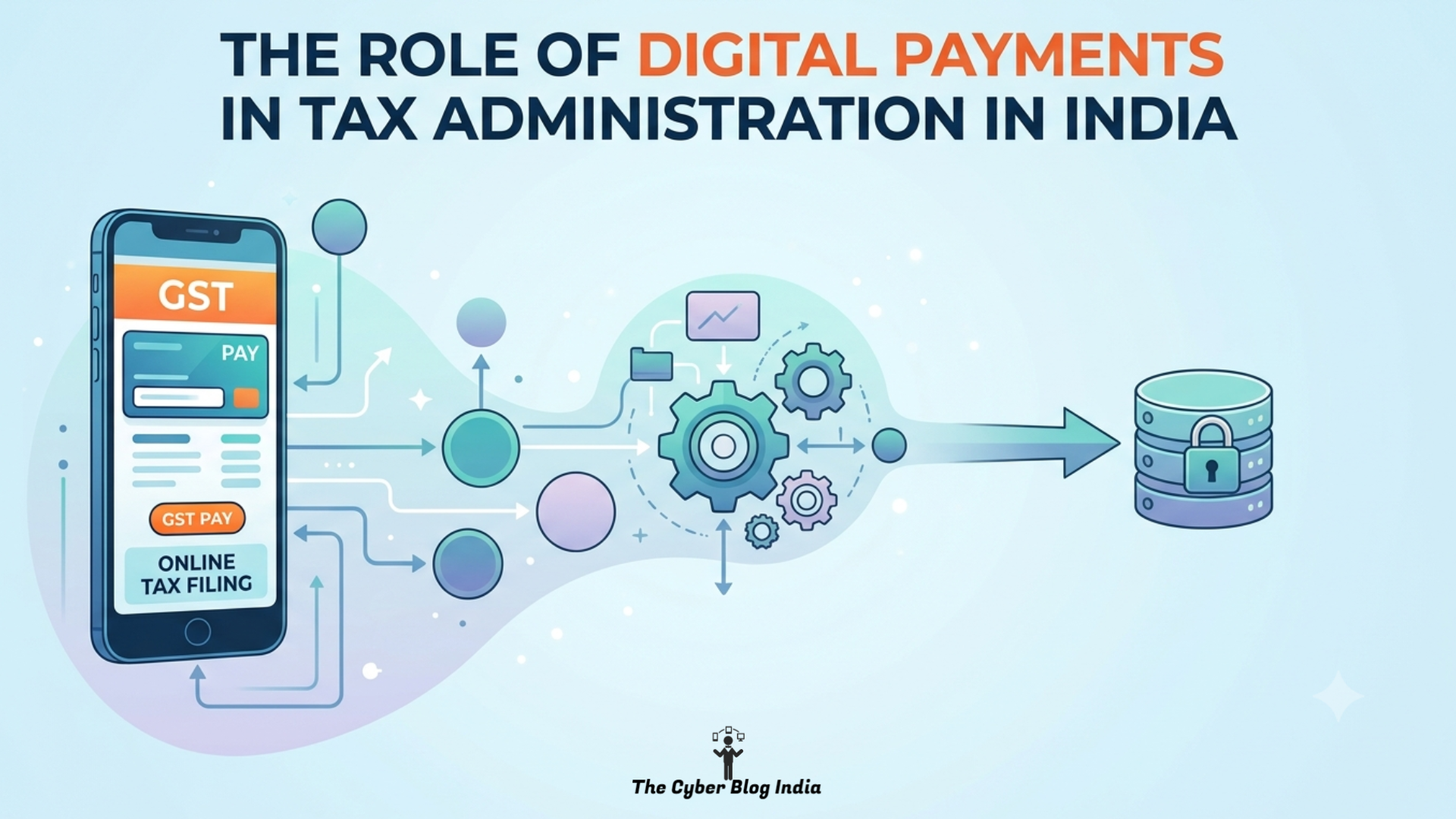
India has witnessed a major digital transformation in the financial sector during the last decade. The introduction of the Unified Payments Interface (UPI) has changed the way people make payments and transfer money. Today, digital payments are used for shopping, paying bills, receiving salaries, and conducting business transactions. Along with UPI, several FinTech platforms such as PhonePe, Google Pay, Paytm, Razorpay, and BharatPe have expanded financial services across the country. This rapid growth has increased the importance of digital transactions in the taxation system. Digital payment records help tax authorities track financial activities, improve transparency, and reduce tax evasion. However, the increasing use of digital platforms has also raised legal and regulatory concerns regarding tax compliance, data privacy, and cross-border transactions. Therefore, understanding the taxation and regulation of digital payments and FinTech platforms has become essential in India’s evolving digital economy.
Rise of UPI and FinTech Platforms
The launch of UPI by the National Payments Corporation of India (NPCI) in 2016 marked a significant development in India’s digital payment ecosystem. UPI allows users to transfer money instantly between bank accounts through mobile applications. Its simple interface, speed, and convenience have encouraged millions of individuals and businesses to adopt digital payments.
The growth of UPI has also created opportunities for private FinTech companies. These companies provide payment services, digital wallets, merchant solutions, lending facilities, and other financial products. Platforms such as PhonePe, Google Pay, and Paytm have become an important part of everyday financial transactions. FinTech companies have helped increase financial inclusion by providing easy access to digital financial services, especially in areas where traditional banking services were limited.
The Reserve Bank of India (RBI) plays a crucial role in regulating payment systems and ensuring financial stability. At the same time, NPCI manages and operates the UPI infrastructure. Together, these institutions ensure the security, efficiency, and reliability of the digital payment system. Their regulatory oversight has contributed significantly to the growth and success of India’s digital payment ecosystem.
Taxation of Digital Transactions
The increasing use of digital payments has strengthened the government’s ability to monitor financial transactions and improve tax compliance. Digital records create a transparent trail of transactions, making it easier for authorities to verify income and detect tax evasion. One important aspect of taxation is the application of the Goods and Services Tax (GST) on digital financial services. FinTech companies earn money through payment gateway charges, platform fees, merchant services, and other digital financial services. These services are generally subject to GST. For example, when a payment gateway charges a fee for processing a transaction, GST may apply to that service. Similarly, many platform-based services offered by FinTech companies are treated as taxable services under the GST framework.
Digital transactions also play an important role in income tax administration. Unlike cash transactions, digital payments generate electronic records that can be examined by tax authorities. These records help identify undisclosed income and ensure that taxpayers accurately report their earnings. As a result, digital payments have become an effective tool for improving tax collection and reducing the informal economy. Financial transparency is another significant benefit of digital transactions. Every transaction leaves a trace that can be verified when required. This transparency helps create greater accountability among businesses and individuals. It also supports government efforts to curb black money and promote a formal economy.
The Income Tax Act,1961, increasingly relies on transaction data for tax administration. Financial information collected from banks, payment service providers, and digital platforms can be used to assess compliance and identify discrepancies in tax filings. The use of digital transaction data enables tax authorities to conduct more efficient investigations and strengthen enforcement mechanisms. Consequently, digital payments have become closely connected with modern tax administration in India.
Digital Payments, Foreign Companies, and Tax Compliance
The growth of digital platforms has also created international taxation issues. Many foreign digital companies earn revenue from Indian users without having a physical office in India. To address this issue, India introduced the concept of Significant Economic Presence (SEP). Under this approach, a foreign company may be subject to tax if it has a substantial economic connection to India, even without a physical presence.
India also introduced the Equalisation Levy to tax certain digital services provided by foreign companies. The objective was to ensure that foreign digital businesses contribute to India’s tax system. Although global discussions on digital taxation continue, particularly through the Organisation for Economic Co-operation and Development (OECD), the issue remains important because countries are seeking to develop fair rules for taxing the digital economy.
Digital Payments and Tax Monitoring
The growing use of digital payments has made tax monitoring easier. Every digital transaction creates an electronic record that can be tracked and verified. This helps tax authorities identify unreported income and improve tax compliance. To manage this process effectively, India relies on institutions that supervise and enforce tax laws. One of the most important among them is the Central Board of Direct Taxes (CBDT). The Central Board of Direct Taxes (CBDT) is the main authority responsible for managing direct taxes in India, including income tax. It works under the Ministry of Finance and helps implement the provisions of the Income Tax Act, 1961.
The CBDT makes tax policies, issues guidelines, and supervises income tax authorities across the country. In the digital payment system, the CBDT uses information from banks and payment platforms to monitor financial transactions and improve tax compliance. It checks transaction records to identify unreported income and possible tax evasion. The CBDT also uses technology and data analysis to compare transaction details with taxpayers’ declared income. These measures help improve transparency, increase tax collection, and make the taxation system more efficient.
Regulatory and Legal Challenges
One of the major challenges in the taxation of digital payments is ensuring that FinTech platforms comply with tax laws. These platforms process millions of transactions every day and play an important role in the digital economy. Since they provide various financial services, they are required to comply with different tax obligations, including GST and reporting standards. Proper maintenance of transaction records is necessary because tax authorities rely on digital data to verify financial activities.
Any reporting error can lead to disputes, penalties, or revenue losses for the government. The rapid growth of digital transactions has also increased the burden on FinTech companies to maintain accurate records and comply with changing tax regulations. As digital payment systems continue to expand, effective tax compliance becomes essential for ensuring transparency, accountability, and efficient tax administration.
Another significant challenge relates to the taxation of cross-border digital transactions. Many digital services are provided by foreign companies that operate through online platforms and earn income from Indian users. However, these companies may not have a physical presence in India. This creates difficulties in determining tax liability and identifying the country that has the right to tax such income. Traditional tax rules were designed for businesses with a physical presence, making them less effective in the digital economy.
As a result, tax authorities often face challenges in applying existing laws to modern digital business models. The growing use of digital platforms has increased the number of such transactions, making the issue even more important. Therefore, governments and regulatory authorities must continuously update taxation frameworks to address these challenges. A clear and effective legal framework can help ensure fair taxation while supporting the continued growth of digital payments and FinTech services.
Conclusion
Digital payments have become an important part of India’s financial system and have significantly influenced tax administration. The use of digital records has improved transparency, strengthened tax monitoring, and made compliance easier for both taxpayers and authorities. At the same time, the rise of FinTech platforms and cross-border digital services has challenged traditional tax rules, underscoring the need for a modern legal framework that can adapt to technological developments.
As India’s digital economy continues to expand, taxation laws must evolve alongside it. Future reforms should focus on greater clarity, improved coordination among regulatory authorities, and ensuring that tax rules remain effective in a rapidly changing digital environment. International cooperation will also play an important role in addressing the taxation of global digital businesses. A well-designed taxation framework will not only protect government revenue but also encourage innovation, investment, and long-term growth in the digital economy. Such a balance will be essential for ensuring that India’s taxation system remains fair, efficient, and relevant in the digital age.