Discover the science behind baking powder vs. baking soda! Learn how these ingredients work, how they’re different, and how to use them effectively in your baking.
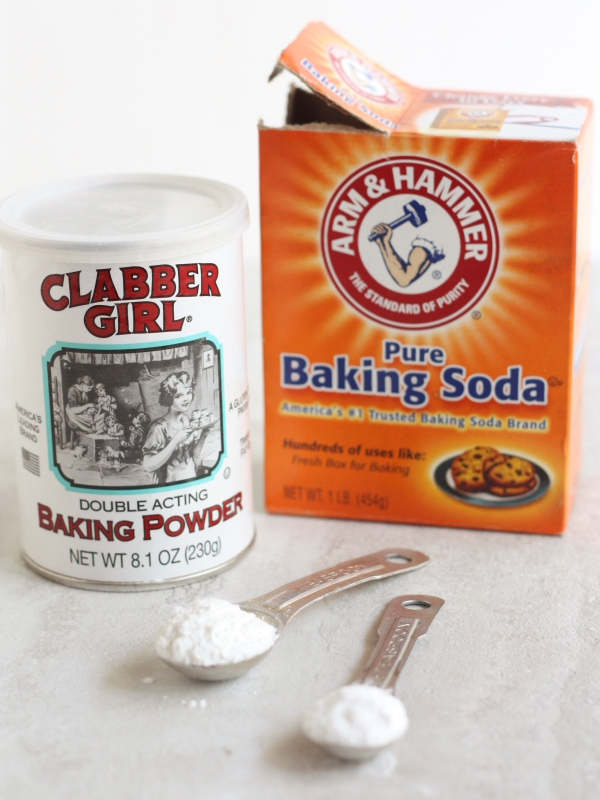
Have you ever wondered what the difference is between baking powder vs baking soda? Or how they even work? I’m here to help! This article is going break it all down— the science behind leaveners like baking powder and baking soda, the difference between the two, and how to use them correctly in baking recipes.
Table of Contents

How leaveners work in baking recipes
Baking powder and baking soda are leavening agents (or leaveners) which means they cause recipes to “rise” in the oven during baking.
How do they do that? Here’s a little baking chemistry lesson: carbon dioxide gas is produced in baked goods when sodium bicarbonate (an alkaline/base ingredient) mixes with an acidic ingredient and liquid ingredients. The chemical reaction causes tiny bubbles of the gas that lifts and expands the structure around it.
Many baking ingredients are naturally acidic— like citrus, buttermilk, yogurt, sour cream, vinegar, molasses, even honey or chocolate, etc. We then can use either baking soda or baking powder (or a combination) to react with those ingredients to produce the rise and texture we want.
So, what is the difference between baking powder vs. baking soda?
What is baking soda?
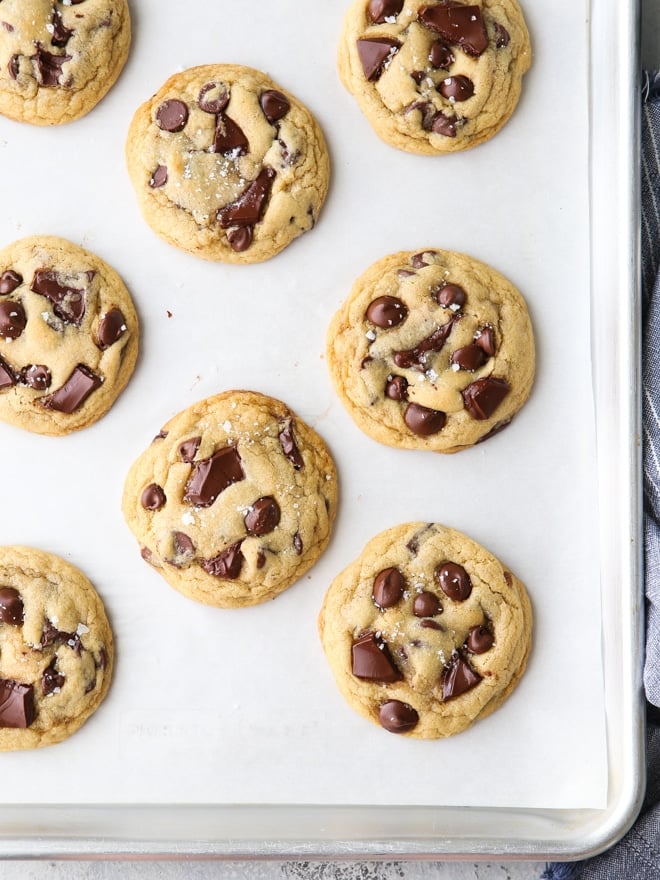
Baking soda is pure sodium bicarbonate. It’s a powerful leaving agent, so you won’t need much of it (about 1/4 teaspoon per 1 cup of flour). However, since it is strictly a base ingredient it will require an acid in the recipe to activate and do it’s job.
Baking soda is helpful in baking and dessert recipes in a few other ways: it encourages browning, and also creates a chewier texture.
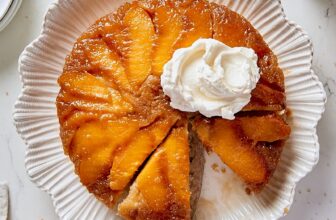
Recipes using just baking soda often contain naturally acid ingredients like citrus, buttermilk, yogurt, sour cream, vinegar, molasses, even honey or chocolate, etc. Here are a few examples:
What is baking powder?
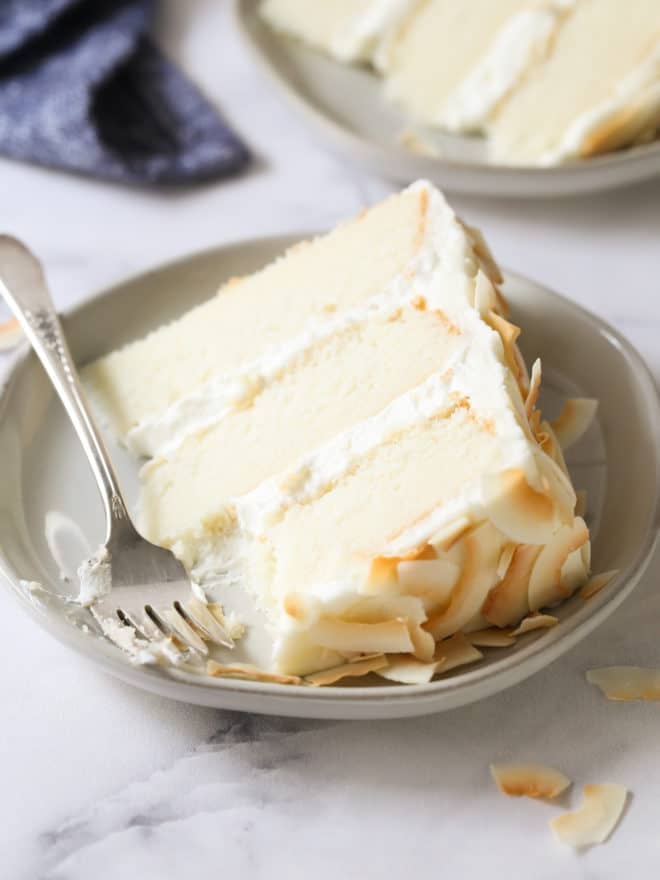
Baking powder is handy because it includes both sodium bicarbonate AND an acid (like cream of tartar/potassium bitartrate) so that all it requires is liquid for activation. Most baking powders are known as “double acting” because they contain more than one type of acid. There’s one one reaction when the batter or dough is first mixed, and another reaction when it hits the heat of the oven.
Even still, since baking powder is a mix of ingredients it isn’t as strong as baking soda and recipes will call for more of it (about 1 teaspoon per 1 cup of flour).
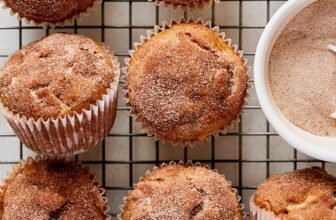
You’ll see baking powder used in recipes that don’t naturally include acidic ingredients. Here are a few examples:
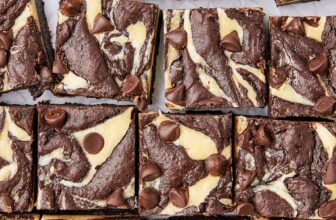
Recipes where there’s not enough acid present (either too small of an amount or ingredients are weakly acidic, for example) will often use a combination of baking powder and baking soda. Here are a few examples of recipes that require both:

How to substitute baking powder for baking soda (& vice versa)
As we’ve just discussed, baking powder and baking soda are not the same! And they cannot be used interchangeably. Whenever possible, always follow the recipe as written. You may potentially substitute one for the other, but you’ll need to make other adjustments because they are chemically different and used in different quantities.
A few things to consider, and some recommendations:
- Substituting baking powder for baking soda: Since it’s less powerful you’ll need approximately 3 times as much (eg 3/4 teaspoon of baking powder for baking soda). The texture may be more cake-like and less crisp. Too much baking powder can also add a metallic or bitter taste.
- Substituting baking soda for baking powder. You’ll only need about one third of it, but you’ll also need to include an acid. For 1 teaspoon baking powder, use 1/4 teaspoon baking soda (easier than 1/3 teaspoon and 0.5g difference) and 1/2 teaspoon cream of tartar.
Note: these are very rough substitutions that have not been tested with specific recipes. Use at your own risk! 🙂
Proper storage
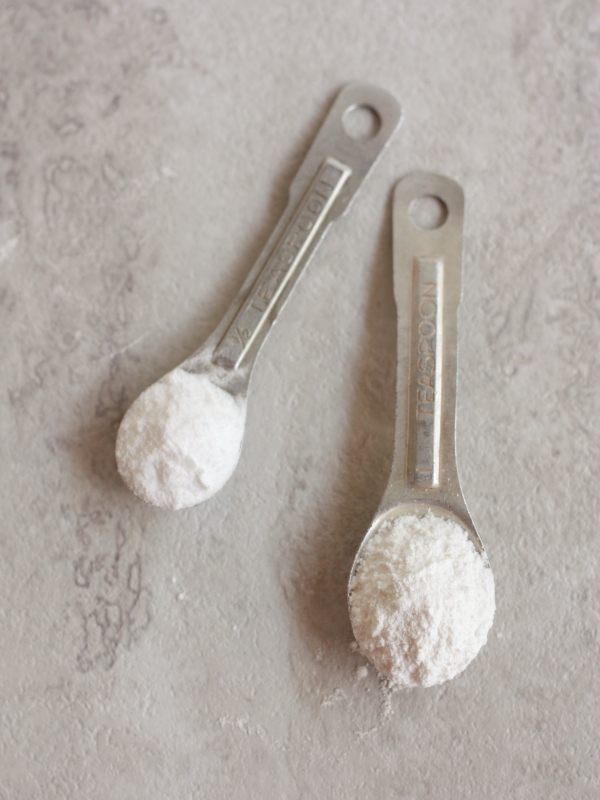
- Baking soda does not expire and will last indefinitely if stored properly. Store it in an airtight container to keep out moisture and odors. It will soak up any nearby odors from other spices, your pantry, etc. if not sealed.
- Baking powder will lose effectiveness over time and should be used by its expiration date. Storing it in an airtight container away from heat and humidity is best, as moisture will cause it to lose its potency more quickly.