Key Beer Flavors & Their Impact on Grilling
Whether you’re a seasoned beer drinker or new to the brew, you’ll know that not all beers taste the same. This is especially true when beer is heated—some beers concentrate their flavors in a way that enhances food, while others can become too bitter or overpowering. Understanding the key elements of beer flavor will help you choose the right one for your grilling needs.
Here are some of the key flavor notes to consider when choosing a beer for grilling:
1. Hops
🍺 Bitterness and aromatic notes
Hops are the flowering buds of Humulus lupulus plant, and they’re a key ingredient when brewing beer. They have a bitter flavor, but can also add floral, citrusy, and fruity notes. How bitter the hops taste in a beer depends on when they are added during brewing—the earlier they are added, the more bitter a beer will taste.
Highly hopped beers (such as IPAs) tend to intensify in bitterness when reduced with heat, making them less ideal for long grilling or basting. Hoppy beers work best with salty, fatty, or umami-rich foods, but can clash with acidic or spicy dishes, making the heat feel even hotter.
2. Malt
🍺 Sweetness and depth
Malty flavor is created by roasting barley—another key beer ingredient. The darker the toast, the more the sugars will caramelize, and the darker and nuttier the malt flavor becomes.
Darker malts (such as those in stouts and porters) have stronger toasty, nutty, and caramelized flavors. These beers pair well with salty foods, breakfast meats, and root vegetables.
Malty lagers also help balance acidity and can mellow out spicy flavors.
3. Dark flavors
🍺 Roasted and earthy notes
Beer color isn’t the only thing that can be “dark”—flavor can be dark too!
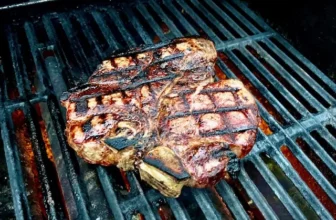
Deeply roasted malts create rich, heavy, and earthy flavors that pair exceptionally well with steak, burgers, and grilled meats. If you’re grilling something with a smoky, charred crust, using a dark beer to marinade or baste will complement those deep, caramelized flavors.
4. Lightness
🍺 Carbonation & refreshing qualities
Light beers aren’t about color—they’re about mouthfeel.
Highly carbonated beers feel crisp and refreshing on the palate. They help cut through fatty foods, making them a great match for rich BBQ meats. Lighter beers are also generally less bitter and more subtle in flavor, making them a safe, versatile choice for grilling.
5. Sour, tart & acidic beers
🍺 Bright and tangy
Some beers are made with specific bacteria that create a tart, sour flavor profile. The acidity balances out other acidic foods, making delicate flavors more pronounced.
Sour beers work well with briny foods like seafood, but don’t pair well with spicy or sweet dishes. These beers can also enhance saltiness, making them an interesting choice for dishes with a salty crust.
6. Smoke
🍺 Wood-fired notes
Yes, smoked beers exist! These beers use smoked malt to add a woodsy, campfire-like aroma.
They pair beautifully with BBQ flavors, especially Texas and Carolina-style smoked meats. If you want to intensify smokiness in your grilled food, a smoked beer can enhance that effect.