
(Senior Editor)

Beets are a delicious and versatile root vegetable with many health benefits. Here, we’ll give you tips for cooking and prepping them, and we’ve got some exciting recipe ideas waiting for you, too.
Whether as a spread, carpaccio, soup, or even dessert – you can prepare beets in all sorts of sophisticated ways.
In this article, we’ll give you tips and recipe ideas to expand your culinary skills with beets and take advantage of their health benefits.
What Beets Actually Are

What Beets Actually Are
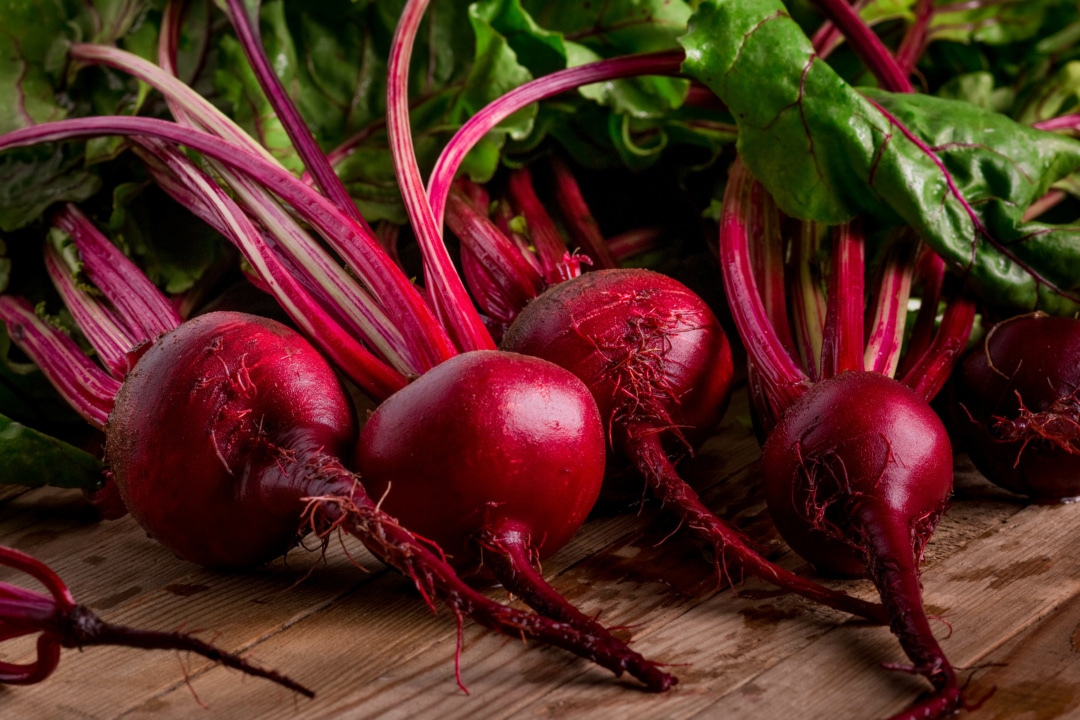
Beets, also known as beetroot, are a healthy root vegetable packed with numerous vitamins, minerals, and fiber. They originally come from the Mediterranean region and were already cultivated in ancient times.
The vibrant red root is an important part of many traditional dishes in various countries.
Beets are often used in salads and soups, and they’re a key ingredient in dishes like borscht.
Calories and Nutritional Info

Calories and Nutritional Info
The intense color of beets comes from the natural pigment betanin. But beets have more to offer than just an impressive color: they’re rich in vitamins and minerals.
A medium-sized beet (about 100 grams) has only about 43 calories and provides you with nutrients like Vitamin C, B vitamins, and folic acid, as well as iron, potassium, and magnesium. All these nutrients contribute to a healthy diet.
Can you eat beets raw?

Can you eat beets raw?
Yes, you can actually eat beets raw pretty easily. In their raw state, they work best in salads or as a small snack between meals.
It’s important to wash the skin thoroughly before eating to remove dirt and any potential contaminants.
If you cut raw beets into fine pieces or strips, they’re easier to digest, and their sweet and slightly earthy note really comes through.
How to Prepare Beets

How to Prepare Beets
In this section, you’ll learn how to properly prepare beets to enjoy them to the fullest. We’ll show you step-by-step how to select, store, and peel them.
Selection and Storage
When you’re buying beets at the market or in the supermarket, you should look for freshness. The skin should be firm and smooth, and the greens should look fresh.
Beets taste best when they’re freshly harvested. The main season for them is from August to November.
To store fresh beets, you can cut off the greens and keep them in a cool, dark, and dry place. Aim for a temperature between 0 and 4 degrees Celsius.
This way, you can store beets for several weeks. They last even longer if you buy vacuum-packed products.
Peeling Beets the Right Way

Peeling Beets the Right Way
It can sometimes be tricky and frustrating to prep beets correctly. After all, beet juice stains hands, clothes, and equipment. Here are some tips for “clean” beet prep.
- Use disposable gloves: To avoid staining your hands, wear disposable gloves while peeling. This will keep your hands clean and prevent the beet color from sticking to your skin.
- Cover your cutting board: Place a piece of parchment paper or plastic wrap on your cutting board to prevent stains on your work surface.
- Peel after cooking: Some people prefer to cook the beets before peeling them. This makes the skin easier to remove, and you lose less of the intense color.
- Peel them raw: If you want to peel beets raw, it’s best to use a sharp peeler and remove the skin thinly to lose as little of the flesh as possible.
How To Cook Beets and Preparation Tips

Cooking Beets and Preparation Tips
Whether you’re planning a casserole, carpaccio, or roasted vegetables, we’ve compiled the best tips for preparing and cooking beets right here for you.
Cooking in a Pot

Cooking in a Pot
When boiling beets in a pot, the most important thing is to put the unpeeled vegetable into the boiling salted water.
This preserves the color and valuable nutrients. Add enough salt to the cooking water to intensify the flavor of the beets.
How long to boil beets
Depending on the size of the beets, the cooking time varies between 40 and 60 minutes. It’s a good idea to test the root vegetable regularly with a fork or a knife: if it goes through without much resistance, the vegetable is done.
How to cook beets in the oven

How to cook beets in the oven
A tasty alternative to boiling in a pot is baking beets in the oven. Leave the beets unpeeled, but wash them beforehand and wrap them in aluminum foil.
Then, let the vegetable bake at 180 degrees Celsius for about 60 to 80 minutes, depending on their size.
Frying in a Pan
To fry beets in a pan, first cook them in a pot. Let them cool down a bit afterward and then slice or dice them.
Then you can fry them in a hot pan with a little oil. If you want, you can add onions or garlic. Frying gives the beets a pleasantly crispy texture and makes them a tasty highlight in many dishes.
Steaming

Steaming
Beets can also be steamed perfectly. For this, you’ll need a pan or a pot with a tight-fitting lid. Cut the beets into uniform slices or cubes.
Add a little water or broth to the pan, add the beets, and let the vegetable steam with the lid on over medium heat.
Depending on your desired tenderness, the steaming time can vary between 15 and 25 minutes.
Health Benefits of Beets

Health Benefits of Beets
Beets are a very healthy vegetable that has many positive effects on our bodies. In this section, you’ll learn more about their nutritional profile, their effect on the immune system, heart health and blood pressure regulation, as well as their support for digestion.
Nutritional Profile
Beets are rich in the following vitamins and minerals:
- Iron: This trace element is important for the formation of red blood cells and oxygen transport in the body.
- Folic acid: This vitamin is especially important during pregnancy, as it’s needed for cell division and the growth of embryonic tissue.
- Potassium: Potassium plays a vital role in maintaining the osmotic balance of body cells and in regulating blood pressure.
- Vitamins: Beets are rich in B vitamins and Vitamin C, which are important for the immune system and energy metabolism, among other things.
- Magnesium: Magnesium is an essential mineral for the body, involved in many metabolic processes.
Effect on the Immune System

Effect on the Immune System
The vitamins (especially Vitamin C) and phytochemicals in beets strengthen the immune system and have an anti-inflammatory effect.
This makes your body better able to fight off pathogens and reduces the risk of infections.
Heart Health and Blood Pressure Regulation
Beets can help promote heart health and regulate blood pressure. The vegetable contains nitrates, which are converted into nitric oxide in the body.
Nitric oxide is an important factor that widens blood vessels and lowers blood pressure. This reduces the strain on the heart and lowers the risk of cardiovascular diseases.
Support for Digestion

Support for Digestion
Thanks to their high fiber content, beets support digestion and promote a healthy gut flora.
Fiber is an indigestible food component that helps to increase stool volume and facilitate its passage.
They can also have a prebiotic effect, promoting the growth of beneficial bacteria in the gut.
Regular consumption of beets can thus improve overall well-being and reduce the risk of intestinal problems.
Beet Recipe Ideas

Beet Recipe Ideas
Whether it’s a beet salad as an appetizer, a vegetable casserole as a main course, or delicious beet brownies for an exciting dessert: there are no limits with this tasty, all-rounder vegetable. Below, we’ll introduce you to some delicious and creative recipe ideas.
Beet Salad
A refreshing beet salad is perfect as an appetizer or a side dish. To make it, first slice the beets and then cook them.
In the meantime, prepare a vinaigrette from oil, balsamic vinegar, salt, and pepper. Then, mix the cooked beet slices with the vinaigrette and add ingredients like goat cheese, walnuts, or arugula as desired.
Beet Soup

Beet Soup
A warming beet soup is an ideal dish for cold days. For this, you’ll need beets, potatoes, onions, and vegetable broth. Cook the beets and potatoes until they’re soft.
Then, purée them together with the onions and vegetable broth. Season the soup with salt, pepper, and spices like caraway.
Beet Smoothie
For a healthy and delicious beet smoothie, combine raw beets, apple, ginger, and yogurt or a plant-based drink in a blender. You can also add other fruits or vegetables to your liking to round out the flavor.
Beet Purée

Beet Purée
Beet purée is a delicious side dish for meat or fish dishes. You’ll need cooked beets, which you process into a smooth mixture with butter, cream, salt, and pepper.
You can add additional spices or fresh herbs to flavor the purée.
Beet Carpaccio
For a vegetarian carpaccio, slice raw beets very thinly and arrange them on a plate. Drizzle the carpaccio with olive oil, lemon juice, salt, and pepper. Add arugula and Parmesan cheese as desired.
Beet Chips

Beet Chips
Homemade beet chips are a healthy and delicious snack. To make them, slice raw beets thinly and lightly coat them with oil. Season them with salt, pepper, or your favorite spices and bake them at a low temperature in the oven until they’re crispy.
Tips for Avoiding Stains

Tips for Avoiding Stains
The color of beets is beautiful, but it can also leave stubborn stains on kitchen utensils and clothing.
Here are some tips to avoid stains and keep your kitchen clean while preparing beets.
1. Gloves and Apron: First of all, it’s a good idea to wear gloves and put on an apron. This will protect your hands and clothes from the color.
2. Choose less susceptible materials: When using cutting boards and other kitchen utensils, it’s wise to choose materials that are less prone to staining. Also, make sure they’re easy to clean.
Plastic is a good choice, as it generally doesn’t stain as badly as wood.
3. Use lemon juice: If you do get stains on your hands, put a little lemon juice on them and let it sit for about 30 seconds.
The lemon juice helps to lighten the color and remove the stain. You can also add sugar to the lemon juice and do a gentle scrub to better remove the stains.
4. Keep the kitchen clean: Keeping the kitchen clean is also important. Wipe down any surfaces that have come into contact with the beets immediately. You can also keep a damp cloth or paper towel handy to quickly absorb any color splashes and prevent stains.
How to Use Different Parts of the Beet

How to Use Different Parts of the Beet
Did you know that you can use more than just the red root of the beet? In this section, we’ll show you how to best prepare the different parts of the beet.
1. Cutting: First, wash your beets thoroughly before you cut them. You can slice, dice, or grate them – depending on the shape you prefer for your dish.
If you want to use the beets raw, for example in a salad, it’s best to cut them into very thin slices or fine strips.
2. The Root: The root of the beet is the main component of many dishes. It can be cooked, fried, grilled, or used raw. Beet purée, soup, and casserole are particularly popular. The root is rich in vitamins, minerals, and antioxidants, which is why it’s considered very healthy.
3. The Leaves: The leaves of this healthy root vegetable are also edible and can be prepared similarly to chard or spinach. You can steam, blanch, or sauté them in a vegetable stir-fry.
They are rich in nutrients like Vitamin A, Vitamin C, and iron. They also make an excellent side dish for beet-based meals.
4. Peeling Beets: Before you prepare the beets, you should peel them thoroughly. You can peel the vegetable with a vegetable peeler or a small knife.
Only remove the outer layer to waste as little of the valuable vegetable as possible.
As a rule of thumb: Peel after cooking to retain the beautiful colors and flavors. You can rinse cooked beets under cold water and then effortlessly peel them by rubbing off the skin with a paper towel or disposable gloves.
Tips for Seasoning and Enhancing Beets

Tips for Seasoning and Enhancing Beets
For seasoning beets, fresh herbs like dill, parsley, chives, and chervil are particularly suitable. You can also use caraway, cloves, horseradish, or more exotic spices like ginger and cardamom.
A special touch is added by lemon juice, which not only rounds out the flavor but also provides Vitamin C.
Salt is an important component when seasoning beets. It’s best to use high-quality sea salt to bring out the natural flavor of the vegetable. Additionally, you can try pepper and rosemary to make the beets even tastier.
Another tip is to add sugar or vinegar. Both give the beets a sweet and sour note that enriches the taste in an interesting way. However, you should use these sparingly so the vegetable doesn’t lose its healthy properties.
The combination of beets with cinnamon is also exciting. You can use this warm and spicy aroma wonderfully for winter dishes.
Try out the different tips and combinations to find your own favorite version.
Creative Ways to Use Beets

Creative Ways to Use Beets
In this section, we’ll introduce you to some creative ideas on how you can use beets in your kitchen beyond the traditional dishes.
1. Bread: You can use beets to color and flavor homemade bread. Simply add puréed beets to the dough to create a delicious and colorful bread.
2. Smoothie: For a healthy and nutritious drink, you can process beets with other fruits and vegetables into a delicious smoothie. For example, combine beets with berries, spinach, and some yogurt for an energy-boosting smoothie.
3. Cake: Surprise your guests with a beet cake. By adding grated or puréed beets, the cake gets an interesting texture and a subtly earthy flavor.
4. Pickling: Pickled beets are a tasty snack or a great side for salads and sandwiches. You can slice beets and pickle them in a mixture of vinegar, sugar, and spices.
5. Raw: Beets are also excellent raw. Simply peel the beets and cut them into fine sticks or thin slices. They are a tasty and crunchy addition to salads or as a side to main courses.
6. Roasted Vegetables: Grated or chopped beets can be wonderfully roasted in the oven with other vegetables. For a delicious roasted vegetable dish, mix beets with carrots, onions, pumpkin, and herbs before baking them in the oven.
7. Risotto: Beets give a classic risotto an interesting color and a special flavor. Cook the beets in vegetable broth and then add them to the risotto along with Parmesan and butter.
Try out these creative ways to use beets and enjoy the versatility and healthy taste of this wonderful vegetable in your dishes.
Alternatives to Beets

Alternatives to Beets
There are a few alternatives to beets that you can use in your kitchen if you’re not a fan of their taste or texture.
One of the best-known alternatives to beets is the parsnip. It has a similar shape and consistency to beets, but a slightly sweeter and milder flavor.
You can boil, steam, or roast parsnips in the oven. They work well as a side for meat dishes, purées, or soups.
Carrots are another good alternative to beets. While they have a slightly different taste, they work great in many recipes that would otherwise use beets.
You can use carrots in salads, stews, or as a side dish to main courses. They also offer a similarly striking color as beets.
A lesser-known alternative to beets is the Chioggia beet, also known as the candy stripe or zebra beet. It has a similar size and texture to the red beet, but its color is a striking white-and-pink pattern.
Chioggia beets taste a bit milder than red beets. You can serve them raw in salads or cooked as a side dish.
In some recipes, you can also use radishes as a substitute for beets. They have a sharper taste, but they can add an interesting spiciness to your dishes. You can use them raw in salads or pickled as a side dish.

 (30 votes, average: 4.80 out of 5)
You need to be a registered member to rate this. Loading…