
(Senior Editor)

Rice pudding is a classic among sweet dishes. Whether with cinnamon and sugar, or with fresh or preserved fruits – the possibilities are endless. Here you’ll find tips for making rice pudding, as well as tasty recipe ideas and a step-by-step guide.
Rice pudding is basically just rice cooked with milk. This sweet dish is popular all over the world with people of all ages. Let’s dive into what rice pudding actually is.
What is Rice Pudding

What is Rice Pudding
If you want to cook the perfect rice pudding, it’s best to pay attention to the right heat, continuous stirring, and the correct cooking time. In the next section, you’ll find a guide that explains the entire cooking process step by step.
The Invention of Rice Pudding
Rice pudding is a traditional dish made from rice, milk, sugar, and various spices. The exact origin of rice pudding is unclear, but it’s believed to have originated in ancient China.
People there were already making sweet rice dishes early on. In Europe, rice pudding is said to have been known since the Middle Ages.
Rice Pudding in Different Cultures and Traditions

Rice Pudding in Different Cultures and Traditions
Rice pudding is cooked in many countries and cultures worldwide and is known in various forms. In Denmark, there’s “Risengrød,” which is served with cinnamon, sugar, and a pat of butter.
In India, “Kheer” is a popular sweet dish made from rice, milk, sugar, and cardamom. In Spain and Latin America, there’s “Arroz con Leche,” a version with cinnamon and vanilla.
Nutrition and Calories
Rice pudding is a nutritious and comforting dish that provides energy and warmth. However, depending on the ingredients and preparation method, it can also be high in calories. Typically, a serving of rice pudding (200 grams) contains about 250 to 350 calories, with a high content of carbohydrates and milk protein.
The Most Important Ingredients
To prepare a classic rice pudding, you’ll need the following ingredients:
- Short-grain rice: It’s important to use a special rice pudding rice or short-grain rice that becomes creamy during cooking.
- Milk: Most recipes use whole milk, but you can also use lactose-free milk or plant-based alternatives.
- Sugar: White sugar is usually used, but you can also use brown sugar or alternative sweeteners like honey or agave nectar.
- Spices: Vanilla sugar or vanilla extract, as well as cinnamon, are the most commonly used spices, but you can also add cardamom, lemon zest, or orange zest.
How To Make Rice Pudding: Step by Step

How To Make Rice Pudding: Step by Step
Want to whip up the perfect rice pudding for yourself or your guests? Then we have a simple step-by-step guide for you below that’s guaranteed to work.
Washing and Soaking the Rice
Before you start cooking, you should first wash and soak the rice pudding rice thoroughly. This removes starch from the surface and shortens the cooking time.
Put the rice in a sieve and rinse it under running water. Afterwards, you can soak the rice in cold water for about 30 minutes.
Cooking the Rice Pudding (Slow vs. Pressure Cooker)

Cooking the Rice Pudding (Slow vs. Pressure Cooker)
There are two methods to cook rice pudding: slowly on the stovetop or in a pressure cooker. For the slow method, you put milk, sugar, vanilla extract, and salt in a pot and bring everything to a boil.
Add the rice pudding rice and let it simmer over low heat for about 30 minutes. For the pressure cooker method, you put the milk, rice, and sugar in the pot, seal it, and cook the rice over medium heat for about 20 minutes.
Both methods result in delicious rice pudding, but the slow method is gentler and requires a bit more patience.
Adding Sweetener and Seasoning to Taste
Once the rice pudding is cooked, you can sweeten it to your taste. Use sugar, liquid honey, or maple syrup for this.
You can also add vanilla sugar or a pinch of cinnamon to give your rice pudding a special touch. Taste it and adjust the sweetness to your liking.
Stirring and Getting the Right Consistency

Stirring and Getting the Right Consistency
While it’s cooking, you should stir the rice pudding regularly to prevent it from burning. When the rice has reached the desired consistency, take the pot off the heat.
Ideally, your rice pudding should be creamy and not too liquidy. If it’s still too firm or dry, you can add a little more milk and let it continue to simmer.
Serving and Garnishing
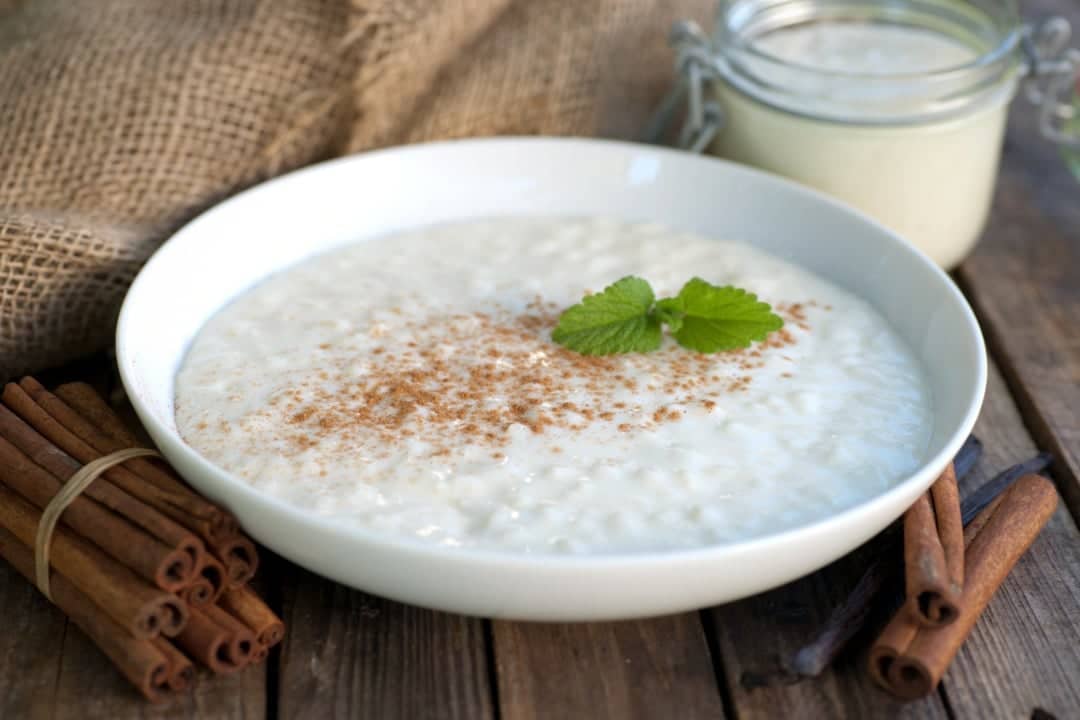
There are numerous ways to serve rice pudding. Traditionally, it’s sprinkled with cinnamon and sugar or served with cherries or a cherry compote.
You can also serve it with fresh fruit, preserved fruit, or compote. Finely grated chocolate or chocolate sauce also goes wonderfully with rice pudding.
Let your creativity run wild and constantly discover new combinations and ingredients to enhance and vary your rice pudding.
Tips for Cooking Rice Pudding

Tips for Cooking Rice Pudding
Below you’ll find the best tips for cooking rice pudding. For example, did you know that the choice of pot can affect the result? You’ll find out more now.
Choose the Right Pot
A large, heavy pot with a thick bottom is best for cooking rice pudding because it distributes heat evenly and prevents burning.
You should also make sure that the pot has enough space for the ingredients and for the volume that the rice pudding will expand to during cooking.
Pay Attention to the Right Heat

Pay Attention to the Right Heat
To prepare the rice pudding perfectly, you should maintain a constant and moderate heat. Don’t set the stove too high, so the milk doesn’t boil over or the rice burn at the bottom of the pot.
Stir the rice pudding regularly to avoid lumps and ensure even cooking.
Avoiding Burning and Lumps
To prevent the rice pudding from burning in the pot, stir it frequently and maintain even heat. Tip: If you add a little fat to the milk during preparation, you can prevent burning even better. Use butter for this, for example.
To avoid lumps, you should stir the rice pudding regularly. If necessary, you can also add a little water, oat milk, or coconut milk to make the rice pudding smoother.
Storing and Using Leftover Rice Pudding

Storing and Using Leftover Rice Pudding
If you have any leftover rice pudding, you should store and use it properly. Keep the leftover rice pudding in a sealed container in the refrigerator and eat it within two days.
You can either eat it cold or gently warm it up in the microwave or on the stove. Be sure to warm the rice pudding slowly and at a low heat so it doesn’t burn or dry out.
When reheating, it’s a good idea to add a little liquid (water, oat milk, or coconut milk) to maintain the consistency of the rice pudding.
Finally, you should let the rice pudding rest for a few minutes after cooking so it reaches the optimal consistency. If you follow these tips and the instructions, nothing will stand in the way of a delicious and perfect rice pudding.
Different Types of Rice for Rice Pudding

Different Types of Rice for Rice Pudding
You can use different types of rice for your homemade rice pudding. Find out which one is best for you now. After all, the result can be quite different depending on the rice variety.
Short-Grain Rice
Short-grain rice is a common option for rice pudding. This rice has a shorter and wider structure than long-grain rice, which gives it a softer consistency. Short-grain rice can make for a thick and creamy rice pudding and is therefore a good choice if consistency is important to you.
Arborio

Arborio
Arborio is an Italian rice variety that is classified as a short-grain rice. It is particularly large and plump, making it one of the most well-known varieties for rice pudding.
Arborio has a slightly sweet natural flavor and comes from the Piedmont region in Italy. It’s excellent for rice pudding, especially if you’re looking for a classic taste.
Long-Grain Rice
Long-grain rice, such as Basmati or Jasmine rice, can also be used excellently for rice pudding. This type of rice has a longer and narrower structure.
Although it doesn’t release as much starch as short-grain rice, long-grain rice can still produce a good consistency and a creamy aroma for your rice pudding. Make sure you use the right ratio of milk to rice to get the desired creamy texture.
Carnaroli

Carnaroli
Carnaroli is another Italian rice variety and is similar to Arborio, but a little smaller. As a short-grain rice, it has a high starch release, which can lead to a particularly creamy rice pudding.
It works well for rice pudding if you’re looking for an alternative to Arborio rice.
Basmati
Basmati rice, a type of long-grain rice, is also suitable for making rice pudding. Basmati has a distinct aroma and can give your rice pudding a unique touch.
To make a delicious rice pudding from Basmati, you just need to maintain the right ratio of rice to milk.
Risotto Rice

Risotto Rice
Risotto rice refers to rice varieties that are most commonly used for risotto. These include, for example, Arborio or Carnaroli.
These rice varieties can also be used for rice pudding, as they have a high starch release and help the rice pudding achieve the desired thick and creamy consistency.
If you already have risotto rice in your pantry, you can also use it for rice pudding.
Flavorings and Variations

Flavorings and Variations
Rice pudding is a sweet dish that you can have fun experimenting with. You can add sweet notes like vanilla or cinnamon, or enhance your dish with spices.
In this section, you’ll get some ideas for different flavors to try in your rice pudding.
Vanilla
Vanilla is a classic flavor that gives your rice pudding a sweet, warm note. You can use either vanilla extract or the seeds from a fresh vanilla bean. Simply add the desired amount of vanilla to the milk mixture during cooking.
Cinnamon and Sugar

Cinnamon and Sugar
A very popular combination for rice pudding is cinnamon and sugar.
To flavor the rice pudding with it, you can simply sprinkle some cinnamon and sugar over it once the rice is cooked. This gives the dish a pleasant sweetness and warmth.
Exotic Spices
You can also enhance your rice pudding with exotic spices. Try cardamom or ginger, for example, to give the dish an oriental touch. For this, you can use fresh spices or stir ground versions directly into the liquid.
Fruits like Berries, Mangos, and Bananas

Fruits like Berries, Mangos, and Bananas
Fruit – whether fresh or preserved – goes wonderfully with rice pudding.
You can use berries like strawberries or raspberries, tropical fruits like mango and pineapple, or classic fruits like cherries or bananas in your rice pudding.
You can either mix the fruit with the rice pudding or serve it separately on the side.
Syrup
A delicious way to add flavor and sweetness to your rice pudding is by using syrup. There are many different types available, such as maple syrup, agave nectar, or caramel syrup. Simply drizzle some syrup over your rice pudding and enjoy the sweet notes.
Chocolate

Chocolate
For all the chocolate lovers, rice pudding can also be enhanced with chocolate. You can use finely grated chocolate or chocolate sauce to give the rice pudding a sweet flavor.
Be sure to gently stir the chocolate into the finished rice pudding. This prevents it from burning at the bottom of the pot.
Try out these different flavorings and variations to customize your rice pudding to your personal preferences. There are no limits – be creative and find out which flavors you like best.
Recipe Ideas with Rice Pudding

Recipe Ideas with Rice Pudding
Below we have listed some delicious recipe ideas for you. You’ll learn, for example, how to make simple or vegan rice pudding.
Simple Rice Pudding Recipes
A simple rice pudding recipe requires few ingredients and is quick to prepare. You only need milk, rice pudding rice, sugar, and salt.
Put the milk, sugar, and salt in a pot, bring it to a boil, and add the rice. Then let the rice pudding simmer over low heat for about 30 minutes, stirring occasionally.
Tip: You can customize the recipe by adding cinnamon, vanilla sugar, or fresh fruit.
Perfect Rice Pudding Recipes

Perfect Rice Pudding Recipes
A perfect rice pudding is tender, creamy, and not too sweet. To make a perfect rice pudding, you can use the following recipe: Heat butter in a pot, briefly toast the rice, and then add milk and sugar.
Bring everything to a boil while stirring, making sure the rice pudding doesn’t burn. Tip: Use a vanilla bean or vanilla extract for a better flavor.
Vegan Rice Pudding Recipes

Vegan Rice Pudding Recipes
Want to make a vegan rice pudding? In this case, you simply have to replace the milk with a plant-based alternative – such as almond, oat, or soy milk. Sugar can be replaced with agave nectar or coconut sugar.
Tip: Mix dried fruits like raisins or cranberries into the vegan rice pudding for an extra flavor note.
Rice Pudding as a Main Course

Rice Pudding as a Main Course
Rice pudding isn’t just a sweet snack; it can also be served as a main course. Complement the rice pudding with fresh or cooked fruit, like apples or cherries, or add roasted almonds and cinnamon.
You can also try savory rice pudding variations by mixing in vegetables or mushrooms and seasoning with herbs.
Rice Pudding as a Dessert
Rice pudding is also excellent as a dessert. Serve it with a sauce made of caramel, chocolate, or berries, for example. You can also make a baked pudding from rice pudding by mixing it with eggs and sugar and then baking it in the oven.
Combine rice pudding with fresh berries, compote, or preserved fruits for an irresistible dessert.
Rice Pudding for Breakfast

Rice Pudding for Breakfast
For a nutritious and delicious breakfast, you can combine rice pudding with healthy ingredients like yogurt, granola, nuts, and fresh fruits.
You can also let the rice pudding sit in the refrigerator overnight, so it’s ready to serve the next morning.
Tip: Add chia seeds, flax seeds, or oatmeal to the rice pudding to make your breakfast even healthier.
Tips for the Perfect Consistency

Tips for the Perfect Consistency
You can achieve a perfect rice pudding consistency by following a few simple tips. In this section, we’ll give you tips on how to perfect the consistency of your rice pudding.
Tip 1: Choose the Right Type of Rice
The perfect consistency of rice pudding also depends on the type of rice used. You should use special rice pudding rice, which is best suited for this dish.
Tip 2: The Right Mixture
The mixture of milk and rice is crucial for the consistency. Most recipes recommend a ratio of 250 grams of rice pudding rice to 1 liter of milk. You can also use a little less milk if you prefer a firmer rice pudding.
Tip 3: Temperature and Heating
The temperature when cooking rice pudding plays an important role. Temperatures that are too high can cause the rice pudding to burn or become too firm.
It’s best to slowly bring the mixture of milk, sugar, vanilla extract, and salt to a boil over low heat. Once it has boiled, add the rice and let everything briefly come to a boil again.
Tip 4: Stirring and Simmering
To avoid burning, it’s important to stir the rice pudding regularly. Let the rice pudding simmer over low heat for about 30 minutes, stirring frequently.
You achieve the right consistency by letting the rice pudding simmer until it meets your personal preference.
Tip 5: Adjustments and Corrections
If the rice pudding has become too firm or too sweet, you can easily correct this. If the rice is too firm, gradually stir in a little more milk until the desired consistency is reached. If the rice pudding is too sweet, it helps to add more milk or cream.
Tip
If you want to make your rice pudding portions even more interesting, layer different ingredients like fruit, nuts, or compote in small glasses. Then fill in the rice pudding.
This creates colorful and tasty layers that are visually appealing and make every bite varied.

 (30 votes, average: 4.80 out of 5)
You need to be a registered member to rate this. Loading…