From Makhana to Millets: How Wellness Is Changing What Indians Eat

For generations, Indian food has been shaped by taste, tradition and what was available locally. But a new factor is increasingly influencing what people put on their plates: wellness.
The concept of wellness has developed a noticeable change in India’s food culture. Makhana, millets, Greek yoghurt, nuts, seeds, probiotic drinks and protein-rich snacks are moving from niche health-food categories into everyday consumption.
Protein Is No Longer Just a Fitness Trend
Protein was once largely associated with gyms, bodybuilding and specialised nutrition products. Today, it is becoming part of everyday food choices. According to Innova Market Insights’ “Consumer Food & Beverage Trends in India 2026” report, 69% of Indian consumers actively include more protein in their diets. The report also notes that protein is expanding into everyday food and beverage formats, including snacks, breakfast products and beverages.
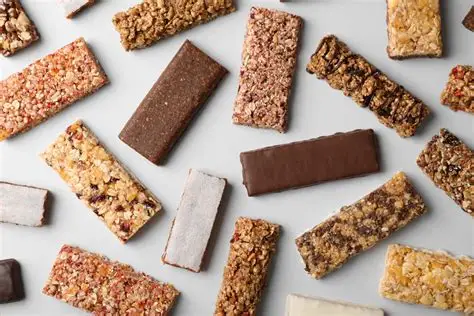
For younger consumers in particular, a protein-rich snack can seem more appealing than a conventional packaged snack because it promises something beyond simply satisfying hunger. This has helped bring foods such as nuts, seeds, peanut butter, Greek yoghurt, granola and protein bars into the mainstream. The change is less about abandoning traditional food and more about finding new ways to make everyday eating feel healthier.
Makhana Moves From Tradition to Trend
One of the clearest examples is makhana, or foxnuts.
Once strongly associated with fasting and traditional Indian households, makhana has increasingly become a mainstream snack. Roasted and flavoured versions are now widely available, offering consumers a crunchy alternative to chips and fried namkeen.
The rise of makhana also shows how traditional Indian ingredients can be repositioned for a modern wellness-conscious audience. India remains the world’s leading makhana producer, with Bihar accounting for the majority of domestic production. The ingredient’s growing popularity has also encouraged greater branding and product innovation around it. What was once considered a traditional ingredient is now being presented as a modern everyday wellness food.
Millets Return to the Mainstream
The wellness movement is also giving India’s traditional grains a new lease of life.
Bajra, jowar and ragi, once staples of traditional diets, are increasingly appearing in breads, dosa mixes, crackers, cookies, breakfast products and ready-to-cook foods. Their appeal lies partly in their nutritional profile and partly in the growing interest in foods that feel closer to traditional and less-refined diets.
The trend also reflects a broader shift in how Indian consumers view familiar ingredients. Instead of seeing traditional grains as old-fashioned, many are rediscovering them as relevant to modern lifestyles. Researchers are also exploring the potential of fermented millet-based foods for gut health, adding another dimension to interest in these traditional grains.
Gut Health Enters the Everyday Conversation
Another major shift is the growing attention being paid to gut health.
Digestive wellness was once a relatively specialised topic. Today, it has become part of mainstream conversations around nutrition, lifestyle and overall wellbeing.
According to Innova Market Insights’ “Consumer Food & Beverage Trends in India 2026” report, 61% of Indian consumers consider gut health very important. The report also highlights how consumers increasingly connect gut health with other aspects of wellbeing, including sleep, weight management and stress.
This has opened the door for products such as probiotic drinks, kombucha, kefir and other fermented beverages. Functional beverages are increasingly being positioned as convenient additions to everyday routines rather than specialised health products.
The Psychology Behind the Choice
The shift towards wellness foods is not driven by nutrition alone. Food choices are increasingly influenced by psychology, identity and the desire to feel more in control of everyday life.
For many consumers, choosing a protein-rich snack, a millet-based meal or a probiotic drink feels like a small but meaningful act of self-care. These choices allow people to feel that they are taking better care of themselves without making drastic changes to their routines.
There is also a strong connection between food and personal identity. Younger consumers often use their food choices to reflect the kind of lifestyle they want to lead — whether that means being health-conscious, active, environmentally aware or connected to traditional Indian food.
Social media adds another layer to this behaviour. Wellness foods, recipes and healthy eating routines are constantly shared online, making certain ingredients and products feel more familiar, desirable and relevant.
Ultimately, consumers are not simply choosing between different foods. They are choosing habits and lifestyles that make them feel healthier, more mindful and more in control.
Convenience Still Matters
Despite the focus on health, consumers are not necessarily willing to spend hours preparing elaborate meals.
The success of wellness foods increasingly depends on whether they fit into busy lifestyles.
Protein bars can be eaten between meetings. Roasted makhana can replace an afternoon packet of chips. Greek yoghurt can become a quick breakfast. A probiotic drink can be consumed on the go.
The new expectation is therefore not simply:
“Is this healthy?”
It is:
“Is this healthy, convenient and enjoyable enough to become part of my routine?”
Wellness Is Becoming Part of Food Culture
India’s food habits are not changing because people have suddenly stopped caring about taste or tradition.
Instead, the definition of a good food choice is becoming broader.
Consumers increasingly want food that tastes good, fits their lifestyle and supports the way they want to feel and live. Protein, gut health, traditional grains, functional beverages and cleaner labels are all part of this wider shift.
From makhana to millets, India’s wellness movement is showing that the future of food may not lie in abandoning traditional ingredients, but in finding new reasons to bring them back to the table.