New Zealand Recipes: 10 Iconic Kiwi Dishes to Try

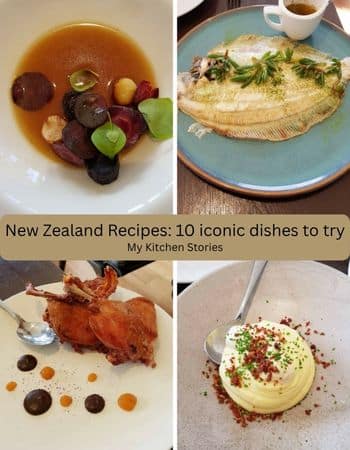
New Zealand’s food culture is more diverse than most people expect. Shaped by Maori traditions, British colonial heritage, and Pacific Island influences, Kiwi cuisine has produced dishes that are hard to find anywhere else in the world.

With over 5 million people and one of the highest lamb consumption rates per capita globally, New Zealand’s food identity is proudly its own. Whether you’re planning a trip across the Tasman or simply want to cook something different at home, these are the recipes worth knowing.
What Makes New Zealand Recipes Unique
New Zealand recipes sit at the crossroads of indigenous Maori cooking and settler food culture. The hangi, a method of cooking food in an earth oven using heated rocks, is one of the oldest and most recognisable cooking techniques in the country. Beyond tradition, New Zealand’s clean agricultural environment produces world-class lamb, green-lipped mussels, kumara (sweet potato), and manuka honey, which feature heavily across the cuisine.
Modern Kiwi cooking also borrows from neighbouring Pacific nations and the large Asian immigrant communities in Auckland and Wellington, making it far more eclectic than its reputation suggests.
The 10 Iconic New Zealand Foods
1. Hangi
The h?ng? is the cornerstone of Maori cooking and beloved in New Zealand. All New Zealanders seem to be proud of the tradition of a hangi and it is unusual to be invited to a home in New Zealand or visit the country without ever experiencing this.
Meat (traditionally lamb, pork or chicken) and vegetables are placed in baskets and lowered into a pit lined with hot stones, and covered again with more stones, dirt and leaves. The slow, smoky cook takes several hours and produces incredibly tender, earthy-flavoured food. Home versions use a large pot or a purpose-built hangi pot, which is widely available in New Zealand supermarkets. The flavour comes from the steam and smoke, the combination of proteins with root vegetables like kumara, potato, and pumpkin. This isn’t an herb-filled, ultra-flavoured dish but one of comfort and smoky freshness, beloved by New Zealanders

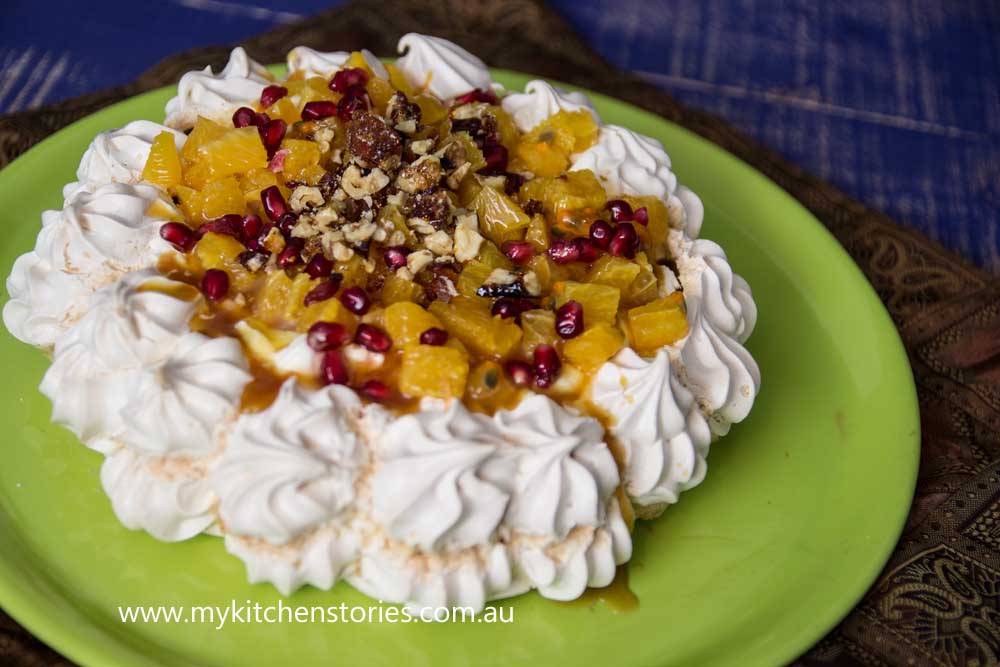
2 Pavlova
The pavlova debate between Australia and New Zealand is ongoing, with both countries claiming it with stories and claimed evidence. The pavlova was, most likely, a hybrid of a French dish made in the eighteen hundreds and adapted by travellers to both nations. It is said the dessert was likely named after Russian ballerina Anna Pavlova during her 1926 tour of the region, but this lends to the adaptation to tropical ingredients such as kiwi fruits and passionfruit on both sides of the ditch. The base is a crisp meringue shell with a soft, marshmallow-like centre. It is topped with whipped cream and fresh fruit, traditionally kiwifruit and strawberries. The key to a good pavlova is low and slow baking (around 120°C for 90 minutes) and leaving it to cool completely in the oven with the door ajar.
3. Kumara Kumara Kumara !
Kumara (the Maori name for sweet potato) is a staple crop and a top ingredient for recipes in New Zealand. Maori settlers brought them to New Zealand nearly 700 years ago, making them a vital part of M?ori cuisine and culture. They are commonly roasted, to be used as part of New Zealand’s beloved roast dinners or mashed, made into chips, used in salads, stews and especially soups!. They are an integral part of a Hangi. And can be found in multiple varieties from white to purple, orange and red. Image of sweet potatoes: Image below: https://koanga.org.nz

Recipe for Sweet Potato (Kumera) and Lentil Soup with Bacon HERE
or try this delicious Chicken, Sweet Potato ( Kumara) and hoisin sauce
4. Whitebait Fritters
Whitebait fritters are taken seriously on the West Coast of New Zealand’s South Island, but are commonly loved all over New Zealand. Whitebait (juvenile fish, mostly inanga) are mixed with egg and a little flour, then pan-fried. No spices, no fuss. The batter should be light enough for the whitebait to remain the star. The season runs from September to November, and the fritters are traditionally eaten in a white bread sandwich.

5.Kiwi Mince and Cheese Pie
The mince and cheese pie is arguably New Zealand’s most consumed savoury food. Every bakery in the country has one. The filling is a rich beef mince with gravy and melted cheese, encased in short pastry or sometimes puff. Judged annually at the New Zealand Bakels Pie Awards, the competition is fierce. To make one at home, use a ratio of roughly 400g beef mince to 200ml beef stock, simmered with onion, Worcestershire sauce, and a tablespoon of tomato paste. Grated tasty cheese goes in at the end.

Find a great recipe here for mince and cheese pies from recipes by Carina
6. Rewena Paraoa (Maori potato bread)
Rewena bread is a traditional Maori sourdough made using a fermented potato starter called the “bug.” The potato is cooked, mashed, and mixed with flour and a little sugar. Over 2 to 3 days, it ferments into a lively starter. The bread has a slightly sour flavour, a dense crumb, and a thick crust. that is unique to Aotearoa (New Zealand). It is a Maori food that symbolises status, wealth, nourishment, and genealogy. It is deeply tied to family gatherings and Maori communal food culture and has seen a strong revival in recent years.
You can find it at Farmers’ Food Markets in many parts of New Zealand. You can even find it served at Whare Waka Cafe at the Waitangi Treaty Grounds. You can also find it here in Sydney. Just search social media for Rewena bread

Image New Zealand Herald
7. Afghan Biscuits
Despite the name, Afghan biscuits are entirely Kiwi. They appear in the Edmonds Cookery Book, which is the most used cookbook in New Zealand history, first published in 1908. The biscuit is made with butter, flour, sugar, cocoa powder, and crushed cornflakes, then topped with chocolate icing and a walnut half. They are slightly crisp on the outside and chewy in the middle.
Try this New Zealand Afghan recipe :

8 Lamb is still a winner
If Australia was once said to have ridden on the sheep’s back, such was its importance to our economy, surely New Zealand would still be said to run on the lamb’s leg.
90% of Lamb produced in New Zealand is exported, and this product significantly contributes to the national GDP.
Roast Lamb is arguably still a firm family favourite in New Zealand in homes all around the country. But it is now more likely you’ll find all kinds of amazing and delicious creations involving Lamb in cafes and restaurants around New Zealand that no longer relate to the traditional Roast Leg of Lamb. Find some interesting Lamb recipes here and that lovely Lamb fillet with Mint Hummus above HERE
9 Smoked eels and fish
Smoking is a traditional part of Maori and Pacific island culture in food production. Smoked Eel and Mullet are still a big part of many diets. Although the eel industry in New Zealand is shrinking, smoked eels and fish are a specialty. Gorgeous local fish such as snapper, salmon, trevally, mullet, Kahawai, mussels, marlin, and kingfish are smoked slowly with local Manuka wood. Some of this special produce is made by independent smokers, like, Aputa Aqua in Northland or some of the bigger ones around the eel fisheries in Te Waihora (Lake Ellesmere), Canterbury. Eel is not as popular as it used to be, but making it into a pate/ dip is a great way to try it.
Eel Pate
- 2 smoked eels or 1 whole smoked trout
- 75g and 75 g unsalted butter, melted (separately)
- Grated zest of 1 lemon
- 2 eschalots, or Spanish onion finely chopped
- 3 teaspoons horseradish sauce
- 1. Peel the skin from the eels and remove any bones. Flake the flesh, discarding the bones, then place in a food processor with 75 g of the butter, lemon zest and eschalots or Spanish onion. Blend until smooth, then pour into a ceramic bowl or dish.
- 2. If you want to seal it to keep, then heat the horseradish and remaining butter in a pan over low heat and stir until just melted. Pour over pâte in the dish and refrigerate until set. Bring the pâté to room temperature before serving with crackers or toast.
10. Pineapple Lumps a nostalgic favourite
Not a recipe to cook, but a nostalgia to understand: Pineapple Lumps are New Zealand’s most iconic confectionery. It has a chewy, pineapple-flavoured centre coated in dark chocolate; they have been manufactured since the 1950s. Kiwi expats list them as one of the foods they miss most, even though not many of them actually own up to eating them. You can make a homemade version by combining pineapple essence with glucose syrup, icing sugar, and gelatine, then coating the set candy in tempered dark chocolate.

Cooking New Zealand Food in Australia
Most ingredients used in New Zealand recipes are readily available in Australian supermarkets. Kumara is sold as an orange sweet potato in Coles and Woolworths.
Whitebait can be sourced at specialist fishmongers or Asian grocery stores. The main challenge is the h?ng?, which requires preparation time and space, though h?ng? pots are available online and in some NZ-focused stores.
For Australians planning to travel across the Tasman and experience these dishes in person, connectivity matters. Holafly’s eSIM for New Zealand lets you stay online from the moment you land, which is useful for navigating markets, translating menus in Maori, or looking up the nearest bakery with a prize-winning pie.

New Zealand Recipe FAQs
What is the national dish of New Zealand? New Zealand does not have an officially declared national dish, but the hangi is the most culturally significant. The pavlova is often cited as the most iconic dessert.
What do New Zealanders eat for breakfast? Toast with Marmite or Vegemite, Weet-Bix with milk, scrambled eggs, and baked beans are common. Café culture is strong in New Zealand, so flat whites and avocado toast are also standard.
Are New Zealand and Australian recipes the same? They share overlap (Anzac biscuits, lamingtons, pavlova), but New Zealand has distinct recipes tied to Maori culture and local produce that are not part of Australian food tradition.
What is a typical New Zealand dinner? Roast lamb with kumara and vegetables is the most traditional Sunday dinner. Midweek, pasta, stir-fries, and fish are common. Meat pies and fish and chips remain staple takeaway options along with all of the other typical takeaways of a western culture, burgers, curries, fried chicken etc.
Note: This is a sponsored post. I am happy to mention Holafly. I have travelled to Greece, Spain, France, Japan, Italy and Sri Lanka with Holafly (all independently paid for) and each trip has been trouble-free with unlimited data!