

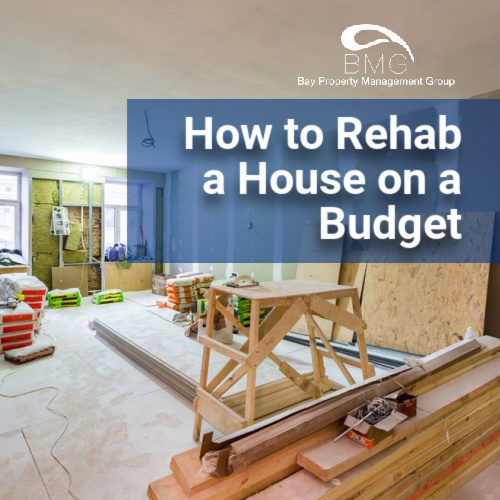
If you’re an investor looking to take on a large real estate project, you may consider rehabbing a house. There’s no doubt that the process can be costly, challenging, and time-consuming. However, a successful rehab can be a rewarding and potentially profitable investment strategy, especially when you carefully manage your budget and timeline. So, if you want to learn how to rehab a home while staying on budget, just keep reading.
Main Takeaways
- A successful house rehab starts with a thorough property evaluation, a realistic budget, and a clear investment strategy.
- Working with qualified contractors, obtaining the proper permits, and prioritizing major repairs can help keep your rehab project on schedule and within budget.
- Whether you plan to sell or rent the property, careful planning throughout the rehab process can help maximize your return on investment.
What Is a House Rehab?
A house rehab is when an investor buys a property in its current condition and renovates or improves it. The goal of rehabbing a house is to sell it for profit or rent it out to tenants as a long-term investment strategy.
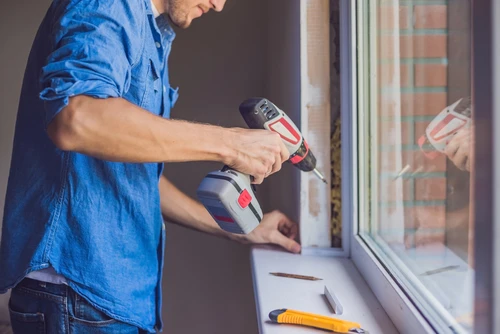
It’s important to note that rehabbing a house differs from buying a fixer-upper. While the terms are often used interchangeably, a fixer-upper refers to a property that needs repairs, whereas a house rehab describes the renovation process itself. A fix-and-flip is an investment strategy that involves purchasing, renovating, and reselling a property for profit.
If your goal is to keep the property as a long-term rental instead of selling it, partnering with a property management company in Baltimore can help you market the home, screen tenants, and manage it once the rehab is complete.
How Much Does It Cost to Rehab a House?
The average home rehab costs around $20,000 to $75,000 or more, depending on the size and type of property. To estimate the costs of rehabbing a house, you must factor in several things. For instance, you must first consider the property’s purchase price, as it’s the first significant cost.
Some other costs to think about include the following:
- Supply and Material Costs
- Contractors and Labor Costs
- Lender Fees
- Permits Associated with Rehabbing
- Ownership Costs
Considering all the costs and moving parts involved in a rehab project can feel overwhelming. If you don’t know where to start, read along as we go over a step-by-step guide to help you.
Step-by-Step Guide to Rehabbing a House
The first step to rehabbing a house is purchasing a property that needs renovations or repairs. Before making an offer, you’ll want to estimate the After Repair Value (ARV) to determine how profitable it will be once repairs are made. Then, you can better determine an exit strategy and which financing options will work best for your investment.
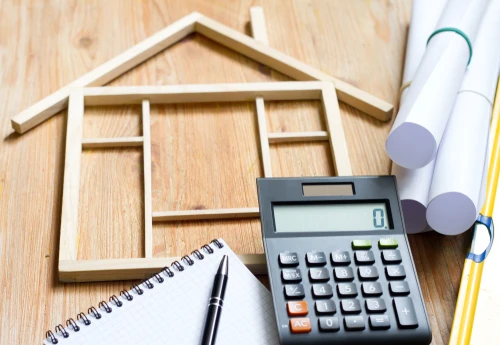
If you’re not sure how to start once you’ve purchased your property, here are the steps to consider.
- Evaluate Your Property
- Come Up With a Budget
- Find Qualified Contractors
- Get the Right Permits
- Demo and Clean the Property
- Start on the Exterior
- Finish With the Interior
- Complete Your Exit Strategy
Evaluate the Property
One of the most crucial steps in a home rehab is the initial property evaluation, especially if you’re on a budget. After all, overlooking potential major issues can hurt your budget, timeline, and profits. Therefore, inspecting the property with a professional inspector should be first on your to-do list.
A professional inspection can help reveal any major interior or exterior issues. For instance, an inspector usually examines the electrical system, plumbing, foundation, roof, flooring, heating and cooling, and more. Taking photos and making notes of major issues is important during this time.
Come Up With a Budget
Once you know which repairs are needed, you can start estimating costs and creating a budget. Make sure to include at least the cost of materials, permits, and labor within your estimate. Additional costs may include cosmetic updates or final improvements.
Once you have a rough idea of how much it’ll cost, come up with a predetermined dollar amount that you’re willing to spend on the entire project. This can help you prioritize repairs or make changes to your rehab process.
It’s also wise to set aside a contingency fund—often around 10% to 20% of your renovation budget—to help cover unexpected repairs or cost overruns that may arise during the project.
Find Qualified Contractors
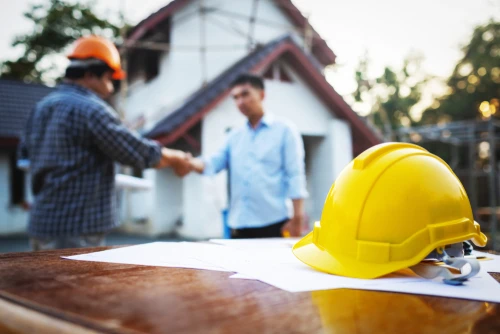
Finding qualified contractors is one of the most crucial steps in rehabbing a house. After all, they’re responsible for turning your property into a profitable investment. So, you’ll want to spend enough time searching for qualified and reputable contractors.
When looking for a contractor, ensure they’re properly licensed, insured, and qualified to perform the work required in your jurisdiction. Additionally, you’ll want to get references from previous clients to see if they’re a good match for your project.
Get the Right Permits
Before beginning the rehab, make sure you obtain any required permits. It’s best to check with your local building department to determine what types of permits you need for the type of work being performed.
Skipping required permits can result in fines, delays, or complications when selling or renting the property later.
Demo and Clean the Property
Once you have the correct permits and you’re ready to begin rehabbing, the first step is cleaning out the property. Depending on the condition and property type, this will include removing all trash and damaged items from the interior and exterior of the property.
Although it doesn’t necessarily add value to the property, this step will give you a good starting point to help prepare for any major renovations. Additionally, since you can do this step yourself, it costs nearly nothing except some time and effort.
Start on the Exterior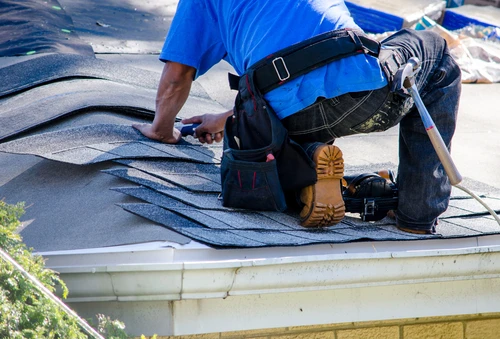
Start with repairs that protect the home’s structure and prevent further damage, such as the roof, gutters, siding, or drainage systems, before moving on to cosmetic improvements. Once those larger issues are addressed, you can focus on projects like replacing railings, mailboxes, windows, painting, and landscaping.
Look at comparable homes in the surrounding area to identify improvements that align with local market expectations. This can help you identify small improvements that may make your property more attractive when it’s time to sell.
Finish With the Interior
Most of the costs and work come from the interior repairs and renovations. Most rehab projects’ most expensive interior repairs include plumbing, electrical, and HVAC work. You’ll also need to budget for flooring, cabinetry, appliances, and other interior finishes. However, there are several ways to save throughout this process.
The easiest way to save on costs is by finding interior projects that you could do yourself without hiring a contractor. For instance, you may want to repair existing parts of the home instead of replacing them. Or, you could tackle smaller projects on your own, like painting, installing hardware, landscaping, or other cosmetic improvements.
Complete Your Exit Strategy
The last step is completing any final improvements and executing your exit strategy. Before selling or renting the property, review all completed work and schedule any required final inspections. Once everything has passed inspection, you can move forward with your exit strategy.
After you find a buyer or renter, your rehabbing project is complete! If you’re renting the property, reach out to your local rental property management team in Baltimore for help finding tenants and maintaining properties.
How Long Does It Take To Rehab a House?
Rehabbing a house can take anywhere from a few weeks to six months. Since each rehab is different from one another, the project timeline depends on several factors. For instance, you have to factor in the size of the property, specific renovations, and your team of contractors.

That said, evaluating and estimating these costs is crucial before purchasing a property. After all, they directly impact your overall budget and timeline.
If you’re looking at simple cosmetic fixes for a home, it can take anywhere from a few days to a few months. Some small renovations include painting the interior, installing new flooring and cabinetry, or purchasing new appliances.
On the other hand, looking at more extensive renovations like a complete kitchen or bathroom remodel could take a few weeks to six or more months. That said, most renovations fall into this category, so it’s important to factor in the complexities of your rehab project.
FAQs About Rehabbing a House
Before starting a rehab project, it’s normal to have questions about costs, timelines, and the renovation process. Below are answers to some of the most common questions investors ask before rehabbing a house.
How much does it cost to rehab a house?
The cost of rehabbing a house varies depending on the property’s condition, size, location, and the scope of work. Cosmetic updates typically cost much less than full renovations involving structural, electrical, plumbing, or HVAC repairs.
How long does it take to rehab a house?
A house rehab can take anywhere from a few weeks to several months. The timeline depends on the extent of the renovations, contractor availability, permit approvals, inspections, and any unexpected issues discovered during the project.
Should I hire contractors or do the work myself?
It depends on your experience and the type of repairs involved. Many investors handle smaller cosmetic projects themselves to save money, while licensed contractors are generally recommended for specialized work such as electrical, plumbing, roofing, or structural repairs.
What should I inspect before buying a house to rehab?
Before purchasing a property, inspect the foundation, roof, plumbing, electrical system, HVAC, windows, and structural components. A professional home inspection can help identify costly repairs and provide a better estimate of your renovation budget.
Is rehabbing a house a good investment?
Rehabbing a house can be a profitable investment when you purchase the property at the right price, accurately estimate renovation costs, and have a clear exit strategy. Careful planning and budgeting are key to maximizing your potential return.
Care For Your Rentals With Property Management
If you’re rehabbing a house to start or add to your rental business, you’ll want to think about how you will manage it. After all, managing rental properties takes a lot of time and effort. Marketing properties, finding tenants, preparing contracts, and maintaining rentals add up to a lot of work. That’s why many landlords hire property management services.
Bay Property Management Group offers comprehensive rental management for landlords who don’t have time to manage each property. If you want to learn more about how we can help your rental business, contact BMG today. We manage properties in Baltimore, Philadelphia, Northern Virginia, and Washington, DC.


