
Thailand Travel Budget: how much does trip to Thailand cost?


When I first started exploring on a tight Thailand travel budget, I was a backpacker living off street food, cheap hostels, and local buses. Those early trips taught me how far a few dollars could go, and honestly, that’s what hooked me.
Over time, I’ve come back to Thailand again and again, each visit shaped by a different budget and mood. Some trips I keep it lean, stretching every coin for temples, markets, and night trains.
Other times I splurge a little—boutique hotels, cooking classes, or island tours that add comfort without draining my wallet. What I love most is the flexibility: Thailand lets me design my experience around whatever budget I set.
Whether I’m backpacking on a shoestring or treating myself to mid‑range comforts, I always feel like I’m getting incredible value. That’s why Thailand keeps pulling me back—it’s a destination that adapts to me.
Daily Thailand Travel Budget (Average Costs)
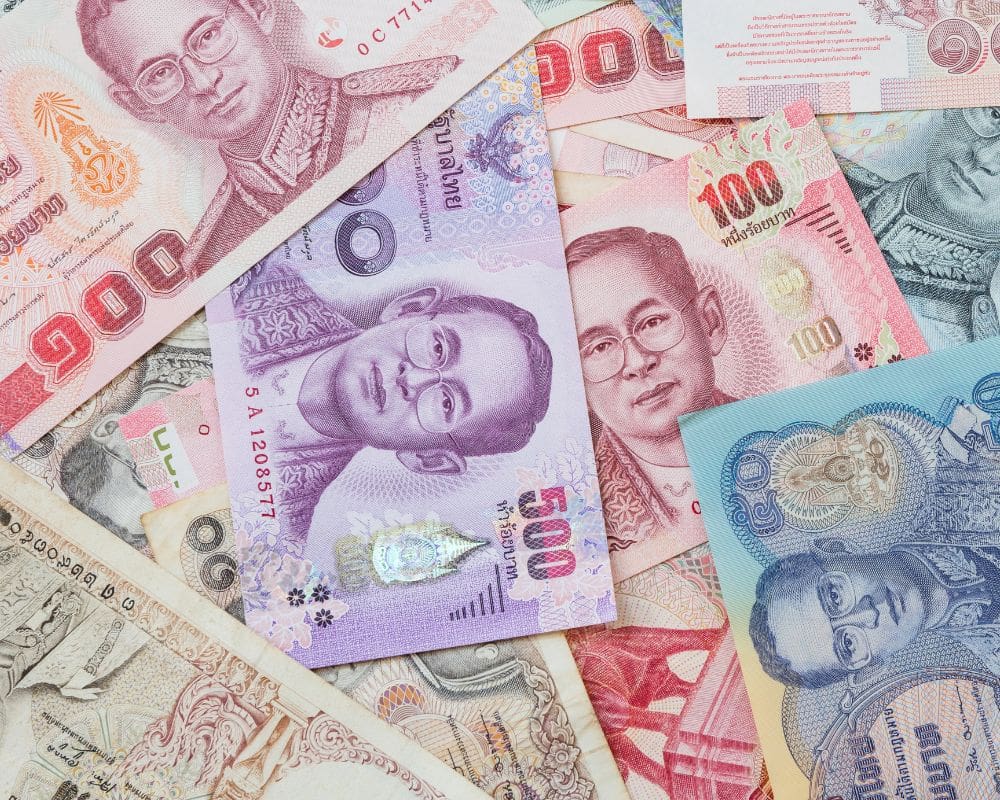
Budget Travel
- Accommodation: I stay in hostels or guesthouses, usually around $8–$15 per night.
- Food: Street food is my go-to, and I spend about $5–$10 per day.
- Transport: I hop on local buses, songthaews, or tuk-tuks, which cost me $3–$8 daily.
- Activities: Visiting temples, markets, and free attractions adds about $5–$10.
- Total: My budget days come to roughly $30–$50.
Mid-Range Travel
- Accommodation: I like boutique hotels or Airbnbs, which range from $25–$60 per night.
- Food: I mix street food with sit-down restaurants, spending $15–$25 daily.
- Transport: Domestic flights or private taxis usually cost me $10–$20 per day.
- Activities: Tours, cooking classes, or excursions add $20–$40.
- Total: I spend about $60–$120 per day when I want more comfort.
Luxury Travel
- Accommodation: Resorts or luxury hotels can easily be $100–$250+ per night.
- Food: Fine dining and international cuisine set me back $40–$80 daily.
- Transport: Private drivers or premium flights cost $30–$60 per day.
- Activities: Spa treatments, private tours, or diving add $50–$100+.
- Total: My luxury days in Thailand usually start at $150+.
📱 Before diving into detailed costs, one overlooked expense is mobile data. Instead of scrambling for SIM cards at the airport, an e‑SIM lets you activate coverage instantly. Plans start around $5, making it a seamless addition to your Thailand travel budget.
CHECK PRICES FOR THAILAND E-SIM →
Thailand destinations from cheapest to most expensive
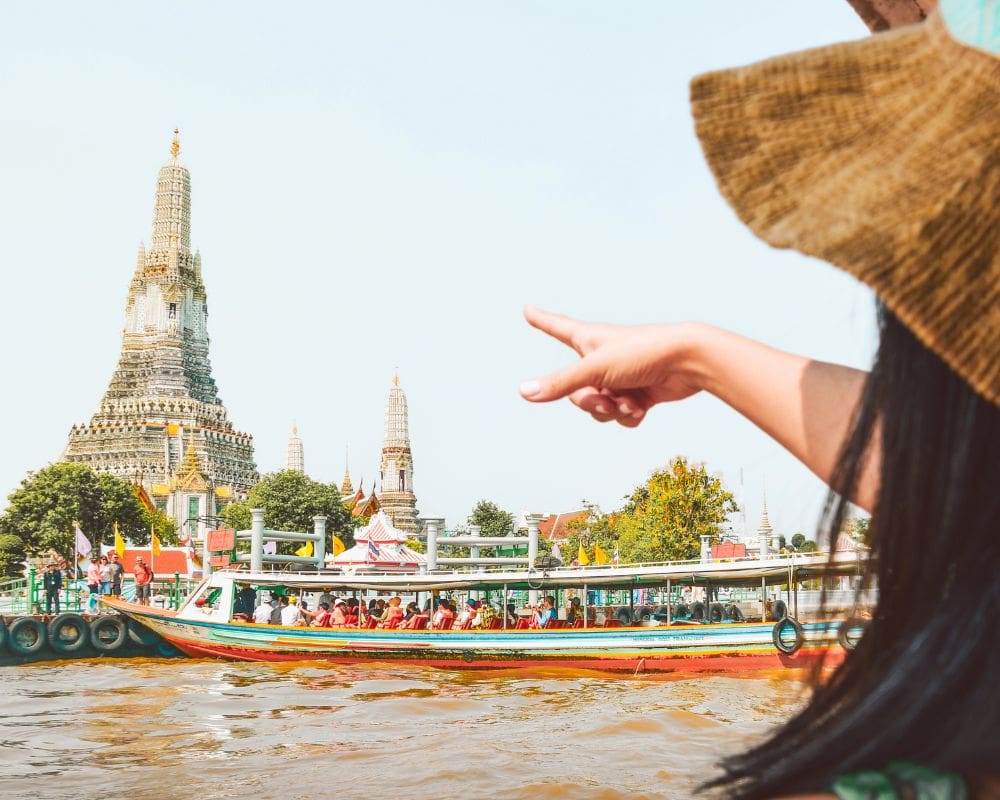
Your Thailand travel budget will look very different depending on where you go. Some destinations are famously cheap, while others can quickly drain your wallet.
To help you plan smarter, here’s a ranking of Thailand’s most popular spots, from the most affordable towns to the priciest islands.
- Chiang Mai ($30–$50) – Northern hub with cheap hostels, abundant street food, and low‑cost activities
- Pai ($35–$55) – Small mountain town known for affordable guesthouses and a relaxed backpacker vibe
- Isaan Region ($35–$60) – Rural northeast with very low food and accommodation costs, fewer tourists
- Bangkok ($40–$80) – Wide range: budget hostels and street food, but tours and nightlife can add up
- Chiang Rai ($45–$85) – Affordable but slightly pricier than Chiang Mai, popular for temple visits
- Koh Tao ($50–$90) – Diving paradise with budget bungalows, though activities raise overall costs
- Phuket ($60–$120) – Resorts, nightlife, and tours push prices higher; budget options exist inland
- Koh Samui ($70–$130) – Mid‑range and luxury dominate, though hostels and cheap eats are still possible
- Krabi ($70–$140) – Popular for beaches and tours; accommodation and transport tend to be pricier
- Koh Phi Phi ($80–$150+) – One of the most expensive islands, limited budget stays, nightlife adds costs
Accommodation for every Thailand travel budget

Thailand has options for every style—whether you’re backpacking, craving boutique charm, or splurging on luxury. Here’s a quick look at what you can expect for accommodation costs:
- Hostels ($8–$15): Shared dorms, social vibe, basic amenities
- Guesthouses ($12–$20): Family-run stays, cozy rooms, local tips
- Boutique Hotels / Airbnb ($25–$60): Stylish comfort, private rooms, unique design
- Mid-Range Resorts ($60–$120): Pools, beachfront views, upgraded facilities
- Luxury Hotels & Resorts ($150+): Premium service, spa access, high-end dining
I’ve created detailed accommodation maps across Thailand that show real prices, from budget hostels to boutique hotels and resorts.
It’s the perfect tool to match your Thailand travel budget with the right place to sleep. Go check them out!
Thailand travel budget for food and drinks
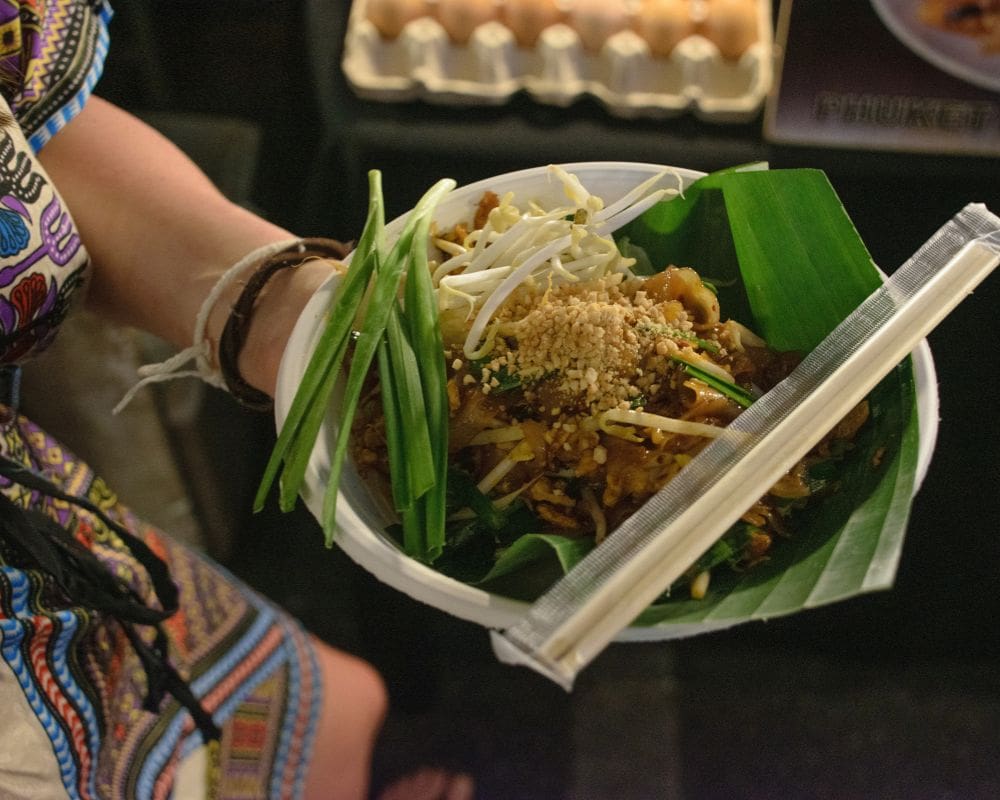
When it comes to food, your Thailand travel budget won’t stretch—it’ll feel endless. Street stalls serve full meals for just a few dollars, cafés and local restaurants stay affordable, and even sit‑down dinners rarely break the bank.
Expect cheap, tasty options everywhere, with plenty of variety to keep things exciting!
- Street Food ($5–$10) – Pad Thai, curries, quick snacks, and fresh fruit shakes
- Local Restaurants ($10–$20) – Casual sit‑down meals, bigger portions, and regional dishes
- Cafés & Western Food ($15–$30) – Coffee shops, burgers, pizzas, and imported ingredients
- Mid‑Range Dining ($25–$40) – Trendy restaurants, seafood, and a mix of Thai and international flavors
- Fine Dining ($40–$80+) – Upscale venues with multi‑course meals, wine, or cocktails
Transportation costs in Thailand
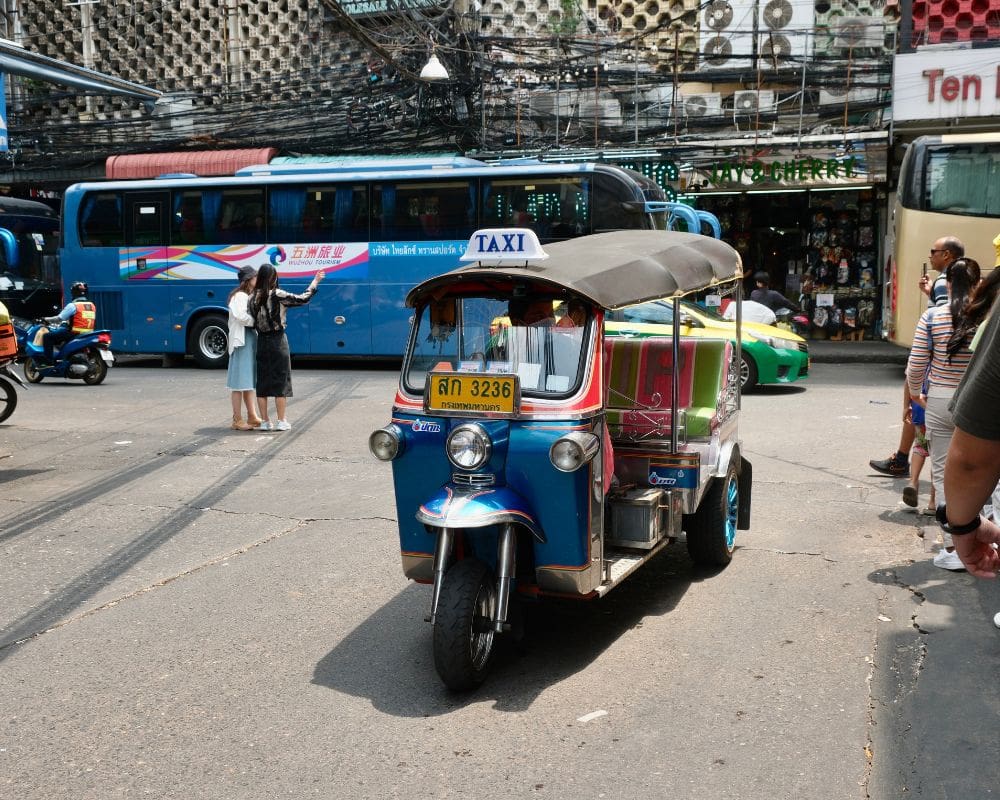
Getting around Thailand is part of the adventure, and it’s surprisingly easy on your wallet. You can jump into a tuk‑tuk, ride the train, or book a quick flight between islands—all at reasonable prices.
Your Thailand travel budget goes further when you balance everyday local rides with the occasional splurge.
Below is a breakdown of common options and what you can expect to pay:
- Tuk‑tuks – $2–$6 per ride: Short trips, fun but often pricier than taxis
- Motorbike Taxis – $1–$4 per ride: Quick zips through traffic, best for short distances
- Songthaews – $0.50–$2 per ride: Shared pickup trucks, common in smaller towns
- Local Buses – $0.30–$1 per ride: Cheapest way to move around cities
- Metro/Train – $0.50–$2 per trip: Bangkok BTS/MRT, efficient and air‑conditioned
- Intercity Buses – $8–$25 per trip: Long‑distance routes connecting provinces
- Trains – $5–$40 depending on class: Scenic rides, sleeper options for overnight journeys
- Domestic Flights – $40–$120 one‑way: Fastest way to reach islands or distant regions
- Ferries – $5–$15 per trip: Essential for island hopping
- Motorbike Rentals – $6–$12 per day: Popular with travelers, flexible but requires caution
- Car Rentals – $25–$60 per day: Good for families or road trips, higher insurance costs
- Taxis – $2–$10 per ride: Metered in Bangkok, negotiated elsewhere
- Grab/Other Ride Apps – $2–$12 per ride: Convenient, transparent pricing, available in major cities
Costs of activities in Thailand
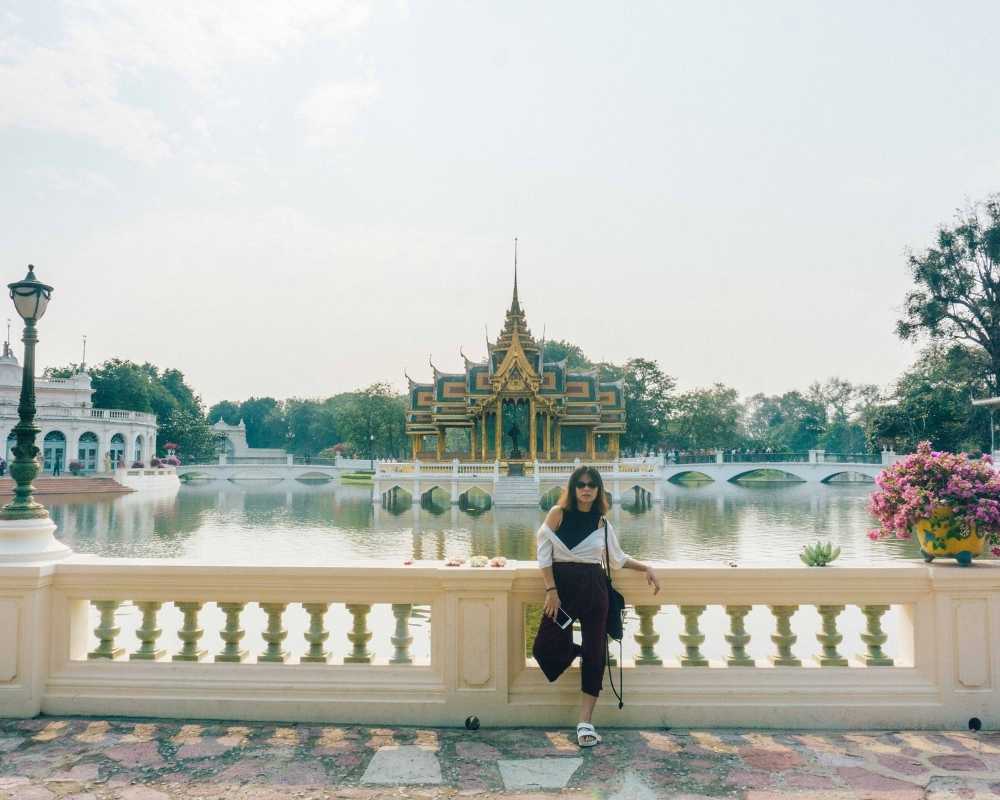
From cooking classes to island hopping, prices of activities in Thailand stay reasonable compared to other destinations.
Your Thailand travel budget can easily cover a mix of cultural tours, outdoor adventures, and nightlife fun without breaking the bank.
Here’s a quick rundown of the most popular activities in Thailand with prices included:
Additional costs to include in your Thailand travel budget
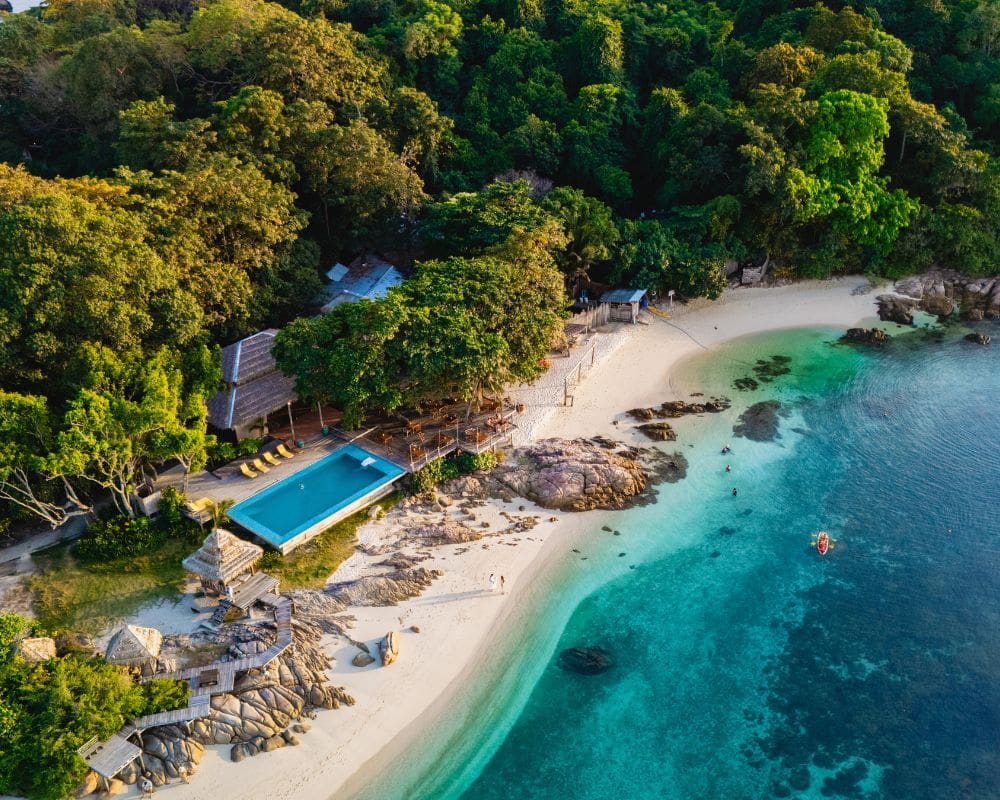
Beyond food, lodging, and transport, Thailand comes with smaller expenses that travelers often overlook. From SIM cards to temple donations, these extras can quietly add up.
Factoring them into your Thailand travel budget ensures smoother planning and fewer surprises along the way.
- E‑SIM or Local SIM ($5–$15) – Affordable data packages for easy connectivity
✅ Get your E-SIM here - Visa Fees ($30–$60 depending on nationality) – Tourist visas or extensions if staying longer than 30 days
- Travel Insurance ($40–$80 for two weeks) – Covers medical emergencies, cancellations, or lost items
✅ Check travel insurance plans here - ATM Withdrawal Fees ($5–$6 per transaction) – Thai banks charge per withdrawal, plus your home bank’s fee
- Currency Exchange Costs (2–5%) – Commission or unfavorable rates at airports and tourist areas
- Tipping & Service Charges ($1–$5 daily) – Not mandatory, but common in restaurants, spas, and tours
- Laundry ($2–$5 per load) – Guesthouses and laundromats charge per kilo or per bag
- Souvenirs & Shopping ($20–$50 depending on taste) – Local crafts, clothing, or market finds
- Drinking Water ($0.30–$1 per bottle) – Tap water isn’t safe, so bottled water adds up
- Temple Donations ($1–$3 each visit) – Optional but appreciated at cultural sites
- Beach Chair Rentals ($2–$5 per day) – Common at popular beaches like Phuket or Pattaya
- Nightlife & Alcohol ($10–$30 per night) – Bars, clubs, and cocktails can quickly raise costs
- Massage & Spa Treatments ($8–$25 per session) – Affordable compared to Western countries, often a daily indulgence
Thailand vs. other Southeast Asian countries’ budget comparison
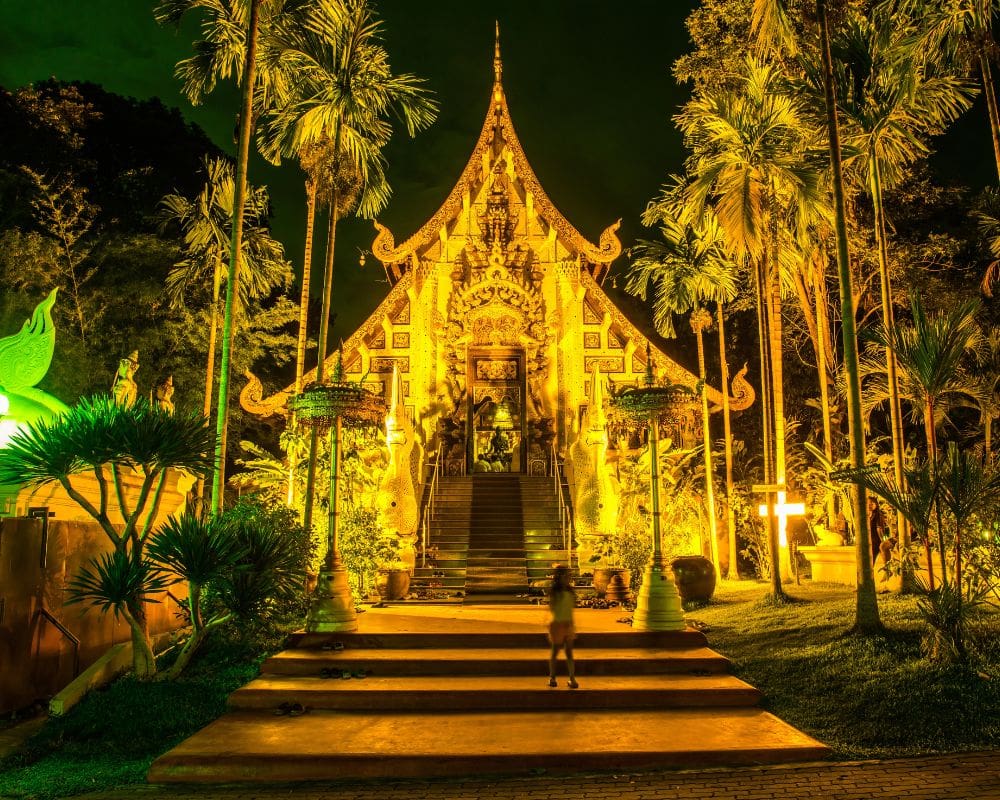
Travel costs in Southeast Asia vary widely, and Thailand often sits right in the middle. While it’s cheaper than Malaysia, it can feel pricier than Vietnam, Laos, or Indonesia.
Comparing daily expenses across the region helps you see where your Thailand travel budget stands and how far it stretches against neighboring countries.
Here’s a clear comparison of Thailand vs. other Southeast Asian countries based on average daily travel budgets:
- Thailand – $35–$50/day: Mid‑range costs; cheap street food and hostels, but tours and nightlife raise expenses
- Vietnam – $25–$40/day: Generally cheaper; accommodation averages $26/day, meals $2–$4, transport similar to Thailand
- Cambodia – $30–$45/day: Affordable overall; Angkor Wat tours add costs, but daily food and lodging are inexpensive
- Laos – $20–$35/day: Very budget‑friendly; simple guesthouses and local meals keep expenses low
- Malaysia – $40–$60/day: Slightly higher than Thailand; modern infrastructure and diverse food, but transport and lodging can be pricier
- Indonesia – $25–$40/day: Cheaper than Thailand; Bali is pricier, but local food and transport across other islands are very affordable
Key takeaway: Thailand sits in the middle of the Southeast Asia budget spectrum—more expensive than Vietnam, Laos, and Indonesia, but cheaper than Malaysia.
Cheapest months to visit Thailand
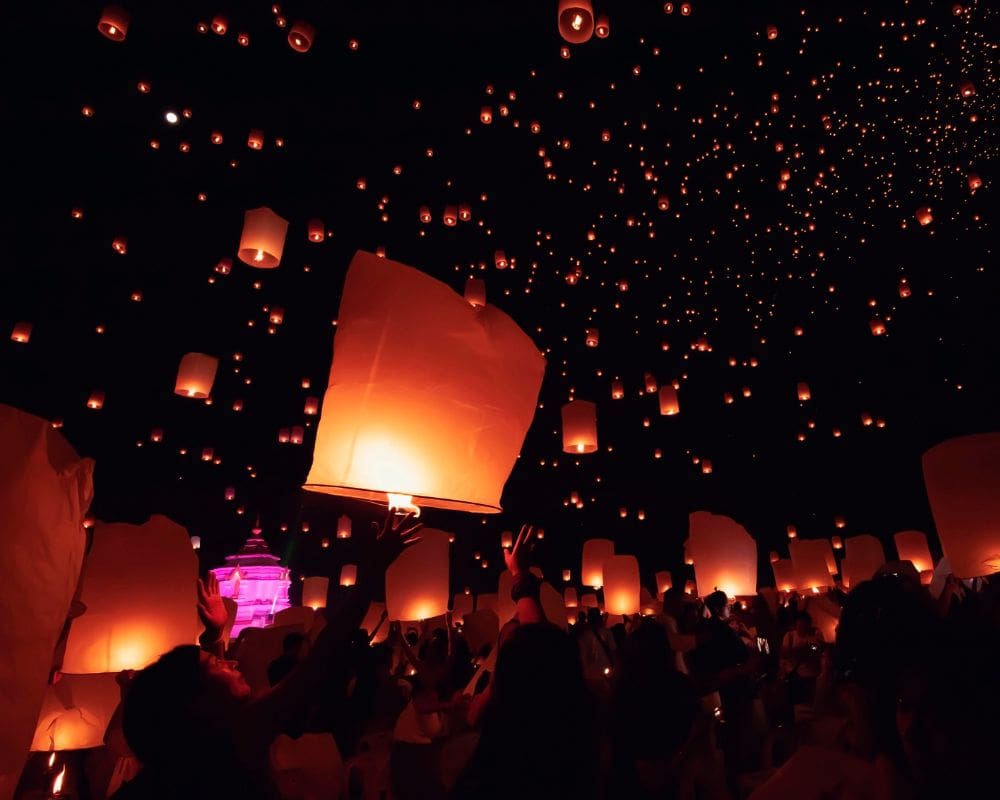
The cheapest months to travel to Thailand are typically during the low season from May to October. This period coincides with the rainy season, meaning fewer tourists, lower hotel rates, and discounted flights.
While showers are common, they’re often short and refreshing, leaving plenty of time for exploring. Islands like Koh Samui still enjoy pockets of sunshine, and popular cities such as Bangkok and Chiang Mai feel less crowded.
For travelers focused on stretching their Thailand travel budget, this season offers the best deals without sacrificing the country’s vibrant food, culture, and adventure.
FAQ: Thailand travel budget
Is Thailand cheap to travel?
Thailand is widely seen as affordable compared to Western destinations. Street food, hostels, and local transport are very cheap, while activities, nightlife, and upscale dining can raise costs. With smart choices, travelers enjoy excellent value without overspending.
How much money do I need per day in Thailand?
Budget travelers can get by on $30–$50 daily, covering food, hostels, and local transport. Mid‑range travelers average $60–$100, enjoying nicer hotels and tours. Luxury trips often exceed $150 per day, depending on activities and dining preferences.
What is the average cost of a trip to Thailand?
A two‑week trip usually ranges between $600–$1,400 depending on travel style. Backpackers spend less by eating street food and staying in hostels, while mid‑range travelers spend more on hotels and tours. Luxury travelers can expect significantly higher costs.
What are the biggest expenses in a Thailand travel budget?
Accommodation and activities are the largest expenses. Food and local transport remain inexpensive compared to Western countries. Tours, domestic flights, and nightlife can quickly add up, so balancing splurges with budget options helps keep overall costs manageable.
When is the cheapest time to visit Thailand?
The rainy season from May to October is the most budget‑friendly period. Hotels and flights drop in price, and attractions are less crowded. While showers are common, they’re often brief, leaving plenty of time for sightseeing and activities.
How can I save money while traveling in Thailand?
Eat street food, use local buses or trains, and book activities directly instead of through agencies. Avoid peak season travel, choose guesthouses over hotels, and mix budget experiences with occasional splurges to stretch your Thailand travel budget further.
What is the currency in Thailand?
The official currency of Thailand is the Thai Baht (THB). One Thai Baht is currently worth about 0.03 USD.
What can I buy for $1 USD in Thailand?
For $1 in Thailand (about ฿35), you can buy small everyday essentials like street food, drinks, or convenience items. $1 stretches surprisingly far in Thailand, especially for food and small conveniences, making it easy to keep your Thailand travel budget under control.


![3, 5, and 7 Day Tokyo Itinerary Templates For Solo Female Travelers [Free Download!]](https://som2nynetwork.com/wp-content/uploads/2025/06/7-Day-Tokyo-Itinerary-for-Solo-Female-Travelers-336x220.jpg)
