When Mumbai Becomes the Festival: A Guide to Ganesh Chaturthi


When travelers think of Mumbai, they often picture Bollywood, locals, and the fast-paced life of India’s financial hub. But visit in August or September, and you will see an entirely energetic side of the city. Ganesh Chaturthi in Mumbai transforms the city into a vibrant celebration. Streets are decorated, music and drumming fill neighbourhoods, and millions come together in one voice, saying “Ganpati Bappa Morya” (Hail Lord Ganesh!).

Celebrated across Maharashtra, the vibe of Mumbai is undoubtedly its heart. Think of it as New York’s Times Square on New Year’s Eve – but stretched across an entire city for ten whole days!

What is Ganesh Chaturthi?

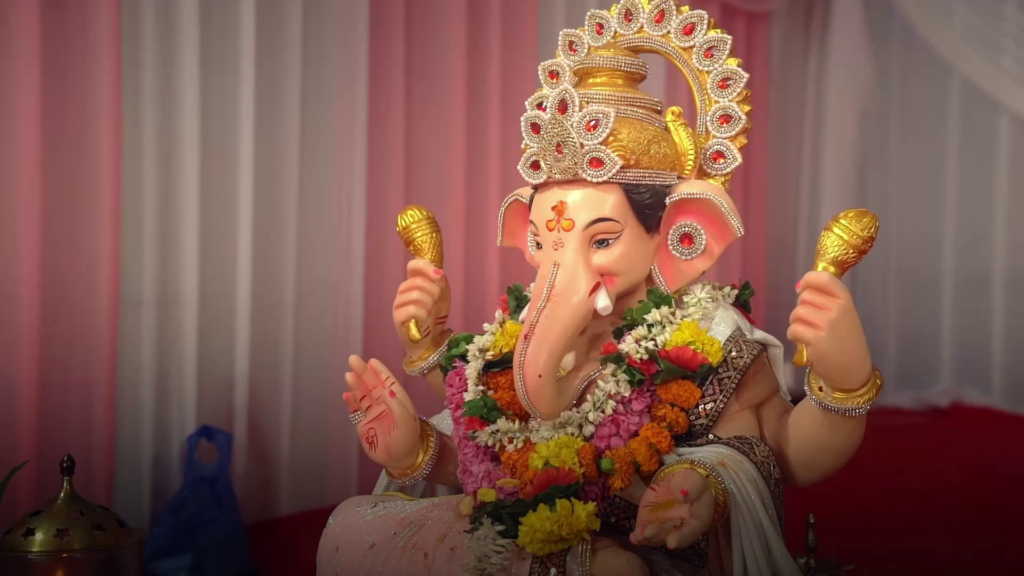
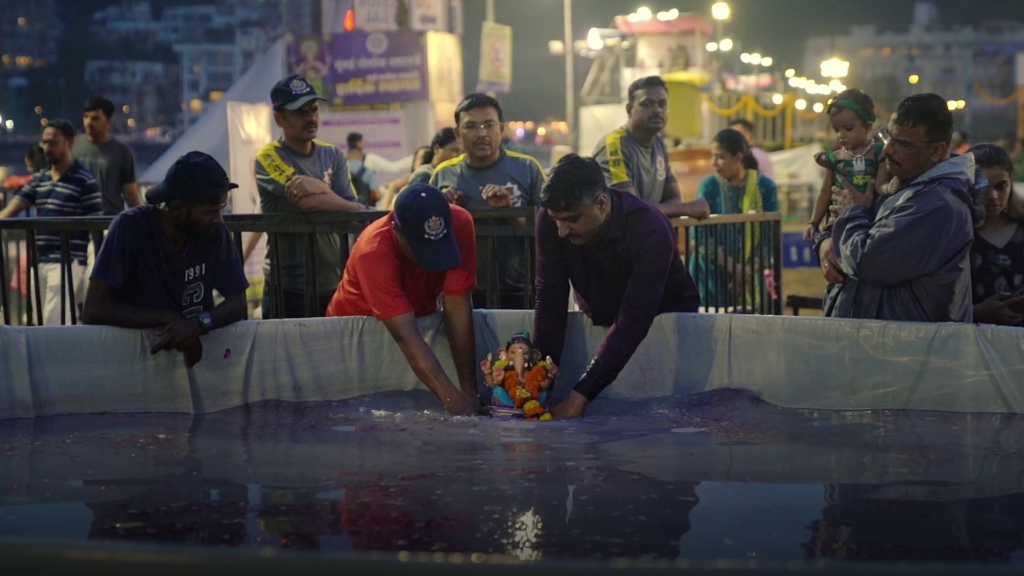
Ganesh Chaturthi celebrates the birth of Lord Ganesha, the Hindu god of wisdom, new beginnings, and the remover of obstacles. The ten-day festival represents Lord Ganesha’s annual visit to his devotees, who welcome him with prayers, offerings, and celebrations before bidding him farewell through visarjan, the immersion of the clay idol in water.

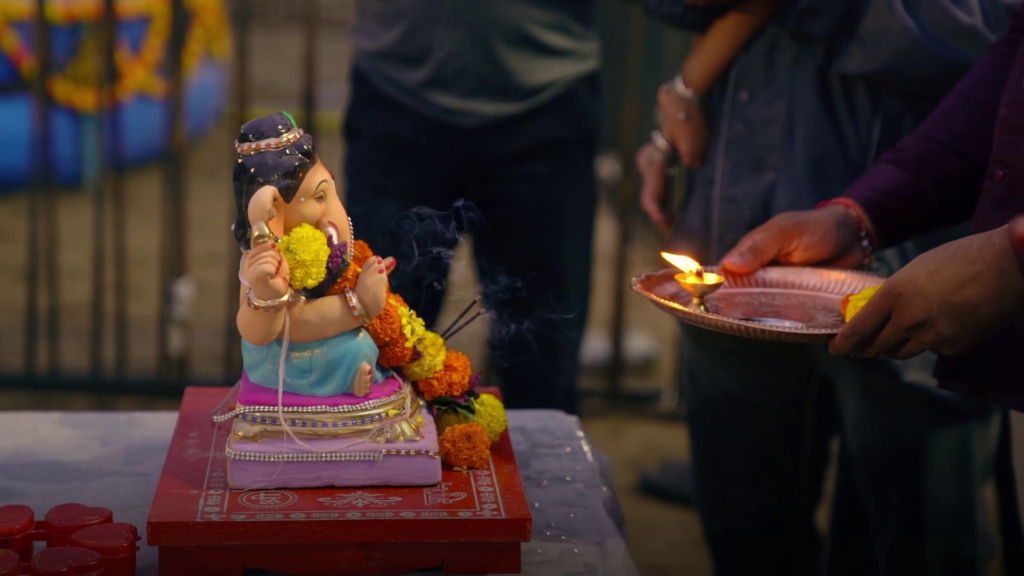
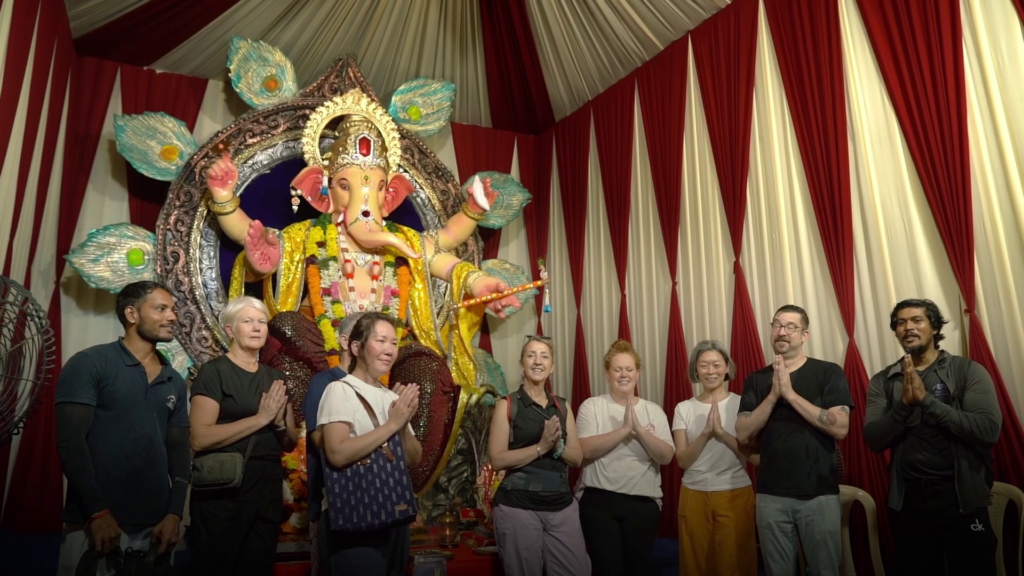
As you explore the festival, you’ll often hear terms like darshan (paying respects to the deity), aarti (a devotional prayer with lamps), and prasad (food offered to the deity and shared as a blessing). Understanding these simple traditions helps visitors appreciate the deeper meaning behind the celebrations.

Why is Mumbai Famous for Ganesh Chaturthi?

Although Ganesh Chaturthi is celebrated across India, Mumbai has become its most iconic destination. The city’s public celebrations date back to 1893, when independence activist and social reformer Bal Gangadhar Tilak encouraged communities to celebrate together, turning a private household ritual into a symbol of public unity. 

Today, Mumbai’s diverse neighbourhoods continue that tradition. Communities from across India celebrate in their own unique ways, giving each area its own character while sharing the same devotion to Lord Ganesha. During the festival, hundreds of thousands of Ganesh idols are installed across Mumbai, from small family shrines to towering public pandals.

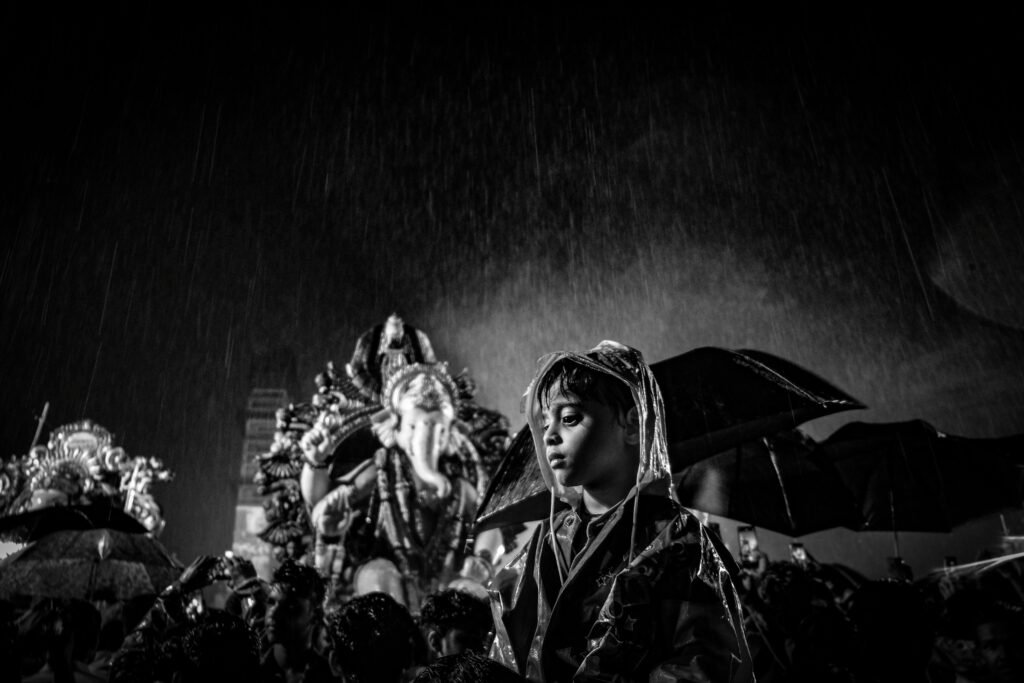
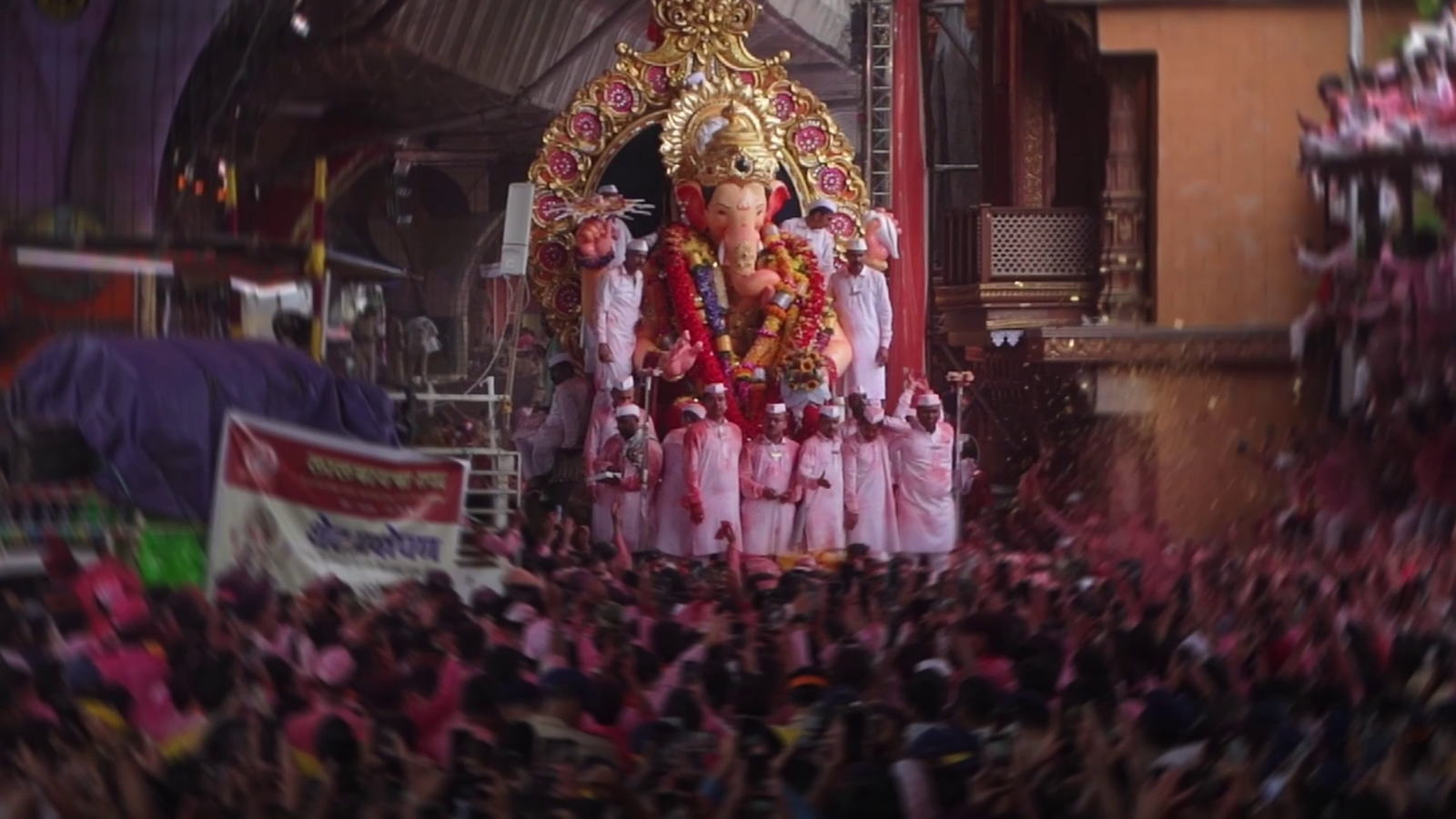
Mumbai’s coastal setting makes the final day especially memorable. Beaches such as Girgaon Chowpatty become the stage for spectacular visarjan processions, where thousands gather to bid farewell to Lord Ganesha with music, dancing, and chants before the idols are immersed in the Arabian Sea.

What Happens During the 10 Days?

Ganesh Chaturthi follows a rhythm that gradually builds in energy over ten days. The festival begins with the installation of Lord Ganesha’s idol in homes and community pandals, accompanied by prayers and celebrations. Over the following days, families gather for daily pujas, aartis, and offerings of flowers, sweets, and modaks (a sweet dumpling of rice flour, fresh coconut, and jaggery)—Lord Ganesha’s favourite treat.

Not every idol remains for the full ten days. Depending on family traditions, some are immersed after 1.5, 5, or 7 days, while larger community celebrations usually culminate on Anant Chaturdashi, the tenth and final day. This is when Mumbai witnesses its most iconic processions as thousands of idols make their way towards the sea for visarjan, the symbolic farewell to Lord Ganesha until his return the following year. 

In recent years, there has been a strong, positive shift toward traditional shaddu (natural clay) idols and artificial immersion tanks, ensuring this beautiful tradition remains gentle on Mumbai’s marine life.

Want to learn more about the deity at the heart of the festival? Read our guide to the story of Lord Ganesha and discover why he is worshipped as the remover of obstacles and the god of new beginnings.

Best Places to Experience Ganesh Chaturthi in Mumbai

If you’re visiting Mumbai during the festival, these are some of the best places to experience its different sides:

Lalbaugcha Raja

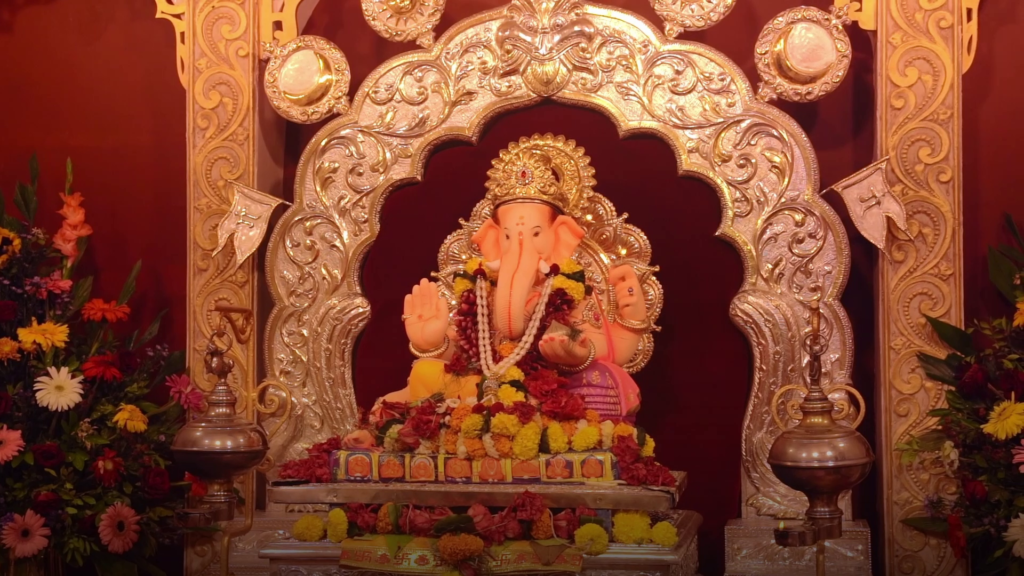
Mumbai’s most famous Ganesh idol, installed since 1934 and widely believed to grant the wishes of those who seek darshan. Devotees travel from across the country for a glimpse — queues on peak days can stretch beyond 24 hours. Visit before 7 am if you want to attempt darshan, or simply stand outside and let the atmosphere do the rest.

Ganesh Galli (Mumbai Cha Raja)

Located a short walk from Lalbaugcha Raja, this pandal is known for reimagining its idol and setting around a completely new theme every year — a different monument, landscape, or cultural reference each time. A good place to see the more creative, artistic side of the festival.

Keshavji Naik Chawl, Girgaum

This is where it all began. The site of one of Mumbai’s earliest public Ganesh celebrations, dating back to 1893 and closely associated with Bal Gangadhar Tilak’s movement to bring communities together. Less spectacle, more history — worth visiting if you want to understand the festival’s roots.

GSB Seva Mandal, King’s Circle

Known for its traditional rituals, beautifully decorated idol, and calm devotional atmosphere, this pandal offers a different experience from the city’s larger celebrations.

Girgaum Chowpatty

The most iconic immersion site in Mumbai. On the final day of the festival, thousands of processions arrive here to bid farewell to Lord Ganesha, creating one of the city’s most unforgettable spectacles.

Practical Tips for International Visitors

A little preparation goes a long way in making your festival experience enjoyable.

Dress Respectfully

Wear modest clothing that covers your shoulders and knees, particularly if you’ll be visiting homes or places of worship.

Prepare for Crowds

Major pandals and immersion sites can become extremely busy. Visit earlier in the day if you prefer smaller crowds, and always follow local authorities and your guide’s instructions.

Photography Etiquette

Photography is generally welcome at public celebrations, but always ask permission before photographing individuals or entering private homes.

Wear Comfortable Footwear

You’ll spend time walking through busy streets and uneven lanes, so comfortable shoes are essential.

Carry the Essentials

Bring a refillable water bottle, rain protection (the festival falls during the monsoon season), and keep valuables to a minimum.

If this is your first visit to the country, our guide to planning your first trip to India includes practical advice on local customs, transport, money, and what to expect while travelling.

Respect Local Traditions

If you’re offered prasad, politely accepting it is appreciated, though participation in religious rituals is entirely your choice.

The Festival Is Bigger Than the Procession

Ganesh Chaturthi is far more than colourful processions and beautifully decorated idols. It is a festival that teaches you to celebrate with all your heart, yet when the time comes, to let go gracefully during Visarjan. 

While it is possible to explore the festival independently, a knowledgeable local guide changes what you are able to see — the homes that open, the stories behind the rituals, the moments that happen in the lanes rather than on the main road. Our small-group Ganesh Chaturthi Tour is designed exactly for that. The rest, the festival will take care of itself. 

Whether you join us or explore on your own, Ganesh Chaturthi is one of those rare experiences that leaves a lasting impression long after the celebrations have ended. It isn’t just a festival you watch—it’s one you feel.

If you’re planning to spend more time in the city, explore our Mumbai City Tours to discover local neighbourhoods, heritage sites, food experiences, and authentic cultural walks throughout the year.

The post When Mumbai Becomes the Festival: A Guide to Ganesh Chaturthi appeared first on Reality Tours & Travel.
We will be happy to hear your thoughts

Leave a reply

Som2ny Network
Logo
Compare items
  • Total (0)
Compare
0
Shopping cart