
Chillable Red Wines Perfect for Summer

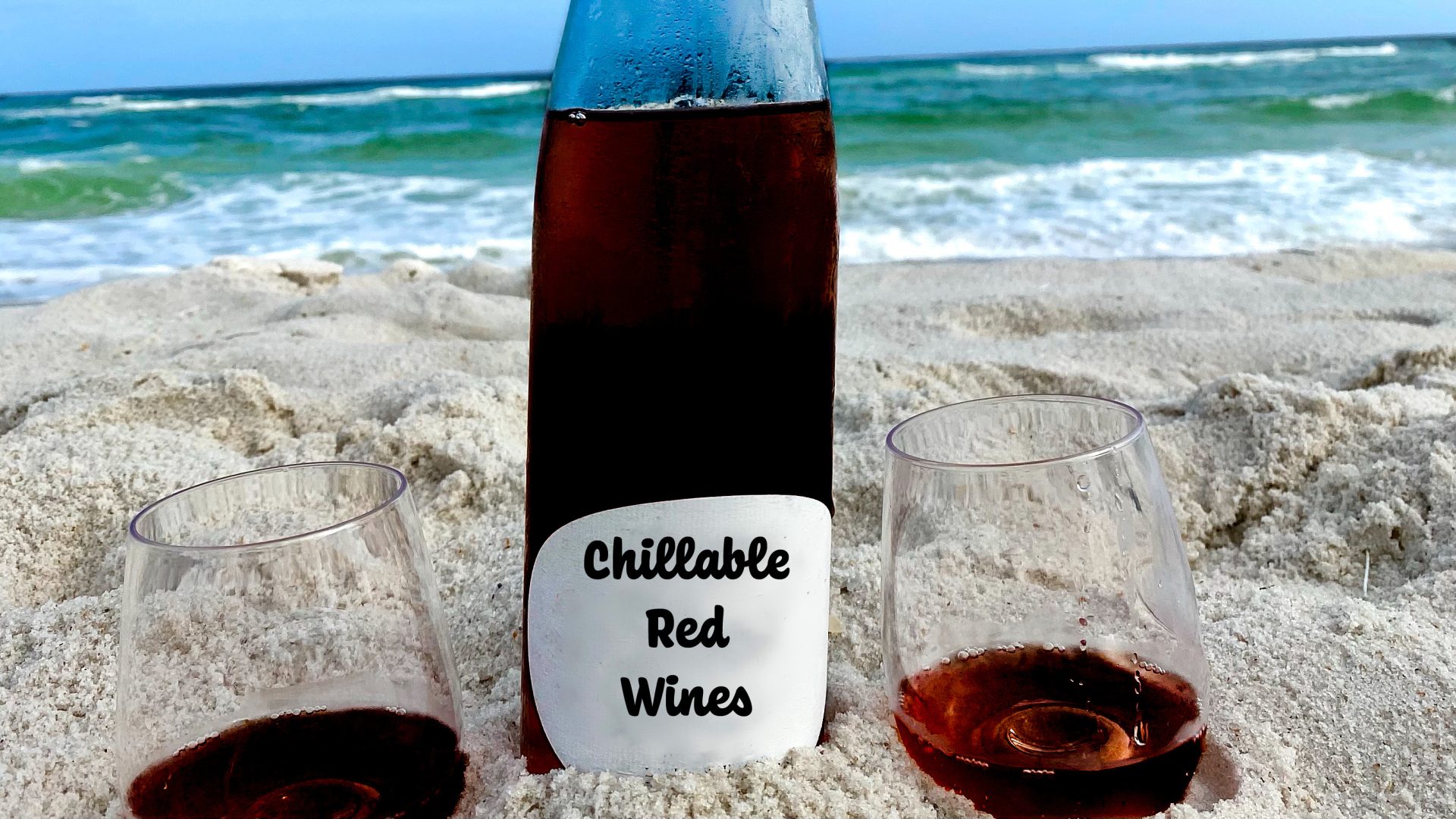
Yes, I love rosé for all my summer fun. I mean is there anything better at the beach or the lake? And I definitely drink more white and sparkling wine these days than red. But even with all of that, I still enjoy a fair amount of red wine. Yes – even in the ridiculously hot and humid Houston summer. So finding some chillable red wines is absolutely essential.

Not every red wine shows well when it’s chilled. Chillable red wines tend to have a few things in common. They have lower alcohol, lower tannin level, high acidity, pronounced fruit flavor, and overall tend to be lighter-bodied. Save that tannic Cabernet Sauvignon and Syrah for another time. A cold tannin can taste bitter and who wants that? Typically, red wine should be served between 55 and 65 degrees. It should be cool to the touch, which incidentally is a sore subject for me. It drives me batshit crazy when I go to restaurants and they bring me a bottle of red wine that is 70+ degrees! Like really?! And then they give me the side-eye when I ask for an ice bucket. Yeah ok, I could go on about this forever. Anywho, when I say “chillable red wines” I mean wines that are pleasurable at around 50 degrees. We’re not talking ice cold Coca Cola temps, but definitely cooler than you’d normally drink a red wine. So what are some good candidates?
Zweigelt

Y’all know I cut hard for Austria after a few trips there. These wines are always top of mind for me. I could probably open my own Grüner Veltliner store from my house! And if you’ve never had Zweigelt, Austria’s most planted red grape, I insist you get some now! This cross of Blaufränkisch and St. Laurent has a reputation as a fruity, light-bodied wine with low tannins and vibrant acidity. Like many wines, it can cover a wide spectrum of styles, but overall it’s known as a crowd pleaser that both white and red wine drinkers alike can enjoy.
Cinsault

I’ve often suggested Cinsault as a transition wine for people looking to get into red wines the first time. Cinsault (also spelled Cinsaut) is used mostly as a blending grape (it’s often found with Grenache, Syrah, and Mourvèdre to add softness and aromatics) as well as in those juicy French rosé wines we love so much. But more and more I see it showing up on its own. Typically, it is smooth with soft tannins and fresh red fruit characteristics. It also tends to offer up sweet spices like cardamom as well as floral notes. Outside of France where it originated, Cinsault shows up in a number of countries including Morocco, Algeria, Lebanon, Italy, Corsica, Tunisia, Australia, South Africa, and more. And in the USA, it is the source of some of the country’s oldest vines. In fact, the Bechtold vineyard in Lodi, California, planted in 1885, is the oldest Cinsault vineyard in the world.
Grenache
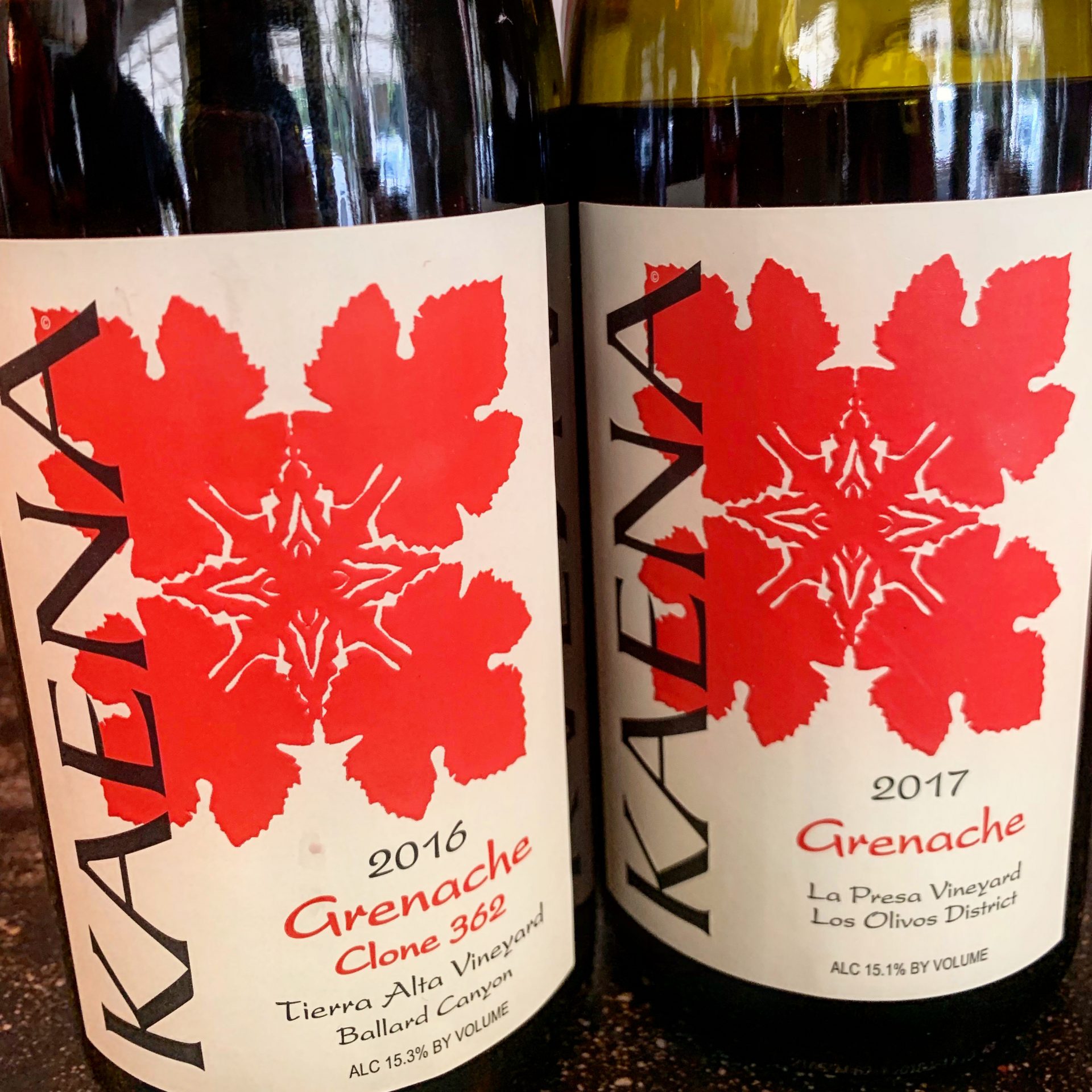
I don’t know where it’s been all my life, but the last couple of years have seen me losing my mind behind Grenache. The wines have been outright ethereal. Grenache from California’s Central Coast including Santa Barbara, San Luis Obispo (“SLO”), Paso Roble, and Livermore Valley can show up so lithe and elegant and make amazing chillable red wines. I’ve swooned over many a Grenache from Santa Barbara’s Sta. Rita Hills and Ballard Canyon. Beyond Cali, I have been loving the Grenache from Australia’s McLaren Vale. Made from (thankfully) spared old vines, the wines are so surprisingly elegant! Who knew?! Also, don’t sleep on Sardinia’s Cannonau, their signature red grape and genetically identical to Grenache but with a few subtle differences. And yes, I adore bold, intense Priorat wines, which prominently feature Grenache, but these are not the chillable red wines that I’m talking about here.
Frappato

Years ago I did a deep dive on the wines of Sicily and became a big fan, particularly of the diversity. Frappato is a red grape native to eastern Sicily that produces more simpler, easy drinking wines with fresh red fruit flavors and light tannins. It so perfect as a refreshing summer red. Winemakers also sometimes blended with Nero d’Avola to produce Cerasuolo di Vittoria, which is Sicily’s lone DOCG.
Schiava
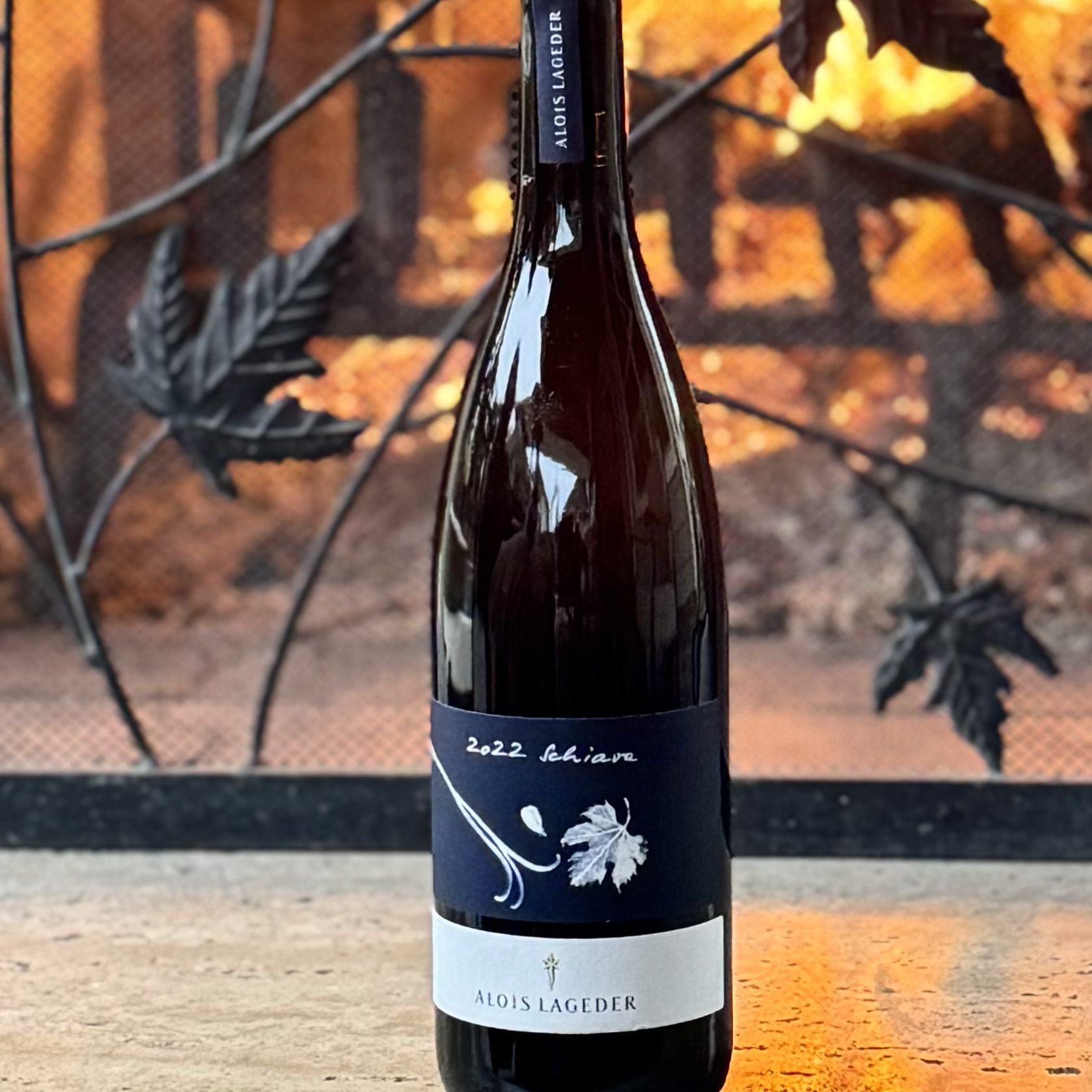
Schiava just may just be THE prefect red wine for summer – I love grilling with it. You may also see it called Black Hamburg or Trollinger. I’ve been a fan for years, but then again, I love all things from Italy’s Alto Adige wine region. It takes on different characteristics depending on where it’s grown in the region, but wherever it’s found, it has the hallmark acidity that Alto Adige is known for as well as lower level tannins and generous red berry and floral notes. Chilling it seems to bring out the delicious red fruits.
Gamay

You can’t think of Gamay without thinking of France’s Beaujolais, or Bojo as some like to call it. An under the radar darling that is technically part of Burgundy, but has an identity and charm all its own. Wines designated as ‘Beaujolais’ and ‘Beaujolais Villages’ tend to be softer and fruitier and meant to be drunk young. When you get to so-called ‘Cru Beaujolais’ you begin to get into wines that are more structured and have the ability to age. If you reach for a Cru Beaujolais, stick with some of the lighter ones such as Saint-Amour, Fleurie, Chiroubles, and Régnié. Beyond France, I adore Gamay from Oregon and wish they would make more!
Pinot Noir
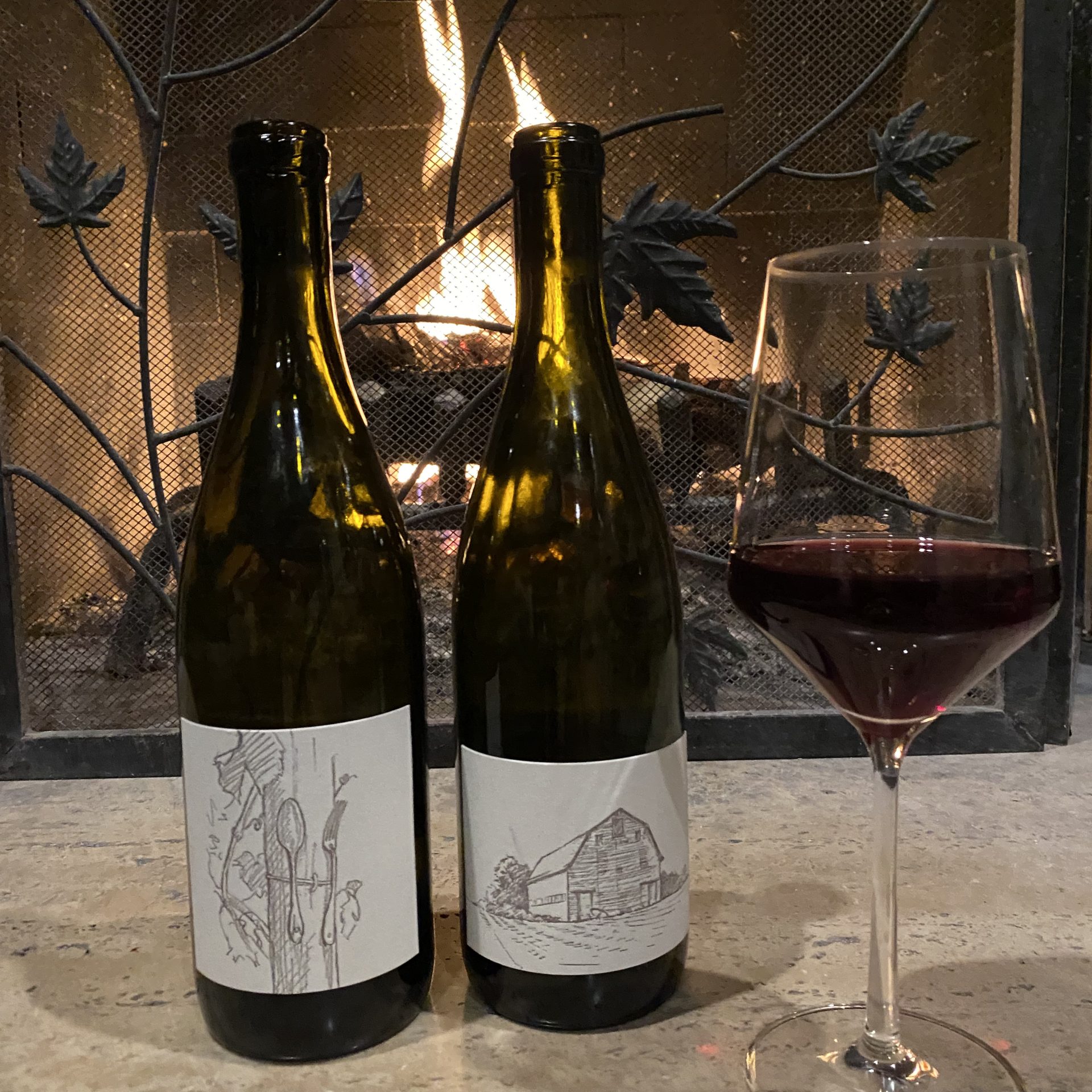
If you’ve been around these parts, you know Pinot is my first wine love. But not all Pinot Noir meets the criteria for chillable red wines. There are definitely some “big” more alcoholic Pinots out there – I call them Cab drinker’s Pinot – that won’t show their best when chilled. Places like Sancerre (yes they make wine other than Sauv Blanc), Patagonia, Willamette Valley, West Sonoma Coast, Sta.Rita Hills, Germany (where it’s called Spätburgunder), and Australia’s Tasmania and Victoria are great options for lighter, chillable Pinot.
Beyond specific wine varietals, the style of winemaking can determine whether a wine fits into the category of chillable red wines. It’s just not always apparent when you’re buying the bottle. For instance, I recently enjoyed a red blend of Grenache, Cabernet Sauvignon, Syrah, and Mourvèdre from Château La Gordonne called Les Planetes and it is an amazing chillable red wine. Definitely not what you’d include as a chillable wine given the varietals. In this instance, the winemaker uses a sandstone egg in the winemaking process, which results in a wine that is soft and smooth with very little tannin.
Similarly, so-called “carbonic” wines, whatever the varietal used, tend to result in chillable red wines. These wines are made with a technique called carbonic maceration where whole, uncrushed grape clusters are fermented inside of a sealed vat that is filled with carbon dioxide. This results in fermentation occurring inside of the individual grapes rather than in the juice pressed from the grapes. The resulting wines are fruity and aromatic with soft tannins. In other words, perfect chillable red wines! In fact, many wines from Beaujolais are made in this manner.
So don’t think of summer as a time to part with our beloved red wines – no matter how hot and humid it gets. Chillable red wines are definitely a thing and just what the season requires.


