Source: fool.com
Yes, but expect legalization efforts for recreational use to proceed unevenly from state to state.
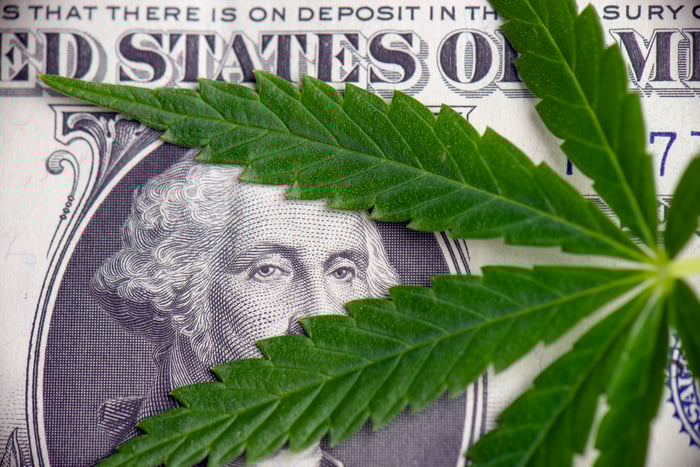
IMAGE SOURCE: GETTY IMAGES.
Presently, marijuana is fully legal for recreational use in only 11 of those states. With the exception of Vermont, jurisdictions with legalized recreational cannabis also provision for the commercialization of cannabis products for adults. Fully legalized marijuana remains uncommon in the United States, even if it’s significantly more common than it was 10 years ago.
2020 may see pivotal victories for legalization
Medicinal use and decriminalization aren’t the same as legalization
Full nationwide cannabis legalization is still a distant goal, and there are many cases where progress has been incremental rather than transformational. Sixteen states have decriminalized recreational marijuana use without implementing full legalization for recreational purposes. In these states, cannabis products are only sold for medicinal use, which is strictly controlled. In places like Idaho and Indiana, medicinal use is so tightly regulated that medicinal products from jurisdictions like California might not be legal. This is a concern for cannabis investors because it means businesses would need to make different products for these jurisdictions if they wanted to compete.
Similarly, many states haven’t committed to full decriminalization despite allowing for limited medicinal use. In Alabama, non-medical marijuana possession is a misdemeanor for first-time offenders and a felony for subsequent violations, so its “decriminalized” status is a bit of a misnomer. In contrast, Georgia’s laws tightly control the THC content of medicinal marijuana while formally forbidding any recreational use, but cities including Atlanta and Savannah have proceeded to decriminalize it anyway, creating precarious pockets of opportunity that businesses are hesitant to exploit.
Finally, there’s the issue of the federal government’s approach to cannabis policy. Right now, there’s no way to reconcile the fact that at the federal level, recreational cannabis is still fully illegal, even if state governments like New Hampshire’s claim to have nullified the federal prohibition. State-level initiatives aside, Congress was initially scheduled to vote on a legalization bill called the MORE Act this week, but with an upcoming battle over Supreme Court nominees looming, the vote will likely be delayed until after the 2020 election.
So, while it does look like there is nationwide momentum building behind legalization for recreational use, there’s still a long way to go, and there may be difficult legal battles ahead.