Subcompact Culture – The small car blog: The Accessory That Protects Your Paint and Your Passengers

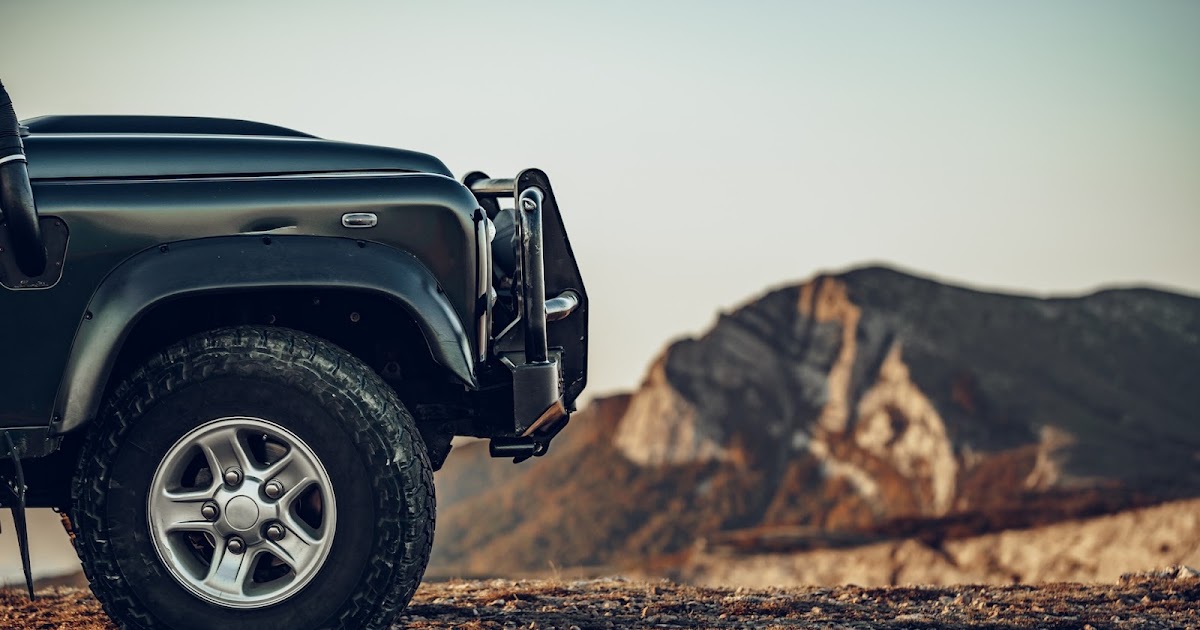

Side steps are one of those 4WD accessories that quietly earn their keep. They rarely get the attention of a big bar or a rooftop tent, but ask anyone who’s fitted a good set and they’ll tell you the same thing: once you’ve had them, you don’t want to go back.
Part of the appeal is the look. A well-designed set of side steps finishes off a four-wheel drive nicely. But the real value is in what they do every day, for both the vehicle and the people getting in and out of it.
Making it easier to get in and out
Modern 4WDs sit high off the ground, and that height is great for clearance but awkward for passengers. For kids, older family members, or anyone shorter, hauling themselves up into a raised cabin is a genuine struggle.\
A side step provides a solid, sure footing at the right height, turning an ungainly climb into a simple step up. It’s the kind of everyday convenience you stop noticing precisely because it works so well.
Protecting your paint and panels
Head off the bitumen and your lower panels take a beating. Stones flick up, branches scrape past, and mud and debris get thrown against the sills. Over time that leaves chips, scratches, and dents along the most visible part of the vehicle.
Side steps and side rails act as a barrier, taking the hits so your paint doesn’t. On the trail, sturdy rock-slider style steps can also protect the body from serious damage when you’re threading between obstacles or misjudging a rut.
Choosing the right style for your use
Not all side steps do the same job. Lighter, more styled steps are ideal if your priority is easier access and a clean look for daily driving and mild dirt roads. If you tackle harder terrain, heavy-duty rock sliders bolted directly to the chassis are built to bear the vehicle’s weight against rocks.
Material and finish matter too. Consider how a step handles wet feet, whether the surface stays grippy, and how well the coating resists corrosion in coastal or muddy conditions.
Think about ground clearance as well. Chunky rock sliders that sit low are perfect for serious off-roading but can catch on steep driveways and gutters in daily use, while sleeker steps clear obstacles more easily around town. Matching the design to where you actually spend most of your driving time saves a lot of frustration.
Fit and quality make the difference
A quality set of 4WD side steps is engineered to suit your specific vehicle, bolting to strong mounting points without rattling or sagging. Cheap, universal-fit steps can flex, corrode, and even work loose over time, which is the last thing you want on something you stand on.
It’s worth having them fitted properly and choosing a set matched to your make and model. Done right, they sit tight and solid for the life of the vehicle.
Check the mounting method before you buy. Steps that bolt to existing chassis points without drilling are generally the strongest and easiest to fit, and they won’t compromise your vehicle’s rust protection the way poorly drilled mounts can. If a set requires cutting or drilling into the body, make sure that work is done and sealed properly.
A practical upgrade that pays off daily
Side steps sit in that sweet spot of 4WD accessories: genuinely useful, protective, and good-looking, without a huge price tag. They make the vehicle easier to live with, shield it from the knocks of both the school run and the bush, and add a finished look. For most owners, they’re one of the first upgrades worth making.