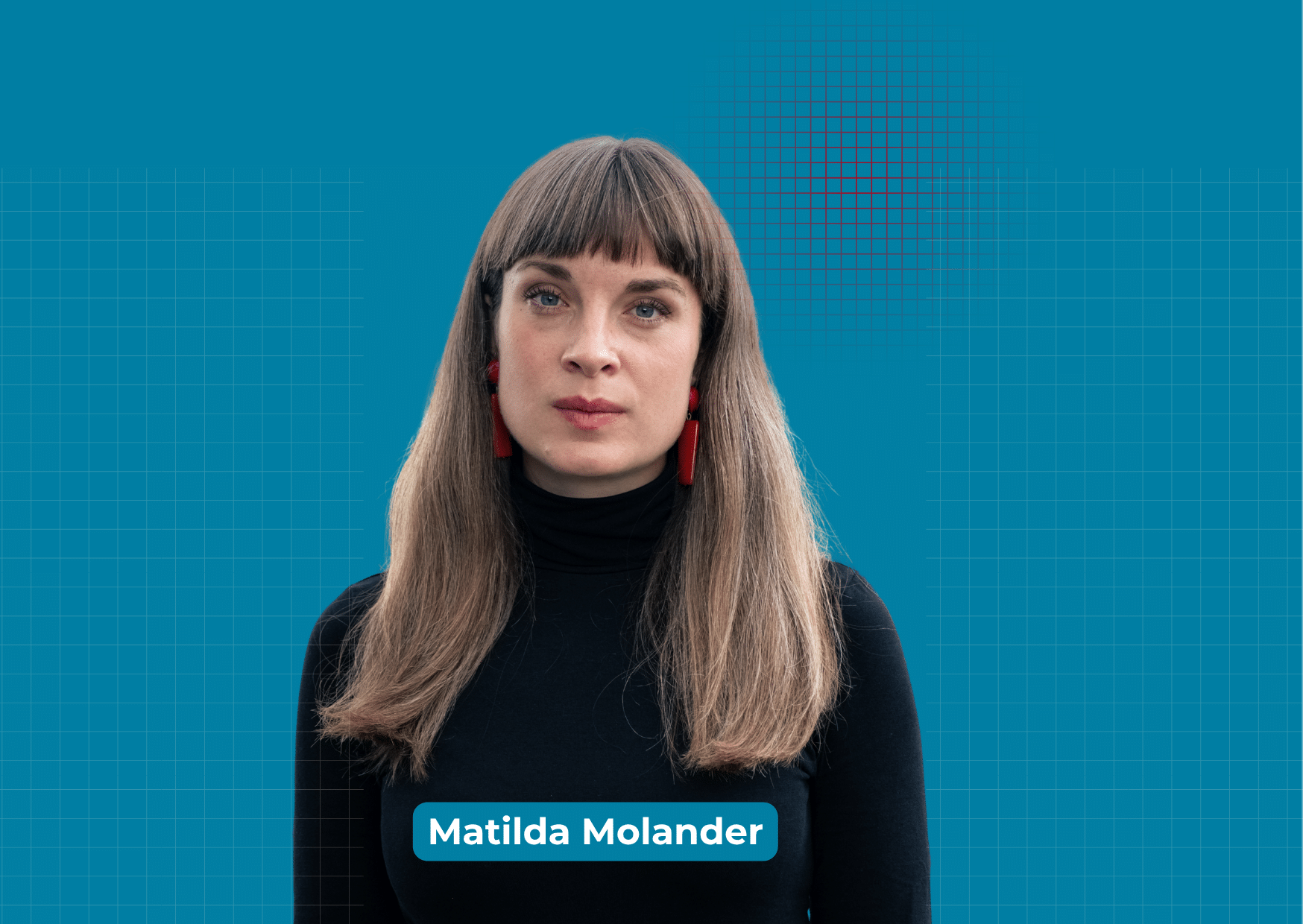
Written by: Matilde Molander, CEO, Fores
This Sunday night in Sweden was not an election night we are used to. No victory speeches from winning candidates, no stepping down of failed party leaders, no disappointed activists and no happy dancing after months of intense campaigning. The mood at the election watch parties was dominated by tension rather than joy or disappointment. The cathartic moment of truth is postponed – maybe even by months.
At the moment of publishing this article, only 32 000 votes are between a right-wing and a left-wing government coalition, after one of the closest elections in the history of our country. Three days after the elections, we are still waiting for the counting of the last votes coming from embassies around the world to get the final result. It seems there will be a (very small) majority for the red-green parties, containing the social democrats, the left, the liberal Centerpartiet and the greens, but this can still change at any moment.
From a liberal point of view, these are in my three main takeaways from the elections:
1. The centre holds and liberals on the rise
Both Swedish liberal parties, Centerpartiet and Liberalerna, achieved much better election results than previously expected. But they have chosen not only different sides in the political arena, but also completely different electoral strategies.
Centerpartiet has been in opposition for the last four years and went through a turbulent time with no less than four party leaders in four years. Early this year, polls indicated support below the 4 per cent threshold for entering the parliament. However, with less than a year in her office as party leader, Elisabeth Thand Ringqvist managed to increase Centerpartiet’s support from 3,9 to 7,1 per cent. Sweden can do better – this was the slogan of the party’s data-driven, optimistic and future-looking campaign that focused mostly on jobs, climate, equal opportunities, and a more sustainable/generous migration policy.
Liberalerna, on the other hand, was part of the current conservative government with external support from the far-right Sweden Democrats. This decision has been controversial, not only on the European level, but also within the party’s constituency, resulting in support for the party as low as 1,3 per cent in the polls up until a month ago. The party’s young leader Simona Mohamsson chose a rather polarising and highly media-driven campaign tactic by endorsing the current conservative government. The approach paid off, attracting many support votes and collecting 5.6 per cent of the votes on Sunday.
2. Support for big parties is decreasing both on the left and right
The Sweden Democrats (ECR) are losing support for the first time in a parliamentary election, and the Social Democrats (S&D) had their worst election result in more than a hundred years. This means the most backwards-looking and most migration-sceptic parties on both the right and the left side of politics have lost support in this election. The bad results for these parties are related to my third takeaway.
3. Migration is a decisive question – but not the way it used to be
Since the migration crisis of 2015, the Swedish debate on migration has been centred on how to decrease the number of new migrants coming to Sweden. Most parties have competed on having the strictest migration policy, and the last elections in 2022 were won by the right largely on a promise to fight crime and close the borders. Last autumn, however, the absurd consequences of the strictest migration policy in Europe became visible when well-integrated teenagers who had come to Sweden with their parents as very young kids and grown up here were being deported as they turned 18. This sparked large protests against the migration policy of the current conservative government and created a feeling among Swedes that the government had gone way too far. Since then, the debate on migration has changed completely. Wouldn’t be surprising that going forward Sweden will a less strict migration policy again.
Crossing red lines or saying goodbye to Swedish bloc politics?
If the current numbers are staying as they are after counting all the votes, a complicated process awaits to form a new government, likely based on Centerpartiet, the Greens, the Socialists and the Social Democrats. This won’t be easy though, as the Centerpartiet and the Socialists disagree strongly on questions of economy and property rights.
As Centerpartiet leader Elisabeth Thand Ringqvist stated in a post last evening, “the near future will require pragmatism and a willingness from several parties to find solutions across old bloc boundaries anchored in the middle,” either by finding a compromise with the socialists or bringing Swedish bloc politics to an end.
None of these would be easy, so one should not be surprised if we are still waiting for a government when Christmas approaches. When it is finally formed, though, hopefully it would have a stronger climate agenda, a less strict migration policy, and it would bring more investments in the country’s infrastructure and welfare.
The post Sweden’s Political Centre Is Back in the Game appeared first on The European Liberal Forum.