The 6 Best European Coastal Towns To Visit In 2027 According To Travel Experts

As we inch closer and closer to 2027, major publications are dropping their highly anticipated destination lists (we’ll be doing the same soon!).
Lonely Planet just released their Best in Travel 2027 list, and they highlighted some really awesome spots across the world. When it came to Europe, they had some perfect picks with two unexpected coastal gems: the quiet Croatian city of Šibenik and the breezy Swedish shores of Skanör-Falsterbo.
My job as editor is more than just getting words down. I spend my time scouting the globe for our readers, so I decided to take Lonely Planet’s expert picks and round them out with my own alternatives to Europe’s most congested summer hubs.
If you want to experience the best of the Mediterranean, the Adriatic, and the Baltic without fighting for breathing room, here are the 6 best European coastal towns to visit in 2027.
1. Šibenik, Croatia (Lonely Planet Pick)
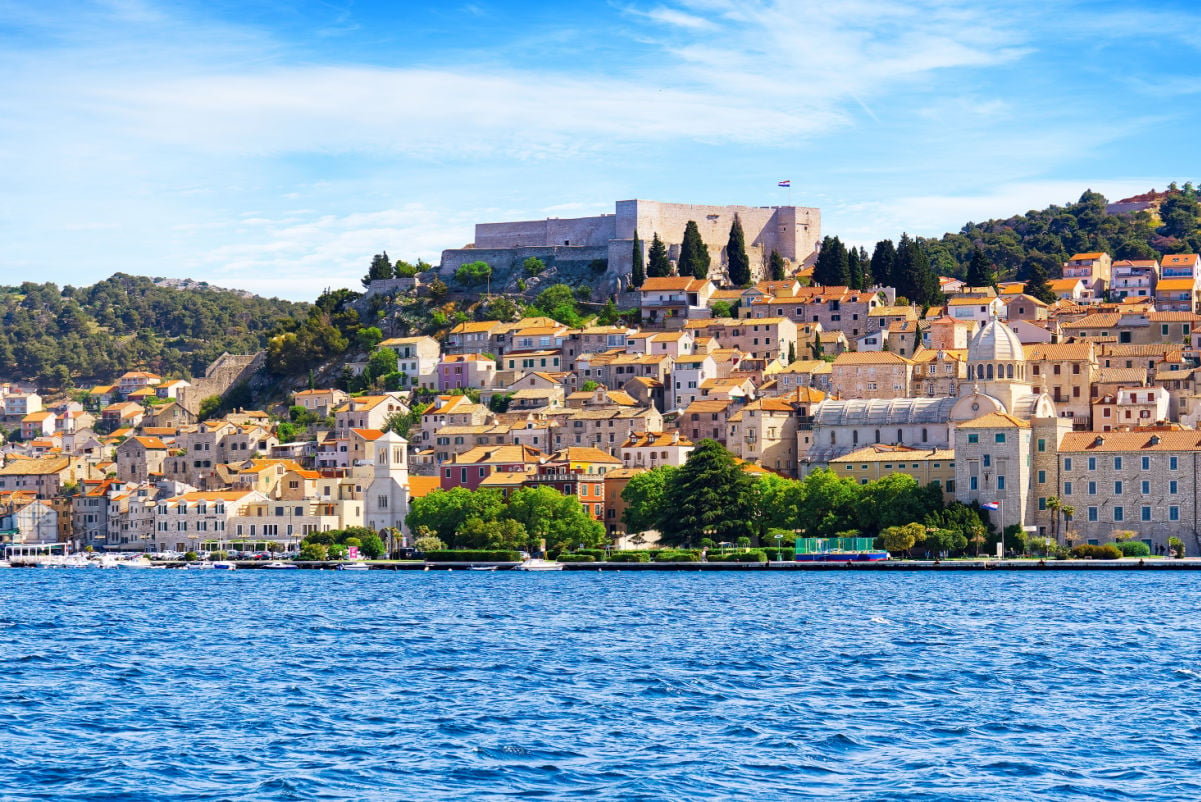
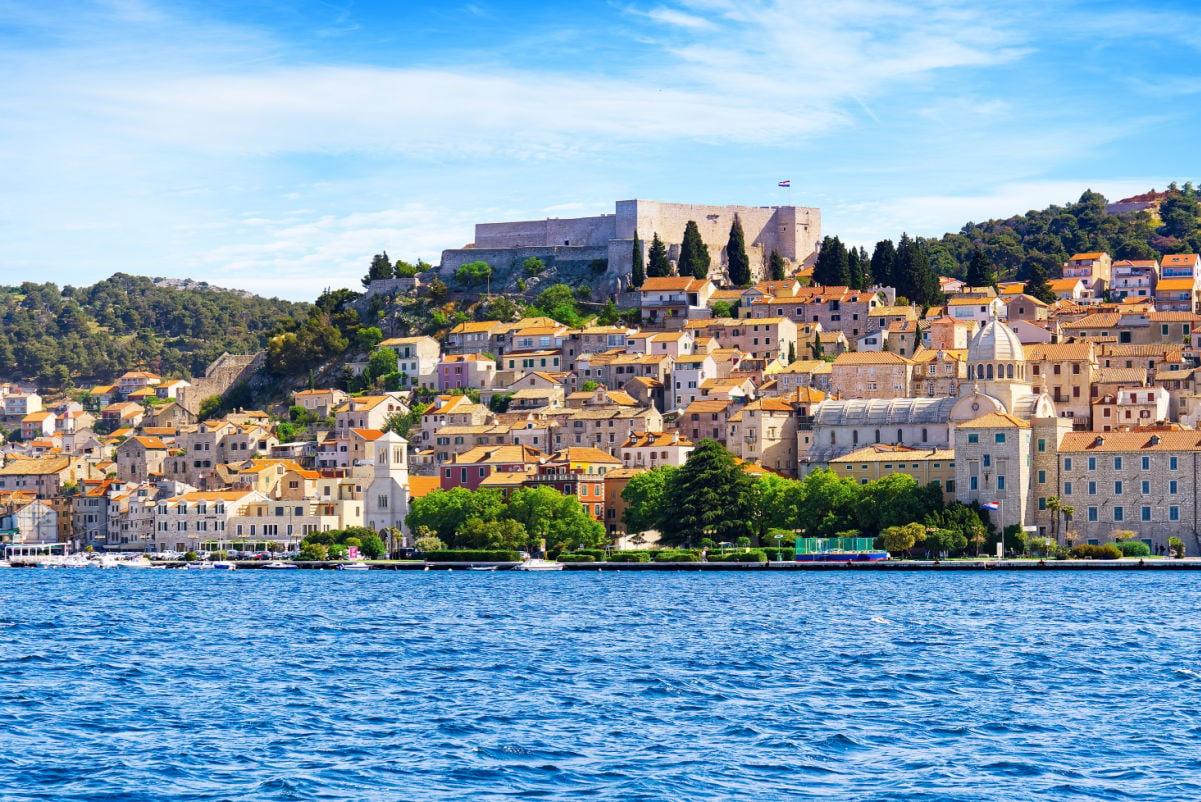
Lonely Planet got this one so, so right. If you have ever tried to navigate the gridlocked streets of Dubrovnik or Split during the summer, you know the cruise ship crowds can overwhelm the experience. Šibenik is the ultimate alternative.
The Vibe: You get the exact same authentic Dalmatian coast aesthetic (bright terracotta roofs, narrow stone alleys, and deep blue Adriatic waters) but on a much slower, quieter frequency.
The Highlight: Wandering the labyrinth of medieval streets up to the UNESCO-listed St. James Cathedral without being elbowed by a single tour group.
Tip From The Editor (me): Skip the busy restaurants right on the waterfront promenade. Instead, walk up the steep stone steps toward St. Michael’s Fortress. There are tiny, family-run cafes tucked into the alleyways where my wife Liz and I ordered local wine and cured meats for half the price, with a far better view of the archipelago.
2. Skanör-Falsterbo, Sweden (Lonely Planet Pick)
Most North Americans have no idea that Scandinavia hides some beautiful beach destinations.
Located at the southwestern tip of Sweden, this twin-town area is a breezy, sophisticated coastal escape.
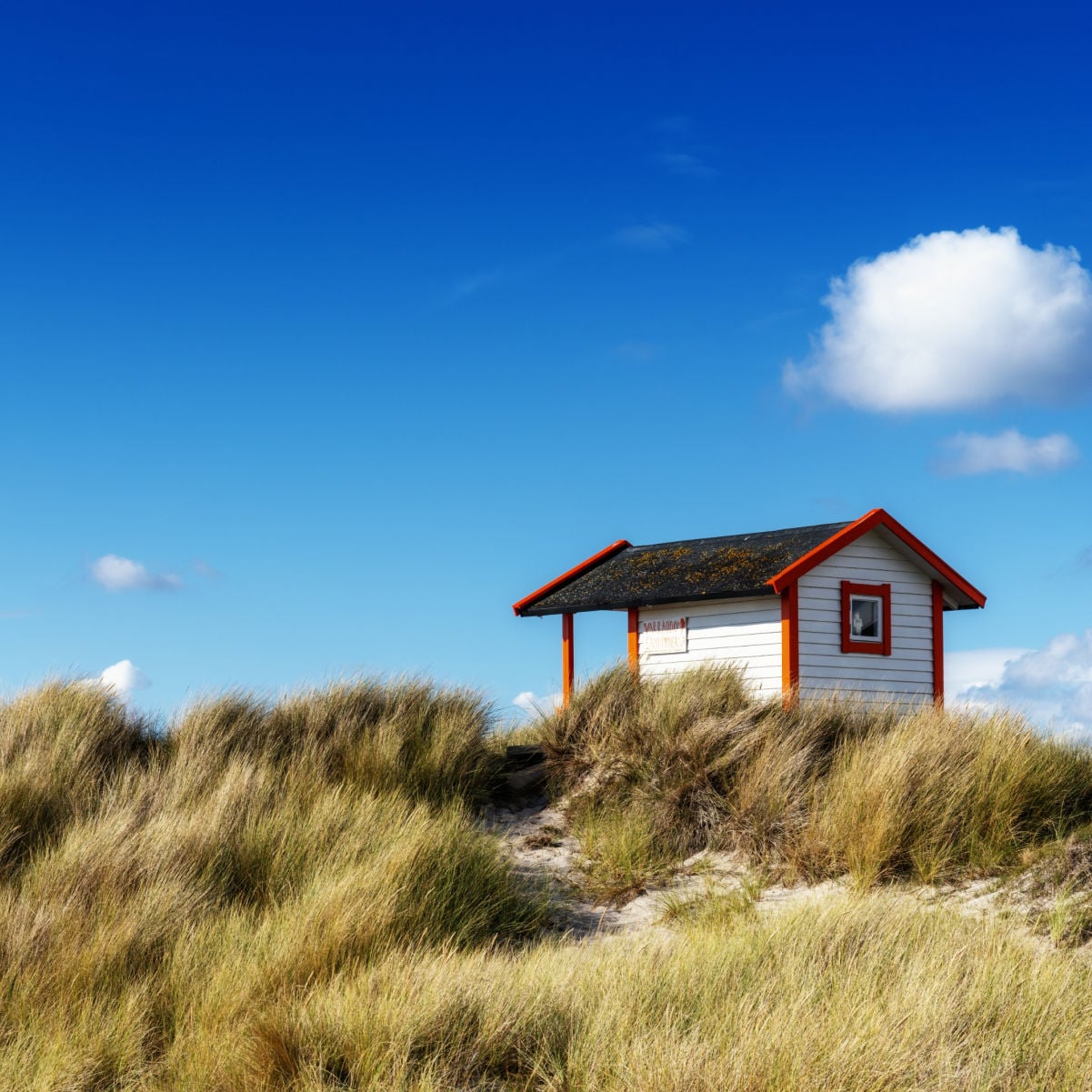
The Vibe: Laid-back, refined, and surprisingly beachy. It is a long stretch of fine white sand dunes backed by lush nature reserves and quiet cycling paths.
The Highlight: The striking visual contrast of the dark, cold Baltic Sea framed by rows of tiny, brightly colored pastel beach huts resting directly on the sand.
Tip From The Editor (me): Renting a bike here is the best way to get around, but the wind off the Baltic can be brisk even in the summer. I always keep a light rain shell in my Gregory daypack. Bike down the flat coastal paths to the Falsterbo lighthouse early in the morning—it is completely empty and a great spot for photography.
3. Ksamil, Albania (Our Pick)
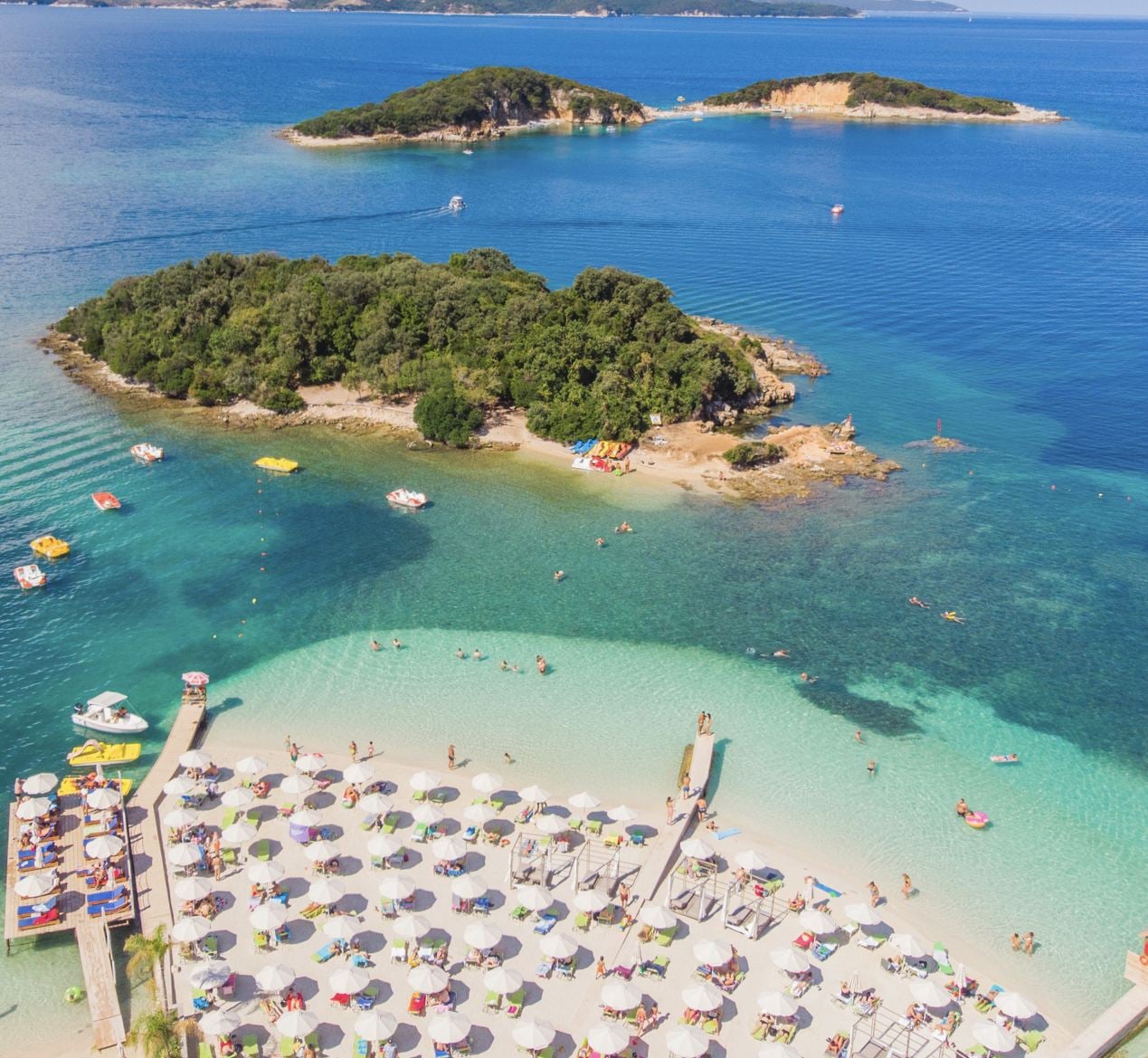
We have been covering the rise of the Albanian Riviera for a while, and Ksamil is the crown jewel. It has rightfully earned the nickname “the Maldives of Europe,” offering the exact same striking Ionian Sea waters as nearby Corfu, Greece, but at a fraction of the price.
The Vibe: Vibrant and budget-friendly. It has a lively beach club energy along the shoreline, where your travel budget stretches much further than anywhere else in Western Europe.
The Highlight: The clear, turquoise water and the three small, uninhabited Ksamil Islands sitting just a stone’s throw from the main beach.
Tip From The Editor (me): The main beaches fill up fast by mid-day. Rent a paddleboard from one of the local vendors right at 8:00 AM before the wind picks up. Paddling out to the twin islands before the beach clubs open gives you a slice of the Ionian Sea entirely to yourself.
4. Ischia, Italy (Our Pick)
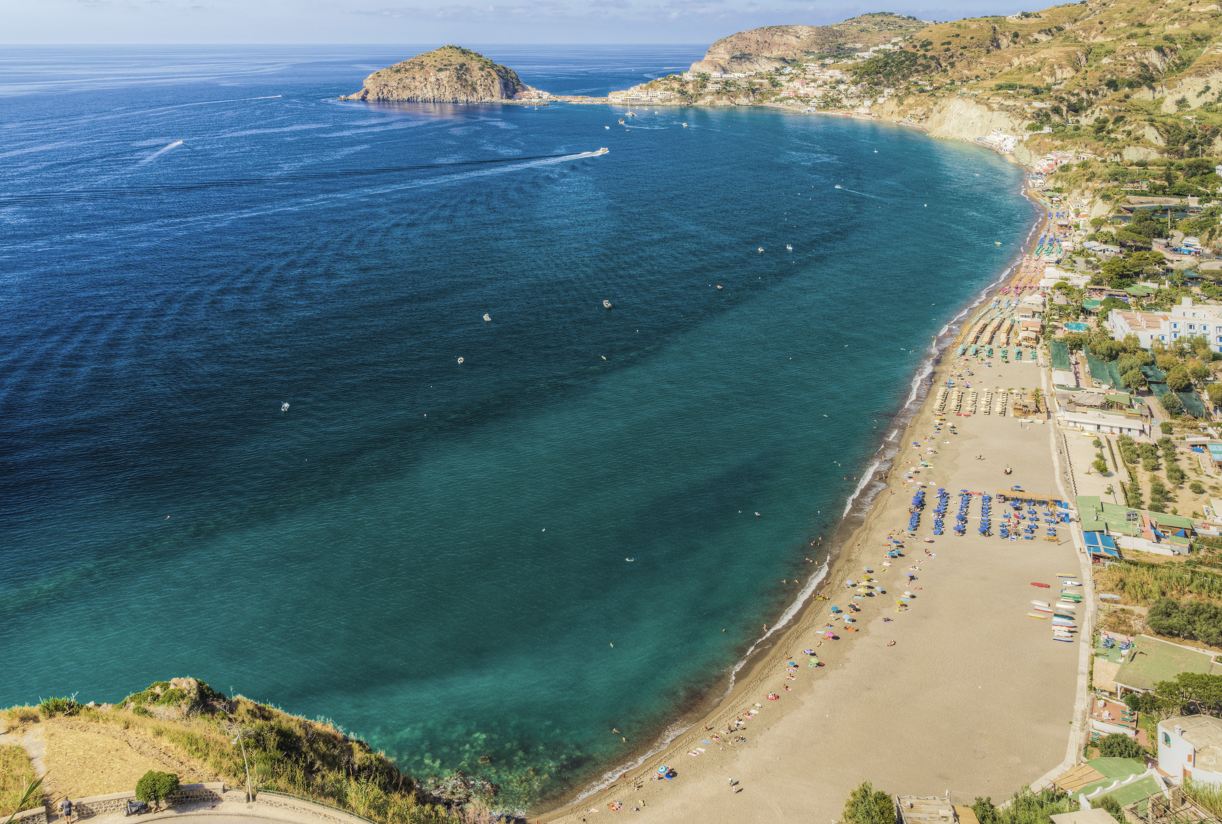
Everyone dreams of the Amalfi Coast, but very few people dream of the steep tourist markups and bumper-to-bumper traffic that comes with it. Ischia is a volcanic island sitting in the Gulf of Naples that gives you all the Italian coastal magic without the pretense.
The Vibe: Authentic Italian island life mixed with thermal wellness. It has the dramatic cliffs, the world-class food, and the colorful fishing villages, but it retains a local rhythm.
The Highlight: The Aragonese Castle, a towering medieval fortress perched on a volcanic rock that connects to the main island by a long stone bridge.
Tip From The Editor (me): You come here for the natural hot springs, but skip the commercial spa parks. Ask a local how to get to the Sorgeto hot springs in the south. You have to walk down about 200 steep stone steps to the ocean, where natural hot thermal water bubbles up directly into the sea. It is completely free and rugged.
Note From The Editor
Just one sec! If you enjoy reading great human-written articles, the best way to see a few more is to follow us on Google so we become one of your preferred websites. Thank you so much for reading. Now back to the story!
5. Naxos, Greece (Our Pick)
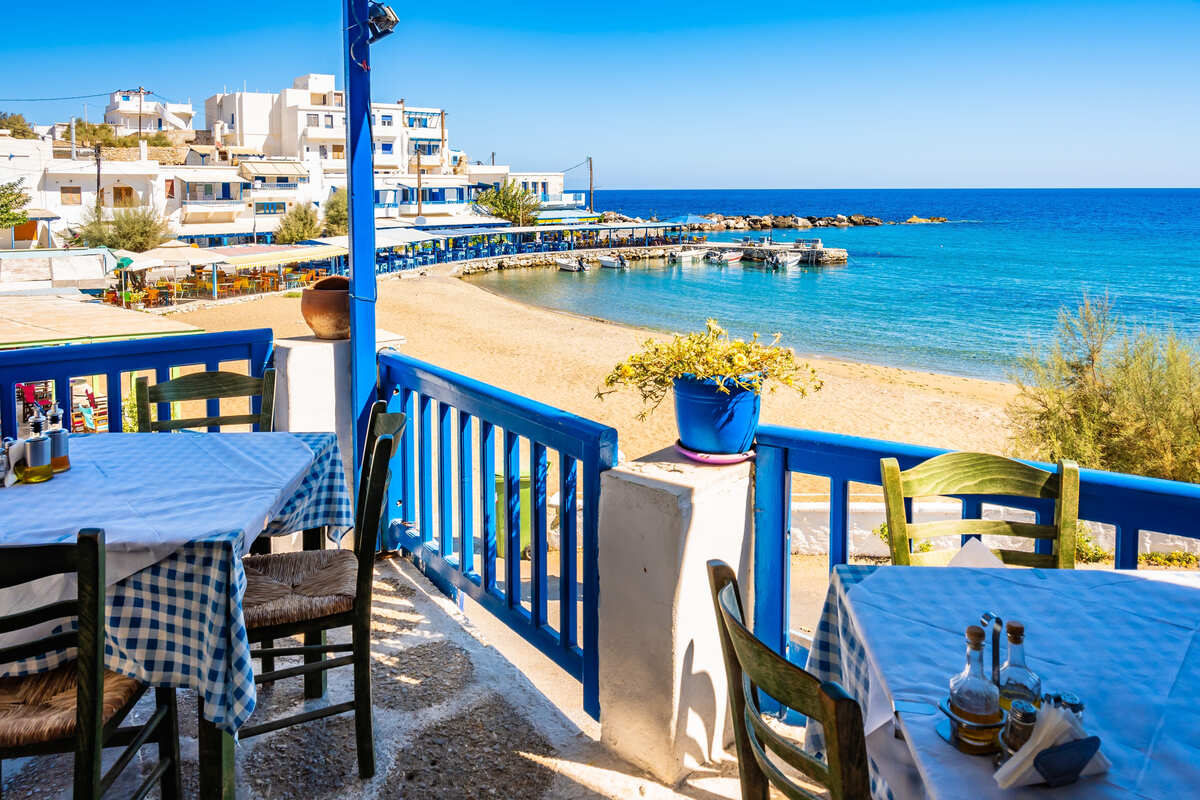
While travelers spend thousands of dollars to fight for sunset views in Santorini or party in Mykonos, Naxos quietly offers a better, more grounded Greek island experience. It is the largest of the Cyclades and produces its own agriculture, meaning the food is cheaper and fresher.
The Vibe: Laid-back, agricultural, and deeply rooted in Greek mythology. You get sprawling, soft-sand beaches instead of the rocky cliffs found on neighboring islands.
The Highlight: The Portara—a huge marble gateway to an unfinished temple to Apollo standing right on a peninsula near the port.
Tip From The Editor (me): Do not just stick to the beaches. Rent a small car and drive up into the mountainous interior villages like Halki. The winding roads are gorgeous, and the family-run tavernas up there serve a local citron liqueur that you simply cannot find on the more commercialized islands.
6. Kotor, Montenegro (Our Pick)
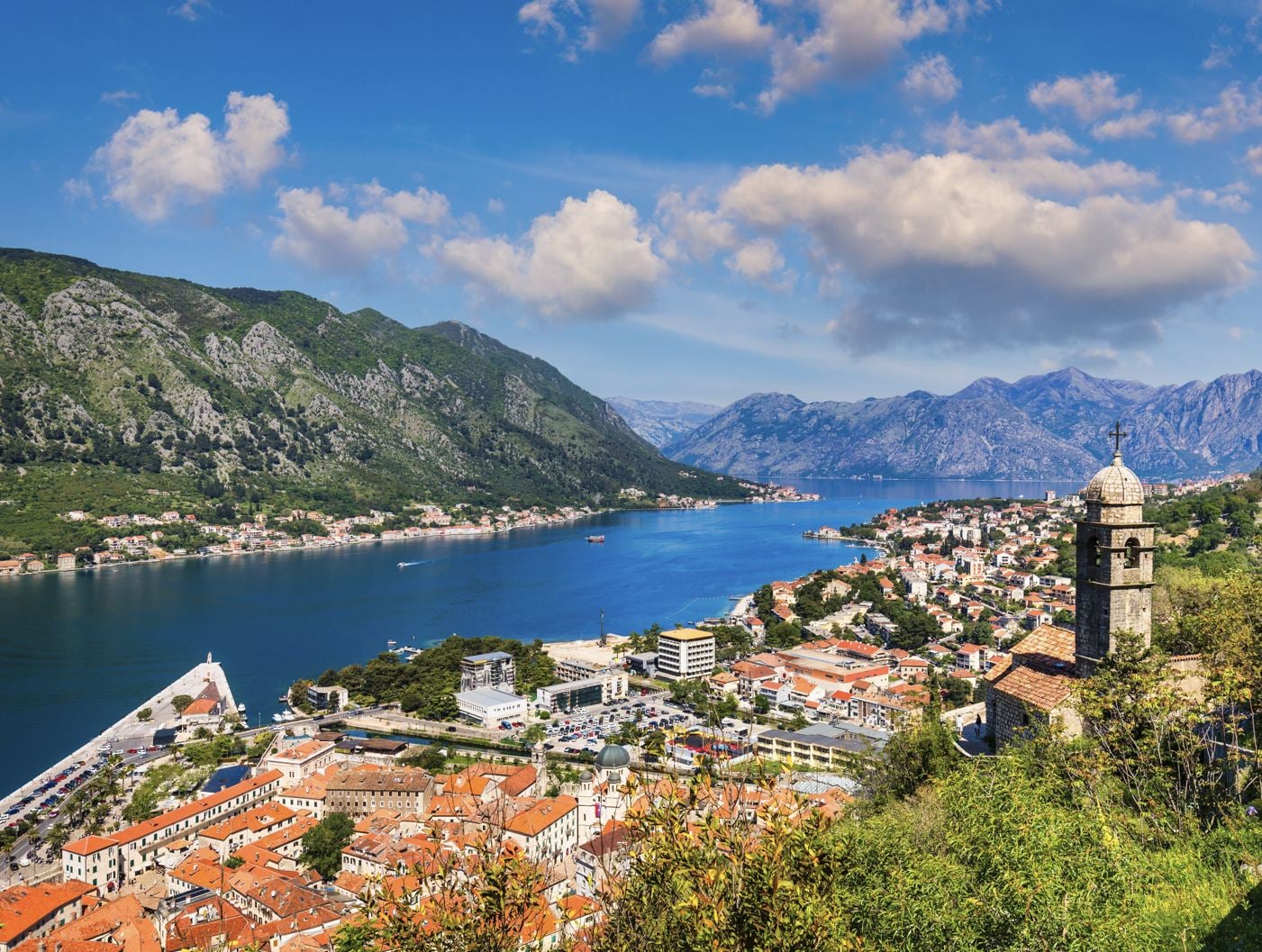
Tucked at the end of a winding, fjord-like bay, Kotor is a staggering visual experience. It is a perfectly preserved medieval old town backed by sheer limestone cliffs plunging directly into the dark blue water.
The Vibe: Dramatic, moody, and steeped in 15th-century history. Walking through the gates feels like stepping straight onto a movie set.
The Highlight: Getting lost in the maze of narrow, asymmetrical cobblestone streets, discovering hidden piazzas and centuries-old stone churches.
Tip From The Editor (me): Everyone attempts the hike up to San Giovanni Fortress for the view, but the main path costs money and gets packed. There is an old shepherd’s trail just outside the north gate (the Ladder of Kotor) that zigzags up the mountain. Lace up your Hokas—it is a tough climb, but it is free, empty, and you can cross over to the fortress near the top through a small window in the stone wall.
The walled-off mega-resorts and gridlocked summer ports are not going anywhere, but the window to experience these European coastal gems in their authentic state is narrowing. 2027 is the year to finally lock in your flights and escape the crowds.
Enter your email address to subscribe to Travel Off Path’s latest travel news, straight to your inbox