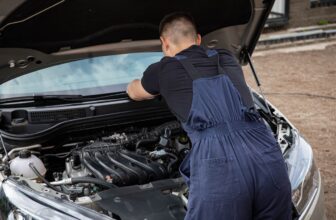
The Importance of Reliable Construction Equipment

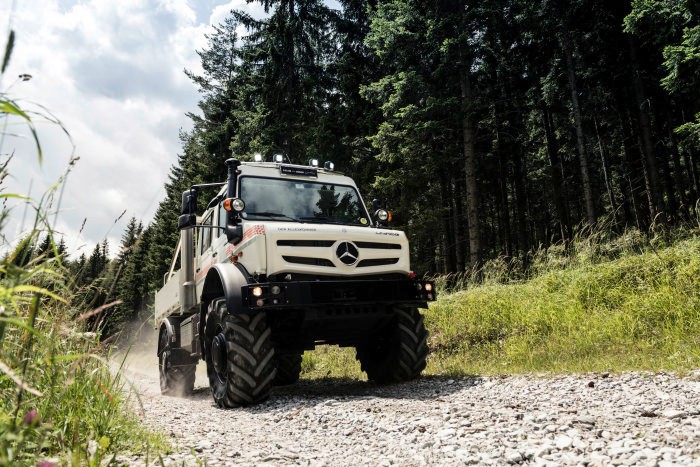
Construction projects are won or lost on the ground, not on paper. A schedule might look airtight in the office, but once work begins, progress depends on something far less theoretical: whether the equipment shows up ready to perform, day after day, under real jobsite conditions.
That’s why reliability matters so much in construction equipment. It affects far more than convenience. A reliable excavator, loader, crane, or compactor keeps crews productive, reduces safety risks, protects margins, and helps contractors deliver on deadlines that are often tight to begin with. When a machine fails unexpectedly, the consequences spread quickly. One breakdown can idle workers, delay subcontractors, trigger rental costs, and create a ripple effect across the entire project timeline.
In an industry where labor, materials, and financing costs are already under pressure, avoidable equipment downtime has become one of the most expensive problems a business can face. And the irony is that reliability is rarely just about the machine itself. More often, it comes down to how equipment is maintained, inspected, operated, and supported over time.
Reliability Is a Productivity Issue First
On a busy site, equipment is the engine of momentum. Earthmoving, lifting, grading, hauling, drilling—none of it happens efficiently without dependable machinery. When a machine starts every morning, performs consistently, and can handle the demands of the environment, work flows. Crews stay focused. Supervisors can plan with confidence. Deadlines remain realistic.
The opposite is equally true. Unreliable equipment creates uncertainty, and uncertainty is expensive.
A machine that overheats intermittently or develops hydraulic issues might not fail completely at first. Instead, it slows output in ways that are harder to measure but just as damaging. Operators compensate. Tasks take longer. Managers reshuffle resources. Before long, a “small issue” becomes a project-wide drag on performance.
Downtime Rarely Stays Isolated
One disabled machine rarely affects just one task. Construction work is sequential by nature. If a dozer is down, site prep slips. If site prep slips, foundations slip. If foundations slip, every trade scheduled after that feels the impact.
This is why experienced contractors treat equipment reliability as a core operational strategy rather than a maintenance department concern. The best-run firms don’t simply react to failures. They work to prevent them through disciplined upkeep, proper diagnostics, and access to accurate technical information. Resources like construction machinery service manuals can play an important role here, especially when teams need precise guidance on troubleshooting, repair procedures, and machine-specific systems instead of relying on guesswork.
That level of detail matters more than many companies realize. Modern equipment is complex. Electronic controls, emissions systems, hydraulic networks, and onboard diagnostics have made machines more capable, but also less forgiving when maintenance is rushed or incomplete.
Safety and Reliability Are Closely Connected
It’s easy to think of reliability as a performance metric, but it’s also a safety issue. Construction sites are controlled environments only to a point. Terrain changes, weather shifts, loads vary, and operators are working around people, structures, and moving vehicles. Equipment failure in that setting is not just inconvenient—it can be dangerous.
A reliable machine gives operators predictable performance. Brakes respond as expected. Hydraulics hold pressure. Controls behave consistently. Warning systems function properly. That predictability reduces risk, especially in high-stakes tasks like lifting, trenching, demolition, or working near live utilities.
Small Faults Can Become Serious Hazards
Many serious equipment incidents don’t begin with catastrophic failure. They begin with minor defects that were ignored or misunderstood: a worn hose, a faulty sensor, unusual vibration, a slow leak, or inconsistent engine performance. Left unaddressed, these issues can escalate into conditions that threaten both workers and property.
Reliable equipment, then, is not simply equipment that “still runs.” It’s equipment that has been inspected, serviced, and repaired to a standard that supports safe operation. That distinction matters. Too many machines stay in service longer than they should without the attention needed to keep them truly dependable.
Reliability Protects the Total Cost of Ownership
The purchase price of a machine is only part of the financial picture. Over its lifespan, equipment generates costs through fuel use, routine service, replacement parts, repairs, transportation, storage, and operator training. When reliability is poor, those costs climb quickly.
Unexpected failures are especially expensive because they come with secondary losses. A contractor may need to bring in emergency repair support, rent replacement equipment, pay overtime to recover the schedule, or absorb penalties tied to delays. Even reputation takes a hit when a firm becomes known for missed deadlines caused by preventable breakdowns.
Preventive Maintenance Is Still the Best Investment
Despite advances in telematics and predictive analytics, the basics remain powerful. Reliable equipment usually reflects strong habits more than flashy technology:
- following manufacturer service intervals
- training operators to spot early warning signs
- documenting repairs and recurring issues
- using the correct parts, fluids, and procedures
- addressing minor faults before they become major failures
These practices are not glamorous, but they consistently separate fleets that perform well from those that become chronic sources of disruption.
Documentation, Training, and Culture Matter
One of the most overlooked parts of equipment reliability is organizational culture. Some companies build reliability into the way they work. Operators complete walkarounds. Supervisors take reported issues seriously. Technicians have access to the right documentation. Repairs are done methodically rather than hurriedly between shifts.
Others treat maintenance as an interruption. In those environments, equipment may stay active in the short term, but long-term reliability almost always suffers.
The Human Factor Behind Machine Performance
Even the best machine will underperform if it is operated carelessly or maintained inconsistently. Conversely, older equipment can remain highly dependable when teams understand it well and support it properly. That’s an important point in today’s market, where many contractors are extending the life of existing fleets rather than replacing machines frequently.
Reliability is not accidental. It is built through informed decisions, disciplined upkeep, and a willingness to address problems early.
Final Thoughts
Reliable construction equipment is not a luxury or a nice-to-have. It is a competitive advantage rooted in practical realities: uptime, safety, cost control, and project certainty. On modern jobsites, where delays are costly and margins are tight, equipment that performs consistently helps keep everything else on track.
Contractors cannot control weather, supply chains, or every scheduling challenge that comes their way. They can, however, control how seriously they take equipment reliability. And in many cases, that decision makes the difference between projects that stay moving and projects that slowly fall behind.