The Travel Enthusiast’s Guide to Vehicle Preparation, Route Mapping, and On-the-Road Safety -> Lazy Travel Blog

There’s a special kind of freedom that comes with a full tank of gas, a loose itinerary, and an open road stretching out before you. A road trip is more than just a way to get from one place to another; it’s an adventure in itself. But the best adventures are the ones you’re prepared for. A little planning before you leave can make the difference between a journey filled with happy memories and one plagued by stressful, preventable mishaps. This guide will walk you through everything you need to know to get your vehicle, your route, and your mindset ready for the road.

Before You Turn the Key: Essential Vehicle Checks
Your car is your most important piece of equipment on a road trip, so giving it some attention before you go is a must. You don’t need to be a mechanic to perform a few basic checks that can prevent major headaches later. A thorough pre-trip inspection ensures your vehicle is safe and reliable for the miles ahead. If you’re not comfortable doing these yourself, it’s always a good idea to have a trusted mechanic give your car a once-over.
Start with the basics. According to this ultimate guide to preparing your car, you should check a few key areas:
- Tires: Check the pressure in all four tires plus the spare. Make sure it matches the recommendation on the sticker inside your driver’s side door. Look for adequate tread depth and any signs of uneven wear or damage.
- Fluids: Top off your windshield washer fluid and check your oil, coolant, and brake fluid levels. If you’re close to a scheduled oil change, it’s wise to get it done before you leave.
- Brakes: Listen for any squealing or grinding noises and pay attention to how the brake pedal feels. If it feels spongy or you have to press it to the floor, get your brakes inspected immediately.
- Lights and Wipers: Test all your exterior lights, headlights, taillights, brake lights, and turn signals. Also, check your windshield wipers for wear and tear and replace them if they leave streaks.
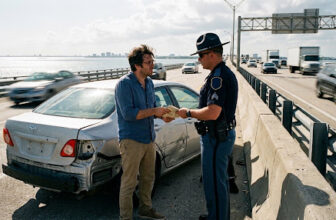
Beyond the mechanical checks, you also need to ensure your documentation is in order. Make sure your driver’s licence and vehicle registration are current and easily accessible. It’s also critical to protect your car with insurance that provides the coverage you need for a long-distance journey. Reviewing your policy can give you clarity on what’s covered in case of an accident or breakdown far from home.
Mapping Your Adventure: More Than Just a Destination
In the age of GPS and smartphone apps, it’s easy to think route planning is as simple as typing in an address. While technology is incredibly helpful, a truly great road trip involves more than just finding the fastest path. It’s about the journey itself. Taking time to map out your route allows you to discover hidden gems, scenic byways, and interesting stops you might otherwise miss.
Start by looking at a map and getting a sense of the big picture. Identify major cities you’ll pass through and decide on potential overnight stops. This is where you can start to have some fun. Instead of sticking to major highways, look for designated scenic routes or back roads that might offer better views and a more relaxed pace. Apps like Roadtrippers or Google Maps’ “avoid highways” feature can be great tools for this. There are many tips on how to plan a road trip that can help you find the perfect balance between efficiency and exploration.
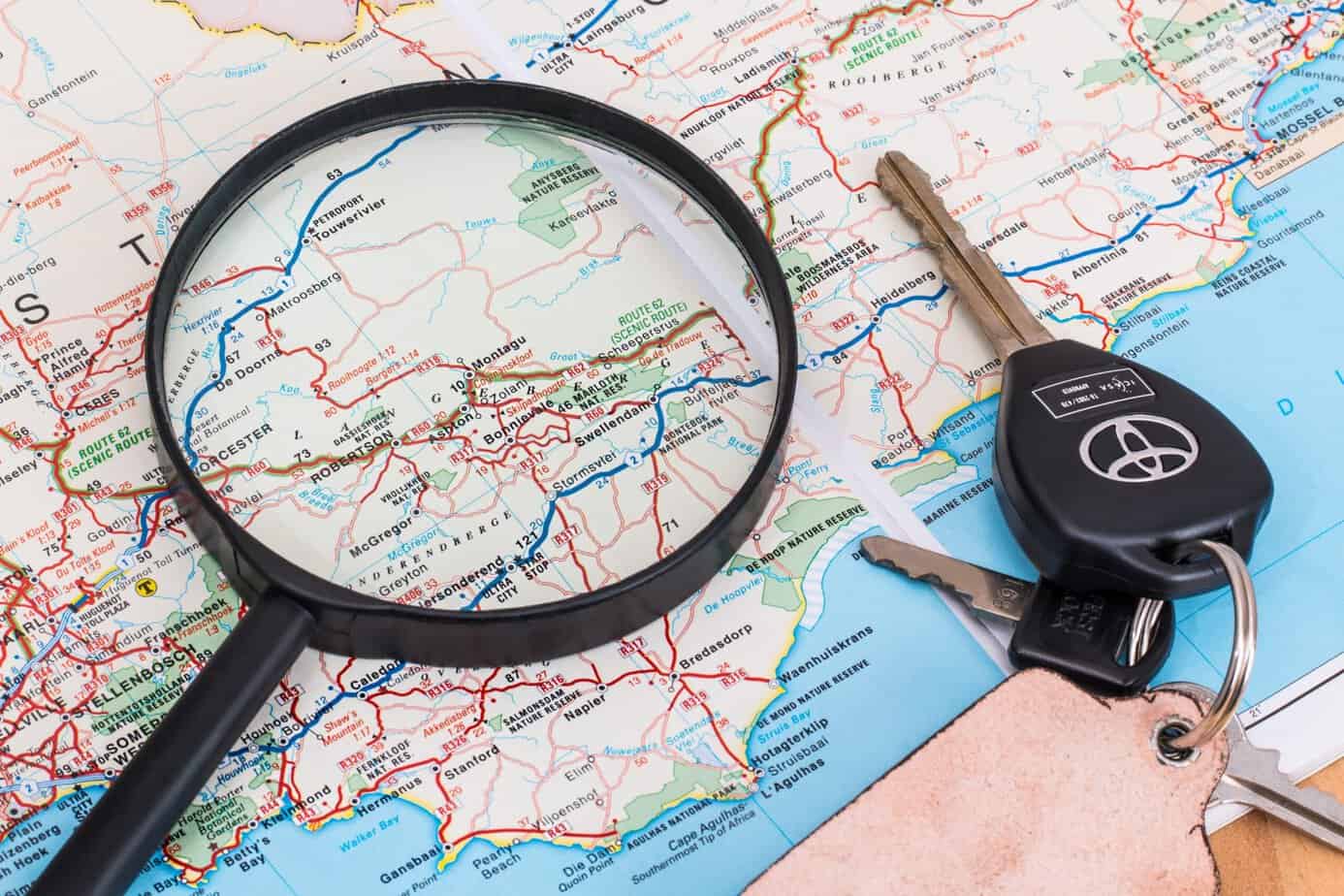
While planning, think about logistics. Mark potential spots for fuel, food, and bathroom breaks. If you’re traveling through remote areas, knowing where the next gas station is can save you a lot of anxiety. It’s also smart to have a backup plan. Download offline maps for your entire route in case you lose cell service. For a truly foolproof system, consider bringing a physical road atlas. It can be a lifesaver if your electronics fail and adds a fun, old-school element to your navigation.
Packing Smart: What to Bring for Comfort and Emergencies
What you pack in your car can have a huge impact on the quality of your trip. Smart packing isn’t just about clothes; it’s about preparing for both comfort on the long drives and any unexpected situations that might arise. It’s helpful to think about your packing list in two categories: items for convenience and items for emergencies.
For comfort and convenience, focus on things that will make the hours in the car more enjoyable. A good playlist or a selection of podcasts is essential. Pack a cooler with plenty of water and healthy snacks to avoid relying solely on gas station food. Don’t forget car chargers for all your devices, a comfortable travel pillow, and a blanket for passengers who might get chilly. If you’re embarking on a cross-country road trip, these small comforts become even more important.
The other half of your packing list should be a well-stocked emergency kit. This kit should include:
- A first-aid kit with bandages, antiseptic wipes, pain relievers, and any personal medications.
- Jumper cables or a portable jump starter.
- A basic toolkit with screwdrivers, pliers, and a wrench.
- A flashlight with extra batteries.
- Reflective triangles or road flares to make you visible if you break down.
- A tire pressure gauge and a portable air compressor.
- Work gloves and some paper towels or rags.
Store this kit in your trunk where it’s out of the way but accessible. Knowing you have these items on hand provides a sense of security, allowing you to relax and enjoy the drive.
Staying Safe and Alert on the Open Road
Once you’re on your way, safety means staying focused and making smart decisions behind the wheel. Long hours of driving can lead to fatigue, which significantly impairs judgment and reaction time. The most important rule of road trip safety is to never drive when you’re tired. Plan to take a break every two hours or so, even if it’s just to get out, stretch your legs, and walk around for a few minutes.
Sharing the driving responsibilities with a travel companion is a great way to manage fatigue. If you’re driving solo, be realistic about how many hours you can safely drive in a day. It’s better to arrive a little later than to risk an accident. Stay hydrated with water and avoid heavy meals that can make you feel drowsy.
Another critical aspect of on-the-road safety is avoiding distractions. The dangers of distracted driving are well-documented, and your phone is the biggest culprit. Before you start driving, put your phone on silent and out of reach. Set your GPS destination and your music playlist before you put the car in drive. If you need to make a call or check a message, pull over to a safe location first. Your full attention needs to be on the road and the traffic around you.
Handling the Unexpected: From Breakdowns to Bad Weather
Even with the best preparation, things can sometimes go wrong. You might get a flat tire, encounter a sudden storm, or face an unexpected detour. How you handle these situations is what truly defines a smooth trip. The key is to stay calm and have a plan.
If your car breaks down, your first priority is safety. Pull over to the shoulder as far as possible, turn on your hazard lights, and set up your reflective triangles to warn other drivers. Stay inside your vehicle if you’re on a busy highway. This is when your preparation pays off. You should have the number for your roadside assistance service programmed into your phone or written down in your glove box.
Weather is another major variable. Check the forecast not just for your destination but for the entire route you’ll be driving each day. If severe weather like a blizzard, thunderstorm, or high winds is predicted, be prepared to alter your plans. It might mean waiting out the storm for a few hours in a safe town or taking an alternate route. Pushing through dangerous conditions is never worth the risk. Having a flexible schedule allows you to adapt to these challenges without adding extra stress to your journey.
A little preparation goes a long way in turning a good road trip into a great one. By taking care of your vehicle, planning your route, packing wisely, and staying safe on the road, you set yourself up for an unforgettable adventure where the only surprises are the good ones.