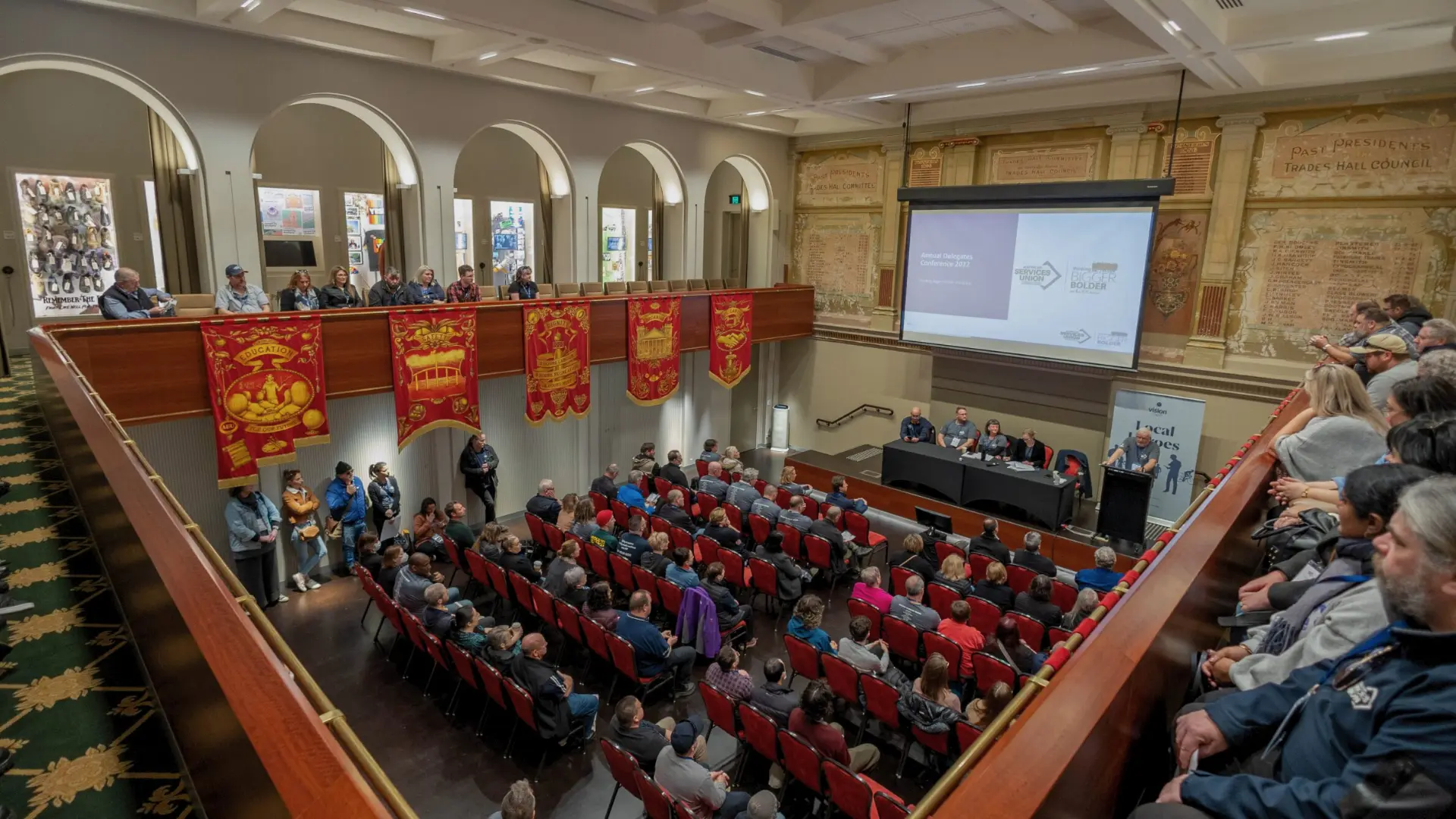
If you’re planning a conference, corporate event, AGM, or product launch, you’ve probably come across the term event production company.
But what does that actually mean?
Is it just AV hire?
Is it the same as event planning?
And when do you need one?
In this guide, we’ll break down what an event production company really does, how it differs from general event planning, and why professional production matters for high-stakes events.
In This Guide, You’ll Learn:
- What event production includes
- The difference between event planning and production
- What happens behind the scenes on event day
- When your event requires professional production support
- Why integrated production reduces risk
What Is Event Production?
Event production refers to the technical and operational delivery of an event.
It covers everything that makes the event run smoothly from a sound, lighting, staging, and show-flow perspective.
This includes:
- Audio systems and microphones
- Lighting design and stage lighting
- LED screens and projection
- Stage design and layout
- Live streaming and hybrid event technology
- Technical rehearsals and cue management
- Show calling and run-sheet execution
In simple terms, event production ensures your event looks professional and runs to time.
Event Planning vs Event Production: What’s the Difference?
This is one of the most common areas of confusion.
Event Planning Covers:
- Venue sourcing
- Budget management
- Supplier coordination
- Permits and compliance
- Catering and logistics
- Registration and delegate management
Event Production Covers:
- Technical equipment and setup
- Stage, lighting, and sound design
- Screen content display
- Speaker technical support
- Show-flow coordination
- On-site technical management
Planning focuses on logistics and coordination.
Production focuses on technical execution and delivery.
For conferences and high-visibility events, both are critical.
What Does an Event Production Company Do Before the Event?
Professional production begins long before event day.
1. Technical Assessment and Site Visit
The production team reviews:
- Venue layout
- Ceiling heights
- Power supply
- Rigging points
- Sight lines
- Acoustic considerations
This ensures the correct equipment and layout are specified early.
2. Equipment Planning
They determine:
- Microphone types
- Speaker placement
- Screen sizes
- Lighting requirements
- Streaming platforms (if hybrid)
This is tailored to audience size and room design.
3. Run-Sheet Integration
Production works directly from your run-sheet, ensuring:
- Every speaker cue is timed
- Videos are loaded and tested
- Lighting transitions are pre-programmed
- Audio levels are balanced
What Happens on Event Day?
On the day of your event, the production team is responsible for:
- Bump-in and equipment installation
- Stage build and lighting setup
- Sound checks and rehearsals
- Speaker technical support
- Show calling and cue management
- Troubleshooting issues quietly and quickly
If a microphone cuts out or a presenter runs over time, the production team manages it calmly behind the scenes.
Good production is often invisible. You only notice it when it goes wrong.
When Do You Need an Event Production Company?
Not every event requires complex production.
However, you should consider professional production support if your event involves:
- 100+ attendees
- Multiple speakers
- Panels or Q&A sessions
- Video content
- Hybrid or livestream components
- Awards or show elements
- High-level stakeholders
For conferences, AGMs, and corporate events, production is not optional. It protects your message and your reputation.
The Risk of Treating AV as “Just Equipment Hire”
One of the biggest mistakes organisations make is treating AV as a standalone supplier.
When AV is disconnected from planning and run-sheet development:
- Transitions feel clunky
- Speakers aren’t briefed properly
- Technical issues cause delays
- The event feels unpolished
Production works best when it is integrated into the overall event plan.
Why Integrated Production Matters
At Right Angle Events, we manage audiovisual production as part of a coordinated event delivery process.
This means:
- One central run-sheet
- One point of accountability
- Production aligned with logistics
- Clear communication between teams
For conferences and governance events, this significantly reduces risk.
Final Thoughts
An event production company is responsible for the technical backbone of your event.
They ensure your sound, lighting, visuals, and show flow are delivered professionally and without disruption.
If your event relies on timing, messaging, or stakeholder confidence, production planning should start early, not the week before.
Planning a Conference or Corporate Event?
If you’re delivering a conference, AGM, or high-visibility corporate event in Melbourne, we provide integrated event production and management under one coordinated framework.
Book a 15-minute feasibility call to discuss your event requirements.