
What Is a Walk-Up Apartment? Should You Rent One?


You find the perfect apartment… but wait—no elevator? Just stairs. Lots of them. For some people, that’s an automatic no. The thought of dragging groceries or a couch up four flights sounds like a workout they didn’t sign up for. Others feel that a walk-up apartment means charm, character, and saving a few hundred dollars on rent each month.
So, is a walk-up apartment the hidden gem you’ve been looking for—or a daily stair-climbing struggle? Let’s break down the good, the bad, and everything in between to help you decide if this old-school setup is right for you.
Main Takeaways
- A walk-up apartment is located in a building without an elevator, so residents use stairs to reach upper-floor units.
- Walk-up apartments may offer lower rent, desirable locations, and unique character, but the stairs can make moving, errands, and daily routines less convenient.
- Before renting a walk-up, consider the number of stairs, accessibility, moving logistics, laundry and trash locations, deliveries, and other everyday needs.
 Where Are Walk-Up Apartments Common?
As property management in Washington, DC, we can tell you that you’ll often find walk-up apartments in older buildings, particularly in cities with a large stock of historic housing. However, a building doesn’t necessarily have to predate modern accessibility requirements to be a walk-up. Under the Fair Housing Act, certain multifamily housing designed and constructed for first occupancy after March 13, 1991, must meet specific accessibility requirements. In buildings without elevators, these requirements generally apply to ground-floor units and applicable public and common-use areas.
Now, if you’re renting in a big East Coast city, chances are you’ve already come across a walk-up or two. They’re common in places where space is tight, and buildings were built up instead of out.
Here are a few examples:
- In D.C., spots like Capitol Hill and Dupont Circle are full of walk-ups.
- In Philly, you’ll see them in Fishtown, Graduate Hospital, and other rowhouse-heavy neighborhoods.
- In Northern Virginia, you’ll still find some around Old Town Alexandria and older sections of Arlington.
Are Walk-Up Apartments Cheaper?
Walk-up apartments can sometimes be cheaper than comparable units in elevator buildings. That’s because they’re considered a bit less convenient because of stairs and often don’t come with extra perks like doormen, gyms, or rooftop decks.
Note: In some buildings, upper-floor walk-ups may be priced lower because of the additional stairs. So that top-floor unit may be the most affordable, but it comes with the most stairs, too!
Pros and Cons of Walk-Up Apartments
A walk-up apartment comes with its fair share of advantages—and downsides, too. Let’s take a look at the most common ones you’re likely to encounter if you decide to rent one.
Pros of Walk-Up Apartments
More Affordable Rent: Walk-ups may cost less than comparable units in buildings with elevators or more extensive amenities. That lower price tag can free up your budget for other priorities.
Prime Locations: Oftentimes, walk-up apartments are located in the heart of older cities. Meaning they’re close to restaurants, parks, public transit, and all the city buzz. So, you can be right in the heart of the hustle and bustle.
Unique Charm: Many walk-ups are in historic buildings with vintage details. Think hardwood floors, crown molding, exposed brick, and big windows. Those are part and parcel of a walk-up apartment.
You’ll Get Some Steps In: If stairs aren’t an issue for you, living in a walk-up naturally adds a little more movement to your daily routine.
Cons of Walk-Up Apartments
No Elevator = Stairs Always: Groceries, laundry, moving day, rainy weather… every trip in or out means taking the stairs. It can get tiring fast, especially if you’re on a higher floor.
Less Accessible: Because walk-up buildings don’t have elevators, upper-floor apartments may not be accessible to everyone. Renters with disabilities may request reasonable accommodations or reasonable modifications when needed to provide an equal opportunity to use and enjoy their housing. What is reasonable will depend on the individual circumstances, the requested change, and applicable law.
Tough if You Have a Lot of Storage: If you have a lot of storage to bring up and down, a walk-up apartment probably isn’t the best idea. After all, you could be lugging those belongings to and from your home, day in, day out.
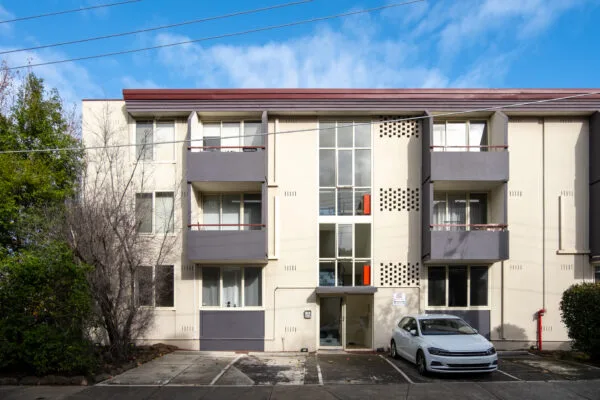 What to Ask Before Renting a Walk-Up
This kind of preparation is a little different from the usual list of questions you might ask a landlord before signing a lease. With a walk-up apartment, it’s not just about the lease terms—it’s about whether your daily life will actually work with all those stairs. Here are some of the questions to ask:
How many flights of stairs are there?
Ask the number of stairs upfront—and picture doing it with groceries, laundry, or on a rainy day. It’ll help you figure out whether the daily climb is something you can realistically handle.
What’s the move-in process like?
Is there a service entrance? Are wide staircases available for moving furniture? Some walk-ups have tight corners and no easy way to carry a couch.
Where is the trash or laundry located?
If you have to go down three flights just to toss the trash or do laundry, that might change how convenient the space feels day-to-day. So, be sure to ask this now to avoid headaches later.
How hot does it get in the summer?
Top-floor walk-up apartments can turn into ovens in July, especially in older buildings with no central air. Trust us, we’ve been there. So, ask about insulation, AC options, or how well the unit holds up during extreme weather.
Who handles stairwell cleaning or snow removal?
In the winter, stairs and other aspects of traversing a building can become more treacherous. You don’t want to find yourself dealing with danger. So, make sure you know who’s responsible for handling snow removal in bad weather.
How are deliveries handled?
No doorman? No lobby? Find out how packages and mail are handled, especially if you shop online often. Also, see which floor the deliveries go to, so you can see if that works for you.
FAQs About Walk-Up Apartments
Walk-up apartments can be a great fit for some renters, but living without an elevator comes with a few things to consider. Here are answers to some common questions before deciding if a walk-up is right for you.
What is a walk-up apartment?
A walk-up apartment is a unit in a building without an elevator. Tenants living above the ground floor must use stairs to reach their apartments.
Are walk-up apartments cheaper?
They can be. Some walk-up apartments cost less than comparable units in buildings with elevators because of the added inconvenience of using stairs. However, rental prices ultimately depend on the property, location, amenities, and local market.
Are walk-up apartments hard to move into?
They can be, particularly on higher floors. Narrow staircases, tight corners, and multiple flights of stairs may make it harder to move large furniture and other belongings into the unit.
What floor is best in a walk-up apartment?
It depends on your priorities. Lower floors require fewer stairs, while upper floors may offer benefits such as more privacy or less noise from residents above. Consider how often you’ll use the stairs before choosing a floor.
What should I consider before renting a walk-up apartment?
Think about the number of flights you’ll need to climb, accessibility, moving furniture, laundry and trash locations, package deliveries, and how the stairs will affect your daily routine.
 Still Not Sure Which Rental is Right for You? We Can Help!
A walk-up apartment is a unit in a building without an elevator, often found in older buildings and urban neighborhoods. While these apartments often may offer lower rent, prime locations, and historic charm, they also come with the daily challenge of stairs, potential accessibility challenges, and fewer amenities—so deciding whether to rent one depends on your lifestyle and willingness to trade convenience for affordability and character.
At the end of the day, the best apartment is the one that fits your lifestyle. If you’re weighing your options or looking for help with your next move at Bay Property Management Group, we’re here to guide you. Need help comparing rentals? Look at our listings today to see a huge variety of choices.


