

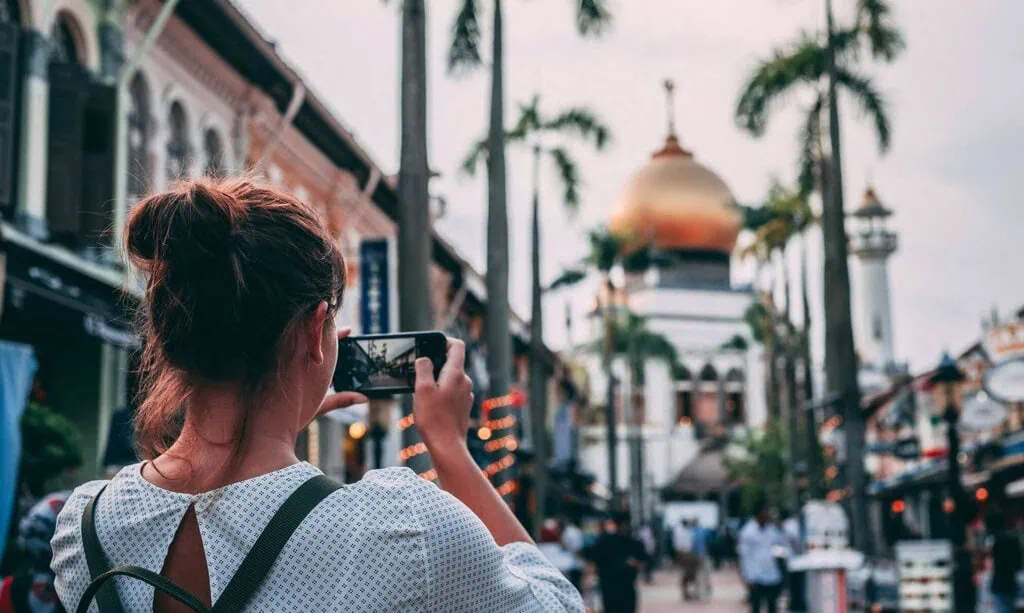
Photography etiquette at religious and cultural sites
Standing under Michelangelo’s frescoed ceiling in the Sistine Chapel is overwhelming, yet cameras are forbidden. The ban isn’t about preservation alone. At the time restoration was funded during the 1980s, the rights to reproduce images were given to the sponsor for years, and after that period ended, the Vatican decided to keep the no-photo policy to maintain the sacred atmosphere. Photography rules in the Valley of the Kings vary between tombs and can change, so visitors should check current restrictions on cameras, flash and equipment before entering. Egypt’s personal photography regulations generally permit noncommercial photography in public places without obtaining a permit.
Check for signs at entrances that state whether photography is allowed. Some allow it, others prohibit flash photography, and some ban all photography. Ask a guide or staff member before taking photos if there are no signs. Silence your camera shutter sound, as that clicking noise echoes through quiet halls and interrupts the atmosphere.
Rules for ethical wildlife photography
Do not convert the thumb test into a guaranteed physical distance. In Yellowstone, official wildlife distances require visitors to remain at least 100 yards from bears or wolves and at least 25 yards from other wildlife, including moose; other parks may impose different minimum distances. If an animal reacts to your presence, move farther away. You’ve pushed its limits if it moves away, even a few steps.
Use a long lens. A good 400mm or 600mm telephoto lens lets you capture detailed shots without encroaching on an animal’s comfort zone. Never bait or feed wildlife. Feeding disrupts natural behavior and creates dependency that alters survival instincts. Do not use drones to photograph birds at their nests because the wildlife risks from drones include causing breeding pairs to abandon their nests.
Understanding local photography laws and restrictions
Many countries prohibit taking pictures of locations such as airports and train stations. Avoid taking pictures of all police and military installations. Some countries require consent before photographing identifiable people or publishing their images. In the United States, requirements can vary by state and intended use, particularly when a photograph will be used commercially. An online legal platform like ConsumerShield provides state-specific forms, guides and legal resources that can help photographers document permission appropriately.
When to put the camera down
The places you can’t photograph often leave the deepest impressions, not because you have a perfect shot, but because you were present.


