The Business of Wine Tourism: What Hawke’s Bay’s Numbers Tell Us

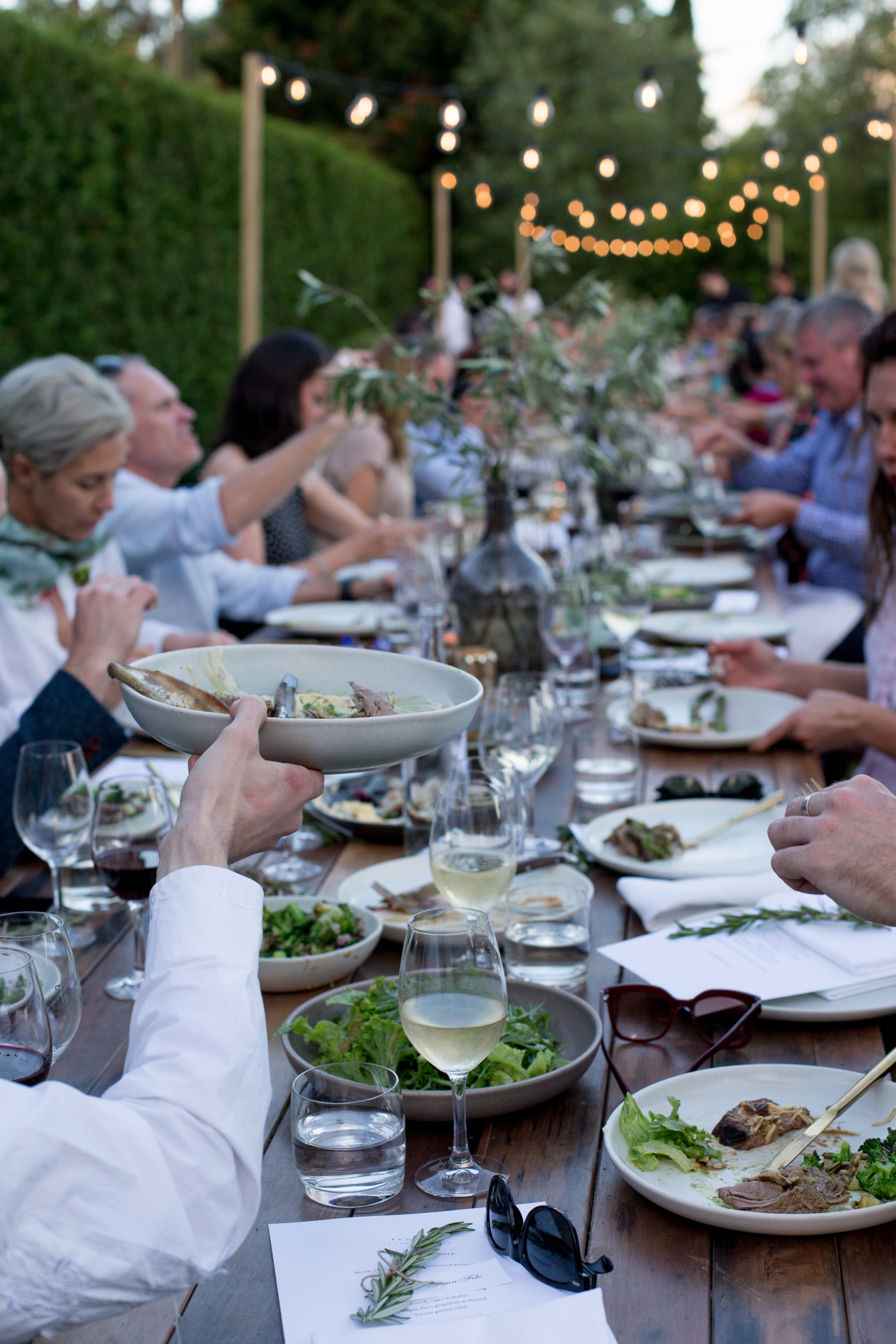
Wine tourism is often talked about in terms of romance, rolling vineyards, long lunches, a glass of something excellent at golden hour. And behind that romance lies the real commercial opportunity: food and wine experiences are among the most powerful drivers of high-value visitation in the world today. Nowhere is that clearer than in Hawke’s Bay, New Zealand’s oldest wine region and one of the prestigious members of the Great Wine Capitals Global Network.
Food and wine isn’t a niche – it’s the mainstream ask
For years, wine tourism operators have had to make the case that food and wine deserve a central place in destination marketing, rather than sitting on the periphery as a nice add-on. The data settles that argument. Tourism New Zealand’s Active Considerer Monitor shows that 61% of people actively considering a trip to New Zealand say quality local food and wine experiences are part of the appeal, and 71% would like to visit a vineyard or winery while they’re here.
As Hawke’s Bay Tourism GM, Tania Burt, puts it: “That’s not a niche interest – it’s mainstream, and it’s exactly what we do best.”
For a region built around wine, that statistic is more than encouraging – it’s a mandate.
The pull factor: wine visitors choose Hawke’s Bay
It’s one thing to know that visitors want wine experiences. It’s another to know they’re willing to travel further to get them. This is where Hawke’s Bay’s numbers get particularly interesting.
Among international visitors who take part in a brewery, gin, vineyard or wine trail experience anywhere in New Zealand, 8.4% visit Hawke’s Bay – compared with an average of just 5.8% across all international visitors. In other words, wine-and-brewery travelers are around 45% more likely to visit Hawke’s Bay than the typical tourist.
That gap matters. It shows a genuine pull effect: visitors with a specific interest in wine are actively choosing to route themselves off the well-worn Auckland–Rotorua–Queenstown circuit and into Hawke’s Bay specifically. This isn’t passive discovery, it’s a destination earning its place on the itinerary.
The value equation: why wine tourists are worth chasing
The commercial case is just as compelling. Internationally, visitors who take part in brewery, gin, vineyard or wine trail activities spend an average of $5,382 per person on their New Zealand trip, around $996 more than the average international visitor.
That’s not a marginal uplift. It’s a clear signal that wine and food tourism isn’t simply about visitor numbers – it’s about visitor value. For regions competing for a finite tourism marketing budget, this is the kind of data that should shape where investment goes.
What it actually takes to convert interest into visitation
Knowing that demand exists is only half the equation. Converting that interest into an actual detour requires deliberate work. According to Ms Burt, it comes down to two things: a compelling, differentiated story, and making that story visible before visitors arrive.
“It means clear, connected messaging about what makes our wine and food scene distinctive – not just that we have vineyards, but that we offer an intimate, walkable, boutique wine experience unlike the bigger, more established circuits,” Burt explains. Membership in the Great Wine Capitals Global Network plays a direct role here, providing a credibility marker that matters enormously to international trade partners and visitors weighing up unfamiliar destinations.
The other half is distribution: working with trade and travel partners so that Hawke’s Bay is built into itineraries in the planning stage, not discovered as an afterthought once visitors are already in the country.
A compact region punching above its weight
What sets Hawke’s Bay apart isn’t scale – it’s accessibility. Visitors can move between historic producers and boutique cellar doors within a compact, easy to navigate region, often combining wine with exceptional food, Art Deco heritage, cycling trails, wildlife experiences and coastline in a single day. It’s a markedly different experience from larger, more dispersed wine regions elsewhere in the world, and one that plays directly into the growing visitor preference for immersive, easily digestible experiences over sprawling, logistically complex itineraries.
The opportunity ahead
Hawke’s Bay’s data makes a broader point that applies well beyond one region: wine tourism is not a lifestyle add-on to a destination’s tourism offer, it is a legitimate economic strategy, backed by measurable demand, above-average conversion, and materially higher visitor spend.
That’s precisely the conversation the Great Wine Capitals network exists to advance, and it’s one Hawke’s Bay is looking forward to exploring further when it welcomes the international Great Wine Capitals community, business and trade delegates for its conference this October. As Ms Burt notes, hosting the event is “a real opportunity to showcase what Hawke’s Bay offers to an influential international audience” and a chance for the whole network to compare notes on turning wine tourism’s undeniable demand into durable regional value.