REPORT CARD: DID DONALD TRUMP DELIVER THE ECONOMIC PROMISE HE SAYS HE DELIVERED? NUMBERS SAY THIS.

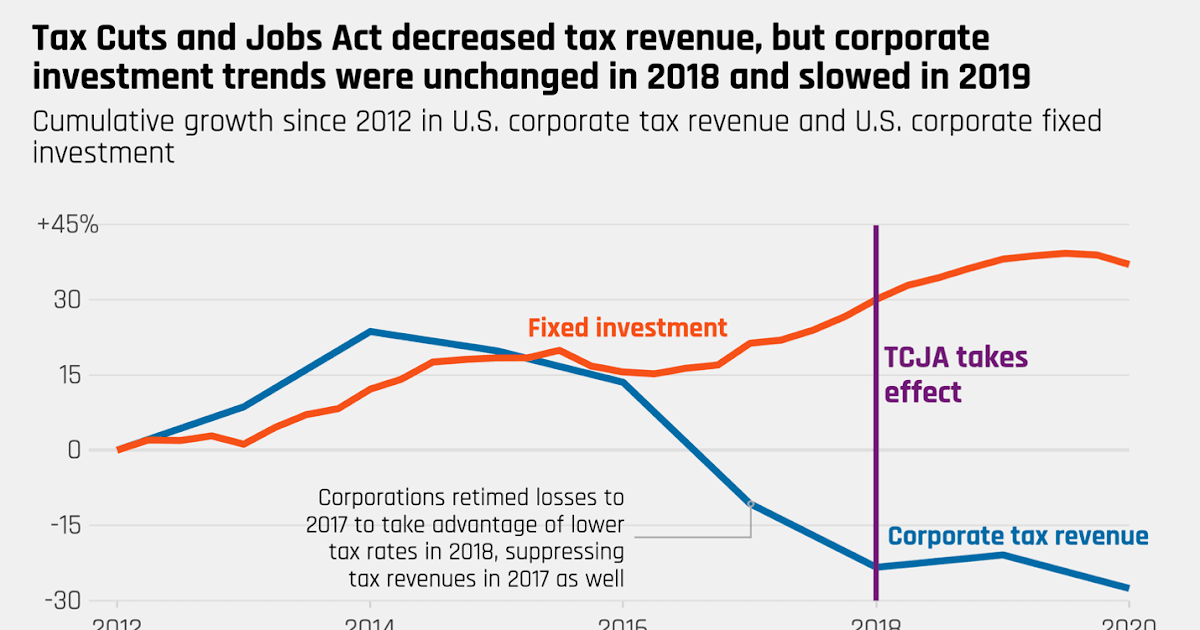
The 2017 Tax Cuts and Jobs Act (TCJA) was touted as a
catalyst for business investment and overall economic growth, primarily by
reducing the corporate tax rate from 35% to 21%. The expectation was that lower
taxes would free up capital for businesses to invest in expanding operations,
hiring more workers, and boosting wages.

Investment Growth
Research indicates that the TCJA did lead to increased
investment among firms that received larger tax cuts. For example, a study by
economists from Harvard, Princeton, and the University of Chicago found that
firms with significant tax reductions invested more than those with smaller tax
cuts. However, this increase was not uniform across the economy.
Key Statistics:
- Aggregate
Investment: Despite the uptick in investment among certain firms,
aggregate investment growth across the U.S. economy was limited. The
broader economy did not experience the expected surge in investment,
suggesting that the tax cuts did not translate into widespread economic
growth. The overall increase in business investment was estimated to be
modest, contributing only a small boost to GDP. - GDP
Growth: The U.S. GDP grew by 2.9% in 2018, the year following the tax
cuts, but this was not a significant departure from the growth rates of
previous years. Furthermore, the growth was short-lived, with GDP growth
slowing to 2.3% in 2019.
While the TCJA did result in increased investment by some
firms, the overall impact on the U.S. economy was less significant than
anticipated. The expected surge in investment and growth did not fully
materialize, with benefits concentrated in specific sectors rather than across
the entire economy. As a result, the tax cuts’ impact on long-term economic
growth has been questioned, particularly when weighed against the increase in
the federal deficit(Equitable Growth).
Impact on Investment and Growth:
The 2017 Tax Cuts and Jobs Act (TCJA) aimed to stimulate
investment by reducing the corporate tax rate from 35% to 21%. However, the
anticipated broad economic impact did not fully materialize.
Investment Statistics:
- Initial
Boost in Investment: Following the TCJA, corporate investment saw a
brief uptick, particularly among firms with significant tax savings. For
instance, business investment grew by 6.4% in 2018 compared to 4.7% in
2017, according to data from the Bureau of Economic Analysis (BEA). - Concentration
of Benefits: The investment increases were not evenly distributed
across industries. The tech and financial sectors, which benefited most
from the tax cuts, saw the largest investment increases. Manufacturing and
smaller firms experienced less of a boost. - Long-Term
Investment Growth: Despite initial gains, overall investment growth
slowed down after 2018. By 2019, the growth rate of business investment
had decreased to 2.1%, indicating that the initial surge was not sustained
over the longer term.
GDP Growth:
- Limited
Impact on GDP: The U.S. GDP grew by 2.9% in 2018, partially fueled by
the tax cuts. However, this growth was comparable to the pre-TCJA growth
rates, such as 2.4% in 2017. The GDP growth rate slowed to 2.3% in 2019,
suggesting that the tax cuts did not create a long-lasting economic boom.
Wage Growth and Job Creation:
- Modest
Wage Increases: The TCJA was expected to increase wages by encouraging
investment in productive capacity. However, wage growth remained modest.
The median household income grew by only 0.9% in real terms in 2018,
according to the U.S. Census Bureau. - Job
Creation: Job creation continued at a steady pace post-TCJA, but it
did not accelerate significantly beyond pre-TCJA levels. The U.S. economy
added an average of 2.3 million jobs annually in 2017 and 2018, with no
significant deviation from this trend after the tax cuts.
While the TCJA initially spurred investment among certain
large firms, its broader impact on the U.S. economy was muted. The expected
long-term growth, wage increases, and job creation did not fully materialize,
with the benefits of the tax cuts concentrated in specific sectors rather than
being distributed across the economy. This outcome raises questions about the
efficacy of the TCJA in achieving its broader economic objectives.
Corporate Actions:
- Share
Buybacks: Instead of reinvesting in their workforce, many corporations
used their tax savings for share buybacks, which primarily benefit
shareholders and executives. In 2018, U.S. companies set a record by
spending over $1 trillion on stock buybacks. This practice diverted funds
away from potential investments in employee wages and job creation.
The TCJA’s impact on wages and job creation was
underwhelming. While there were some gains, they were not as widespread or
significant as initially promised. The benefits were largely concentrated in
specific sectors, and the broader workforce saw only modest wage growth. The
focus of many corporations on share buybacks rather than reinvestment in their
employees further limited the potential positive impact on wages and job
creation.

Wealth Distribution and Inequality:
The 2017 Tax Cuts and Jobs Act (TCJA) significantly impacted
wealth distribution in the United States, exacerbating income inequality. The
corporate tax cuts disproportionately benefited the wealthiest individuals and
large corporations, with the top 1% of earners reaping most of the rewards.
Concentration of Benefits:
- Corporate
Profits: Large corporations saw substantial tax savings, which were
often directed toward stock buybacks and dividends rather than wage
increases or job creation. In 2018 alone, U.S. companies spent over $1
trillion on stock buybacks, a record high. This practice primarily
benefits shareholders, who are predominantly in the higher-income
brackets, further concentrating wealth among the richest Americans. - Wealth
Accumulation: The wealthiest 1% of Americans captured the lion’s share
of the tax cuts. According to the Congressional Budget Office (CBO), the
top 1% of earners received nearly 20% of the total tax benefits from the
TCJA, compared to just 5% for the bottom 60% of earners. This disparity
has contributed to the growing wealth gap in the country.
Impact on Income Inequality:
- Growing
Disparities: The TCJA has been criticized for exacerbating income
inequality. By providing significant tax breaks to corporations and the
wealthy, the act has widened the gap between rich and poor. The increase
in corporate profits and executive compensation did not trickle down to
workers as promised, leaving middle- and lower-income Americans with
minimal benefits. - Long-Term
Implications: The increased concentration of wealth among the top
earners has long-term implications for economic inequality. With more
wealth and income concentrated at the top, the middle class faces
stagnating wages and limited opportunities for economic mobility. This
growing divide can lead to reduced economic stability and increased social
tensions.
Fiscal Impact:
- Deficit
Increase: The TCJA’s benefits to the wealthy have come at a cost to
the federal budget. The act is projected to increase the federal deficit
by approximately $1.9 trillion over ten years, raising concerns about the
sustainability of public services and social safety nets that benefit the
broader population. This growing deficit could lead to cuts in essential
programs, further harming middle- and lower-income Americans.
The TCJA has contributed to increasing wealth concentration
among the richest Americans, while the promised benefits for middle- and
lower-income earners have largely failed to materialize. This has exacerbated
income inequality and raised concerns about the long-term economic implications
for the broader population. The act has widened the gap between the wealthy and
the rest of the country, with potentially destabilizing effects on the U.S.
economy.
Long-Term Economic Concerns:
The Tax Cuts and Jobs Act (TCJA) raised significant
long-term economic concerns, particularly regarding fiscal sustainability and
income inequality.
Rising Federal Deficit:
- Deficit
Impact: The TCJA is projected to add approximately $1.9 trillion to
the federal deficit over ten years. This increase in national debt poses
risks to economic stability, as it could lead to higher interest rates and
reduced government spending on essential services, including
infrastructure, education, and healthcare. - Potential
for Future Tax Increases: The increased deficit might necessitate
future tax hikes or cuts to government programs to manage the growing debt
burden. This could place additional strain on middle- and lower-income
Americans, who rely more heavily on government services. The pressure to
reduce the deficit could also lead to austerity measures, which
historically have slowed economic growth and exacerbated economic
disparities.
Impact on Public Services:
- Cuts
to Public Programs: To offset the growing deficit, there could be cuts
to vital public programs. Social safety nets, such as Social Security,
Medicare, and Medicaid, which are crucial for middle- and lower-income
Americans, might face reductions. This could lead to increased economic
insecurity, especially among the most vulnerable populations. - Infrastructure
and Education: Investments in infrastructure and education, which are
critical for long-term economic growth and competitiveness, could also be
jeopardized. Reduced public investment in these areas can hinder future
economic productivity and exacerbate social and economic inequalities.
Widening Income Inequality:
- Concentration
of Wealth: The TCJA has been criticized for exacerbating income
inequality by disproportionately benefiting the wealthy and large
corporations. Over time, this concentration of wealth can lead to reduced
economic mobility and increased social tensions, as the economic divide
between the rich and the rest of the population widens. - Economic
Instability: The growing inequality may contribute to economic
instability, as consumer spending, which drives a significant portion of
the economy, could be constrained by stagnant wages and limited
opportunities for the middle class. This could lead to slower economic
growth and increased vulnerability to economic downturns.
Global Competitiveness:
- Long-Term
Growth: The short-term economic boost provided by the TCJA is unlikely
to be sustained in the long run. The lack of significant investment in
productivity-enhancing areas, such as research and development,
infrastructure, and workforce training, could diminish the U.S.’s global
competitiveness. As other countries invest in these areas, the U.S. risks
falling behind, potentially leading to a decline in its economic
leadership on the global stage.
The long-term economic concerns associated with the TCJA
include a substantial increase in the federal deficit, potential cuts to
essential public services, and the exacerbation of income inequality. These
issues could undermine the U.S. economy’s stability and global competitiveness,
leading to slower growth and increased economic insecurity for middle- and
lower-income Americans. The act’s focus on short-term gains for corporations
and the wealthy may have lasting negative consequences for the broader economy.
Overall, while the corporate tax cuts under the Trump
administration did provide some benefits to businesses and high-income
individuals, the broader economic benefits that were supposed to trickle down
to the average American have not materialized as promised. The effects have
been modest in terms of investment and job creation, with significant concerns
about increased income inequality and long-term fiscal health(Equitable Growth).