For generations, people have come to Johnson County for very different reasons. Some were forced here by federal removal policies. Others crossed oceans, state lines, or the Kansas City metro in search of work, land, opportunity, or a place to build a future.
Over time, Johnson County has become home to people from around the world. Together, their experiences illuminate an important theme of the Johnson County Museum’s special exhibit, Everyday Democracy: who could pursue the nation’s ideals of Life, Liberty, and the Pursuit of Happiness – and under what circumstances – has changed over time.
Here are just a few of their stories.

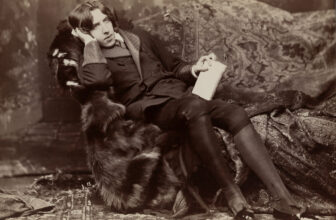
Charles Bluejacket – A Forced Removal
Charles Bluejacket lived through enormous changes in Shawnee life and landholding. An 1825 treaty with the U.S. government set in motion the forced removal of Shawnee people from their ancestral lands east of the Mississippi. Bluejacket and other Shawnee people were relocated to a reservation that included present-day Johnson County.
Another treaty with the U.S. government in 1854 dramatically reduced the Shawnee Reservation as Kansas Territory opened to Euro-American settlement. Shawnee people who remained received individual 200-acre allotments of land, while others resisted individual ownership and sought to maintain communal lands and traditional ways of life. Over time, many Shawnee people removed again to Indian Territory, now Oklahoma.

Bluejacket remained in Kansas Territory and received land based on the treaty’s allowance of 200 acres for each member of his family, creating a large landholding. Unlike many Shawnee people – especially those who resisted allotment and further removal – Bluejacket achieved relative prosperity in Johnson County. He operated a substantial farm and orchard, participated in the Shawnee Methodist Church, and became a prominent Shawnee leader and interpreter in dealings with the U.S. government. His embrace of Christianity and individual landownership aligned him with Shawnee leaders who adapted to many Euro-American practices. Despite his relative success here, Bluejacket and members of his family relocated to Indian Territory in 1871.
Charles Ekengren – A Proud Immigrant
Charles W. Ekengren emigrated from Sweden and was naturalized as a U.S. citizen in 1859. Soon after, he volunteered to fight in the Civil War, serving in the Union’s 2nd Kansas Volunteer Cavalry.
Between 1862 and 1865, Ekengren served throughout the region until a fall from his horse severely injured his ankle. Though the injury affected him for the rest of his life, he returned to Olathe and worked as a stonemason and plasterer — helping to build the community he had chosen as home.

A New Life in the Suburbs
Not every newcomer crossed an ocean. In the early 20th century, families increasingly moved from Kansas City and elsewhere to Johnson County as farms gave way to suburban neighborhoods.
Developers such as J.C. Nichols and William Strang marketed homeownership as a pathway to comfort, prosperity, and happiness — but that opportunity was not offered equally. By 1950, racially restrictive covenants covered 96% of Johnson County’s suburban neighborhoods, preventing Black families and other potential homebuyers of color from owning property.
Advertisements sold more than land; they sold a vision of the future.
“Missionhill Acres is open! … An ideal location for your South Side home—a good, sure, safe investment at a low price.” — Missionhill Acres advertisement, 1927

Property abstracts recorded ownership and restrictions, documenting both who could build a future in the growing suburbs and who could not.
Welcoming New Immigrants
As Johnson County continued to grow, local organizations helped newcomers navigate the process of becoming citizens and building community.
In the 1960s and 1970s, the Naturalization Council of Wyandotte and Johnson Counties offered weekly English and citizenship classes. Its annual Washington’s Birthday Tea honored newly naturalized citizens while providing immigrants with practical support and connections to their new community.

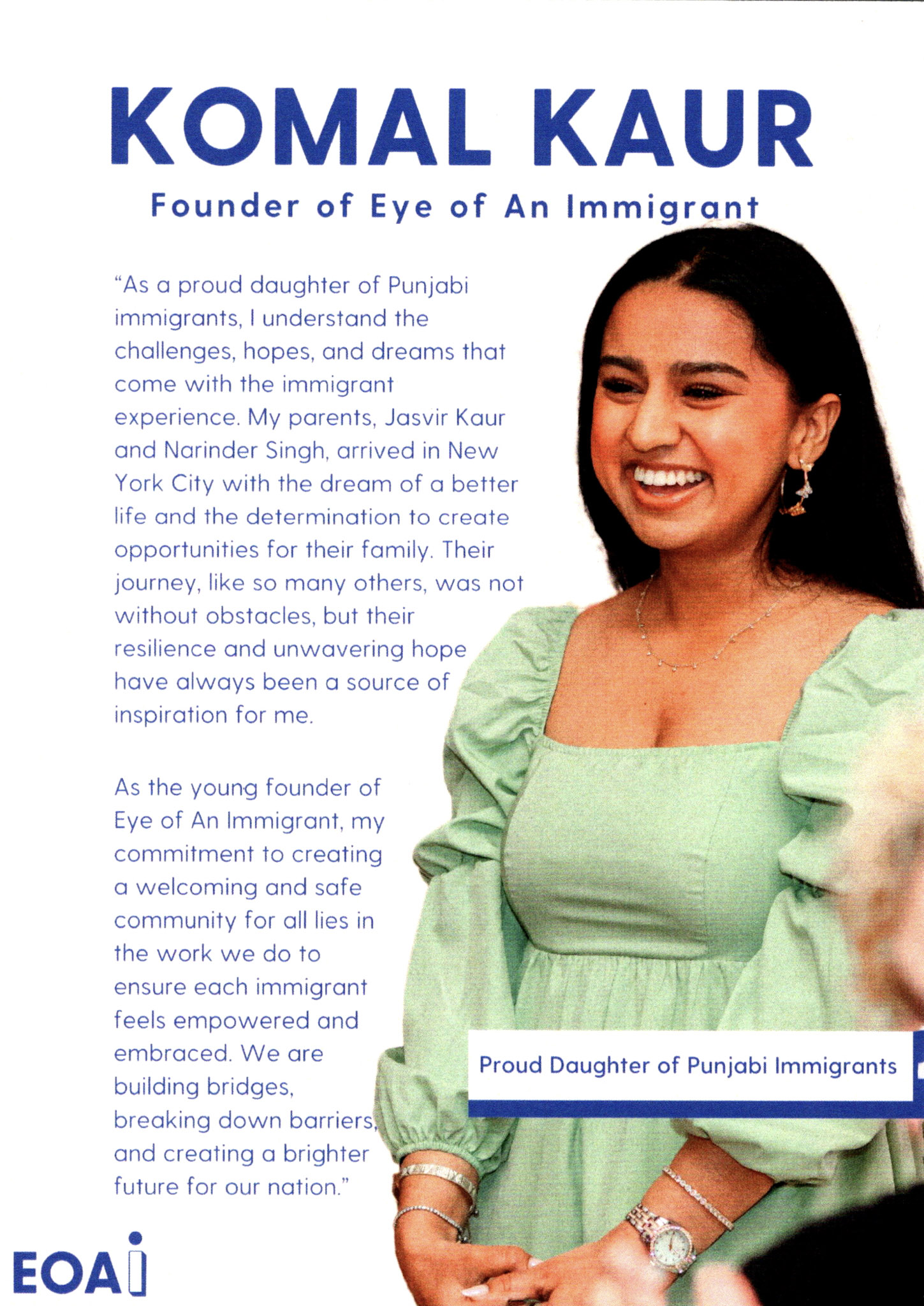
That work continues in new forms today. Founded in 2020 by then-high school junior Komalpreet Kaur, Eye of an Immigrant began as a project sharing immigrant stories in the Kansas City area. Today, the nonprofit amplifies immigrant voices and helps families overcome financial barriers in the immigration process, including assistance with USCIS filing fees.

Learning More and Sharing Your Story
These stories and many more appear in the Johnson County Museum’s special exhibit, Everyday Democracy: Life, Liberty, and the Pursuit of Happiness in Johnson County, on display through the end of the year.
The exhibit explores how generations of Johnson Countians have experienced, challenged, and reshaped the nation’s founding ideals in everyday life—from where they could live and work to how they built communities and made their voices heard.
Visitors can also add their own voices to the story. Near the end of the exhibition, you’re invited to write a postcard to Johnson Countians in 2076, when the nation will celebrate its 300th anniversary. What brought you to Johnson County? What do you value about your community? And what do you hope future residents will inherit? Plan your visit at JCPRD.com/Museum. Everyday Democracy is included with Museum admission. Our next quarterly Free Day is Saturday, September 12, when Museum admission is free for all visitors.