A Restraining Order Is Not Enough When an Abuser Has a Gun

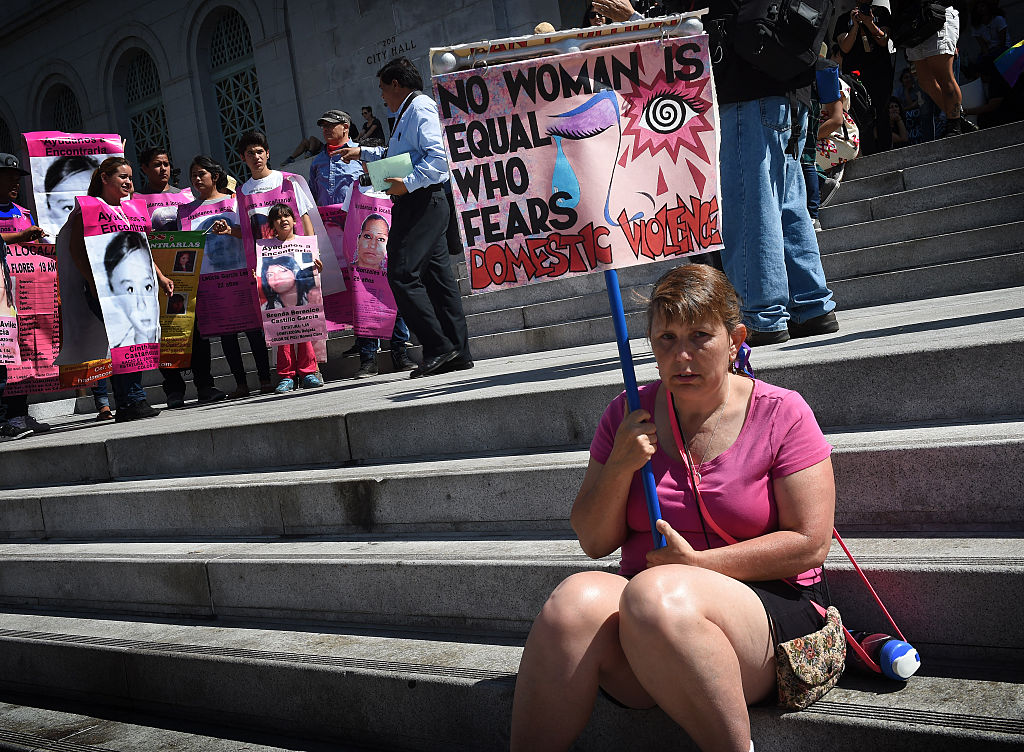
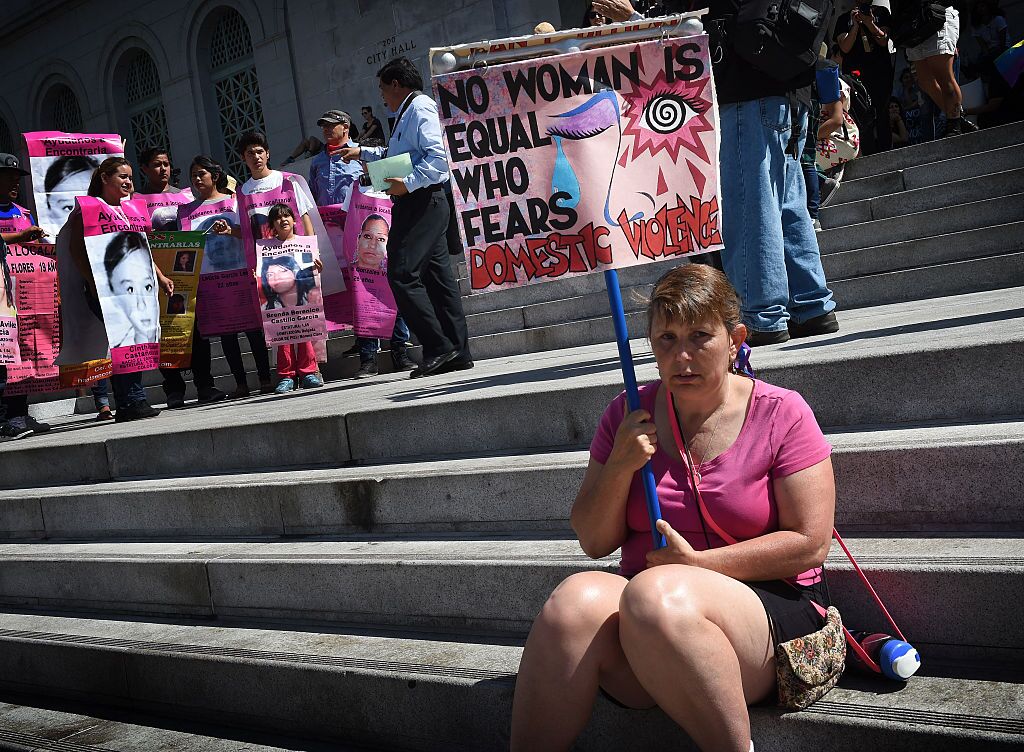
Oct. 1 marks the beginning of Domestic Violence Awareness Month, dedicated to bringing attention to domestic violence and supporting efforts to prevent it. Domestic violence can include physical violence, sexual violence, stalking, and coercive control or psychological aggression. These forms of violence affect millions of Americans each year, with perpetrators often being current or former intimate partners. More than one in three U.S. women experience a form of domestic violence in their lifetime.
In 2024, nearly 2,400 women were killed by men, according to the Violence Policy Center’s (VPC) recent report, “When Men Murder Women: An Analysis of 2024 Homicide Data.”
Of these, 86.9 percent knew their killer—nearly nine out of 10.
Firearms were used in 63.4 percent of these homicides.
… Gun violence and domestic violence … must be examined as two interwoven public health crises.
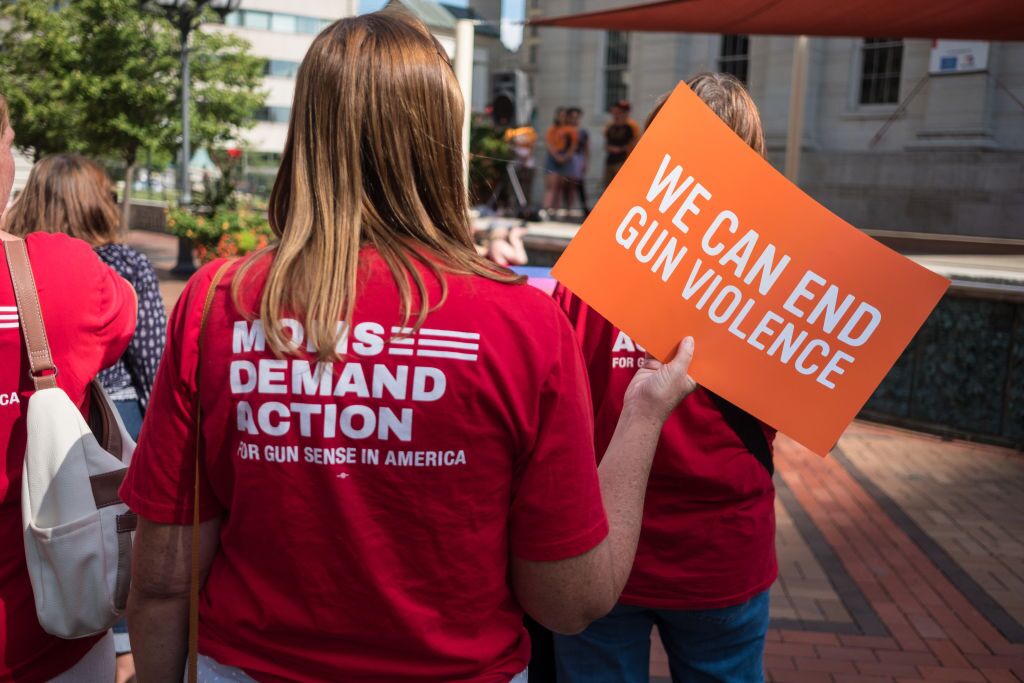
Although domestic violence is widespread, affecting women across racial and ethnic groups and socioeconomic statuses, it disproportionately affects historically marginalized groups. Although Black women make up only 14.1 percent of women in the United States, 30.3 percent of women killed by men in single-victim, single-offender incidents were Black.
Between January 2019 and April 2021, an estimated 7.5 million Americans purchased firearms for the first time. During this broader period, intimate partner violence (IPV)-related homicides rose dramatically, with a 58 percent increase in deaths from 2014 to 2020. When an abusive partner has access to a gun, a domestic violence victim is five times more likely to be killed.
Similar to intimate partner violence, firearm violence is a gendered issue: Men are significantly more likely to purchase firearms than women, with the majority of gun owners being white men.
VPC government affairs director Kristen Rand says, “The proliferation of guns only exacerbates the problem, escalating domestic abuse into domestic homicides.”
A recent Los Angeles Times investigation illustrates the deadly consequences when legal protections fail. The investigation found that former partners or close relatives were charged in the deaths of at least 63 women killed in Los Angeles County in 2024 and 2025—more than 40 percent of the 156 women slain during that period. At least 10 of those women had sought restraining orders, but only four received them.
One was Nora Villanueva Campanor, whose abusive husband stalked her for months before abducting and fatally shooting her, despite the restraining order she had secured.
Restraining orders can require accused abusers and stalkers to forfeit their guns, but an order cannot protect a victim if it is not enforced. In King County, Wash., a specialized domestic violence firearms enforcement unit works to remove guns from accused abusers when temporary restraining orders are issued. The unit was created after officials found that many people subject to restraining orders were simply keeping their firearms because law enforcement was not conducting follow-up investigations.
The connection between firearms and intimate partner violence has also shaped federal law.
The Gun Control Act of 1968 barred firearm possession by people convicted of felonies, a category that included some domestic violence offenders.
The Violence Against Women Act of 1994 prohibited firearm possession by people subject to qualifying domestic violence protective orders.
Two years later, the Lautenberg Amendment expanded the prohibition to people convicted of misdemeanor domestic violence offenses, closing a dangerous loophole because many domestic abusers are convicted of misdemeanors rather than felonies.
However, federal protections still do not cover every abusive relationship.
The 2022 Bipartisan Safer Communities Act expanded the federal firearm prohibition to certain people convicted of misdemeanor domestic violence against dating partners who do not live with them or share a child. The provision is subject to several limitations, including a five-year restoration period for certain first-time dating-partner convictions.
These gaps matter.
For far too long, gun violence and domestic violence have been dismissed as two separate issues. They must be examined as two interwoven public health crises.
A lack of gun reform harms everyone, but it is women who bear the brunt of that impact. Efforts to address firearm violence must center the voices of women, particularly Black women and other communities disproportionately affected by intimate partner violence. Gun policymakers have historically excluded these voices, and while major strides have been made to improve current legislation, there is still a long way to go.
If you or someone you love is experiencing domestic or intimate partner violence, help is available 24/7. Contact the National Domestic Violence Hotline at 1-800-799-7233 or text “START” to 88788.
Adapted from a report originally published by the Feminist Majority Foundation, “Put the Gun Down: The Intersection Between Domestic Violence and Gun Violence.”