Cycling as a Way of Life
One thing that often surprises new cyclists, especially those who were reluctant to adopt a new sport, is how quickly bicycling outgrows its origins as a recovery tool. What began in physical therapy with a few easy miles on the stationary bike becomes something to love: longer rides, a cycling club, a Strava membership, and eventually a multi-day bike trip.
“I often see feelings that shift from frustration to ownership,” Dr. Fillar says. “Patients who start cycling because running or court sports like pickleball or tennis have become painful discover that it’s very sustainable.” She describes one patient, a lifelong triathlete dealing with severe arthritis, who transitioned to cycling and never looked back. “She’s super competitive with it now,” she says. “Over time people discover that with distance goals, group rides, and improved fitness, cycling offers a version of athletic life that’s equally satisfying.”
And cycling, unlike other activities, doesn’t have an expiration date. “It’s one of the few endurance sports you can do into your 60s, 70s, 80s, 90s,” Dr. Fillar notes. “In my field, we’re increasingly focused not just on helping people recover from an injury, but encouraging them look forward to decades of activity and independence—and cycling fits that exceptionally well.”
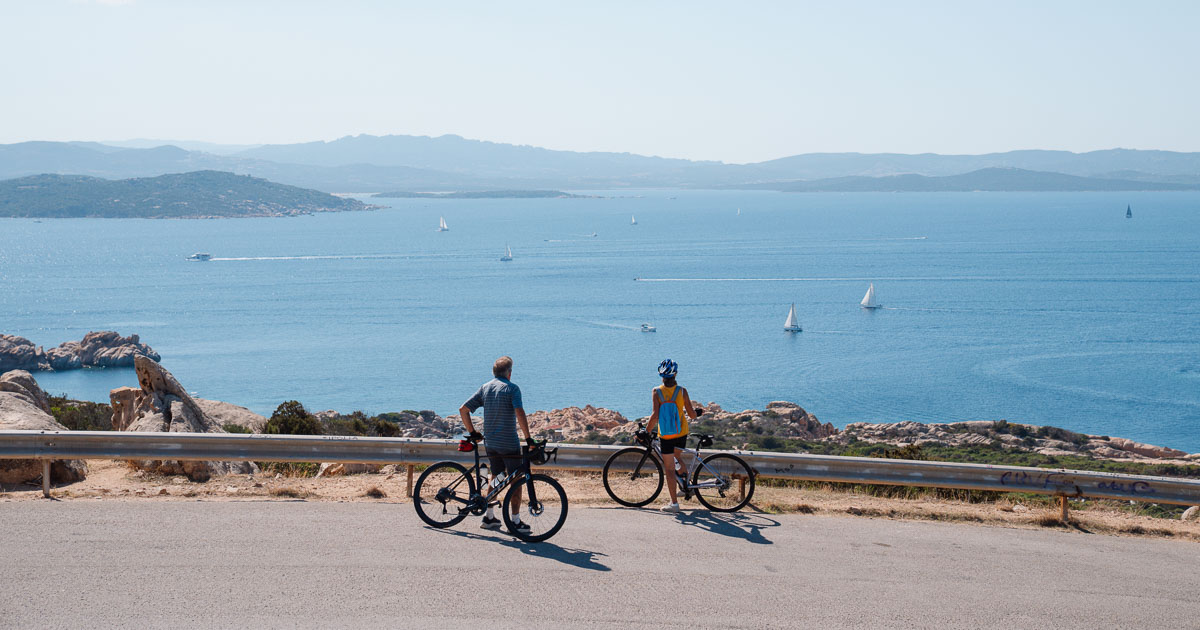
What’s more, cycling isn’t just about athletic staying power—it’s also about where the bike can take you. “For many people who discover cycling as a joint-friendly way to stay active, it can also become a vehicle for adventure and exploring the world,” Dr. Fillar says.
Having a cycling trip to look forward to can serve as a powerful motivator—something to work toward that takes cycling from a rehabilitation tool to an exciting pursuit. It certainly worked for me. During the seemingly endless months when all I was allowed to do was take walks and practice heel slides, I put a trip to the Dolomites on my calendar. It shifted my perspective on recovery from simply healing to being ready to ride. Less than a year after a surgery I was on a bike in the Italian Alps, back in the saddle stronger than ever.
“Cycling vacations combine several things we know are beneficial for long-term health—regular aerobic exercise, social engagement, time outdoors,” Dr. Fillar says “From my perspective, that’s a powerful combination for physical and mental well-being.”