When the experience feels inconsistent or unfair, squeezed consumers don’t necessarily look for a cheaper brand. Instead, they skip the visit entirely and cook at home. They completely disengage.
And that is what makes this moment especially dangerous for those QSR brands assuming value positioning alone will carry them through.
Why QSR Is the Battleground, but Not the Automatic Winner
On paper, quick service restaurants should thrive in a squeezed economy. Lower price points, faster service, and familiar formats traditionally win. In practice, it’s more complicated.
We’re seeing clear signs that lower- and middle-income traffic has softened. Even the largest and most trusted QSR brands are seeing traffic decline. That tells us something uncomfortable but important. Quick service restaurants are not automatically winning the squeezed consumer. They are being tested by them.
As prices rise, portions fluctuate, and execution becomes less consistent under pressure, the margin for error shrinks. Squeezed consumers are far less forgiving. And when the experience disappoints, they respond by disappearing.
In today’s QSR environment, value means delivering a consistently satisfying experience at a price that feels fair, not simply offering the lowest price on the menu. Which means QSR isn’t a safe harbor. It’s contested ground.
Burger and Chicken: Ground Zero for QSR Traffic Decline
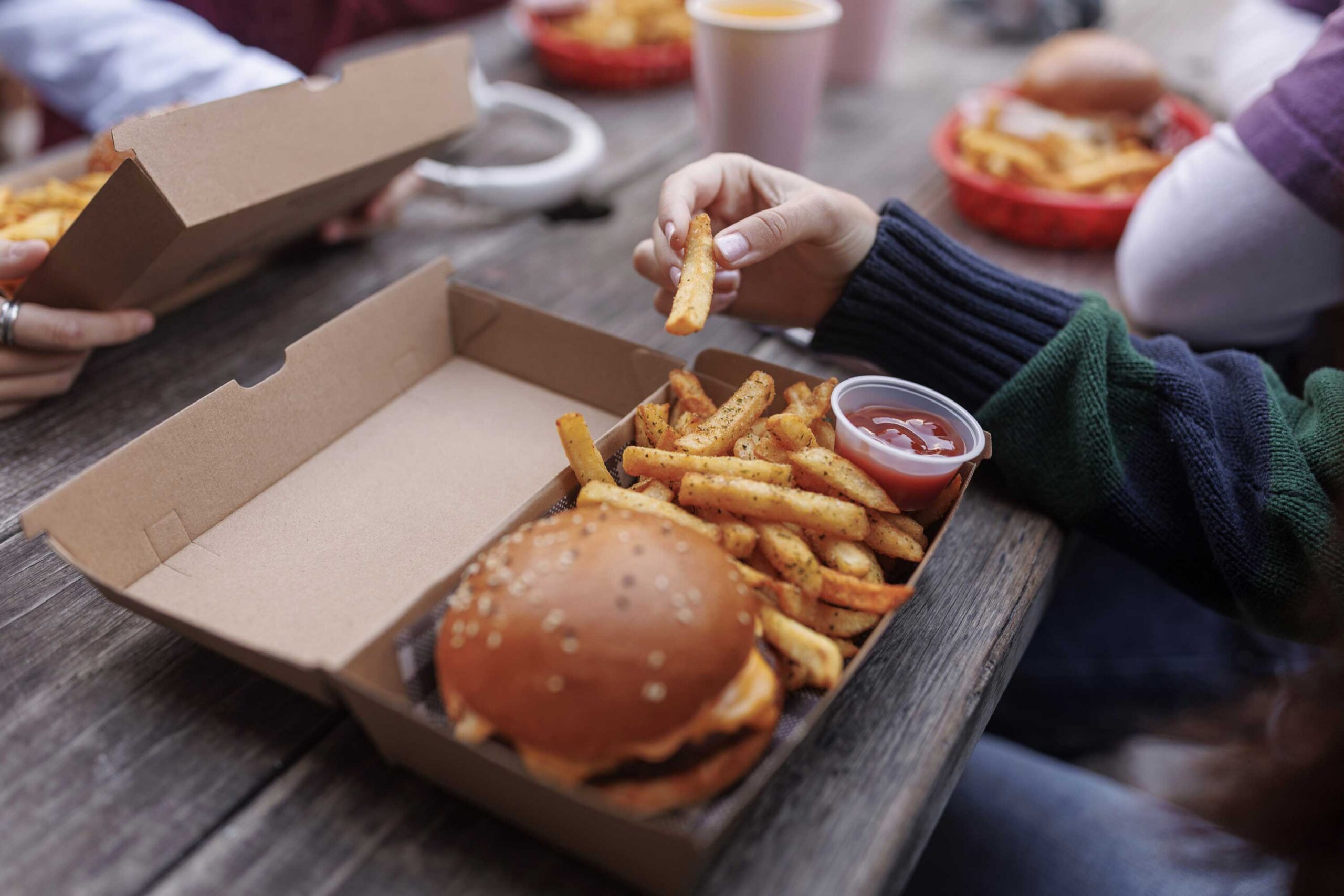
Burger and chicken sit at the center of this shift. These categories are everywhere, and that ubiquity creates low switching costs and constant comparison. When a guest feels disappointed, they don’t have to think hard about alternatives. They simply turn left instead of right.
Both categories have also leaned heavily on price increases in recent years. Those moves were necessary given rising food costs, but the consequences cannot be denied. Price visibility increased faster than perceived value, and in frequency-driven categories, that imbalance matters. Guests may tolerate it once or twice, but over time behavior will change.
Burger and chicken brands face a particular risk here. When offerings feel interchangeable, discounting becomes the primary lever. That doesn’t build loyalty. It accelerates sameness.
What McDonald’s Traffic Data Really Tells Us
McDonald’s is often treated as a proxy for the entire QSR category — not always fair, but it is instructive. What matters isn’t simply a traffic decline in customers unwilling to pay more. It’s what that decline signals.
• First, even the most trusted quick service restaurant brand in the world is not immune to the squeezed consumer opting out.
• Second, value perception has limits. When price, portion, and experience drift out of alignment, scale offers no protection.
• Third, the two-economy split shows up inside QSR itself. Higher-income guests continue to visit, but squeezed guests become more selective or stay home.
The lesson isn’t that McDonald’s is struggling. It’s that no brand is entitled to traffic in this environment.
Why “Best Value” Does Not Mean “Cheapest” in QSR
This is where many conversations about value and value perception go off track. When leaders hear the word “value,” the instinct is to explore price cuts, promotions, and bundles. Those tools matter, but they aren’t the whole story.
When consumers say a restaurant visit wasn’t worth it, the complaint is rarely just about price. More often, what didn’t meet expectations was portion size, food quality, or execution.