The establishment of a community garden is a satisfying method to promote sustainability, enhance the availability of food in the local area, and develop the relationships between neighbors. On the other hand, knowledge of the costs involved is essential for planning purposes. You will be able to construct a budget that is more realistic with the help of this breakdown, which covers critical expenses such as land preparation and continuous maintenance. No matter if you are a first-time organizer or you are looking for funding, this guide will offer you with clarity regarding the allocation of your funds. What are we waiting for? Let’s find out the cost to start a community garden.
Land Preparation Costs for Community Garden
The first significant expense is the preparation of the site. Among these are the acquisition of land (if it is not donated) and the evaluation of its appropriateness. The cost of grading, soil testing, and debris removal should be budgeted between 500 and 2,000 dollars. Space may need to be rented in urban locations, which might add between 1,200 and 5,000 dollars to the annual cost. The cost of clearing overgrown areas or soil that is contaminated might escalate, therefore it is important to consider hiring professional services if they are required.
| Items | Cost Range ($) | Details | Tips/Considerations |
|---|---|---|---|
| Land rental (urban) | 1,200-5,000/year | Annual lease fees | Negotiate long-term agreements. |
| Soil testing | 50-600 | Basic to comprehensive analysis | Prioritize contaminated sites. |
| Debris removal | 300-1,000 | Manual labor or machinery | Include waste disposal fees. |
| Grading services | 500-2,500 | Professional leveling | Ensure proper drainage slopes. |
| Environmental cleanup | 1,000-5,000 | Professional remediation | Required for toxic soils. |
| Contingency fund | 10-15% of total | Emergency repairs or delays | Allocate upfront. |
Soil Testing and Amendments: Key Costs for a Healthy Community Garden
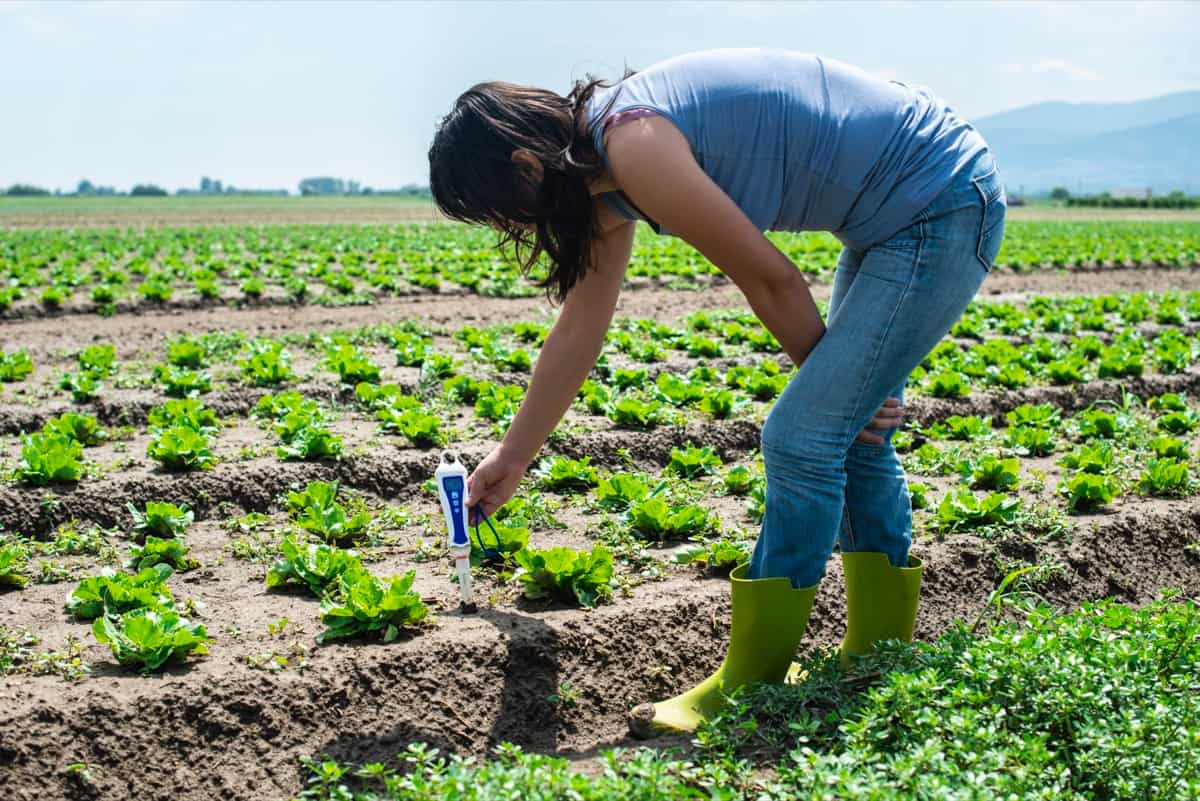
The foundation of a flourishing garden is a soil that is in good health. Comprehensive soil studies (for pH, nutrients, and pollutants) can cost anywhere from 300 to 600 dollars, whereas basic soil testing can cost anywhere from fifty to two hundred dollars. The cost of amendments like as lime, sulfur, or organic matter might range anywhere from $200 to $800. By addressing toxicity or inadequate drainage at an early stage, costly problems can be avoided later on.
| Amendments | Costs ($) | Purpose | Application Tips |
|---|---|---|---|
| Lime | 20-50/bag | Neutralizes acidic soil | Apply in fall for best results. |
| Sulfur | 15-40/bag | Lowers soil pH | Use sparingly to avoid over-acidification. |
| Compost | 30-100/cubic yard | Improves soil structure | Mix 2-3 inches into topsoil. |
| Organic matter | 50-200 | Enhances nutrient retention | Use mushroom compost for richness. |
| pH test strips | 10-30 | Quick soil pH checks | Replace annually for accuracy. |
| Mulch | 20-50/bag | Moisture retention and weed control | Apply 2-4 inches thick. |
Site Clearing and Grading Expenses: Starting a Community Garden
In order to clear the area, it is necessary to remove any rocks, weeds, or rubbish. Whereas the cost of heavy gear (for large projects) can reach 3,000 dollars, the cost of manual labor can range anywhere from 300 to 1,000 dollars. The process of grading guarantees that water drainage is done correctly, which may necessitate the employment of professionals at a cost of between $500 and $2500.
| Services | Costs ($) | Tools/Materials | Best For |
|---|---|---|---|
| Manual clearing | 300-1,000 | Shovels, rakes, gloves | Small plots with minimal debris. |
| Heavy machinery | 1,500-3,000 | Bobcats, excavators | Large or rocky areas. |
| Grading | 500-2,500 | Lasers, levels | Sloped or uneven terrain. |
| Stump removal | 100-400/stump | Grinders, axes | Tree-filled lots. |
| Weed barrier fabric | 0.20-0.50/sq ft | Geotextile fabric | Prevents regrowth. |
| Erosion control | 200-800 | Silt fences, straw wattles | Sloped or rainy climates. |
Fencing and Security Costs: Protecting Your Community Garden Investment
It is essential to protect the garden from being vandalized or infested with pests. A basic fence, whether it be chain-link or wooden, can cost anywhere from 1,500 to 5,000 dollars, depending on the size and the materials used. The cost of installing locks, gates, or security cameras can range anywhere from $300 to $1,200.
| Item | Costs ($) | Materials | Purpose |
|---|---|---|---|
| Chain-link fencing | 1,500-3,000 | Metal posts, mesh panels | Basic perimeter security. |
| Wooden fencing | 2,000-5,000 | Pressure-treated lumber | Aesthetic and privacy. |
| Security cameras | 200-800 | Wireless systems | Deter theft/vandalism. |
| Lockable gates | 150-500 | Metal or heavy-duty hinges | Controlled access points. |
| Motion sensors | 100-300 | Battery-operated alarms | Nighttime security. |
| Chicken wire | 50-200 | For raised bed protection | Pest control (rabbits, rodents). |
Water Access and Irrigation: Essential Costs for a Thriving Garden
Putting in place a dependable water supply is absolutely necessary. The installation of rainwater collecting equipment (tanks, gutters) can cost anywhere from 500 to 2,500 dollars, while the cost of connecting to a municipal supply could range anywhere from 800 to 3,000 dollars. Kits for drip irrigation vary in price from two hundred dollars to one thousand five hundred dollars for larger systems.
| Items | Cost ($) | Components | Best For |
|---|---|---|---|
| Municipal hookup | 800-3,000 | Pipes, meters, permits | Urban gardens with city access. |
| Rain barrels | 100-500 | 50–100 gallon tanks | Small-scale water collection. |
| Drip irrigation | 200-1,500 | Tubing, emitters, timers | Efficient watering for rows. |
| Soaker hoses | 20-50 | Permeable rubber hoses | Raised beds or compact plots. |
| Solar pumps | 300-1,000 | Solar panels, submersible pumps | Off-grid water sources. |
| Hose reels | 50-200 | Wall-mounted or portable | Tangle-free storage. |
Raised Beds and Containers: Cost-Effective Solutions for Community Gardens
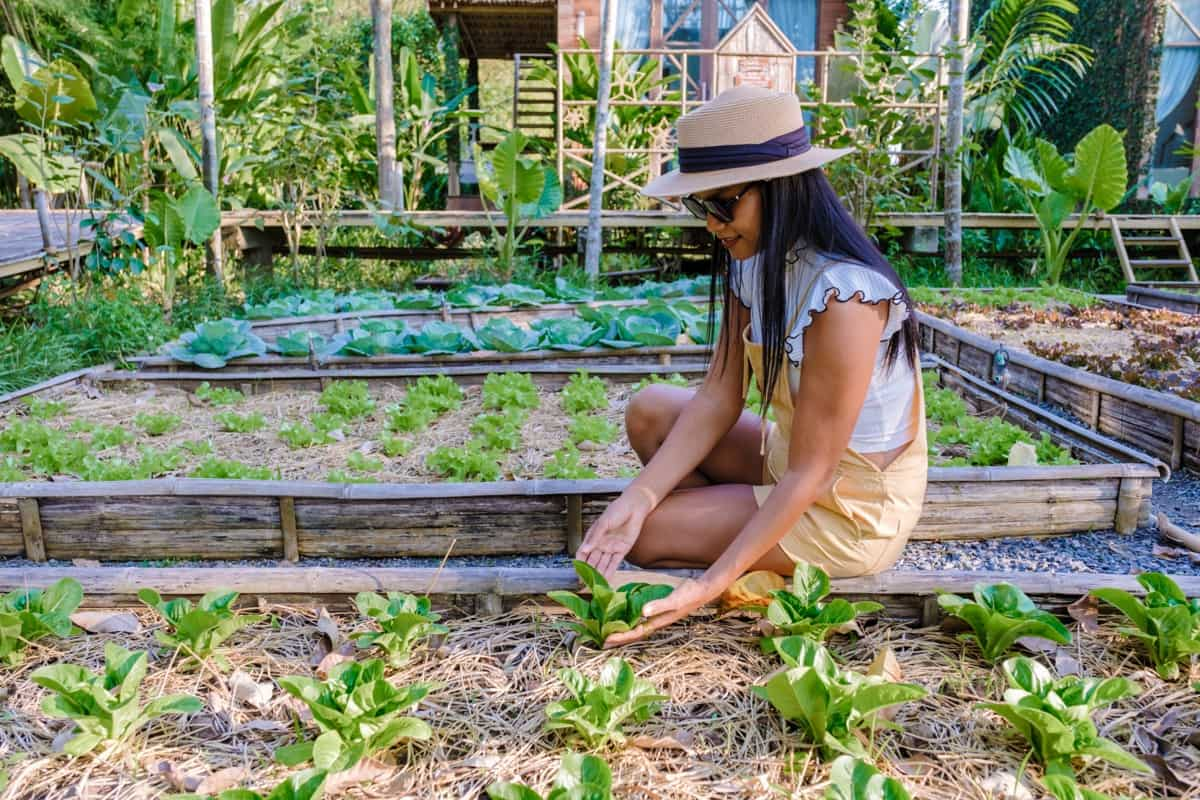
Elevated beds enhance both the quality of the soil and its accessibility. The price of a bed made of materials such as stone or wood ranges from fifty to two hundred dollars. The price of a prefabricated kit might range anywhere from one hundred to four hundred dollars. When it comes to container gardening, you should set somewhere between $300 to $1,000 for the purchase of pots, soil, and the initial setup.
| Types | Costs ($) | Materials | Benefits |
|---|---|---|---|
| Wooden raised beds | 50-200 | Cedar or untreated lumber | Customizable sizes. |
| Galvanized steel beds | 150-300 | Corrosion-resistant metal | Modern aesthetics, durability. |
| Fabric containers | 20-50 each | Breathable grow bags | Lightweight and portable. |
| Ceramic pots | 10-100 | Glazed or terracotta | Decorative herb gardens. |
| Vertical planters | 200-600 | Wall-mounted systems | Space-saving for small areas. |
| Soil mix | 5-15/bag | Compost-rich blends | Pre-mixed for raised beds. |
Tools and Equipment: Shared Costs for Community Garden Maintenance
The cost of basic tools, such as shovels, rakes, and hoses, ranges from $300 to $800. Investing in long-lasting products such as wheelbarrows (which may cost between 200 and 500 dollars) or tillers (which can cost between 400 and 1,200 dollars) might add to the initial costs. Using shared tools helps members save money on their individual expenses.
| Tools | Costs | Purpose | Maintenance Tips |
|---|---|---|---|
| Wheelbarrow | 200-500 | Transport soil, debris | Grease wheels annually. |
| Garden tiller | 400-1,200 | Soil aeration and bed prep | Store in dry conditions. |
| Pruning shears | 20-100 | Trimming plants and branches | Sharpen blades regularly. |
| Hose sprayer | 30-80 | Targeted watering or pest control | Clean after use to prevent clogs. |
| Tool storage shed | 300-1,000 | Weatherproof cabinet or lockbox | Secure high-value tools. |
| Gloves (bulk pack) | 50-100 | Hand protection for volunteers | Replace worn-out pairs. |
Seeds and Plants: Initial Costs for a Bountiful Community Garden
It is necessary to plant seeds, seedlings, or saplings for the initial planting. Spend between two hundred and six hundred dollars annually on seasonal crops. One fruit tree or perennial plant can cost anything from one hundred to three hundred dollars. Costs can be reduced by purchasing in bulk or by soliciting donations.
| Items | Costs ($) | Best For | Savings Tips |
|---|---|---|---|
| Heirloom seeds | 3-10/pack | Organic or rare varieties | Swap with other gardeners. |
| Seedlings | 5-20/tray | Faster harvest (tomatoes, peppers) | Start from seeds indoors. |
| Fruit trees | 100-300 | Apples, citrus, or figs | Opt for dwarf varieties. |
| Perennial herbs | 10-30 | Basil, rosemary, thyme | Divide and propagate. |
| Bulk compost tea | 20-50 | Natural fertilizer | Brew at home with kitchen scraps. |
| Pollinator seeds | 15-40 | Wildflowers, sunflowers | Attracts bees and butterflies. |
Permits and Legal Fees: Hidden Costs of Starting a Community Garden
Location has a role in the process of acquiring permissions for land use or access to water. The fees might run anywhere from one hundred to one thousand dollars. It could cost anything from five hundred to two thousand dollars to hire a lawyer to prepare agreements (for example, liability waivers).
| Items | Costs ($) | Purpose | When Needed |
|---|---|---|---|
| Land-use permit | 100-500 | Legal authorization for garden site | Vacant lots or public spaces. |
| Water access permit | 200-1,000 | Municipal water hookup approval | Connecting to city supplies. |
| Liability waiver | 500-1,500 | Legal drafting and review | Shared garden ownership. |
| Insurance binder | 100-300 | Proof of coverage for permits | Required by landlords. |
| Noise variance | 200-800 | Approval for power tools or events | Urban gardens near residences. |
| Signage permits | 50-200 | Regulatory compliance for garden rules | Public-facing spaces. |
In the event of an accident or damage to property, liability insurance provides protection. It is common for annual premiums to be anywhere from $300 to $1,500, depending on the size of the garden and the coverage restrictions.
| Coverages | Costs ($) | Included Risks | Customization Options |
|---|---|---|---|
| General liability | 300-800 | Slip-and-fall, property damage | Add vandalism coverage. |
| Crop insurance | 200-600 | Weather damage, theft | Adjust based on plant value. |
| Equipment coverage | 150-400 | Theft or damage to tools | Bundle with liability policies. |
| Volunteer insurance | 100-300 | Injury during workdays | Required for group activities. |
| Flood insurance | 200-700 | Water damage from storms | For flood-prone areas. |
| Umbrella policy | 150-500 | Extra liability coverage | High-traffic gardens. |
Community engagement can be increased by holding workshops on topics such as gardening or composting. A budget of between 500 and 2,000 dollars should be allocated for outreach initiatives, materials, and guest speakers.
| Workshop Types | Costs ($) | Materials Needed | Audience |
|---|---|---|---|
| Composting basics | 200-500 | Bins, organic waste samples | Beginners and families. |
| Seasonal planting | 300-800 | Seed catalogs, soil samples | Experienced gardeners. |
| Pest control | 400-1,000 | Natural repellents, traps | Urban gardeners. |
| Harvesting techniques | 100-300 | Pruners, storage crates | All skill levels. |
| Grant writing | 500-1,500 | Proposal templates, budget tools | Organizers and leaders. |
| Youth programs | 600-2,000 | Child-sized tools, activity kits | Schools and families. |
Ongoing Maintenance Costs: Keeping Your Community Garden Alive
Regular expenditures consist of water bills, which range from 200 to 600 dollars a year, tool repairs, which range from 100 to 300 dollars, and seasonal replanting, which ranges from 150 to 500 dollars. An annual cost of between $200 and $500 is added by mulch or compost.
| Expenses | Costs ($) | Frequency | Reduction Strategies |
|---|---|---|---|
| Water bills | 200-600/year | Monthly | Install rain sensors. |
| Tool repairs | 100-300/year | As needed | Volunteer maintenance team. |
| Seasonal replanting | 150-500 | Spring/fall | Save seeds from prior harvest. |
| Mulch delivery | 200-500 | Annually | Use free municipal mulch .programs. |
| Pest control | 50-200 | Monthly (peak seasons) | Introduce beneficial insects. |
| Soil testing | 50-200 | Biannually | DIY kits for basic checks. |
Unanticipated expenses, such as the replacement of equipment or the treatment of pests, may occur. As a safety net, you should set aside ten to fifteen percent of your whole budget, which is approximately five hundred to three thousand dollars.
| Scenarios | Estimated Costs ($) | Likelihood | Preventive Measures |
|---|---|---|---|
| Tool theft | 300-1,000 | Moderate (urban areas) | Install secure storage. |
| Extreme weather | 500-2,000 | Low (climate-dependent) | Build raised beds for drainage. |
| Pest infestation | 200-800 | High (annual risk) | Rotate crops annually. |
| Volunteer turnover | 100-500 | Moderate | Cross-train members. |
| Permit renewals | 200-1,000 | Annual | Budget in advance. |
| Soil contamination | 1,000-5,000 | Rare (brownfield sites) | Test soil before starting. |
Funding and Grants: Reducing Out-of-Pocket Costs for Community Gardens
Numerous towns provide financial assistance in the form of grants or sponsorships. In order to reduce out-of-pocket costs, it is recommended to investigate local charitable organizations, government programs, or crowdfunding platforms.
.
| Funding Sources | Award Range ($) | Focus Areas | Application Tips |
|---|---|---|---|
| USDA grants | 1,000-20,000 | Urban agriculture, food deserts | Partner with local nonprofits. |
| Home Depot grants | 500-5,000 | Tool donations, garden infrastructure | Submit photos and community impact. |
| GoFundMe | 500-10,000 | Crowdfunding for specific projects | Share on social media. |
| Local parks dept. | 200-3,000 | Green space development | Align with city sustainability goals. |
| Corporate sponsorships | 1,000-10,000 | Brand visibility, CSR programs | Offer naming rights for plots. |
| Seed money grants | 100-1,000 | Start-up costs for new gardens | Emphasize educational benefits. |
The expenditures associated with beginning a community garden range from the initial preparation of the property to the ongoing maintenance of the garden. You are able to establish a plan that is sustainable if you first prioritize your needs and then break down your spending. The pressures of financial obligations can be reduced even further by forming partnerships with local organizations, submitting grant applications, and increasing community involvement. Your garden will flourish as a center for personal development, educational and social interaction if you plan it out carefully.