Even while little pests like aphids, web mites, and fungus gnats can ruin your potted vegetable plants, you can turn even the tiniest spaces into abundant gardens by cultivating vegetables indoors. A safe and sustainable home for your family, pets, and property is within your reach when you know how to naturally rid your home of these pests.
This comprehensive article provides 15 organic pest management approaches for indoor potted vegetable plants, including both broad-spectrum avoidance and targeted treatments. From sustainable, chemical-free pest control to more natural, all-natural approaches, every paragraph is filled with insightful, entertaining ideas to ensure the continued success of your indoor garden.
When you cultivate different vegetables or leafy greens using these organic ways, you can protect your plants and the environment at the same time. Let’s explore some proven techniques to deter pests during the growth of your potted vegetables. What are we waiting for? Let’s get into organic pest control for potted indoor vegetables.
Eco-Friendly Pest Control Tips for Thriving Potted Indoor Vegetables
Choose Pest-Resistant Vegetable Varieties for Indoor Potted Gardens
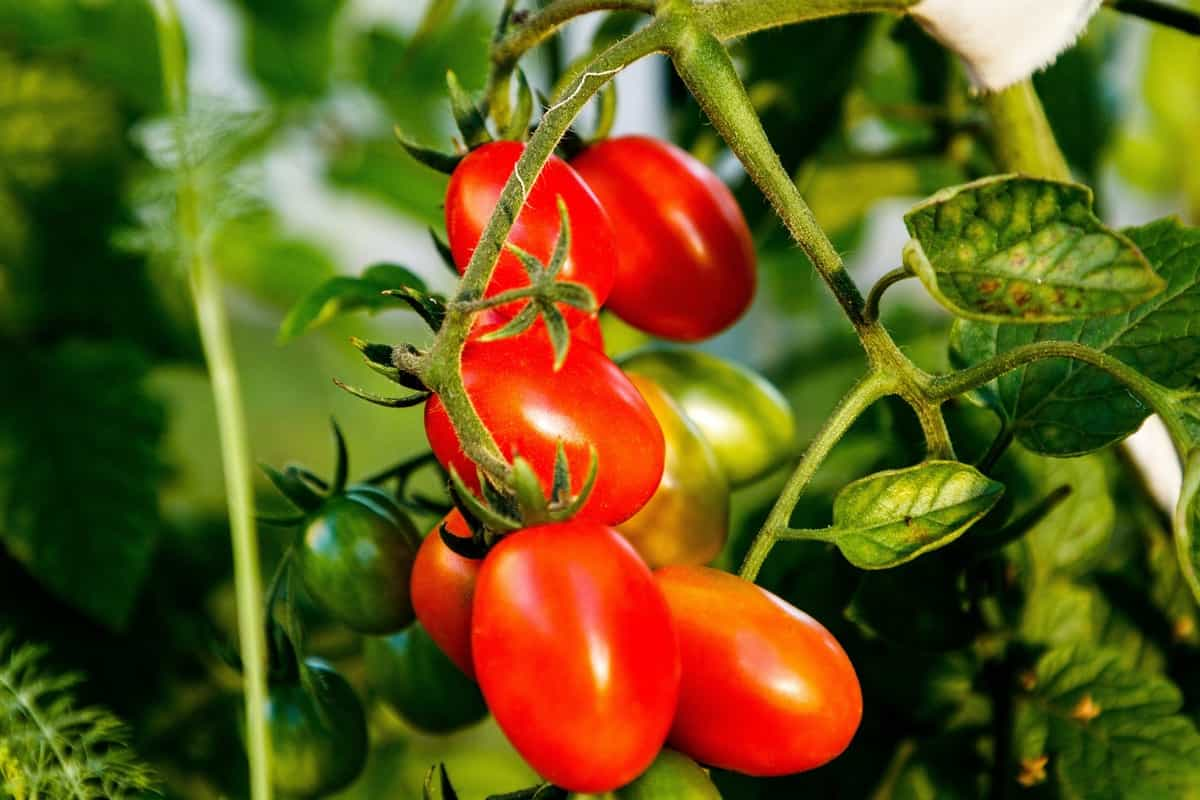
If you want to grow organic pest-resistant varieties of vegetables in containers, choose cultivars that are known to ward off little insects like whiteflies and aphids. Tomato varieties such as Sungold and Celebrity have foliage that naturally repels pests that feed on tomato sap, and basil varieties like Genovese guard against fungal problems that attract bugs.
Do some study on natural pest-resistant indoor vegetable plants to make your garden more pest-resistant. Labels reading disease-resistant or pest-tolerant should be your first alert when shopping for seeds or seedlings because these traits often increase protection against pests. Visit your neighborhood nursery to find the most effective pest-resistant veggies for indoor cultivation.
In indoor vegetable gardens, resistant cultivars combined with proper care—including ample light and well-draining soil—can help plants withstand insect problems. Plants may become more delicate and vulnerable to pests, for instance, if they get an excessive amount of water.
Choosing resistant cultivars is essential to reduce the need for treatments and ensure a bountiful harvest in cramped spaces like apartments, serving as a foundation for organic pest management in small indoor gardens.
| Vegetables | Variety | Pest Resistance | Care Tips |
|---|---|---|---|
| Tomato | Sungold | Repels sap-feeding pests | Ample light, well-draining soil |
| Tomato | Celebrity | Repels sap-feeding pests | Avoid overwatering |
| Basil | Genovese | Guards against fungal issues | Moderate watering, good air circulation |
| Pepper | California Wonder | Resists aphids | Bright light, well-draining soil |
| Lettuce | Black Seeded Simpson | Pest-tolerant | Consistent moisture, good drainage |
| Spinach | Bloomsdale | Disease-resistant | Cool temperatures, ample light |
Optimize Soil Health to Prevent Pests in Potted Indoor Vegetables
To make your indoor vegetable plants more pest-resistant, ensure their soil is nutrient-rich and drains well. Healthy soil encourages the development of strong roots that can resist stress-induced insect attacks; this helps vegetables grown in containers to naturally ward off pests.
To keep fungus gnats and other pests out of indoor vegetable pots, use an organic combination of compost, perlite, and vermiculite. Composting organic materials reduces the stress on plants, which in turn draws in tiny insects and supplies the nutrients necessary for growing vegetables indoors.
Test your soil to make sure it has an appropriate pH for growing crops; a range of 6.0 to 7.0 is generally considered ideal. Overfertilization can exacerbate insect infestations in indoor potted vegetables by weakening the plants.
Remove any debris that could hide bugs by regularly refreshing the top layer of soil. Maintaining perfect soil conditions allows you to create an atmosphere that is beneficial to plants and naturally protects them from pests. By minimizing the need for do-it-yourself bug eradication treatments, this preventative strategy guarantees that your indoor garden remains healthy and productive.
| Soil Components | Purpose | Pest Prevention Benefits | Application Tips |
|---|---|---|---|
| Compost | Nutrient supply | Reduces plant stress | Mix with soil base |
| Perlite | Improves drainage | Deters fungus gnats | Add 20% to soil mix |
| Vermiculite | Retains moisture | Supports root health | Use sparingly to avoid waterlogging |
| Sand | Enhances drainage | Prevents damp conditions | Layer on soil surface |
| Peat Moss | Retains nutrients | Promotes strong roots | Mix with compost |
| Coconut Coir | Sustainable alternative | Maintains soil structure | Replace peat moss if preferred |
Implement Proper Watering Practices to Deter Indoor Vegetable Pests
Reduce the likelihood of insect infestations by watering houseplants sparingly and promote organic watering practices for controlling pests in indoor vegetables. Overwatering creates damp conditions ideal for fungus gnats on potted indoor vegetables, while underwatering stresses plants and leaves them susceptible to spider mites.
If you want to keep organic pests at bay, you should water your plants only when the soil is dry and use containers with holes for drainage. Herbs like basil, for example, require less frequent watering than leafy greens.
To keep tiny insects and other pests from colonizing indoor vegetable gardens, it is best to water them from the bottom or use drip irrigation. Indoor potted crops are vulnerable to whiteflies; thus, it’s important to monitor humidity levels.
Targeted treatments, such as a neem oil spray, can eliminate pests without the use of pesticides. To create a pest-resistant indoor garden, it is important to water plants regularly and deliberately so that they develop stronger. This procedure will reduce the need for insecticides.
| Plant Types | Watering Frequency | Pest Risk | Watering Methods |
|---|---|---|---|
| Basil | Low (when soil is dry) | Fungus gnats | Bottom watering |
| Leafy Greens | Moderate | Whiteflies | Drip irrigation |
| Tomatoes | Moderate | Spider mites | Bottom watering |
| Peppers | Low to moderate | Aphids | Drip irrigation |
| Spinach | Consistent | Fungus gnats | Bottom watering |
| Kale | Moderate | Whiteflies | Drip irrigation |
Use Companion Planting to Repel Pests in Indoor Potted Gardens
One strategy for managing pests in indoor vegetable gardens using organic companion planting is to pair plants with natural pest repellents. The combination will help keep pests at bay and protect your potted crops. For instance, when grown next to tomatoes in an indoor planter, the strong scent of marigolds keeps aphids away.
Basil, when planted with peppers in an indoor vegetable garden, deters spider mites. If you want to keep pests from eating your indoor vegetables, it’s important to know which plants work best as companions.
Avoid overcrowding, which can attract tiny insects to houseplants, to make the most of the pest-repelling characteristics of neighboring potted companion plants. Keep all plants healthy by ensuring they receive enough light and are spaced out properly; stressed plants are more likely to be attacked by pests.
In addition to reducing insect domination, companion planting boosts biodiversity. In the event that you see the emergence of small insects, you can augment this method of bug elimination with a homemade treatment, like garlic spray. By creating a natural barrier, companion plants help organic indoor gardeners lessen their reliance on pesticides and increase the likelihood of a healthy, pest-free harvest.
| Main Crops | Companion Plants | Pest Repelled | Placement Tips |
|---|---|---|---|
| Tomato | Marigold | Aphids | Plant in same pot |
| Pepper | Basil | Spider mites | Space 6 inches apart |
| Kale | Mint | Whiteflies | Place near pot edge |
| Cucumber | Nasturtium | Aphids . Concurrent changes: | |
| Lettuce | Chives | Fungus gnats | Plant in adjacent pot |
| Beans | Rosemary | Spider mites | Ensure good light |
Apply Neem Oil as a Natural Treatment for Indoor Vegetable Pests
When pest management for indoor vegetables is a concern, try applying organic neem oil, a plant-based solution that may kill a wide range of tiny insects. An effective insecticide, neem oil disrupts the life cycle of pests such as aphids that feed on indoor vegetable plants and whiteflies that inhabit container gardens.
To protect plants against leaf burn, gently spritz them with a mixture of one teaspoon of neem oil, one quart of water, and a sprinkle of dish soap. Applying neem oil once weekly for organic pest prevention can help prevent further infestations.
Begin with a small leaf because some plants, like delicate herbs, could be delicate. Ensuring enough ventilation is key to avoiding the buildup of residue in restricted spaces.
For the most effective elimination of tenacious bugs, try combining neem oil with other natural remedies, such as soapy water. When you treat your indoor vegetables with natural neem oil, you may safely deal with pests, protect your potted plants, and maintain an organic, chemical-free garden.
| Pests | Neem Oil Mixtures | Application Frequency | Precautions |
|---|---|---|---|
| Aphids | 1 tsp neem oil, 1 qt water, soap | Weekly | Test on small leaf |
| Whiteflies | 1 tsp neem oil, 1 qt water, soap | Weekly | Ensure ventilation |
| Spider Mites | 1 tsp neem oil, 1 qt water, soap | Bi-weekly | Avoid leaf burn |
| Fungus Gnats | 1 tsp neem oil, 1 qt water, soap | Weekly | Apply to soil surface |
| Mealybugs | 1 tsp neem oil, 1 qt water, soap | Weekly | Monitor plant sensitivity |
| Thrips | 1 tsp neem oil, 1 qt water, soap | Bi-weekly | Combine with soapy water |
Create Homemade Soap Sprays to Remove Pests from Potted Vegetables
For the purpose of controlling pests in indoor vegetable gardens, you can make an easy and non-toxic pesticide spray out of organic soap. One tablespoon of mild liquid soap, like castile, and one quart of water can be mixed to create a spray that can penetrate the outer layer of soft-bodied pests, like spider mites on houseplants and aphids on houseplant vegetables.
Only sprinkle the affected areas to ensure complete coverage; avoid soaking them to prevent soil saturation. Use an organic insecticide spray composed of household ingredients at night to protect leaves from sunburn.
To prevent soap buildup, which can harm delicate foliage, rinse plants quickly after a few hours. If you spot any signs of little insects, this approach is ideal because it offers a quick and easy way to get rid of them without using any harmful chemicals.
If you have recurrent pests on your indoor vegetables, try using a natural insecticide like neem oil instead of a synthetic one. Using soap sprays and other do-it-yourself pest control treatments can keep your indoor garden pest-free and organic.
| Pests | Soap Spray Mixture | Application Time | Follow-Up |
|---|---|---|---|
| Aphids | 1 tbsp castile soap, 1 qt water | Evening | Rinse after 2 hours |
| Spider Mites | 1 tbsp castile soap, 1 qt water | Evening | Rinse after 2 hours |
| Whiteflies | 1 tbsp castile soap, 1 qt water | Evening | Rinse after 2 hours |
| Mealybugs | 1 tbsp castile soap, 1 qt water | Evening | Monitor for buildup |
| Thrips | 1 tbsp castile soap, 1 qt water | Evening | Rinse after 2 hours |
| Scale Insects | 1 tbsp castile soap, 1 qt water | Evening | Combine with neem oil |
Introduce Beneficial Insects to Control Pests in Indoor Vegetable Gardens
If you’re looking for an organic way to control pests in your indoor vegetable garden, try using predatory mites or ladybugs, which are natural predators of small insects. Ladybugs prey on aphids in indoor vegetable gardens, while predatory mites hunt spider mites in potted veggies.
By researching the most helpful insects for preventing interior pests, one can select species that are acceptable for limited spaces. Obtain them from reputable suppliers, and, with enough food and humidity, set them up in small groups near diseased plants.
To avoid harming beneficial insects, wait at least a few hours after release before using neem oil or any other spray. For organic gardening, it’s crucial to monitor natural predator insects to prevent plant stress or overpopulation.
If introducing insects is not an option, you can enhance this procedure by using home remedies to eradicate bugs. For example, when predators are busy, a sticky trap can capture any stray pests. Use beneficial insects for pest management on indoor vegetables as an organic, self-sustaining method to keep pests out of your potted garden.
| Beneficial Insects | Targeted Pests | Release Methods | Care Tips |
|---|---|---|---|
| Ladybugs | Aphids | Small groups near plants | Ensure humidity |
| Predatory Mites | Spider Mites | Near infested areas | Avoid sprays for 6 hours |
| Lacewings | Whiteflies | Release at dusk | Provide food source |
| Parasitic Wasps | Aphids | Near infested plants | Monitor population |
| Hoverflies | Thrips | Small groups | Ensure humidity |
| Rove Beetles | Fung | Fungus Gnats | Soil surface release |
Set Up Sticky Traps to Capture Pests in Potted Indoor Vegetables
These simple devices work with organic sticky traps to combat pests like fungus gnats, whiteflies, and other small insects that feed on indoor plants. Use yellow sticky traps at the soil’s surface or suspend them above plants to attract and catch pests without using insecticides.
Research the best sticky traps for organic indoor gardening to ensure they are safe for indoor use. Once a week, check the traps and replace them when they become covered to keep them effective.
Using sticky traps as a passive treatment allows you to monitor insect populations and eliminate them before they spread. Use in conjunction with diatomaceous earth, a natural bug trap for indoor vegetables, for an all-encompassing treatment.
Relocate any beneficial insects caught in traps to lessen their impact. This method is an excellent supplement to do-it-yourself insect removal treatments since it provides a low-maintenance way to get rid of bugs without harming your organic plant. Using sticky traps to keep pests out of your indoor vegetable garden ensures a better and cleaner growing environment.
| Pests | Trap Placements | Check Frequency | Complementary Methods |
|---|---|---|---|
| Fungus Gnats | Soil surface | Weekly | Diatomaceous earth |
| Whiteflies | Above plants | Weekly | Neem oil spray |
| Aphids | Near leaves | Weekly | Soap spray |
| Thrips | Soil surface | Weekly | Sticky traps |
| Fruit Flies | Above plants | Weekly | Hydrogen peroxide |
| Gnats | Soil surface | Weekly | Gravel cover |
Use Diatomaceous Earth to Kill Pests in Indoor Potted Gardens
For pest control of indoor vegetables, use this all-natural powder in conjunction with organic diatomaceous earth to dehydrate tiny insects. Lightly sprinkle food-grade diatomaceous earth on top of the soil or around the base of plants to repel fungus gnats and aphids in indoor vegetable gardens and potted indoor vegetables.
Its abrasive particles break down the exoskeletons of pests, making it an effective bug killer. Applying a thin layer of diatomaceous earth for organic pest prevention will keep soil pores from being blocked.
When exposed to water, the powder loses some of its efficacy, so it’s important to reapply after washing. To avoid inhalation, particularly in enclosed spaces, wear a mask while applying the powder.
To get the best results, use with neem powder or another natural pest control product for indoor vegetables. This method offers a risk-free alternative to conventional pesticides for dealing with persistent infestations in your indoor garden. When it comes to protecting your houseplants from pests, diatomaceous earth is an eco-friendly and natural option.
| Pests | Application Areas | Reapplication | Safety Tips |
|---|---|---|---|
| Fungus Gnats | Soil surface | After watering | Wear mask |
| Aphids | Around plant base | After watering | Avoid inhalation |
| Spider Mites | Soil surface | Weekly | Use food-grade |
| Whiteflies | Around plant base | After watering | Combine with neem |
| Mealybugs | Soil surface | Weekly | Ensure thin layer |
| Thrips | Around plant base | After watering | Monitor efficacy |
Control Aphids with Organic Methods in Indoor Potted Vegetables
Targeted therapies and organic aphid management for houseplant vegetables are the best ways to rid your plants of these tiny, sap-sucking pests. Phishing aphids, which can be either green or black in color, swarm peppers and tomatoes by feeding on their leaves and stems.
You can naturally prevent aphids from eating your potted veggies by closely monitoring your plants, removing any infested areas, and discarding them. A DIY soap spray, manufactured by mixing one tablespoon of castile soap with one quart of water, can kill bugs by breaking their shells.
To control aphids and stop infestations from happening again and again in indoor vegetable gardens, use neem oil. As beneficial insects, ladybugs can be a natural predatory choice for controlling aphids in indoor pots.
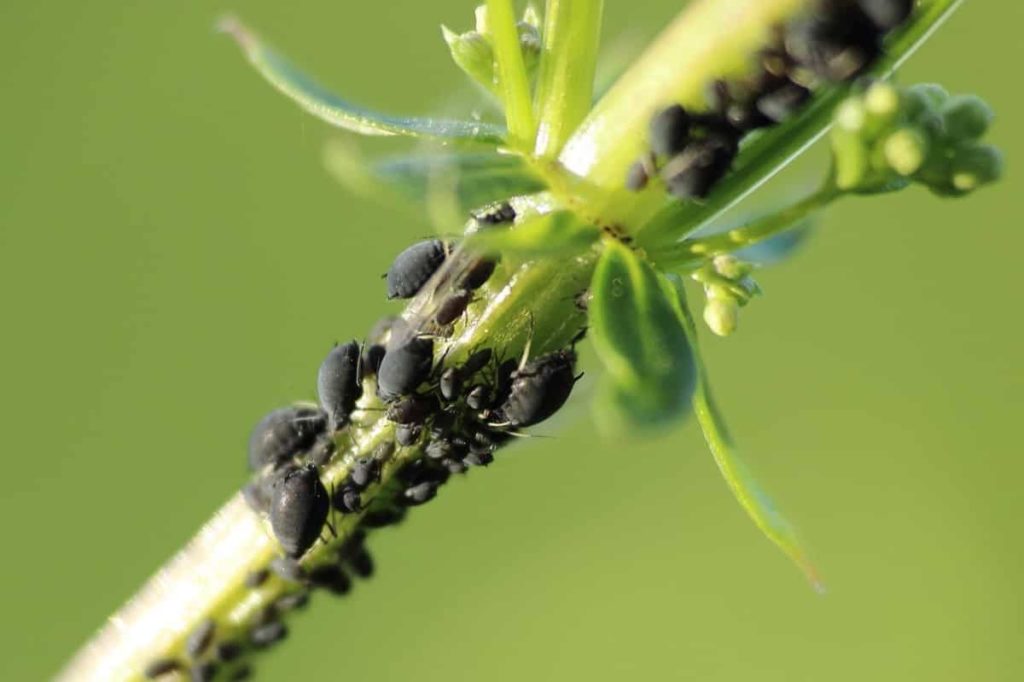
Aphids thrive in damp environments, so make sure there’s plenty of air circulation. By using companion planting in conjunction with organic aphid treatment for houseplants, you may protect your garden from pests and your potted vegetables from harm without resorting to chemical treatments.
| Methods | Targeted Pests | Applications | Complementary Actions |
|---|---|---|---|
| Soap Spray | Aphids | Spray affected areas | Rinse after 2 hours |
| Neem Oil | Aphids | Weekly spray | Test on small leaf |
| Ladybugs | Aphids | Release near plants | Ensure humidity |
| Pruning | Aphids | Cut infested areas | Dispose in trash |
| Companion Planting | Aphids | Plant marigolds | Avoid overcrowding |
| Air Circulation | Aphids | Use fan or open window | Monitor humidity |
Eliminate Spider Mites Naturally in Indoor Potted Vegetable Gardens
Organic spider mite control for indoor vegetable gardens involves eliminating these tiny insects, which form stippled leaves and webs on plants such as beans and cucumbers. A natural method to protect potted veggies from spider mites is to use a pebble tray or spray to boost humidity around plants. Spider mites love dry conditions.
You can spray a homemade solution of water and a few drops of dish soap into affected areas to remove bugs. In extreme cases of spider mite infestation, neem oil can be used to control the pests by stopping their reproduction, which is especially helpful for indoor vegetable crops.
Introduce predatory mites to indoor pots as a useful insect control measure against spider mites. Cleaning the leaves frequently with a damp cloth will eliminate dust and early mite infestations.
Using an organic spider mite treatment on indoor vegetable plants is a wonderful way to keep your indoor area safe and sustainable, shield your potted garden from harm, and ensure healthy growth, all without resorting to chemicals.
| Methods | Targeted Pests | Applications | Complementary Actions |
|---|---|---|---|
| Humidity Boost | Spider Mites | Pebble tray or misting | Monitor plant stress |
| Soap Spray | Spider Mites | Spray affected areas | Rinse after 2 hours |
| Neem Oil | Spider Mites | Bi-weekly spray | Test on small leaf |
| Predatory Mites | Spider Mites | Release near plants | Avoid sprays for 6 hours |
| Leaf Cleaning | Spider Mites | Wipe with damp cloth | Check weekly |
| Companion Planting | Spider Mites | Plant basil | Ensure proper spacing |
Prevent Fungus Gnats in Potted Indoor Vegetables Organically
Focus on organic fungus gnat control for houseplant vegetables and eliminate these little pests that like to hang around near soil surfaces, especially in overwatered containers. Fungus gnats feed on damp soil, so a natural way to protect your potted veggies from these pests is to allow the top inch of soil to dry in between waterings.
Covering soil with sand or gravel reduces infestations because it interrupts the life cycle of the pests. When it comes to managing fungus gnats in indoor crops, sticky traps placed near the soil are just as effective as those used in the greenhouse.
As a home remedy, you can water the soil with a weak solution of hydrogen peroxide (one part water to four parts peroxide) to destroy the larvae. Indoor pots can be treated with diatomaceous earth to dehydrate fungus gnats and keep them under control.
By treating your indoor vegetable plants with an organic fungus gnat treatment, you can keep these pests at bay without harming your plants or the environment.
| Methods | Target Pests | Applications | Complementary Actions |
|---|---|---|---|
| Dry Soil | Fungus Gnats | Allow top inch to dry | Monitor watering |
| Soil Cover | Fungus Gnats | Sand or gravel layer | Check for larvae |
| Sticky Traps | Fungus Gnats | Place near soil | Replace weekly |
| Hydrogen Peroxide | Fungus Gnats | 1:4 water solution | Apply to soil |
| Diatomaceous Earth | Fungus Gnats | Sprinkle on soil | Reapply after watering |
| Proper Watering | Fungus Gnats | Bottom watering | Avoid overwatering |
Manage Whiteflies Organically in Indoor Potted Vegetable Gardens
When it comes to organic whitefly control for indoor vegetable gardens, you want to go after these little, white-winged pests that congregate on the undersides of leaves and cause damage to plants like kale and tomatoes. A simple way to naturally protect potted veggies from whiteflies is to check them often and remove any diseased leaves.
Frequent use of homemade bug sprays, made with a combination of water and mild liquid soap, yields remarkable results. When used inside, neem oil can break the life cycle of whiteflies, which is a persistent problem for vegetable crops.
Place yellow sticky traps near plants in indoor containers to capture adult whiteflies. To keep whiteflies at bay, ensure there is sufficient air circulation; they thrive in moist, stagnant areas.
You can plant marigolds alongside other plants as an extra precaution against these pests. Organic whitefly treatment for indoor vegetable plants is one example of a safe, eco-friendly approach to pest control that can help your potted garden thrive.
| Methods | Target Pests | Applications | Complementary Actions |
|---|---|---|---|
| Leaf Removal | Whiteflies | Remove infested leaves | Dispose in trash |
| Soap Spray | Whiteflies | Spray undersides | Rinse after 2 hours |
| Neem Oil | Whiteflies | Weekly spray | Test on small leaf |
| Sticky Traps | Whiteflies | Place near plants | Replace weekly |
| Air Circulation | Whiteflies | Use fan or open window | Monitor humidity |
| Companion Planting | Whiteflies | Plant marigolds | Ensure proper spacing |
Monitor Plant Health Regularly to Prevent Indoor Vegetable Pests
When it comes to organic plant health monitoring for pest management of indoor vegetables, it’s important to check your potted plants once a week to spot little pests early. Checking for indicators like yellowing leaves, webbing, or sticky residue on a regular basis can help you spot pests like aphids on indoor vegetable gardens and spider mites on potted crops.
You can identify even the smallest infestations under a microscope. As soon as you notice damaged areas, cut them off and dispose of them properly.
Making sure plants get enough water, nutrients, and light is an important part of natural pest management through plant monitoring since stressed crops attract pests. Keep track of plant health changes to identify trends; such information will aid in early pest identification while growing vegetables indoors.
If bugs do appear, a simple home remedy using ingredients like neem oil or washing spray should be effective. By including regular plant health checks in your organic pest management strategy, you can proactively protect your indoor garden. This approach will promote strong, healthy plants and reduce the necessity for harsh insecticides.
Clean and Sanitize Pots to Prevent Pest Infestations Indoors
To accomplish organic pot sanitation for indoor vegetable pest management, you need to clean and disinfect your pots on a regular basis. This procedure will get rid of small insects and their eggs. Scrubbing with a mixture of water and gentle dish soap before reusing pots is an effective way to get rid of any remaining pests, such as fungus gnats, that may be dwelling in indoor vegetable containers.
Wash it off with some watered-down vinegar. One natural way to prevent pests and their eggs or larvae from spreading to new plants is to clean the pots regularly.
Prior to adding new, organic soil to indoor potted veggies, make sure the pots are totally dry. This precaution will keep whiteflies at bay. For organic indoor gardening in sterilized pots, it’s important to clean all tools and surfaces regularly to maintain a sanitary growth environment.
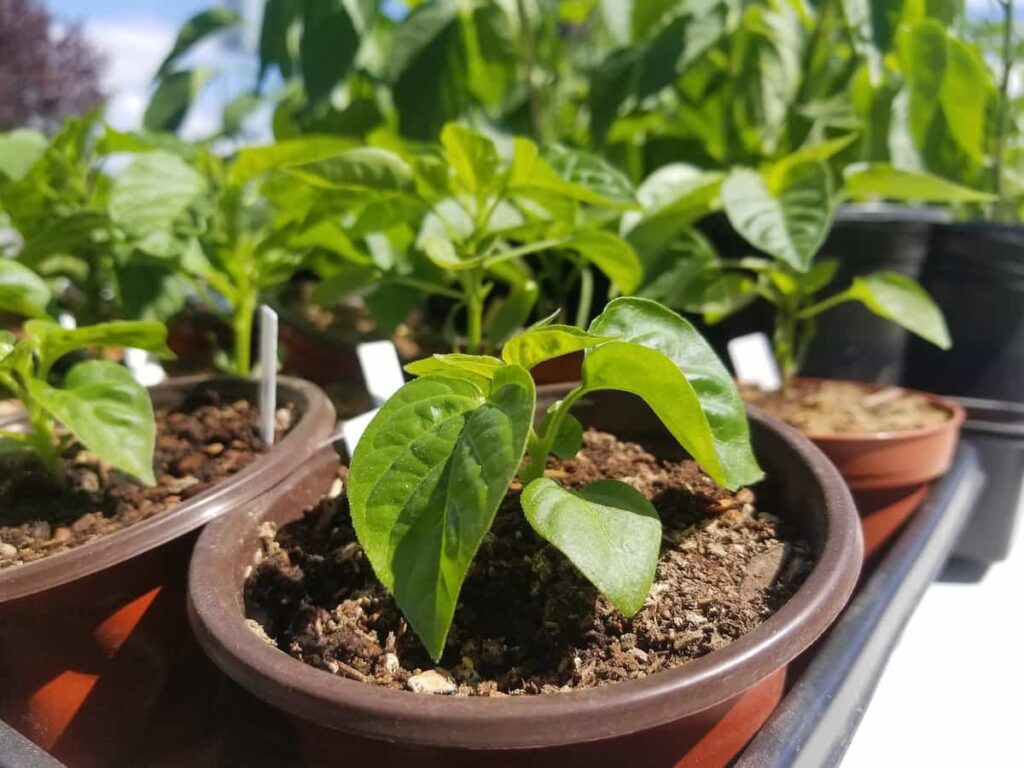
In case pest problems persist after pot cleaning, try using diatomaceous earth as an additional remedy. To keep your indoor vegetables pest-free and healthy, you should use clean pots. This practice will reduce the frequency of infestations and the need for natural pesticides.
Comprehensive Pest Control for Popular Indoor Potted Vegetables
This table shows natural ways to keep pests away from many different types of indoor potted veggies.
| Vegetables | Common Pests | Organic Control Methods | Application Tips |
|---|---|---|---|
| Lettuce | Aphids, Fungus Gnats | Soap spray, Sticky traps | Spray soap in the evening, place traps at soil level |
| Spinach | Fungus Gnats, Aphids | Hydrogen peroxide solution, Sticky traps | Plant mint nearby; test neem on small leaf first |
| Cherry Tomato | Whiteflies, Aphids | Neem oil spray, Companion planting (Nasturtium) | Apply neem weekly, plant nasturtium in the same pot |
| Radish | Fungus Gnats, Whiteflies | Diatomaceous earth, Yellow sticky traps | Sprinkle diatomaceous earth on soil, hang traps above plants |
| Kale | Whiteflies, Aphids | Companion planting (Mint), Neem oil | Water with 1:4 peroxide mix and place traps at soil level |
| Swiss Chard | Spider Mites, Aphids | Soap spray, Ladybugs | Spray soap in the evening, release ladybugs near plants |
| Arugula | Aphids, Fungus Gnats | Sticky traps, Hydrogen peroxide solution | Place traps at soil level, water with 1:4 peroxide mix |
| Mustard Greens | Whiteflies, Spider Mites | Neem oil, Yellow sticky traps | Apply neem bi-weekly, hang traps above plants |
| Microgreens | Fungus Gnats, Thrips | Diatomaceous earth, Sticky traps | Sprinkle diatomaceous earth lightly, place traps at soil level |
| Beets | Aphids, Spider Mites | Soap spray, Companion planting (Chives) | Spray soap in the evening, plant chives in adjacent pot |
| Methi (Fenugreek) | Aphids, Fungus Gnats | Soap spray, Sticky traps | Spray soap in the evening, place traps at soil level |
| Okra | Fungus Gnats, Aphids | Hydrogen peroxide solution, Sticky traps | Water with 1:4 peroxide mix, place traps at soil level |
| Brinjal (Eggplant) | Whiteflies, Spider Mites | Neem oil spray, Companion planting (Marigolds) | Apply neem weekly, plant marigolds in the same pot |
| Green Chilli (Pepper) | Spider Mites, Thrips | Diatomaceous earth, Soap spray | Sprinkle diatomaceous earth on soil, rinse soap after 2 hours |
Conclusion
Using organic pest control methods on indoor veggies grown in pots is not only a good way to keep your plants safe, but it is also sustainable and good for the environment. You can get rid of pests without using dangerous chemicals by using neem oil, diatomaceous earth, beneficial insects, and garlic sprays and taking care of your plants properly. While keeping your home safe, these steps will make sure that your indoor veggie garden stays healthy.