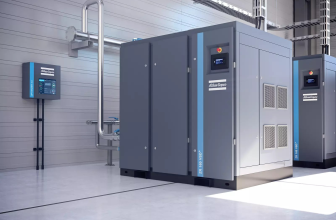
Preventive maintenance on air compressors rarely feels urgent, so it becomes easy to delay. Not only could this be a costly mistake, but it also leaves companies missing out on information that can help them be more efficient — and profitable.
Usually, the system just keeps running. Air compressors are designed to compensate. They adjust to operating conditions, working harder and masking small problems. From the outside, everything seems fine. But internally, air pressure is dropping, more energy is being used, and oil or water could be creeping into the air.
Facilities that stay disciplined with maintenance tend to have fewer surprises later. They prevent system shutdowns or ruined product batches. They avoid emergency repairs.
Michigan Air Solutions works with manufacturers across Michigan — including facilities in Detroit, Grand Rapids, Lansing, Flint and Ann Arbor — that depend on compressed air every day. In their facilities, preventive maintenance isn’t pushed to the background. Costs are kept lower, systems are kept running, and those companies spend less time in reaction mode.
What Does Air Compressor Preventive Maintenance Address?
Preventive maintenance isn’t about fixing failures. It’s about controlling the slow changes that affect how a system behaves. These steps are small actions individually, but together, they have a measurable impact on how long a system remains reliable.
Filter Replacement and Airflow
Filters are a good example. As they load, airflow becomes more restricted. Pressure drops increase. To maintain output, the compressor runs longer or at higher pressure. Energy use goes up, and the system’s components are more stressed. Replacing filters on schedule keeps airflow where it should be and reduces unnecessary strain.
Dryer Service and Moisture Control
Dryers play a similar role. When dryer performance slips, moisture moves farther downstream. That may not cause immediate problems, but over time, it affects air quality, increases corrosion risk and puts downstream equipment at risk. It can also ruin products that can’t handle water, like those with paper, filters and chemicals. Routine dryer service keeps moisture under control, particularly as operating conditions change.
Oil Management
Oil management is another area where maintenance pays off quietly. Oil that has exceeded its useful life still lubricates, but not as effectively. Staying ahead of oil changes helps stabilize the system’s temperatures and protect internal components from wearing or rusting.
Michigan Air Solutions helps companies manage all the maintenance steps that keep compressed air systems healthy over time — from planning service intervals and sourcing the right filters, oil and dryer components to scheduling service around production and performing the work on site. Facilities can rely on Michigan Air Solutions to stay ahead of routine maintenance, handle the parts and service, and keep systems operating at their best.
How Does Preventive Maintenance Reveal Better Information?
One of the biggest advantages of consistent preventive maintenance is the information it gives businesses. When service is performed regularly, patterns start to emerge that are easy to miss otherwise.
- Filters that load faster than expected can point to changes in the environment or production process.
- Moisture showing up more frequently may indicate that a dryer is no longer sized correctly for current operating conditions.
- Oil that breaks down sooner than anticipated can signal higher operating temperatures or longer run times than the system was originally designed for.
These kinds of details provide a clearer picture of how the system is actually being used, not just how it was designed to operate. That insight helps companies understand where efficiency is being lost, where components are under stress and which issues deserve attention before they turn into larger problems.
Michigan Air Solutions uses this information to help facilities make practical decisions. Not everything needs to be addressed immediately, but knowing what’s changing allows companies to plan service, upgrades or adjustments on their own timeline instead of reacting to emergencies. This helps regulate operations and cash flow.
How Do You Turn Maintenance Insight into Action?
Information only helps if it leads to action. One of the challenges many facilities face is knowing what needs attention but not having the time or resources to address it quickly.
This is where having a long-term relationship with a responsive service team changes the equation. When Michigan Air Solutions is already familiar with a company’s compressed air system, service doesn’t start from scratch. Technicians know the layout, the operating conditions and the history. Parts are identified ahead of time. Maintenance can be scheduled around production instead of interrupting it.
That speed matters. Issues are addressed before they escalate. Decisions don’t get stuck waiting for quotes or availability. Internal teams aren’t pulled away from other priorities to manage compressor service. Over time, this makes compressed air systems easier to manage and less disruptive to daily operations.
It also creates consistency. Instead of maintenance being handled differently every time, facilities benefit from a repeatable approach. Service intervals are planned. Parts are standardized. System performance is tracked over time. That consistency makes it easier to budget, easier to schedule and easier to avoid surprises.
Ready to simplify your preventive maintenance? If you’re looking to keep your compressed air system running reliably and reduce unexpected downtime, contact Michigan Air Solutions to get started.