
In a Reuters item datelined Farnborough, England (July 21, 2026), Airbus said it was “pushing for more engines from Pratt & Whitney for 2027” after what it described as a tug of war with airlines over supplies, and added that it hoped to receive more engines from CFM as well while noting CFM was already meeting agreed quantities.
Why is this crucial?
Airbus Commercial Aircraft CEO Lars Wagner told reporters he expects the “protracted” engine-supply problems to be resolved by 2028, according to Reuters.
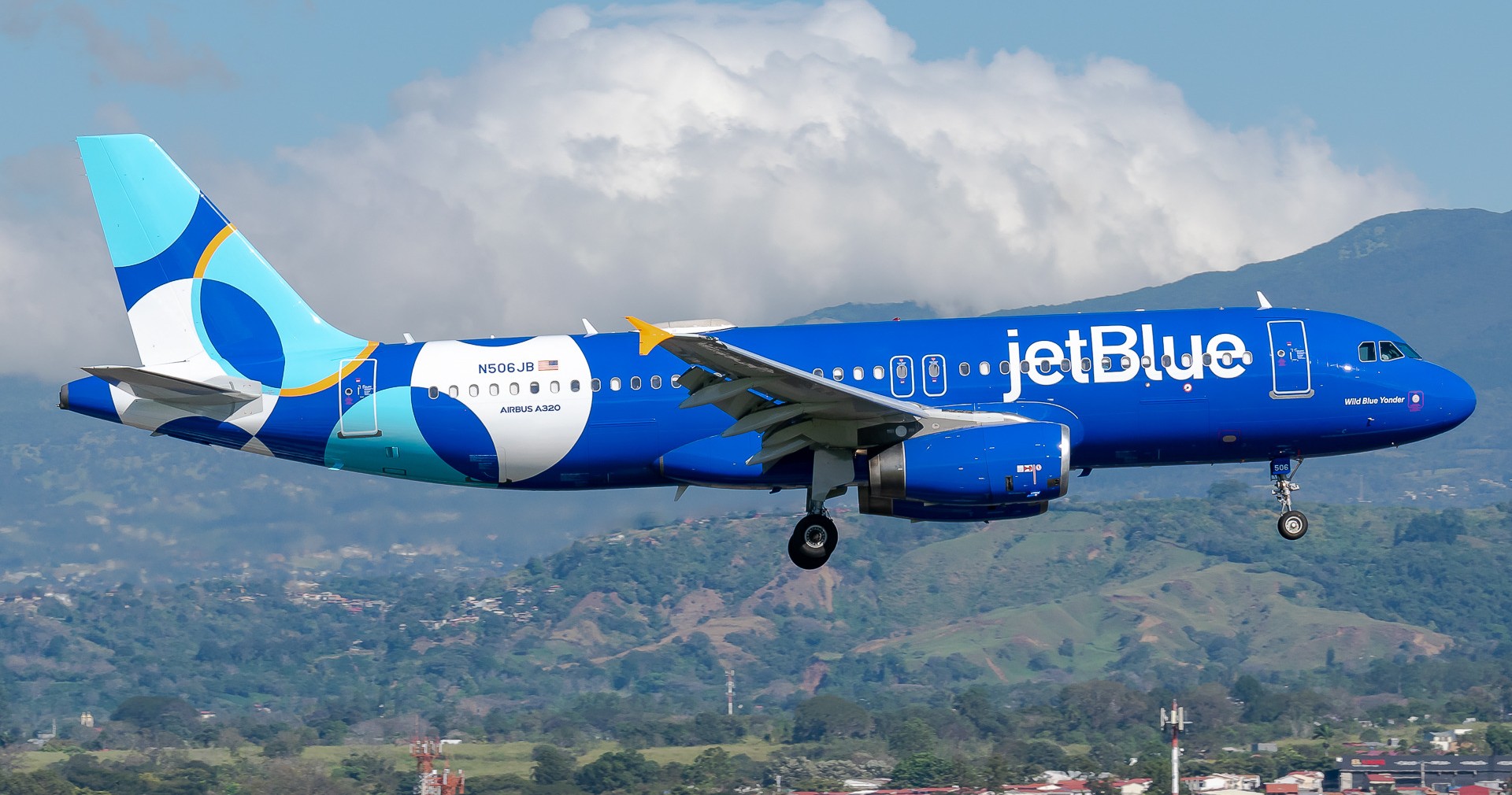
Airbus’ A320neo family jets are sold with an engine choice of either the CFM LEAP or the Pratt & Whitney GTF (geared turbofan). When either supplier falls short, Airbus can’t simply ship completed aircraft without engines, so the shortage shows up immediately as delayed deliveries, slower ramp-up, and (often) a growing pool of “gliders” or late-stage aircraft waiting on power plants.
This isn’t a new friction point. In Airbus’ Annual Press Conference 2026 materials, CEO Guillaume Faury said Pratt & Whitney’s failure to commit to the number of engines ordered by Airbus was already negatively impacting guidance and the ramp-up trajectory, and he explicitly pointed to 2027 engine volumes as a key focus to get “back on track”.
That timing aligns with Airbus’ own industrial target; the company has been working toward a production capability of 75 A320-family aircraft per month in 2027, a level that requires synchronised deliveries of structures, systems and most importantly, engines.
What’s driving the “tug of war” over engines
Airbus is pressing Pratt & Whitney to deliver more jet engines in 2027, underscoring how engine availability rather than airline demand is still one of the biggest limiting factors on near-term single-aisle growth.
The Reuters wording (“tug of war with airlines”) points to a real-world allocation problem that’s easy to miss from outside the industry. Airbus needs engines to hit factory output and delivery targets. Airlines also need engines, especially spare engines, to keep their own fleets flying when shop visits spike, parts are scarce, or inspection programmes pull engines off-wing for longer than planned. If total engine supply is tight, deciding whether an engine goes to a new delivery or to support in-service reliability becomes a zero-sum trade.
Pratt & Whitney has also been navigating significant MRO disruption in recent years. In a separate Reuters report from Farnborough, Pratt & Whitney said maintenance disruption that had grounded hundreds of aircraft was easing and that the number of grounded aircraft was down 40% from a peak (and had “virtually disappeared” for the smaller A220 and Embraer E2 fleets).
Do you think the constraints undermine Airbus’s plans? Let us know in the comments!