Yes, you’re prime cannon-fodder age.” Defence expert Peter Apps does not mince his words. We’re discussing the likelihood of another world war, and who would have to fight it if the current situation escalated to a global conflictdemanding troops on the ground. The answer, according to this expert, is people like me and my friends. It hits me like a double-decker bus.
The response is logical. I’m in my early twenties, male, and fit and healthy, so of course I, and other young men like me, risk being called up if there is a large-scale conflict for which more manpower is needed. As war creeps closer, with multiple conflicts now happening on a number of different international fronts, is this how our grandparents, or their parents, felt as youngsters as global tensions mounted?
Because the response from the country as a whole, let alone young people, is looking negative. Half of Britons say there are no circumstances under which they would fight for their country, according to a new poll.
Just one in three (36 per cent) say they would take up arms and go to war for Britain, according to new data from Ipsos, while 48 per cent said they would not and the rest said they did not know.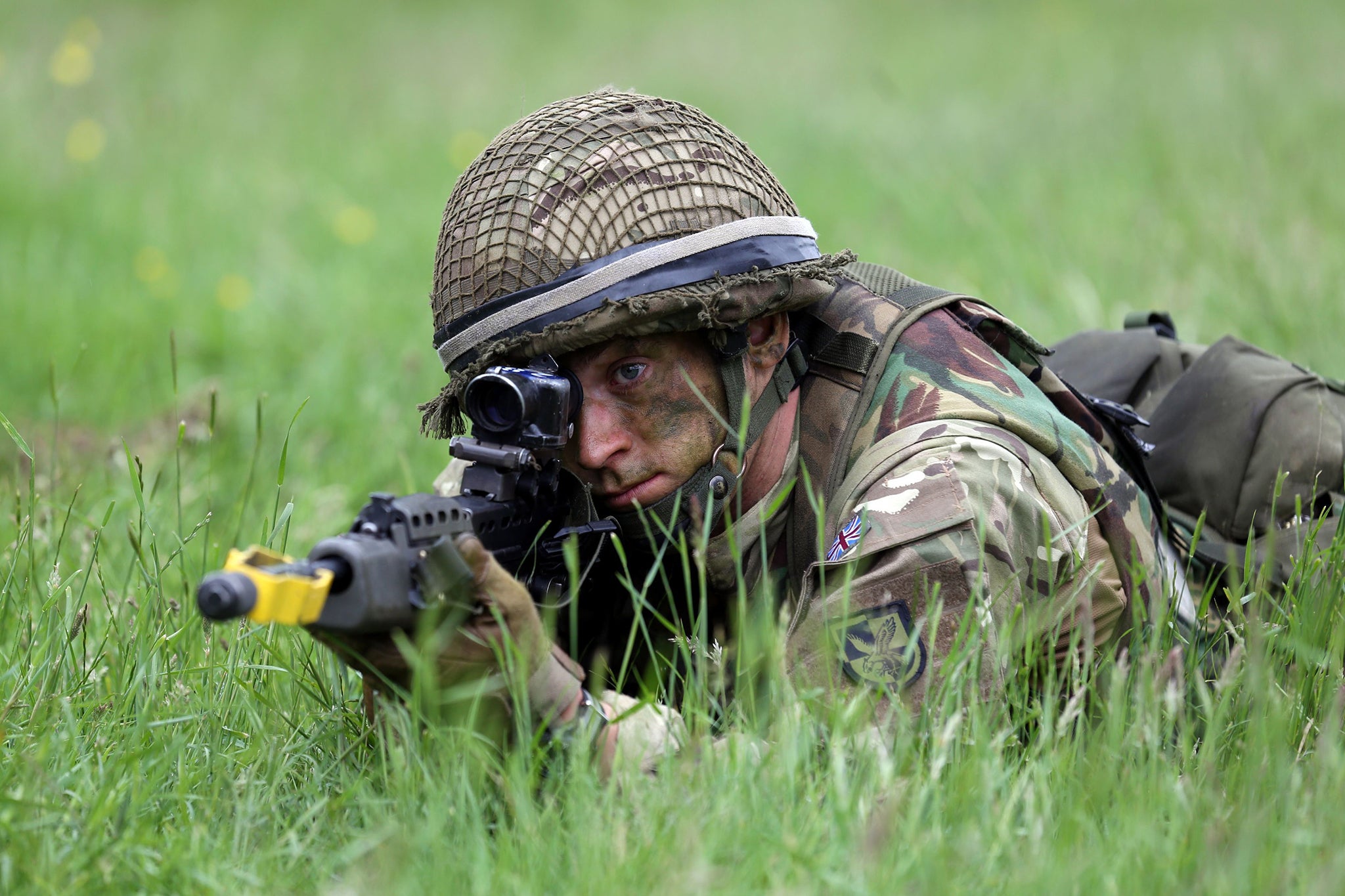
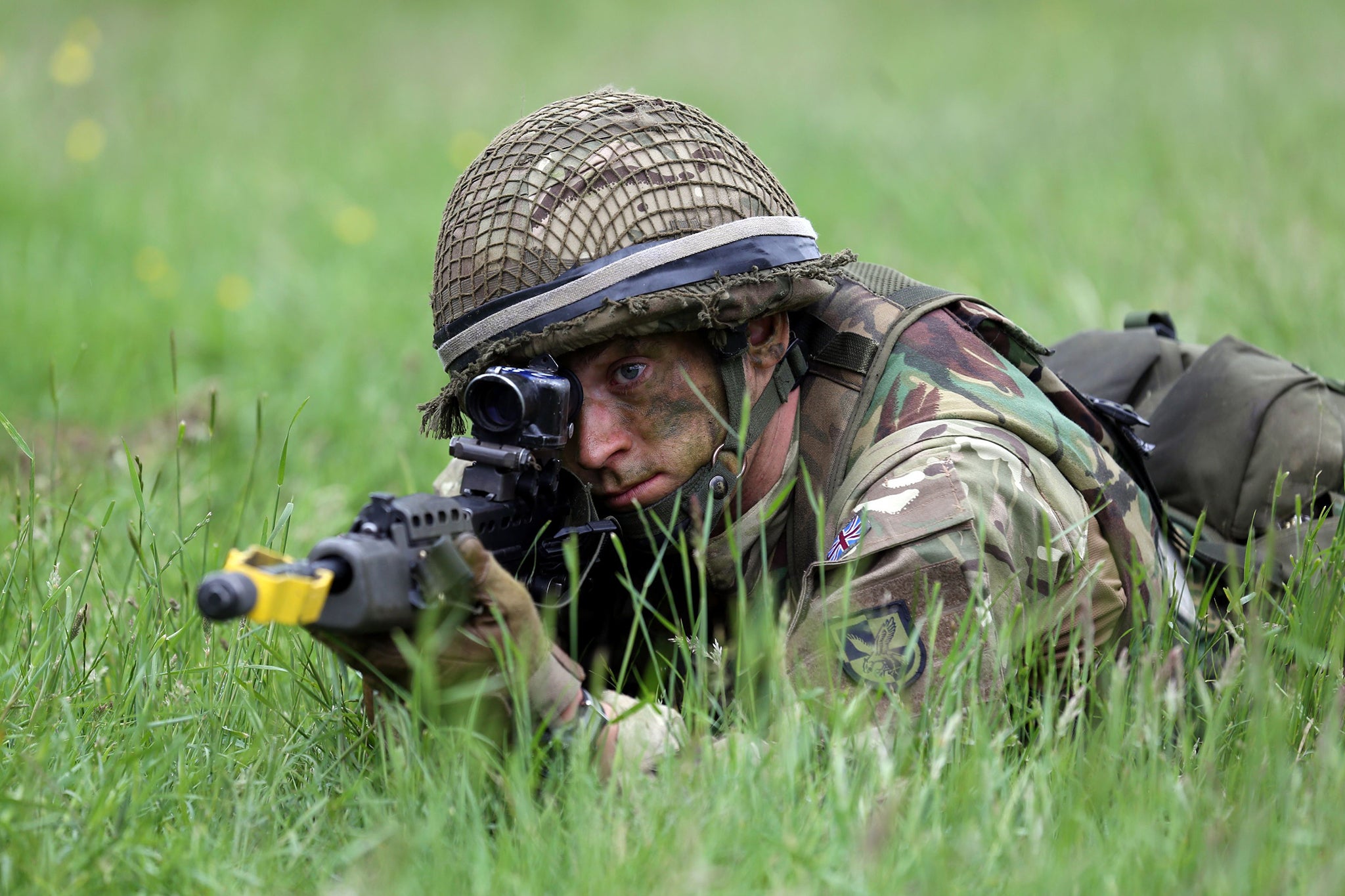
open image in galleryReservist Nick Winter, from Redhill, Surrey, and a member of 4 Para Reserves, takes part in a house clearance exercise at Fingringhoe Ranges (PA)The findings come just days after Nato’s Supreme Allied Commander US General Alexus Grynkewich said publicly the alliance was “ready to fight tonight” if attacked, as European officials warn Russia could test the alliance’s defences with increased covert attacks or a limited military incursion.
This comes at an unfortunate twist in Russia’s conflict against Ukraine that our country has vowed to play a part in. The Kremlin has warned of consequences for our country as British-built long-range drones hit deep inside their territory. Such threats are only emboldened by Donald Trump’s recent decision to lift sanctions on Russian oil.
The MI5 chief’s recent warnings about terrorist tech should not be discounted either. “We’ve caught terrorists seeking to exploit AI to improve their reconnaissance and attack methodologies,” Sir Ken McCallum said in his annual speech at the organisation’s headquarters. He called for a “whole-of-society effort” to face threats to national infrastructure. He’s not talking about war, but its clear the public must ready themselves for the ongoing conflicts beyond stocking up on food and paying more at the pump.
Apps, an army reservist and author of The Next World War: The New Age of Conflict and the Fight to Stop It, says there’s a one-in-three chance we’ll see another global conflict within a decade. Many in defence circles agree: minister for the armed forces Al Carns recently told The Times that we have “three to five years before we have to fight a significant confrontation with a major state”.
If you’re my age and not keen on fighting in a war, it’s squeaky-bum time. But outside of government and the defence industry, there’s little recognition of the danger ahead, and even less appetite to properly engage a generation who may need to be relied on to step up to the plate.
Launching the Strategic Defence Review last year, the prime minister said we need to “mobilise the nation in a common cause”, and former army chief General Sir Patrick Sanders has said a war would require a “whole-of-nation undertaking” and a “citizen army”.But the message has not been received, nor understood: the British public are not preparing for war in any meaningful way, unlike many of our European counterparts. Estonia, Latvia, Finland, Denmark, Norway and Sweden – all nations in Putin’s shadow – already have conscription in place, while Poland is preparing to offer military training for all men to help deter a Russian invasion.
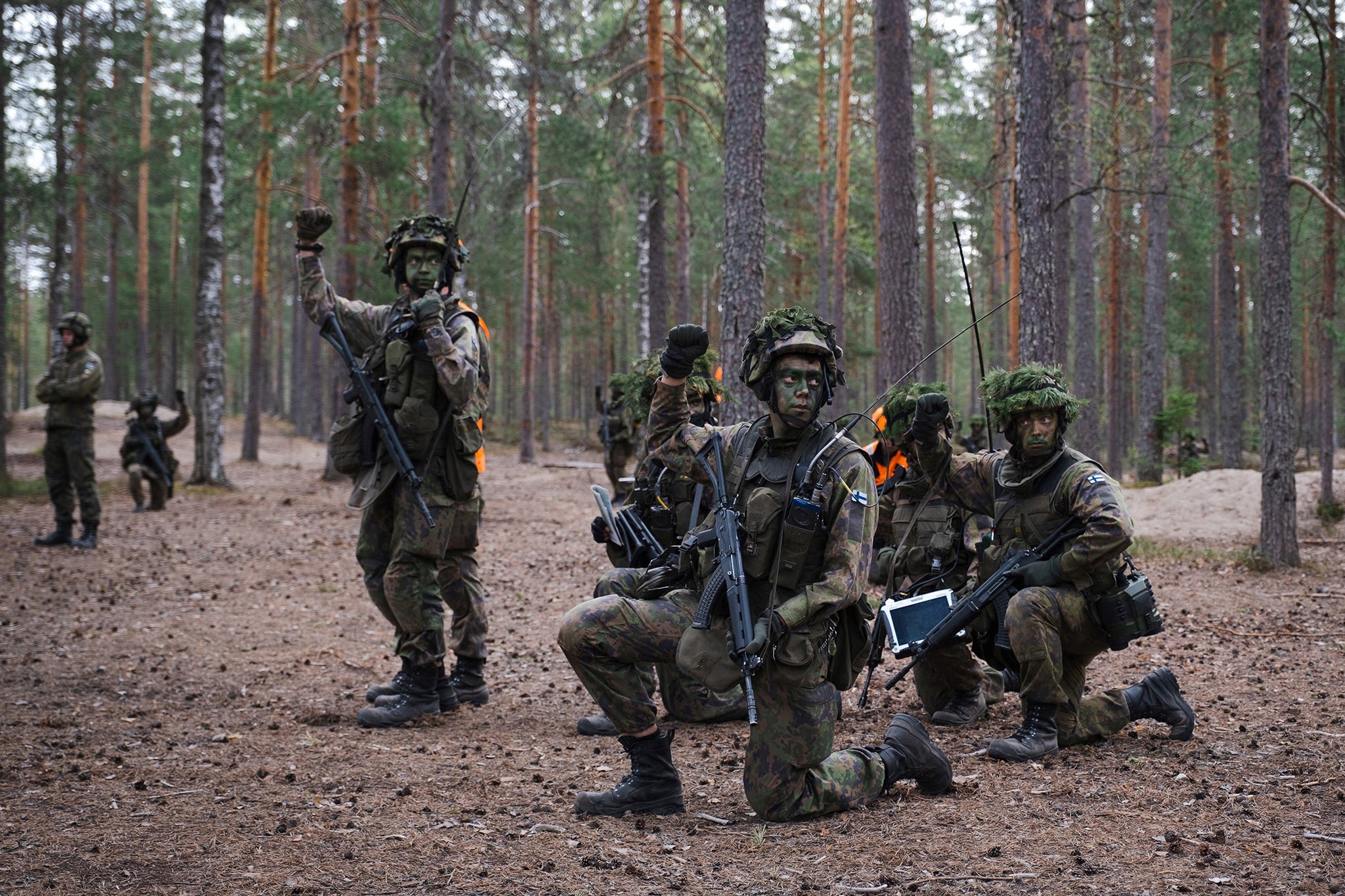
open image in galleryFinnish conscripts during a training session – military service is compulsory for all men (AFP/Getty)The schemes have quickly expanded the number of people able to go to war with no major public backlash. In Sweden, former conscripts have become highly sought after as the selection process is so good at training and talent spotting. Around 100,000 young Swedes enlist every year, but just a few thousand are selected to progress into uniform after filling in a questionnaire and undergoing rigorous mental and physical tests.
From there, they undertake between nine and 15 months of compulsory military service, whereupon they’re free to leave but ready to mobilise if they are needed quickly. In Norway, young people even compete for the most prestigious conscripted roles. Princess Ingrid Alexandra, second in line to the Norwegian throne, completed more than a year with the Combat Engineer Battalion last year after succeeding in the gruelling selection process.
France recently announced a military service scheme, and, as of this year, Germany requires men to undergo a health check and register for military service when they turn 18. Serving is currently voluntary but will become compulsory if sign-ups fall short of the number of people needed to meet the nation’s Nato commitments.
The closest Britain has come to national service this century is the National Citizen Service, a government-backed voluntary youth scheme with no military connection. It folded last year. Britain is behind the curve not only on logistics, but on the conversation, too.
That’s no surprise, says Hamish Mundell, associate fellow at the defence and security think tank Rusi. “The comparison with European national service systems is often misleading, as countries that maintain conscription today tend to face a direct land threat, often sharing a border with Russia,” he explains.
“That produces a different strategic logic for Britain, as the UK does not face an immediate land invasion threat in the same way.”
As an island in Western Europe, Mundell says we’d have more time to prepare for an invasion, so we, he thinks, can afford to have fewer people ready for combat than others. He believes our resources may be better used elsewhere: anti-submarine warfare, deep strike, air superiority, nuclear deterrence and advanced strategic technologies.
“The UK should arguably prioritise investment in these areas rather than shifting resources towards building a mass conscript army.”
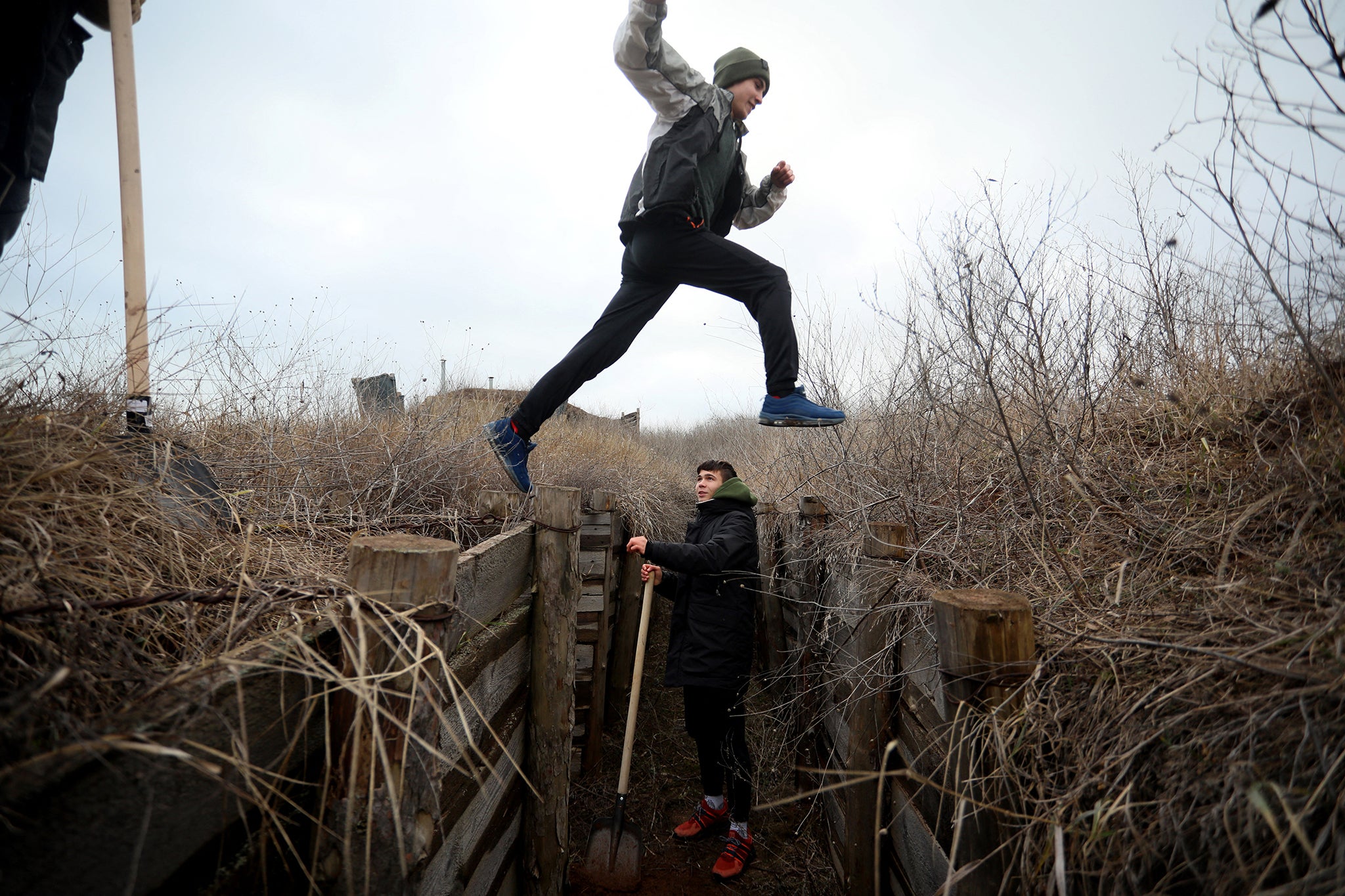
open image in galleryUkrainian teenagers dig trenches for soldiers facing Russia’s forces on the country’s eastern front(AFP/Getty)And even where large numbers of troops are needed, conscription isn’t necessarily a silver bullet. Training hordes of young people at breakneck speed is a great way of giving people basic combat skills, but Mundell says it’s only the “first step” to creating war-ready soldiers.
“Real combat capability comes from collective training. Units must train together with the equipment, vehicles, and command structures they would use in war,” he explains.
The UK need not worry about combat capability yet, but what if the worst happened and young people like me were required to be sent to war? The data is clear: we simply wouldn’t go. Polling from YouGov conducted last year revealed that just 11 per cent of 18- to 27-year-olds would fight for their country. Forty-one per cent said there were no circumstances in which they would take up arms.
The numbers are bleak, but unsurprising.
Growing up, Gen Z haven’t had it easy: a broken social contract, student loan and graduate job scandals, climate change, the rise of social media, a fall in trust in institutions and a global pandemic torpedoing our education have made it hard for my generation to love our country as much as previous generations. The overarching thought among my peers is: why would we lay our lives down for a government that has barely thought about our needs – and in some cases actively betrayed us?
To understand this rationale a bit more deeply, I conducted a very unscientific focus group by messaging as many of my peers as I could and asking them whether they’d fight in a war and why. As expected, many said they’d never thought about it seriously and didn’t want to.
“Everyone is so down and depressed that, as much as it’s important to talk about these things, no one wants to,” one friend said.
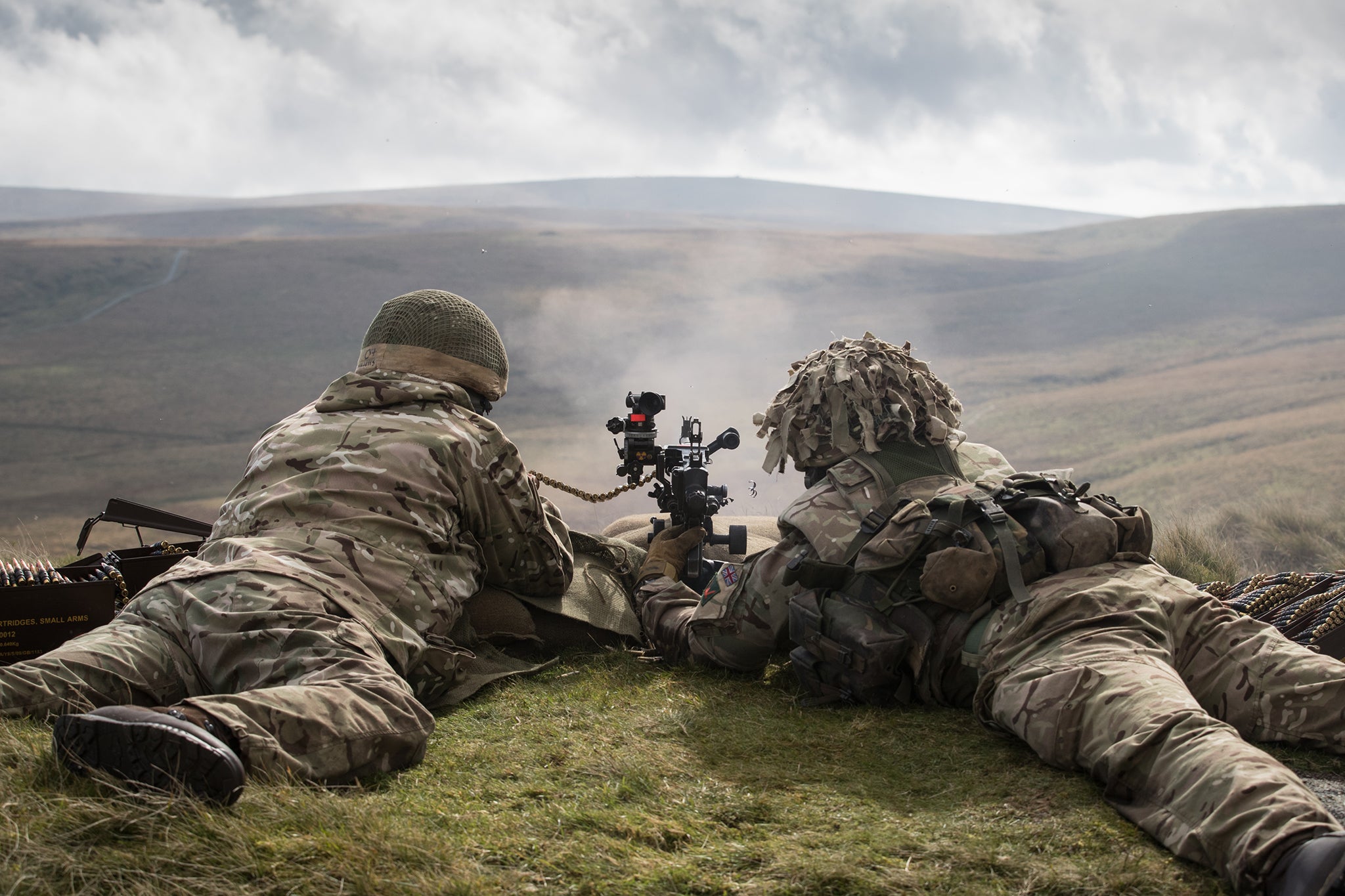
open image in galleryBritish reservists fire a machine gun on the range at Okehampton Camp, Dartmoor (Getty)Nearly everyone who responded said they were unwilling to fight. Their reasons ranged from the selfish – “I don’t want to die” – to the insecure – “I think we both know I wouldn’t be any good” – to the sarcastic – “It would be unfair on whoever I’m fighting” – and the outright angry – “Why should I be forced into a war I didn’t ask for?”
Most striking, and potentially worrying for the government, was the lack of national pride compared with many of their European counterparts. Most simply don’t believe the UK has values and opportunities worth fighting for.
“Why should people be shipped off to war to fight for a country which can’t even serve them properly?” asked one. “I’d rather fight for Kyrgyzstan right now,” joked another.
A friend who works as an engineer in the defence sector agreed. “Who am I fighting for and why do they deserve me? I feel lucky to have been born somewhere where I have freedom, rights and generally decent financial opportunities, but I don’t think the UK is a particularly special place with a culture I associate deeply with and feel proud of.”
The purpose of the war was the deciding factor for many. Most people assumed any conflict would be driven by the US, with Britain forced to follow along. “If Iran started to attack the UK, I don’t think I could join the fight against them at the moment, as they’ve just been provoked by US attacks,” said one.
Another said: “World War Two was a fight against fascism. What would the current UK government be fighting against this time? Siding with Trump, most likely. The morals behind any war in the current climate would not be ones I agree with.”
Interestingly, most said they would consider fighting in a Second World War-style good-versus-evil fight against a Russian invasion, especially if it immediately threatened their way of life. “If the UK was being attacked in an unprovoked invasion, I’d be more likely to fight as it would have a massive impact on our livelihoods,” one friend said.
“It would have to be a very specific set of circumstances similar to World War Two.”
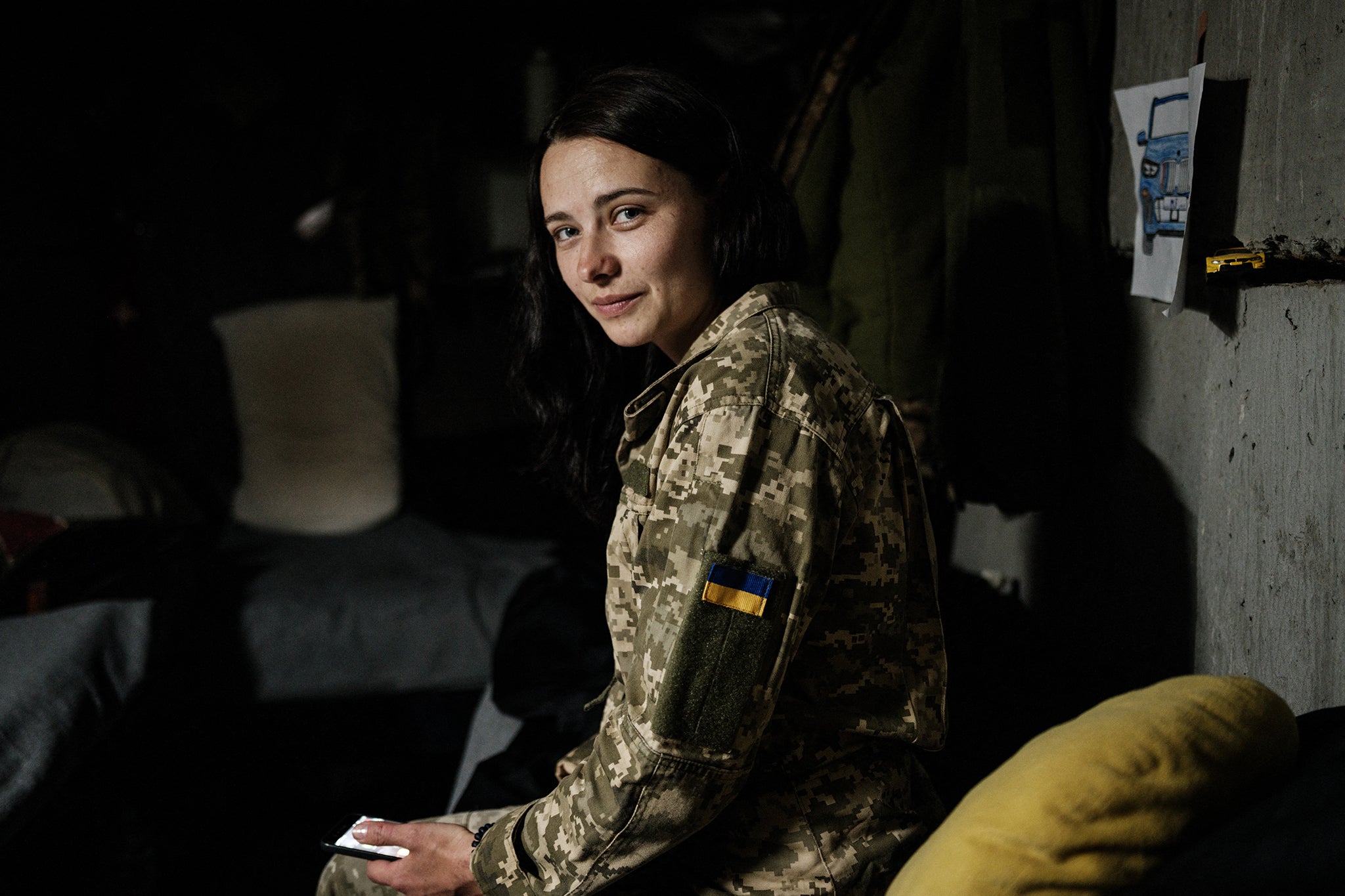
open image in galleryA Ukrainian soldier near Kramatorsk in eastern Ukraine (AFP/Getty)This aligns with defence planners’ expectations: whatever young people say, however reluctant they are, enough of us would step up in our nation’s darkest hour. “In the event of a full-scale war, the army in its current state would not have the capacity to absorb the amount of volunteers it would receive,” says Hamish Mundell.
“The Army Reserve alone received 30,000 applications to join last year, but only let in about 1,500 people. We don’t have a recruiting problem; we have an onboarding problem.”
Peter Apps puts it more bluntly. “How many people in Kyiv do you think expected their city to be subject to a ground assault on February 10, 2022? The defence of the Irpin River [which helped save Kyiv from Russian occupation] was, in some cases, conducted by volunteers who joined up that morning.”
This chimes with my own experience of reporting from Ukraine. When your country is under direct attack, you have no choice but to defend it if you want to maintain any semblance of the life you had before.
Many young Ukrainians resent the war, hate that they’re still fighting, and are driven mad by the relentless frenzy of missiles, death and emotional trauma. But with Russian troops in their homeland, there is no choice but to carry on.
Whether, as an island over 1,000 miles from Moscow, the threat against Britain can ever be immediate enough to provoke a reaction like Ukraine’s remains to be seen.
On a selfish level, I hope we never find out.