Are You Cooking or Baking with Data? A 2026 Guide to Smarter Analytics Strategy — Juice Analytics


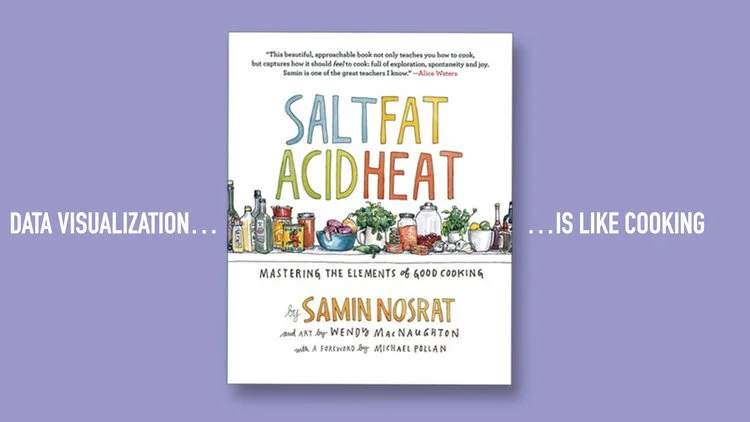
Cooking with Data: Quick, Flexible, and Reactive
“Cooking” with data means moving fast and adjusting as you go. It often happens in high-pressure environments like sales huddles, campaign launches, executive asks that come in on Friday afternoon.
It’s messy but useful. You’re slicing, dicing, visualizing, and throwing together ad hoc reports. Maybe you’re using tools like Excel, Tableau, or even ChatGPT to assemble quick insights.
Traits of a “data cooking” culture:
-
Analysts are constantly reacting to requests
-
Little standardization; lots of one-off dashboards
-
Context and interpretation come from conversation
-
Great for exploration, not so great for consistency
In the right setting, cooking is a powerful tool. It empowers teams to move quickly, test hypotheses, and get directional answers fast.
But when decision-making or accountability is on the line, this approach can create problems:
🔗 Want to see how we help teams add structure to their ad hoc data chaos? Check out our process
Baking with Data: Standardized, Scalable, Reliable
“Baking” with data means you’ve taken time to define processes, build scalable models, and create reliable outputs. Dashboards are templatized. Metrics are governed. There’s a clear recipe, and everyone’s using it.
This is what we often refer to as productizing analytics—moving from hand-crafted reports to well-designed, repeatable data products.
Traits of a “data baking” culture:
-
Standard definitions and consistent metrics
-
Repeatable processes for data ingestion and visualization
-
Data products are maintained, monitored, and iterated
-
Designed to serve many users, not just one decision
This approach shines when consistency, trust, and scalability are essential. Think: customer-facing analytics, investor reports, or internal KPIs that drive bonuses.
But baking can also be slow and rigid. When a new question comes up, your existing dashboards might not answer it—and your data team may not have the agility to pivot.
So, Which One Is Better?
Here’s the twist: you need both.
-
When exploring a new customer behavior trend? Cook.
-
When launching a new product with stakeholder visibility? Bake.
-
When prototyping a client-facing dashboard? Cook first, then bake.
The key is knowing which mode you’re in and having the right tools, people, and expectations for each.
Why This Matters in 2026
The data landscape has changed dramatically in recent years. Thanks to automation, AI tooling, and cloud-native platforms, the line between cooking and baking is getting blurrier, but more strategic.
-
Generative AI tools now support faster ad hoc exploration, making cooking even more powerful.
-
Low-code platforms enable data teams to bake repeatable insights with less engineering lift.
-
Data storytelling platforms (like our own Juicebox) help bring structure and clarity to both modes.
But the real shift is cultural. Organizations are realizing that analytics isn’t a one-size-fits-all solution. It’s a portfolio of tools and mindsets and success depends on using the right one at the right time.
How to Balance Both in Your Organization
If you’re a data leader, product manager, or analyst, here’s how to bring the best of both worlds into your workflow: