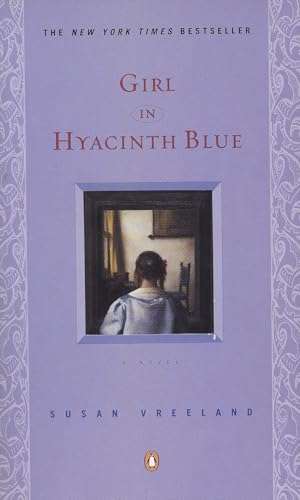
Book Review: Girl in Hyacinth Blue by Susan Vreeland
In the world of art and literature, few narratives capture the intricate connection between human emotion and visual masterpieces as effectively as Susan Vreeland’s “Girl in Hyacinth Blue.” This novel transcends the mere recounting of a painting’s history; it is a profound exploration of the relationships we forge with art, the memories it evokes, and the lives it touches. Through Vreeland’s deft weaving of storytelling, historical context, and character exploration, readers are invited to traverse the landscapes of art, love, and the impact of memory in ways that are both intimate and expansive.
Plot Summary
“Girl in Hyacinth Blue” comprises a collection of interconnected stories, each delineating the life and experiences of a different owner of a fictional painting that echoes Johannes Vermeer’s celebrated artwork “Girl with a Pearl Earring.” Vreeland orchestrates these narratives into a multifaceted tapestry, beginning with the painting’s creation in a 17th-century Dutch studio. As we journey through time, we witness the painting’s trajectory, encapsulating the essence of each era as it passes from one hand to another, reflecting the personal struggles, societal expectations, and emotional narratives of its varied owners.
The novel’s structure is ingeniously crafted; each chapter invites readers into the intimate worlds of its characters, revealing the ways in which the painting not only adorns their lives but also reflects their innermost desires and regrets. For instance, we are introduced to the young girl who poses for Vermeer, navigating the constraints of her existence in a male-dominated society. This framing device is critical—why is it so significant that the painting’s history is told through the stories of its owners? It demonstrates how art can serve as a mirror, not only reflecting societal values but also probing uncharted emotional landscapes.
Each vignette is rich with detail, underscoring how the painting acts as a lens through which we can observe the evolving human condition. By engaging with the lives of its characters, the painting becomes a symbol of continuity through change, and Vreeland allows readers to understand how deeply art can influence personal identity and memory.
Character Analysis
The strength of “Girl in Hyacinth Blue” lies in its exceptional character development. Vreeland populates her narrative with a diverse cast, each providing unique perspectives that intricately deepen the story’s emotional core. Each character is richly drawn, embodying their own flaws and complexities, which brings authenticity to their experiences. The protagonist, in many respects, is the painting itself; it is a silent witness to the transformations in the lives of its owners, and in their reflections upon it, we see our own humanity.
One notable character is Cornelia, the young girl from the 17th century who poses for Vermeer. Her narrative highlights the societal limitations faced by women and encapsulates the historical struggles for agency and autonomy. Why is Cornelia’s character particularly significant? Her story resonates with contemporary themes of identity and self-worth, as her life is dictated by the expectations of others. Through her, Vreeland raises critical questions about the female experience across time—how much has truly changed, and what remains constant?
Contrast this with the modern-day art collector, whose obsession with beauty leads to profound existential conflicts. This juxtaposition serves to illustrate how the pursuit of art can both inspire and consume. Together, these characters exemplify the diverse ways individuals engage with art—sometimes as mere observers, and at times as those irrevocably shaped by its presence. The layered characterizations enhance the novel’s thematic depth; they invite readers to reflect on their own relationships with art and its ability to illuminate the human experience.
Thematic Exploration
At its core, “Girl in Hyacinth Blue” is a meditation on the transcendent power of art to encapsulate and convey human experience. Vreeland masterfully navigates themes of beauty, desire, and the passage of time. How does the painting serve as a catalyst for exploring these themes? The artwork encapsulates and reflects the myriad emotions associated with love and loss; it urges readers to confront their own longings and regrets, illustrating how art can inspire profound self-examination.
One prominent theme in the novel is the connection between art and identity. Vreeland carefully illustrates how the characters’ interactions with the painting compel them to confront their own struggles and desires. The relationship between art and memory is also explored, as each character’s experience with the painting evokes reflections on the past. This exploration prompts readers to ponder: what role does memory play in shaping our identities? Through the characters’ memories tied to the painting, Vreeland elegantly articulates the idea that art serves as a vehicle for personal history and collective experience.
Moreover, Vreeland addresses significant societal issues, particularly through the lens of her female characters. Their varied experiences highlight the historical constraints on women, ranging from confinement to empowerment. This thematic exploration offers readers a glimpse into the socio-political landscapes that inform the characters’ lives, making the narrative not only a personal story but also a broader commentary on gender and society. It invites reflections on how far we have come and how much further there is to go in the quest for equality.
Historical Context
Vreeland’s narrative is steeped in meticulous historical context, grounding readers in the socio-political climates of various eras. The backdrop of the Dutch Golden Age provides a rich foundation for exploring the art world, complete with its intricate networks of patronage, societal roles of women, and cultural values of the time. By elaborating on the nuances of the era, Vreeland enhances the authenticity of her characters and their individual journeys.
In juxtaposing these historical settings with modern-day perspectives, Vreeland creates a dialogue that resonates with the reader, illustrating how themes of love, loss, and identity are indeed timeless. This historical depth enhances the narrative, allowing readers to appreciate the profound impact of art throughout history while contemplating its relevance in the present. The exploration of historical attitudes toward art and artists, especially women, serves as a reflection of the broader societal shifts that continue to influence the art world today.
Literary Devices
Vreeland’s writing style is characterized by lyrical prose and vivid imagery that bring the historical and emotional landscapes to life. Her descriptive language allows readers to visualize the painting, making it a central figure in the narrative. Sensory details abound as readers are transported from the vibrant art studios of the 17th century to the quiet contemplation of modern galleries. The use of a non-linear narrative structure enhances the storytelling, allowing for a layered exploration of characters and themes that mirrors the painting’s rich history and depth.
Symbolism is prevalent throughout the novel, with the painting serving as a multifaceted motif representing beauty, memory, and the complexities of human emotion. Each character’s interaction with the artwork serves as a symbolic reflection of their own struggles and aspirations, demonstrating Vreeland’s adeptness at weaving thematic depth into her narrative. Moreover, her careful use of metaphor encourages readers to think deeply about the larger implications of art beyond its aesthetic value.
Critical Evaluation
“Girl in Hyacinth Blue” transcends the boundaries of a historical novel; it emerges as a poignant meditation on the interplay between art and existence. Critics have praised Vreeland for her capacity to blend historical research with compelling storytelling, creating a narrative that is both intellectually stimulating and emotionally resonant. Her nuanced portrayal of women and their complex relationships with art underscores the novel’s cultural relevance.
However, some readers may find the episodic structure occasionally disrupts the flow of the narrative as the focus shifts from one character to another. This shifting perspective, while enriching the overall tapestry of stories, may challenge readers accustomed to a more linear progression. Yet, this structure also fosters a rich diversity of voices, thereby enhancing the depth and complexity of the novel. Each story within the story contributes to an overarching narrative that underscores the interconnectedness of lives across time—a thematic point that resonates deeply in today’s society.
Conclusion
Susan Vreeland’s “Girl in Hyacinth Blue” is a remarkable exploration of art, identity, and the human experience. Through her vivid prose, engaging characters, and profound thematic explorations, Vreeland invites readers to reflect on the timeless impact of art and the myriad ways it shapes our lives. This novel is not just a love letter to art but a compelling testament to the intricate connections between beauty, memory, and the human heart. For anyone who appreciates the complexities of human emotion and the beauty of artistic expression, “Girl in Hyacinth Blue” is a must-read, lingering in the mind long after the final brushstroke is penned. The book challenges us to consider our own relationships with art and memory, urging us to recognize the stories that art can tell about our humanity.