

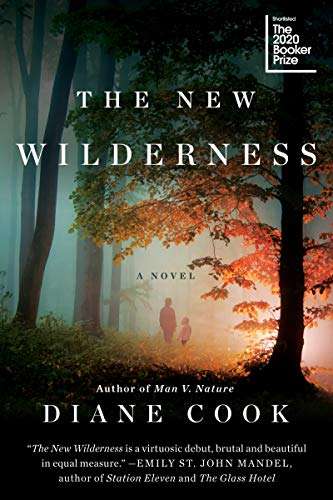
*Book Review: The New Wilderness by Diane Cook*
*Introduction*
Diane Cook’s “The New Wilderness” invites readers into a hauntingly imaginative narrative that intricately weaves together the themes of survival, human relationships, and the juxtaposition of nature against civilization. Set in a near-future dystopia devastated by climate change and relentless urbanization, the story intricately explores a group of individuals striving to escape the suffocating confines of a decaying city in search of a wild yet government-controlled land. This exploration serves as an echo of our current environmental crises and societal breakdowns, illuminating the primal instincts that surface when survival is at stake. This review delves into the storyline, the characters who inhabit this desperate world, the overarching themes that resonate throughout the narrative, the distinctive writing style of Cook, and a critical analysis of the novel’s impact and cultural relevance.
*Plot Summary*
At the heart of “The New Wilderness” is Bea, a determined mother whose desperate choices drive the narrative forward. In a world where the city is engulfed in pollution and overpopulation, Bea’s decision to join a group of settlers aiming to carve out a new existence in the wilderness becomes a profound act of love and defiance. By choosing the wilderness, Bea not only seeks to protect her daughter, Frida, from the toxic environment she has known but also embodies the hope that a connection to nature may provide a more meaningful life. This pivotal decision alters the very trajectory of their lives, thrusting them into a realm where survival is dictated by harsh realities and ethical dilemmas.
The storyline unfolds through a series of gripping episodes that illustrate the daily struggles faced by Bea, Frida, and their fellow settlers against the backdrop of an unpredictable, often cruel wilderness. Vividly rendered moments—such as food scarcity, group tensions, and the meticulous art of foraging and hunting—heighten the stakes for Bea and Frida, illustrating the primal instincts that arise in the fight for survival. Cook masterfully balances moments of tension with reflective passages that delve into the emotional toll of such a transformed existence, allowing readers to experience the depths of human vulnerability and resilience. The narrative is predominantly framed through Bea’s perspective, making readers privy to her transformative journey and the evolving dynamics of her relationship with Frida and the community around them.
*Character Analysis*
Diane Cook’s characters in “The New Wilderness” are richly drawn and relatable, each embodying differing perspectives on family, survival, and the complexities of humanity itself. Bea, as the protagonist, emerges as a paradoxical figure—both strong and vulnerable, embodying fierce maternal instincts that compel her to make difficult choices in her quest to protect Frida. Her character represents the trials of motherhood and challenges readers to contemplate the moral complexities of parental love. Frida, on the other hand, symbolizes the next generation, blending innocence with resilience as she navigates her new environment, which juxtaposes the harsh realities of nature with the remnants of the life she once knew.
The supporting characters breathe additional life into the narrative, each contributing unique backgrounds and motivations. For instance, the pragmatic leader of the group serves as a foil to Bea, emphasizing the spectrum of survival perspectives in this new world. In contrast, philosophical members of the community provoke thoughtful discussions about the morality of their existence and the cost of survival. These diverse interactions underscore the inherent differences in human nature and the struggle for agency amidst the primal landscape. Cook’s ability to create complex character dynamics elevates the narrative into a rich exploration of love, loyalty, and the moral gray areas that accompany survival.
*Thematic Exploration*
“The New Wilderness” examines several prominent themes, including survival, the environment, isolation, and the essence of motherhood. The novel confronts the existential question of what it truly means to survive when the natural order has been irrevocably altered. Bea’s decision to leave the city is emblematic of a growing realization that survival transcends mere existence; it encompasses emotional bonds and the shared human experience in the face of brutality. The tension between individual desires and collective survival is poignantly illustrated through Bea’s choices, showcasing the complexity of love amid adversity.
The dichotomy of nature versus civilization stands out as a recurring theme, symbolizing the tension between humanity’s instinct to control the environment and the deep-seated yearning to return to a more primal existence. This theme resonates deeply with current discussions surrounding sustainability, environmental degradation, and humanity’s responsibility to nature. Cook’s portrayal of characters grappling with their identity in this wild landscape serves as a poignant reminder of the consequences of human actions on the environment and imbues the narrative with a sense of urgency, particularly in today’s climate crisis discourse.
*Historical Context*
Set against a speculative future, “The New Wilderness” resonates with contemporary environmental concerns, urging readers to reflect on pressing societal issues. Cook draws direct parallels to real-world discussions regarding climate change and the ongoing effects of urbanization, effectively immersing readers in a narrative that feels both timely and cautionary. The notion of a once-thriving ecosystem diminished to a mere vestige serves as a powerful metaphor, compelling readers to consider their daily choices and the environmental ramifications of their lifestyles. Furthermore, the novel can be interpreted as a clarion call for environmental stewardship, highlighting the fragile interconnectedness between humanity and the natural world.
*Literary Devices*
Cook employs a range of literary devices that enrich the reader’s experience, primarily through her vivid imagery. Her descriptions evoke stark contrasts between the suffocating urban landscape and the wild, often merciless wilderness. Through carefully crafted metaphors and similes, Cook immerses readers in the oscillating emotions of her characters, making their experiences resonate deeply. The use of descriptive language, from the oppressive qualities of the city that symbolize entrapment to the sprawling beauty of nature that offers both a refuge and danger, serves to ground the narrative in a palpable reality.
The nonlinear narrative structure invites readers to piece together the complex backgrounds and motivations of the characters, providing a richer understanding of their present circumstances. Cook’s strategic use of symbolism enhances the thematic depth, with the wilderness itself acting as a character that embodies both peril and liberation. This dynamic reinforces the delicate balance between humanity and nature, ultimately echoing the novel’s central queries about existence and the responsibilities that accompany it.
*Critical Evaluation*
In “The New Wilderness,” Diane Cook crafts a poignant and timely exploration of humanity’s relationship with the natural world through a gripping and immersive narrative. Her prose is both poetic and incisive, drawing readers into a world that is simultaneously vast and claustrophobic. The emotional intricacies of the characters and their interpersonal dynamics elevate the narrative, rendering it a profound journey that resonates well beyond its dystopian setting.
However, some critique may arise regarding the pacing of the novel, particularly during introspective interludes that may temporarily detract from the immediacy of the plot. Yet, these contemplative moments are integral for deepening readers’ understanding of the characters’ internal struggles and moral dilemmas. Ultimately, the tension crafted by the juxtaposition of survival instinct and ethical quandary is what makes “The New Wilderness” a compelling dissection of human nature.
*Conclusion*
In “The New Wilderness,” Diane Cook presents a powerful narrative that compels readers to reflect on the implications of their choices and the tenuous connection between humanity and the natural world. Through its rich storytelling, complex character development, and thought-provoking themes, the novel stands as a testament to the resilience of the human spirit when faced with overwhelming adversity. It serves as a timely reminder of the importance of both individual and collective responsibility toward environmental preservation and the nurturing of the bonds that sustain us. Cook’s work transcends mere entertainment; it challenges readers to confront their roles within the world, thereby solidifying “The New Wilderness” as a significant and necessary contribution to contemporary literature.
Frequently Asked Questions
The novel follows a mother and her daughter as they navigate a post-apocalyptic world where humanity’s connection to nature is redefined. The narrative explores their struggle for survival in a wild environment, highlighting the challenges of maintaining human relationships amidst harsh conditions.
The novel delves into themes such as environmentalism, survival, motherhood, and the intricate relationship between humans and nature. It raises profound questions about the impact of civilization on the environment and the instincts that drive people in dire situations.
Diane Cook is an accomplished writer and former television producer known for her compelling narratives. She has published numerous short stories and essays, gaining recognition for her ability to blend thought-provoking themes with rich storytelling.
The review praises the book for its evocative prose, well-developed characters, and immersive world-building that captures the reader’s imagination. It also emphasizes the emotional depth and the thought-provoking dilemmas faced by the characters.
Critics may point out pacing issues, uneven character development, or certain narrative threads that feel underexplored. These critiques provide a balanced view of the novel and illustrate the varying experiences of different readers.
The review discusses how the novel reinterprets traditional dystopian themes by focusing on nature’s dominance over civilization, setting it apart from typical narratives that often center on technological or governmental oppression.
“The New Wilderness” is widely available in major bookstores, online retailers, and libraries. Readers can check local listings or visit the author’s website for further details on purchasing options.
The novel is primarily geared toward adult readers due to its mature themes and complex emotional landscapes, making it suitable for those who appreciate thought-provoking literary fiction.
The review reflects a mix of critical acclaim and constructive feedback, showcasing how the book resonates with diverse audiences while highlighting its strengths and weaknesses as noted by literary critics.
Readers can expect an exploration of deep emotional connections and a reflection on humanity’s relationship with the natural world. The novel invites contemplation of what survival truly means in an unpredictable landscape and encourages both personal reflection and broader discussions about environmental issues.

Get Your Free Copy of Project Horizon
We’re offering this book to you for free because we believe in the power of a great story to captivate and inspire. By sharing Project Horizon, we hope you’ll become as hooked on the series as so many others have—and stay updated with our bi-weekly newsletter, bringing you the latest book-related news.
In this world of advanced AI, shifting alliances, and the fight for humanity’s survival, you’ll discover unforgettable characters, breathtaking twists, and an epic adventure that’s just the beginning of the journey.
Enjoy the read, and if you love it, the rest of The Vanguard Chronicles is ready to take you even further into the saga.


