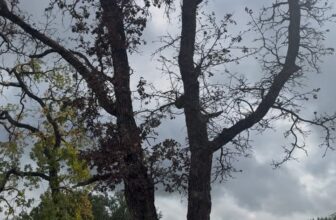
Two-lined chestnut borer is a destructive native borer that attacks red oaks and other hardwoods across North Texas and Central Texas, especially when trees are already stressed. Scientifically, this insect is Agrilus bilineatus (a metallic wood-boring beetle in the Buprestidae family).
Adults are small, slender beetles; the real damage comes from the larvae, which tunnel just beneath the bark in the cambium/phloem layer (the tree’s “food pipeline”). Those winding galleries disrupt carbohydrate transport, progressively girdle the stem/major limbs, and can trigger rapid canopy decline.
Why red oaks get hit so hard in Texas
This borer is considered a secondary pest—it typically targets trees weakened by drought/heat, root-zone stress, construction injury, poor soil oxygen, compaction, over/under watering, storm damage, or prior disease pressure.
In Texas, prolonged heat, sudden drought swings, and stressed urban soils can create perfect conditions. Once larvae establish, trees often show:
• Upper canopy thinning and dieback (starts high and works down)
• Leaf scorch / smaller leaves / premature drop
• Epicormic shoots (sprouts on trunk/large limbs) as the tree tries to survive
• D-shaped exit holes from emerging adults (often subtle)
• Serpentine larval galleries under bark (you’ll see them if bark loosens)
Timing and life cycle (why it matters)
Adults typically emerge during warm months and lay eggs in bark crevices. After hatching, larvae feed under the bark, then overwinter and complete development before emerging as adults.
Because the feeding zone is right at the vascular tissues, visible decline can lag behind internal damage—by the time symptoms are obvious, the tree may already be under severe attack.
What actually helps (real-world mitigation)
Effective control is rarely “spray and pray.” A successful plan combines:
1. Confirming the problem (borer vs drought stress vs root issues vs disease)
2. Reducing stress (irrigation corrections, root-zone aeration, soil improvements)
3. Targeted insect control when appropriate (timed correctly and applied the right way)
4. Monitoring for canopy recovery and preventing reinfestation
If you’re seeing oak decline, don’t wait until the canopy is already collapsing—timing matters.
✅ Arborist USA can bring real solutions: we evaluate the whole site (soil, roots, irrigation, environment), confirm likely causes, and build a treatment/mitigation plan designed to save the tree when possible.