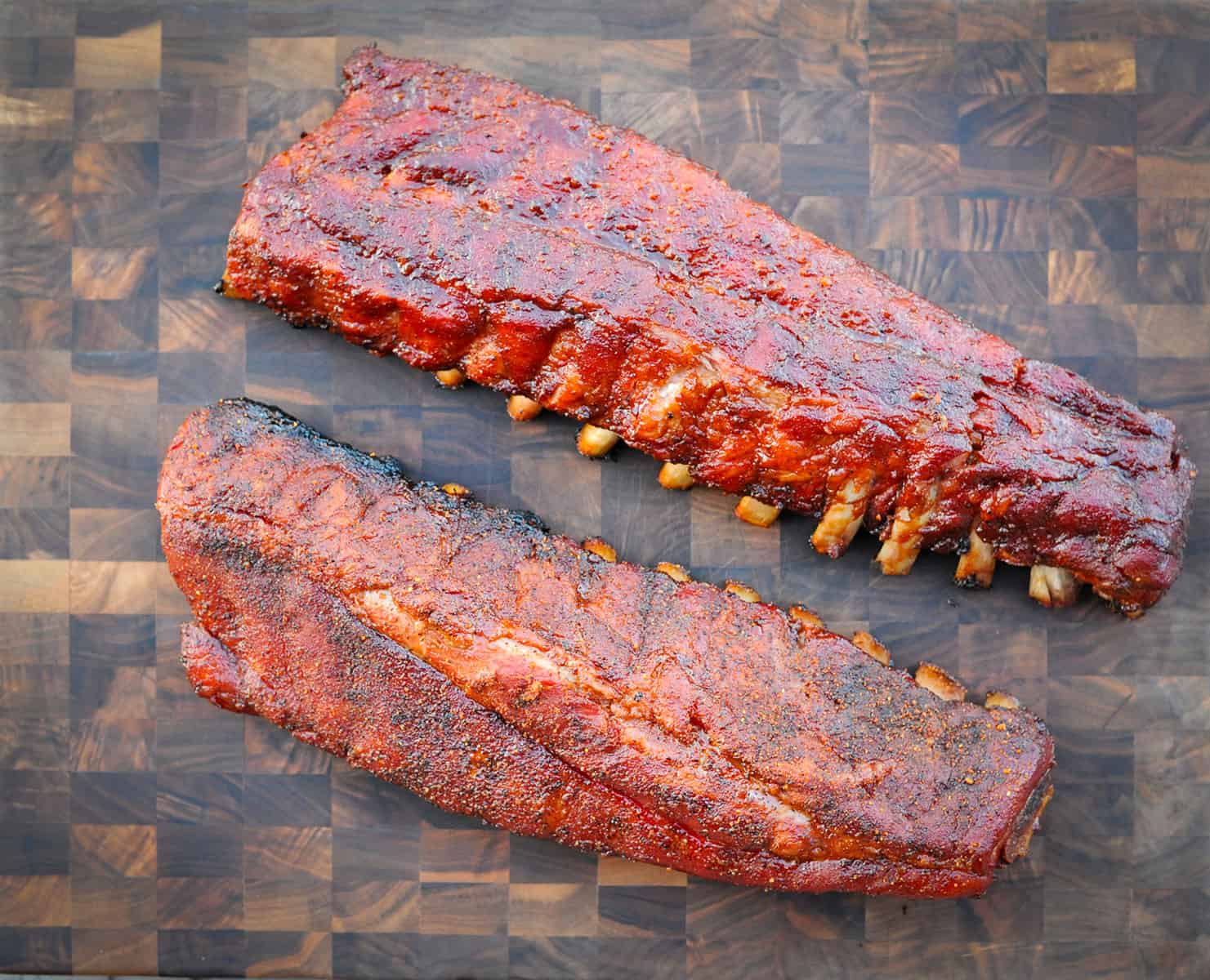
If you’re firing up the smoker this Labor Day weekend, you’re probably making ribs. Everyone is. But before you pull them off the heat, you need to pick a side in one of BBQ’s oldest arguments: should ribs fall off the bone, or should they have a clean bite?
A recent thread on Reddit sparked a heated back-and-forth on exactly this question, racking up nearly 200 comments from cooks who insist fall-off-the-bone ribs are actually a sign of overcooking, not a badge of honor.
They have a point. But the truth is a little more nuanced than “team bite” versus “team fall-apart.”
What competition BBQ demands
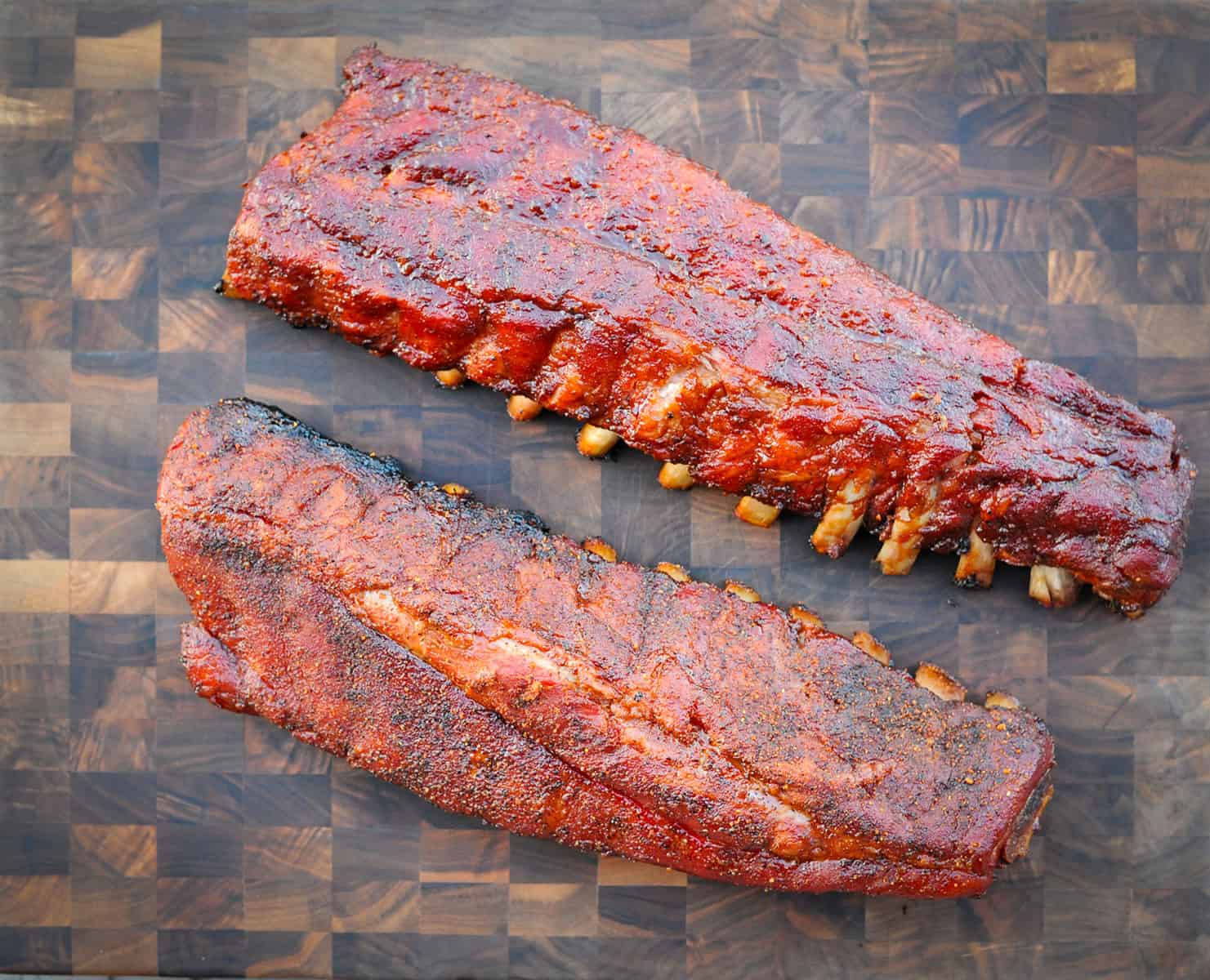
In competition BBQ, there’s no debate. Judges want a clean bite, no tug, no mush. When you bite into the meat, just the bite section should release cleanly from the bone without sliding off entirely.
If it falls off the bone, the judges will dock your tenderness score.
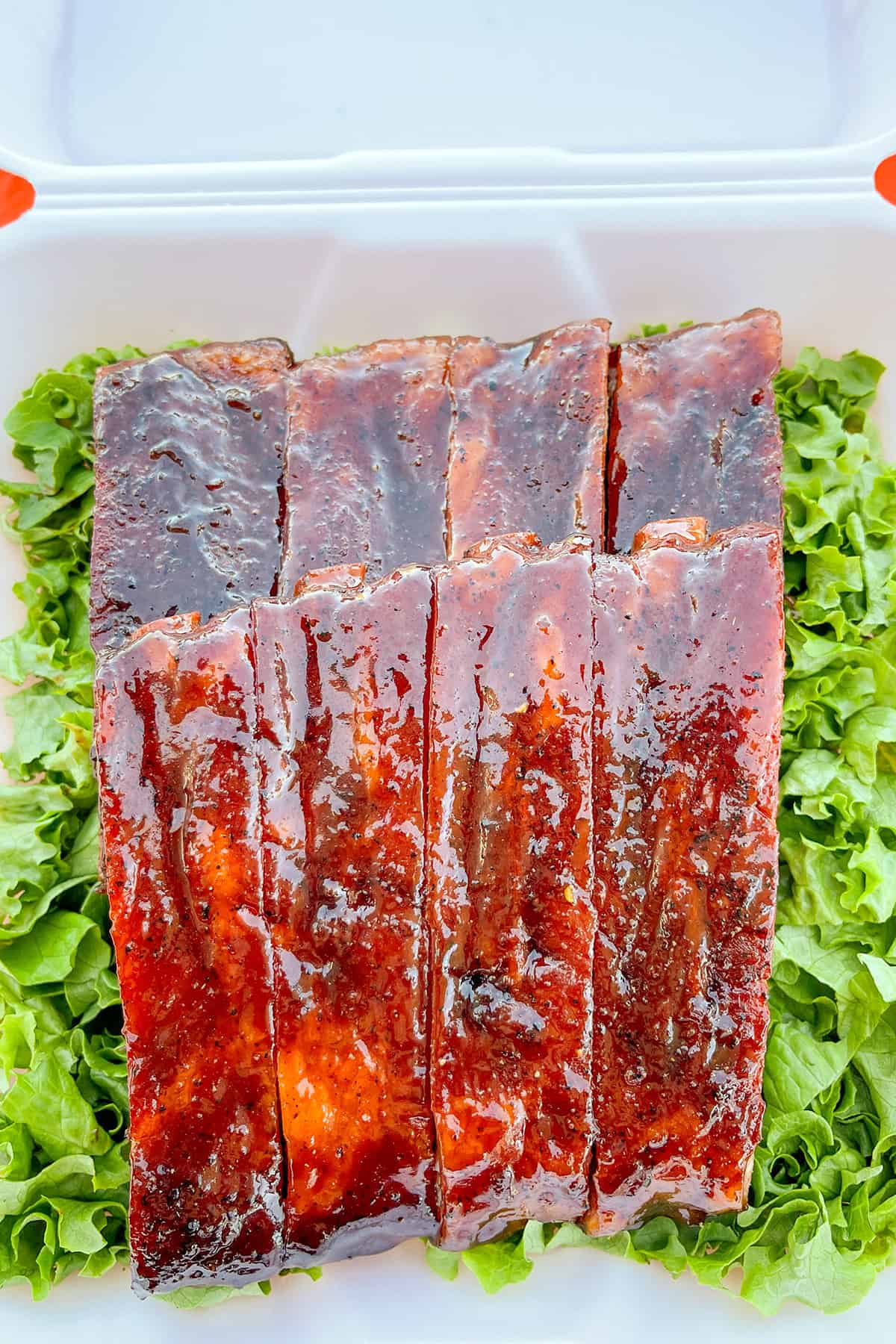
I’ll be putting that standard to the test this weekend at the Meat and Tater Festival in Idaho, where I’m competing in ribs both Friday and Saturday. Each day, I’m cooking three racks and turning in six bones to the judges, all built around that clean-bite target.
Learn my technique in my full competition rib course.
What your backyard allows
Your backyard cookout isn’t a competition table, and that’s exactly why you get more room to play.
At home, I actually prefer my ribs closer to fall-off-the-bone. There’s something satisfying about meat that pulls away with almost no resistance. But there’s a fine line between that tender finish and actual mush, and it’s easier to cross than you’d think.
I think where people get it wrong is that we’re usually taught to cook based on time limits. The 3-2-1 rib method is the biggest culprit. It’s based on cooking your ribs 3 hours unwrapped, 2 hours wrapped and 1 hour sauced and unwrapped.
The method works well, but several variables, like the size of your ribs, the temperature of your grill or the weather, can be a reason to adjust the time.
The fix is simple: watch your temperature and your time, not just one or the other. Ribs that go too long or too hot slide past tender into mushy, losing the texture that makes them good in the first place.
This weekend’s game plan
College football kicks off this weekend, and Monday is Labor Day, so ribs and a game-on in the background is a natural pairing.
If you want the soft, wrapped plate of ribs a lot of backyard cooks call fall-off-the-bone, start with my smoked 3-2-1 ribs. That is the long wrap path. Push it later, closer to an internal temperature of 210-215F degrees, when you want the meat to slide.
If you want a cleaner bite on that same path, pull when the rack bends and almost cracks, but does not break.
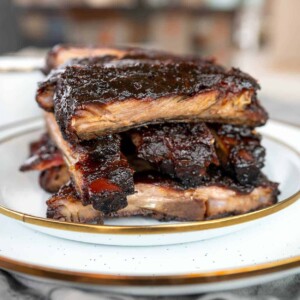
Smoked 3-2-1 Ribs
Follow the tried-and-true 3-2-1 ribs method to create the most tender, fall-off-the-bone smoked ribs you’ve ever made.
Baby backs are smaller and leaner. Shorten the cook time a bit when cooking this style of pork ribs.
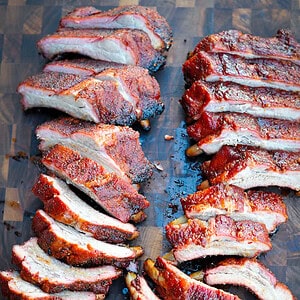
Smoked Baby Back Ribs
Smoking a great rack of baby back ribs comes down mastering this basic method and learning pitmaster tricks to cooking with your senses.
Short on time? Hot and fast ribs cook at a higher grill temperature. It’s the method most teams cook in competitions.
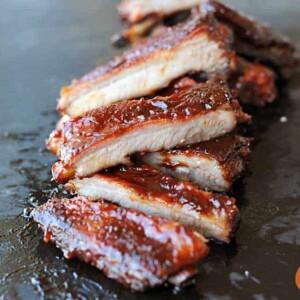
Hot and Fast Ribs
If you’re running short on time but still want awesome barbecue, try smoking hot and fast ribs. You’ll cut your time in half.
Want guaranteed bark in every bite? Go with individually-cut party ribs.
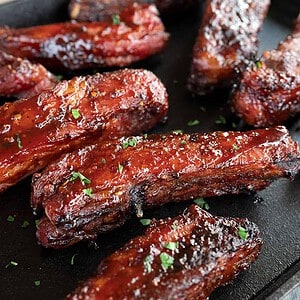
Individually Smoked Pork Ribs
Individually smoked pork ribs deliver that flavorful barbecue bark in every bite, because all sides of the meat are exposed during the cook.
If your crowd wants the soft fall-off ribs this weekend, cook that on purpose and own it. If you want the bite I turn in Friday and Saturday, stop when the meat still holds. Don’t cook past the finish you meant to serve.