Why Florida Landlords Need Specialized Coverage
Insurance for rental homes is essential protection for property owners who lease their homes to tenants. Unlike standard homeowners policies, rental property insurance safeguards your investment against the unique risks of being a landlord.
Quick Guide to Rental Property Insurance
| Type of Coverage | What It Protects | Why You Need It |
|---|---|---|
| Dwelling Coverage | The physical structure | Covers fire, wind, and other damage |
| Liability Protection | Legal and medical costs | If tenants or visitors are injured |
| Loss of Rental Income | Your revenue stream | When property is uninhabitable after a covered loss |
| Other Structures | Detached garages, sheds, fences | Often excluded from basic policies |
Most homeowners policies do not cover rental properties. If you’re renting out your home in Florida—whether long-term or as a vacation rental—you need specialized coverage, typically costing 15-25% more than standard homeowners insurance.
Florida’s unique risks make proper coverage even more critical. With hurricane exposure, flooding concerns, and a growing rental market, landlords face significant financial exposure without the right policy in place.
Standard homeowners policies typically exclude:
– Tenant-caused damage
– Liability claims from renters
– Loss of rental income
– Business activity on the premises
I’m Paul Schneider, and with over 20 years of experience providing insurance for rental homes throughout Florida, I’ve helped countless property owners protect their investments against our state’s unique risks while maximizing their rental income potential.
Insurance for Rental Homes: What It Is and Why You Need It
When you transition from homeowner to landlord in Florida, your insurance needs change dramatically. Insurance for rental homes provides specialized protection for property owners who lease their homes to others—whether for long-term residency or vacation stays.
In the Sunshine State’s thriving rental market, where thousands of snowbirds and year-round tenants seek housing each year, proper landlord coverage isn’t just a good idea—it’s essential financial protection.
A comprehensive landlord policy typically includes three core protections. First, property damage coverage shields your building against Florida’s common threats like hurricanes, lightning strikes, and fires. Second, liability protection provides a financial safety net if a tenant or visitor is injured on your property. Third, loss-of-rental income coverage ensures you still receive revenue when a covered disaster makes your property temporarily uninhabitable.
“Many new landlords are shocked when they find their standard homeowners policy becomes invalid once they start collecting rent,” explains Paul Schneider of Schneider and Associates Insurance. “That rental income needs protection just like the physical building does.”
Florida’s unique challenges make landlord insurance particularly important. With over 1.8 million single-family rental units across the state, property owners face heightened risks from our severe weather patterns, flood potential, and increasingly litigious environment.
Your mortgage lender will likely require proof of appropriate landlord coverage before approving or maintaining a loan on your rental property. Some lenders even specify minimum coverage amounts and deductible limits to protect their investment—and yours.
How Insurance for Rental Homes Differs from Homeowners Policies
The fundamental difference comes down to who lives in the home. Homeowners policies are designed for owner-occupied properties, while landlord policies protect properties inhabited by tenants.

When you rent out your property, the risk profile changes significantly. Tenants typically don’t maintain a property with the same care as owners, and you lose daily oversight of potential problems. Insurance companies account for these increased risks in several key ways.
Landlord policies use different policy forms—typically called “Dwelling Policy” forms (DP1, DP2, or DP3)—rather than the HO (homeowner) forms you might be familiar with. These provide stronger protection for the building structure but offer limited personal property coverage, usually only for items used to service the rental (like appliances or maintenance equipment).
The liability coverage in a landlord policy specifically addresses premises liability scenarios common to rental situations, like a tenant slipping on icy steps or a delivery person tripping on a loose floorboard.
Because of these specialized protections, landlord policies generally cost about 15-25% more than comparable homeowners policies. This premium difference reflects the statistical reality that rental properties experience more claims.
“I learned this lesson the expensive way,” shares a Naples property owner who had a tenant accidentally start a kitchen fire. “My homeowners policy denied the $18,000 claim because I hadn’t updated my coverage when I started renting the house. That mistake cost me my entire year’s rental profit.”
Is Insurance for Rental Homes Required in Florida?
While Florida state law doesn’t explicitly mandate landlord insurance, several other entities effectively make it required:
Your mortgage lender will almost certainly require appropriate landlord coverage as a condition of your loan. If they find you’re renting the property without proper insurance, they may force-place an expensive policy or even call the loan due.
If you’re renting out a condo unit, check your association bylaws carefully. Many Florida condo associations require owners to maintain specific insurance coverage for rental activities, often with minimum liability limits.
Some Florida municipalities have enacted local ordinances requiring landlords to maintain certain levels of insurance, particularly for vacation rentals in popular tourist areas like Key West, Destin, and parts of Miami-Dade County.
Even without these external requirements, operating a rental property without proper insurance in Florida exposes you to potentially catastrophic financial losses. Between our hurricane vulnerability, flood risks, and the general liability exposure that comes with having tenants, adequate insurance protection isn’t optional—it’s a fundamental part of responsible property management.
When you’re ready to protect your rental investment properly, the team at Schneider and Associates Insurance can help you steer Florida’s unique insurance landscape with personalized coverage designed specifically for landlords.
Types of Rental Property Policies in Florida
As a Florida rental property owner, you have several insurance options to protect your investment. I’ve helped countless landlords steer these choices, and understanding the differences is key to finding the right coverage for your specific situation.
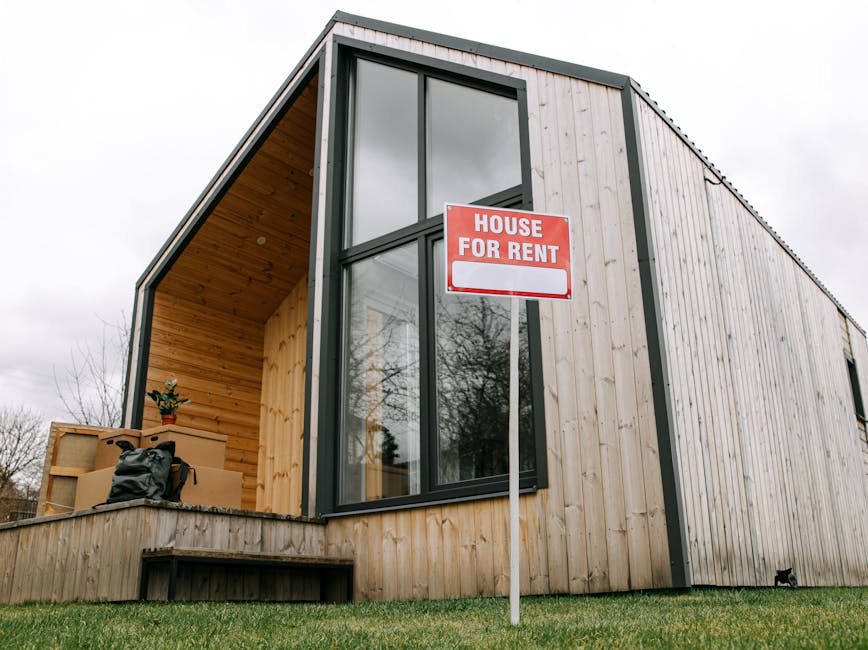
Let me walk you through the most common landlord policies we offer in the Sunshine State:
| Policy Type | Coverage Level | Best For | Typical Cost |
|---|---|---|---|
| DP1 (Basic) | Named perils only, actual cash value | Budget-conscious owners of older properties | Lowest premium |
| DP2 (Broad) | Named perils, replacement cost available | Mid-range properties with moderate risk | Moderate premium |
| DP3 (Special) | All risks except exclusions, replacement cost | Newer or high-value properties | Highest premium |
When I sit down with clients at Schneider and Associates, I always emphasize that each insurance for rental homes is unique. Your policy’s limits, exclusions, and rates should match your property’s specific needs and your risk tolerance.
Long-Term Landlord Policies
If you’re renting to tenants with leases of six months or longer, a standard landlord policy (typically a DP3 form) provides the most comprehensive protection. These policies work beautifully for:
Single-family homes in neighborhoods from Pensacola to Key West, where you’ll want protection for the entire structure plus liability coverage for tenant activities.
Duplexes and small multi-unit properties (typically up to four units) that have become increasingly popular investments in Florida’s growing rental market.
Individually owned condo units that you’re renting out to tenants, which require specialized coverage different from what the condo association provides.
A solid long-term landlord policy in Florida should protect your dwelling (the physical structure), other structures (like that detached garage or pool house), personal property (the appliances and furnishings you own), liability (for injuries on your property), and loss of rental income if a covered event makes your property uninhabitable.
I’ve seen how single-family rentals in Florida carry unique risks – from those expansive yards needing maintenance to hurricane vulnerabilities that can increase repair costs dramatically.
Short-Term & Vacation Rental Policies
With Florida’s booming tourism, many property owners are turning to platforms like Airbnb and VRBO. If that’s you, please know that neither standard homeowners nor typical landlord policies cover short-term vacation rentals adequately. You need specialized coverage.
“I didn’t realize my regular policy wouldn’t cover my Destin beach house when I started renting it out on weekends,” one of our clients told me before we helped him find proper protection.
Insurance for rental homes used as vacation properties typically costs 10-70% more than standard homeowners insurance, with annual premiums averaging $1,500-$3,000 in 2024. This reflects the higher risks of frequent guest turnover, increased property usage, and additional liability exposures from amenities like pools and beach equipment.
A critical note for Florida vacation rental owners: don’t rely solely on platform protections like Airbnb’s Host Protection. These programs often have significant gaps and won’t provide the comprehensive coverage you need. Learn more about proper protection through our Insurance for Vacation Rentals guide.
Umbrella & Specialty Endorsements
Living in Florida means facing unique geographical risks that require additional coverage considerations:
Flood insurance is essential, even if you’re not in a high-risk zone. Standard landlord policies exclude flood damage, but with Florida’s vulnerability to heavy rains and storm surge, a separate flood policy through the National Flood Insurance Program (NFIP) or private market is crucial. The FEMA flood details can help you understand what’s covered.
Hurricane coverage deserves special attention in our state. While wind damage is typically included in your policy, hurricane deductibles in Florida are often separate and higher than standard deductibles. Many of our clients opt for hurricane deductible buy-down endorsements to reduce potential out-of-pocket costs.
Umbrella liability provides additional protection beyond your base policy limits, typically starting at $1 million in coverage. This is particularly valuable for landlords with multiple properties or substantial assets to protect.
Here at Schneider and Associates, we’ve seen how proper insurance for rental homes has become absolutely essential for Florida property owners. Our team specializes in finding the right coverage mix to protect your investment while keeping premiums manageable. We’d love to review your current coverage and identify any potential gaps before they become costly problems.
What Landlord Insurance Covers—and What It Doesn’t
Understanding the specific protections and limitations of landlord insurance helps ensure you’re not caught off guard when a claim arises. Let’s examine what’s typically covered—and what’s not—in a Florida rental property policy.

Standard Coverages
When you invest in a comprehensive landlord policy, you’re protecting more than just the physical building. A good policy creates a financial safety net for your entire rental operation.
Your dwelling protection forms the foundation of your policy, covering the physical structure against perils like fire, lightning, wind, and hail. This is especially crucial in Florida where hurricane season puts your investment at heightened risk each year.
Beyond the main building, your policy typically extends to other structures on your property. Those detached garages, storage sheds, fences, and pool enclosures that add value to your rental? They’re protected too.
One of the most valuable aspects of landlord insurance is the premises liability coverage. If someone gets injured on your property—whether it’s a tenant slipping on a broken stair or a delivery person tripping on an uneven walkway—and you’re found legally responsible, this coverage helps with legal fees and settlements.
“What happens if a hurricane makes your rental uninhabitable for months?” I often ask clients. That’s where fair rental value coverage comes in. It reimburses you for lost rental income during repairs after a covered loss. This protection can be the difference between financial strain and stability during recovery periods.
Your policy also typically includes medical payments coverage, which handles smaller medical expenses for injuries sustained on your property, regardless of who’s at fault. This can often prevent small incidents from escalating into larger liability claims.
Common Exclusions Florida Owners Miss
I’ve seen too many Florida landlords find coverage gaps only after experiencing a loss. Let me walk you through the most common blind spots:
Your landlord policy does not cover your tenant’s personal property. That big-screen TV or expensive laptop? Not your insurance problem. This is why we strongly recommend requiring tenants to maintain their own renters insurance policy.
While accidental tenant damage is typically covered, intentional damage by tenants usually isn’t. The same goes for normal wear and tear—those gradually developing carpet stains, minor scratches on countertops, and general maintenance issues fall outside your policy’s protection.
Florida’s unique geological features mean sinkhole damage requires special attention. Standard policies often exclude this coverage, necessitating a separate endorsement—particularly important in central Florida’s sinkhole-prone regions.
Our humid Florida climate makes mold damage a significant concern, yet most policies limit or exclude it. Similarly, flood damage from external sources like storm surge or heavy rain isn’t covered by standard landlord policies, despite our state’s vulnerability to these events.
Perhaps most surprisingly to new landlords, the expenses associated with eviction costs typically aren’t covered. As one industry expert notes, “Eviction costs are usually excluded; eviction insurance must be purchased separately.”
Add-On Protections Worth Considering
Given Florida’s unique risk landscape, several additional coverages deserve your consideration:
Flood insurance is essential for most Florida properties, regardless of flood zone designation. Even properties outside high-risk zones can experience devastating flood damage—I’ve seen it happen to clients who thought they were “safe.”
A windstorm/hurricane deductible buy-back can significantly reduce your out-of-pocket costs after a hurricane. Without this, you might face a special hurricane deductible of 2-10% of your dwelling coverage—a substantial amount during an already stressful time.
Florida’s climate makes equipment breakdown coverage particularly valuable. When that central AC system fails in August, this coverage helps with repairs or replacement beyond normal wear and tear.
Ordinance or law coverage becomes crucial if your rental property requires rebuilding after a covered loss. This helps cover the increased costs of bringing the property up to current building codes, which can be substantial for older Florida homes.
In areas prone to ground movement, sinkhole coverage provides essential protection against a risk that’s particularly relevant in certain Florida counties. Similarly, service line coverage protects underground utility lines on your property—a commonly overlooked exposure.
“A good, comprehensive policy will include three key protections,” as one insurance professional puts it: property damage coverage, liability protection, and loss of rental income. At Schneider and Associates Insurance Agencies, we help you build that foundation and then customize additional protections based on your specific Florida rental property’s needs.
Special Considerations for Short-Term Vacation Rentals on Florida’s Coasts
Florida’s coastlines are magnets for vacation rentals, but these properties present unique insurance challenges that require specialized coverage solutions.

When it comes to short-term rentals in the Sunshine State, the risks are as unique as our beautiful beaches. As a Florida property owner, you’re likely aware that renting your beach bungalow or coastal condo comes with special considerations.
Higher turnover is one of the biggest challenges. With new guests checking in and out frequently, there’s more wear and tear on your property and a greater chance someone might accidentally damage something. Unlike long-term rentals where you know your tenant well, vacation rentals mean welcoming strangers regularly.
Your insurance company will typically view your vacation rental as a business activity rather than a residential property. This distinction is crucial because standard homeowners policies—and even basic landlord policies—simply weren’t designed with Airbnb hosts in mind.
“I’ve seen what short-term rental owners deal with behind the scenes — and it’s not always pretty,” shares one of our agents who specializes in vacation rental coverage. Many owners mistakenly believe they’re fully protected by the rental platforms, but the reality can be quite different.
Those platform protection limitations can leave significant coverage gaps. While Airbnb and VRBO offer some host protection programs, they’re not comprehensive insurance policies. They typically have strict limitations, exclusions, and claims processes that might leave you financially exposed.
With the added amenity risks that make your rental attractive to vacationers—pools, hot tubs, beach equipment—comes increased liability exposure. These features that help your listing stand out also represent additional insurance considerations.
It’s no surprise that insurance for rental homes used for vacation purposes typically costs more. Industry data shows short-term rental insurance can run 10-70% higher than standard homeowners insurance, averaging $1,500-$3,000 annually in 2024 for Florida properties. This reflects the unique risk profile these properties present.
Liability Hotspots Unique to Vacation Rentals
Florida vacation rentals often include features that create additional liability concerns that long-term rentals don’t typically face.
Swimming pools represent one of the biggest liability risks for Florida vacation rentals. If your property has a pool, you’ll need proper fencing, safety equipment, and clear usage guidelines for guests. A single pool-related incident could result in a substantial claim against your policy.
Properties with docks and waterfront access face additional exposure. That beautiful bay or ocean access that makes your rental so appealing also introduces risks related to water activities, boats, and potential drowning hazards.
Many Florida vacation communities offer golf carts and recreational vehicles for getting around. If you provide these to your guests, you’re introducing another layer of liability that requires specific coverage considerations.
There’s also the matter of alcohol exposure. If your rental is advertised for events or you provide alcohol to guests, you may need additional liquor liability coverage to protect against claims arising from alcohol-related incidents.
“These aren’t rare cases — they’re everyday risks for vacation rental operators,” one of our insurance professionals points out. The casual, vacation atmosphere that makes Florida rentals so appealing can sometimes lead to less cautious behavior from guests.
Compliance Checklist Before Listing Online
Before you list your Florida property on vacation rental platforms, take these important steps to protect yourself:
First, notify your insurance carrier about your plans to use the property as a short-term rental. This transparency is crucial—failing to inform them could result in denied claims later.
Make sure to obtain proper permits. Many Florida municipalities have specific requirements for vacation rentals, from business licenses to safety inspections. Cities like Miami Beach, Key West, and Panama City Beach have particularly strict regulations.
Take time to thoroughly review platform requirements so you understand what protection (if any) is provided by rental platforms and what gaps remain. Don’t assume Airbnb or VRBO will handle everything if something goes wrong.
It’s essential to establish clear house rules by documenting safety guidelines, occupancy limits, and property usage policies. These not only set expectations but can help defend against liability claims.
Consider implementing guest screening procedures. Some insurance for rental homes providers offer or recommend guest screening services to reduce risk and prevent potential problems before they occur.
“Standard homeowners policies may allow occasional short-term rentals with notification or an added endorsement,” one expert notes. However, if you’re regularly renting out your property, it’s considered a business and requires appropriate coverage, such as a hotel or bed-and-breakfast policy.
For Florida property owners looking to protect their vacation rental investments, specialized short-term rental insurance and liability insurance for short term rental are essential considerations that shouldn’t be overlooked.
Cost Factors & Money-Saving Tips for Florida Landlords
Understanding what drives the cost of rental property insurance in Florida can help you make informed decisions about coverage while identifying potential savings opportunities.

Key Cost Factors
When we sit down with Florida landlords at Schneider and Associates, we often discuss several key variables that impact your rental property insurance premiums.
Location risk plays a huge role in Florida – it’s no surprise that properties in coastal areas or flood zones typically face higher premiums. A rental in Naples will generally cost more to insure than a similar property in central Orlando due to the increased hurricane and flood exposure.
The way your rental is built matters too. Construction type significantly affects rates, with CBS (concrete block structure) homes often receiving better rates than frame construction throughout Florida. I’ve seen this difference save landlords hundreds annually.
Your roof’s age and type can make or break your premium rate. Given Florida’s hurricane risk, insurance companies pay close attention to when your roof was last replaced, what material it’s made from, and how it was installed. A newer metal roof with hurricane straps can dramatically reduce your costs compared to an aging shingle roof.
Deductible choice represents a balancing act for landlords. Higher deductibles generally result in lower premiums, but they also mean more out-of-pocket costs when claims occur. We help our clients find that sweet spot that makes sense for their financial situation.
Don’t overlook the impact of safety devices. Security systems, smoke detectors, and wind mitigation features can reduce premiums while also protecting your investment property.
Finally, your claims history follows you. Previous claims on the property or by you as the policyholder can increase rates, sometimes significantly. This is why we often counsel landlords to carefully consider whether smaller claims are worth filing.
Average Premium Ranges in 2024
Based on current Florida market data, here’s what landlords can expect to pay:
For long-term rental insurance, a $400,000 coverage policy with a $1,000 deductible in Florida typically ranges between $1,100-$3,500 annually. The wide range reflects those factors we just discussed – a concrete block home in Ocala with a new roof might hit the lower end, while a frame construction in Key West might push the upper limits.
Short-term rental insurance generally costs more – typically 10-70% higher than comparable homeowners insurance. Most Florida vacation rentals see annual premiums between $1,500-$3,000 in 2024. The higher cost reflects the increased turnover and risk associated with constantly changing occupants.
If your rental is in a coastal area, be prepared for hurricane zone surcharges. Properties in high-risk areas along Florida’s coastlines often face additional premiums or separate hurricane deductibles. These are typically calculated as a percentage of the dwelling coverage (usually 2-10%) rather than a flat dollar amount. A $300,000 property with a 5% hurricane deductible means you’d be responsible for the first $15,000 in hurricane damage.
As one of our clients recently finded, “Landlord insurance policies generally cost about 15-25% more than a standard homeowners policy due to increased protections required for rental properties.” This reflects the reality that tenants typically don’t care for a property with the same attention an owner would.
8 Ways to Lower Your Bill
After helping Florida landlords for years, we’ve identified several proven strategies to reduce insurance costs without sacrificing important coverage:
Bundle policies whenever possible. Combining your landlord policy with other insurance (auto, primary home) often results in multi-policy discounts of 10-15%. We’ve seen this simple step save landlords hundreds annually.
In Florida specifically, a wind mitigation inspection can be worth its weight in gold. This inspection identifies features that make your property more resistant to wind damage, potentially qualifying for significant premium reductions. One Tampa landlord we work with saved over $800 annually after documenting her property’s hurricane straps and impact-resistant windows.
Don’t underestimate the value of security systems. Monitored alarm systems, smoke detectors, and water leak detection devices can reduce premiums while also protecting your investment. Smart home technology has made these systems more affordable than ever.
Many insurers offer claim-free discounts for landlords who haven’t filed claims for a certain period (typically 3-5 years). This is another reason to think carefully before filing smaller claims.
Consider higher deductibles if you have the financial reserves to handle them. Increasing your deductible from $1,000 to $2,500 might save 15-20% on premiums, but ensure you can afford the higher out-of-pocket costs if a claim occurs.
Look for pay-in-full discounts. Many Florida insurers offer 5-10% discounts for paying the annual premium upfront rather than in monthly installments. If you can swing it financially, this is an easy way to save.
Smart home sensors are increasingly popular with insurers. Installing smart smoke detectors, water leak sensors, or security systems can qualify for “protective device” discounts while giving you peace of mind about your property’s condition.
Finally, don’t overlook loyalty credits. Some insurers reward long-term customers with reduced premiums over time. We’ve seen discounts of 5% or more for clients who stay with the same carrier for multiple years.
At Schneider and Associates Insurance Agencies, we understand Florida’s unique insurance landscape and can help you steer these options to find the best balance of coverage and cost for your rental property. Our local expertise means we know exactly which discounts and strategies work best in different parts of the Sunshine State.
Choosing the Right Policy & Next Steps
Selecting the appropriate rental property insurance requires careful consideration of your specific situation and needs. Here’s how to ensure you get the right coverage for your Florida rental property.
Coverage Audit Checklist
Before purchasing or renewing a policy, conduct a thorough coverage audit:
-
Replacement Cost Assessment: Ensure your dwelling coverage reflects current rebuilding costs, which have increased significantly in Florida recently.
-
Liability Limits Review: Consider whether standard liability limits ($300,000-$500,000) are sufficient given your assets and risk exposure.
-
Loss of Rental Income Calculation: Verify that loss of rent coverage adequately reflects your actual rental income.
-
Endorsement Evaluation: Identify any additional coverages needed based on your property’s specific features and location.
“How do you know if you have the right coverage in place?” asks one insurance professional. The answer: “Match your dwelling type, rental duration, and location against policy terms and consult an expert to confirm coverage details.”
Steps to Convert a Primary Residence Into a Rental
If you’re transitioning your primary home into a rental property, follow these steps:
-
Notify Your Mortgage Lender: Many loan agreements require notification when occupancy status changes.
-
Change Your Insurance Policy: Convert from a homeowners to a landlord policy before tenants move in.
-
Conduct Pre-Rental Inspections: Document the property’s condition and address any maintenance issues.
-
Draft a Comprehensive Lease: Include provisions about insurance responsibilities.
-
Require Renters Insurance: Make tenant insurance a requirement in your lease agreement.
“If you’re a landlord or insuring any property that isn’t your primary residence, a Dwelling Fire policy may protect you from financial loss if you have rental properties or tenants,” explains one insurance expert.
How to Vet Insurance Providers
When selecting an insurance provider for your Florida rental property:
-
Check Financial Stability: Look for companies with strong AM Best ratings, indicating financial soundness.
-
Evaluate Claims Service: Research how efficiently the company handles claims, particularly after hurricanes.
-
Seek Local Expertise: Florida’s insurance market has unique challenges, so local knowledge is valuable.
-
Read Customer Reviews: Look beyond price to understand the customer experience.
-
Consider Agency Support: Independent agencies like Schneider and Associates Insurance Agencies can offer personalized guidance and access to multiple carriers.
At Schneider and Associates Insurance Agencies, we understand Florida’s unique rental property risks. As a family-owned, independent agency with deep roots in Florida, we can help you steer the complexities of landlord insurance and find the right coverage for your specific needs.
Frequently Asked Questions about Insurance for Rental Homes in Florida
Does landlord insurance cover tenant-caused damage or eviction costs?
When it comes to tenant damage, there’s often confusion about what’s covered. Most insurance for rental homes will cover accidental damage caused by tenants—like if they accidentally start a kitchen fire or a pipe bursts because they forgot to turn off a faucet.
But here’s where landlords need to pay attention: intentional damage and normal wear-and-tear typically fall outside your coverage. That beautiful hardwood floor that’s now scratched from regular use? That’s considered normal wear-and-tear and comes out of your pocket, not the insurance company’s.
“I always recommend landlords collect an adequate security deposit as their first line of defense against tenant damage,” says Paul Schneider. “Your insurance should be your backup plan, not your primary strategy.”
As for eviction costs, you might be surprised to learn that standard landlord policies generally don’t cover the legal expenses of removing a problem tenant. These costs—court filing fees, attorney charges, sheriff’s fees—typically come straight from your business account. Some specialty insurers do offer separate eviction cost coverage, which might be worth considering if you have multiple properties.
Your best protection against tenant troubles? Thorough screening, detailed documentation of your property’s condition, and requiring tenants to carry their own renters insurance.
Do I need separate flood insurance even if I’m outside a high-risk zone?
In Florida, the answer is almost always yes—even if your rental property sits outside an official high-risk flood zone.
Here’s a startling fact: approximately 40% of flood insurance claims in Florida come from properties that aren’t in designated high-risk areas. Our state’s low elevation, high water table, and vulnerability to tropical systems mean virtually no property is truly “safe” from flood risk.
Standard insurance for rental homes explicitly excludes flood damage. This isn’t just storm surge—it includes rising water from heavy rain or overflowing bodies of water. One of my clients had a rental property three miles inland that flooded after just two days of heavy summer rain. Their standard landlord policy didn’t cover a penny of the $42,000 in damages.
You can purchase flood coverage through:
– The National Flood Insurance Program (NFIP)
– Private market insurers (who often offer higher coverage limits)
There’s typically a 30-day waiting period before flood policies take effect. Don’t wait until you see a hurricane brewing in the Atlantic to secure this essential coverage.
What insurance should my tenants carry?
Every Florida landlord should make renters insurance a requirement in their lease agreement. This affordable coverage (typically $15-$30 monthly) creates a win-win situation for both you and your tenants.
For your tenants, renters insurance provides personal property coverage that protects their belongings against theft, fire, and other disasters. It also includes liability protection if they accidentally damage your property—like if they leave the bathtub running and flood the bathroom.
For you as the landlord, tenant insurance means there’s another policy in place that might respond before yours needs to. It can help preserve your claims history and potentially prevent premium increases.
“I’ve seen situations where tenants without insurance lost everything in a fire, then tried to hold the landlord responsible for their belongings,” notes Paul Schneider. “Having that requirement in your lease creates clarity from day one about who’s responsible for what.”
One particularly valuable benefit of tenant insurance is the additional living expenses coverage. If your rental becomes uninhabitable after a covered loss—say, hurricane damage requires a three-month repair—their policy can help with temporary housing costs, reducing pressure on you during the restoration process.
At Schneider and Associates Insurance Agencies, we can help both you and your tenants find the right coverage to create a protected rental relationship. We understand Florida’s unique insurance landscape and can guide you through the sometimes confusing world of insurance for rental homes.
Conclusion

When it comes to protecting your rental property investment in Florida, having the right insurance for rental homes isn’t just a smart move—it’s essential. The Sunshine State’s unique combination of hurricane risk, flood potential, and a thriving rental market creates challenges that demand specialized coverage.
Throughout this guide, we’ve explored why standard homeowners policies fall short for landlords. These policies simply weren’t designed for tenant-occupied properties, leaving potentially catastrophic gaps in your protection. The 15-25% premium increase for proper landlord coverage is a small price to pay compared to the financial devastation of an uncovered claim.
Florida’s coastal areas present special considerations, particularly for vacation rental owners. Those Airbnb and VRBO properties you’ve worked so hard to furnish and market need custom protection that addresses the unique liability concerns of frequent guest turnover and amenities like pools and docks.
I’ve seen how proper insurance saves Florida landlords from financial disaster after hurricanes, tenant incidents, and other unexpected events. Conversely, I’ve witnessed the heartbreak when property owners find too late that their coverage wasn’t appropriate for a rental.
Here at Schneider and Associates Insurance Agencies, we understand Florida’s rental market because we live and work here too. As a family-owned independent agency, we take pride in helping landlords throughout Newberry, Micco, and across Florida find the perfect balance of protection and value.
Our team can help you:
– Identify coverage gaps you might not have noticed
– Compare options from multiple carriers to find the best value
– Apply all available discounts to maximize your savings
– Ensure your specific property type and rental strategy have appropriate protection
Don’t wait for a denied claim to find you have inadequate coverage. A quick, personalized review of your rental property insurance could save you thousands in the long run. We’re just a phone call away, ready to provide the local expertise and personalized attention your Florida rental investment deserves.
For property owners interested in our specialized vacation rental coverage options, our dedicated vacation rental insurance page provides additional details custom to short-term rental needs.
The right insurance for rental homes gives you more than just financial protection—it provides peace of mind, knowing your investment is secure no matter what Florida’s unpredictable weather or rental market might bring.