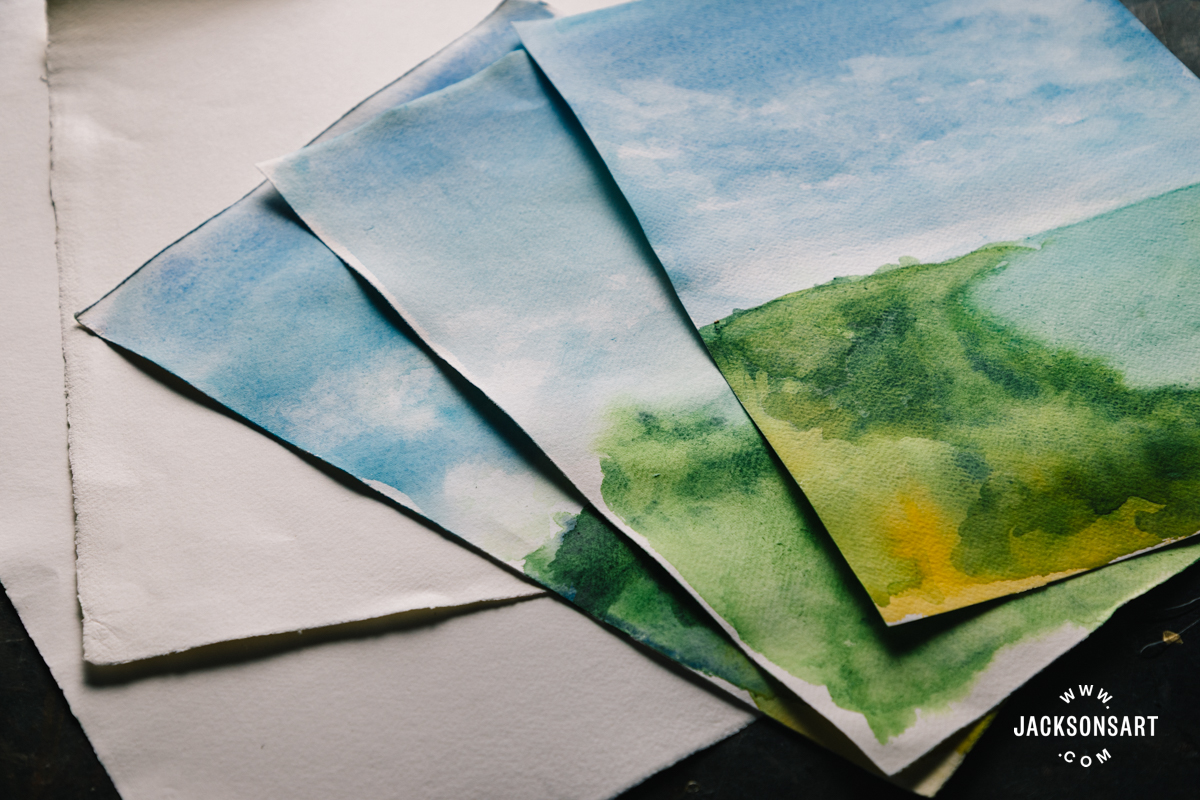
Watercolour paintings can cockle, buckle, or wrinkle due to the moisture introduced to the paper during painting, especially if the paper has not been stretched beforehand. This article explains how to flatten a cockled watercolour painting, making it display-ready for framing. It is part of our How to Frame Artwork series, which covers the fundamentals of framing your artwork through clear, visual guides.
When to Flatten a Cockled Watercolour Painting
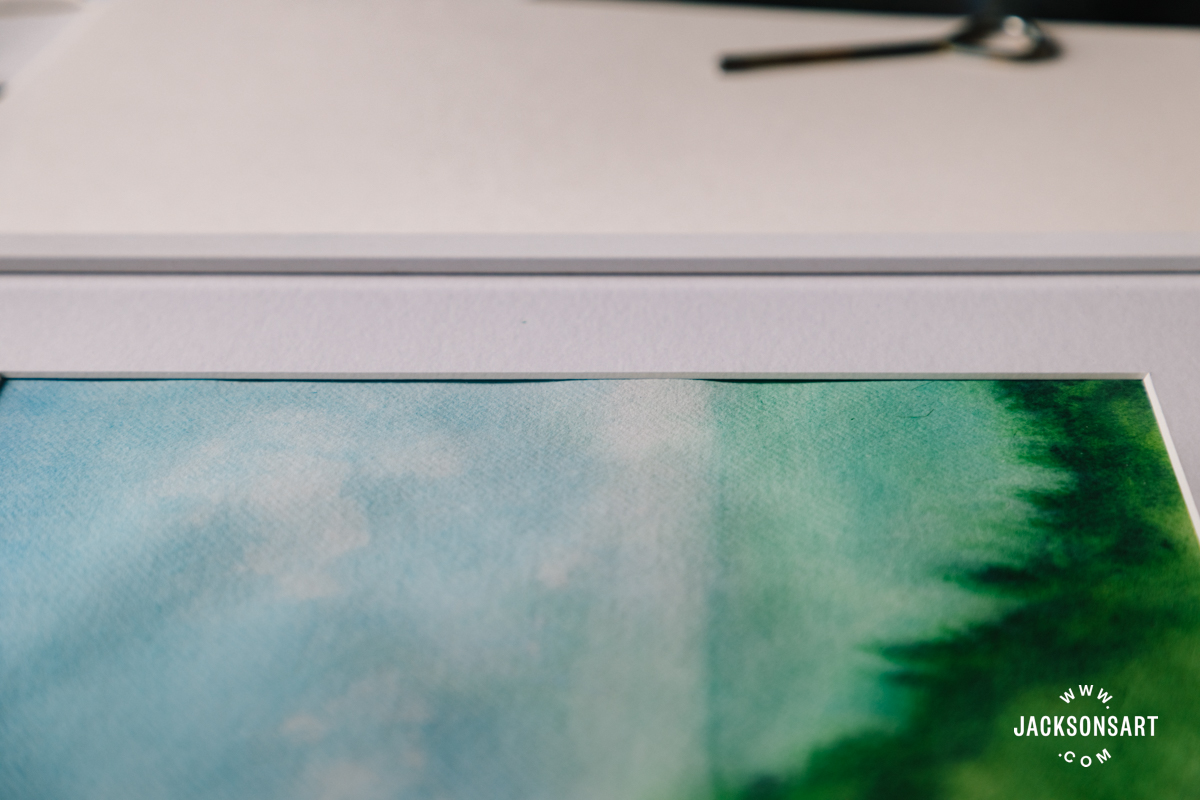
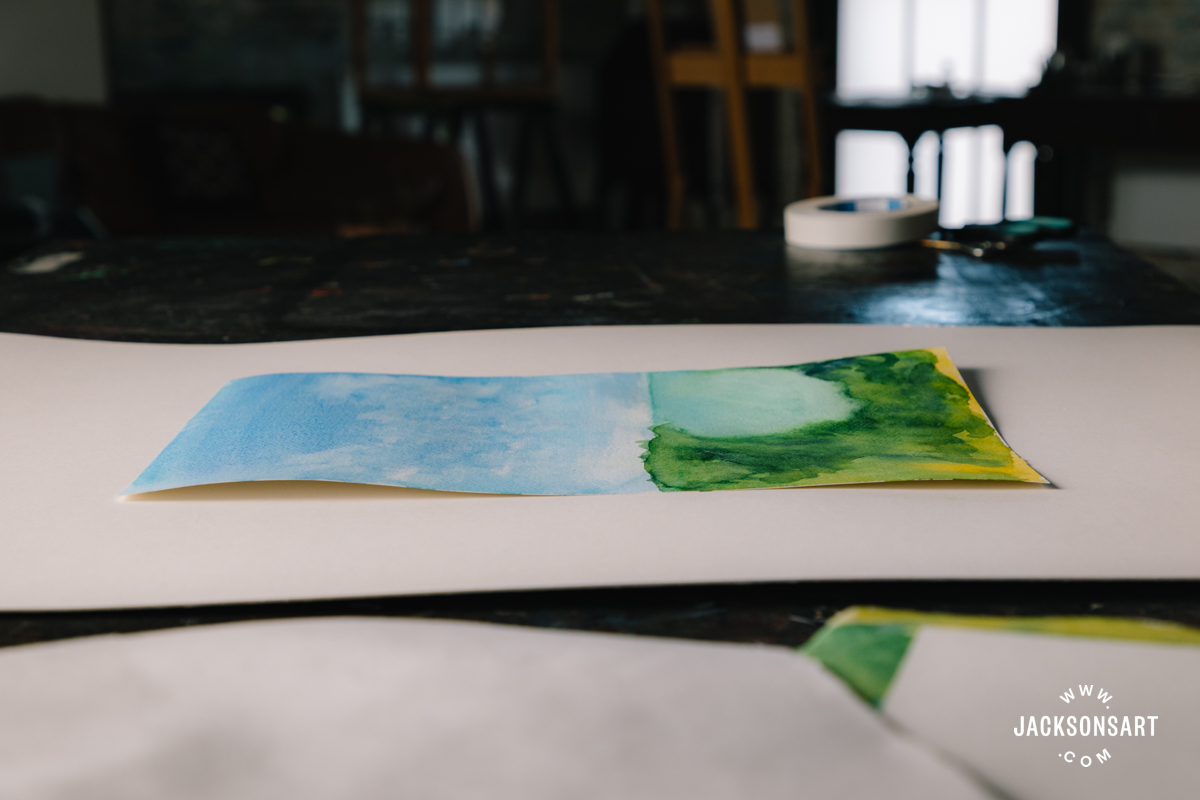
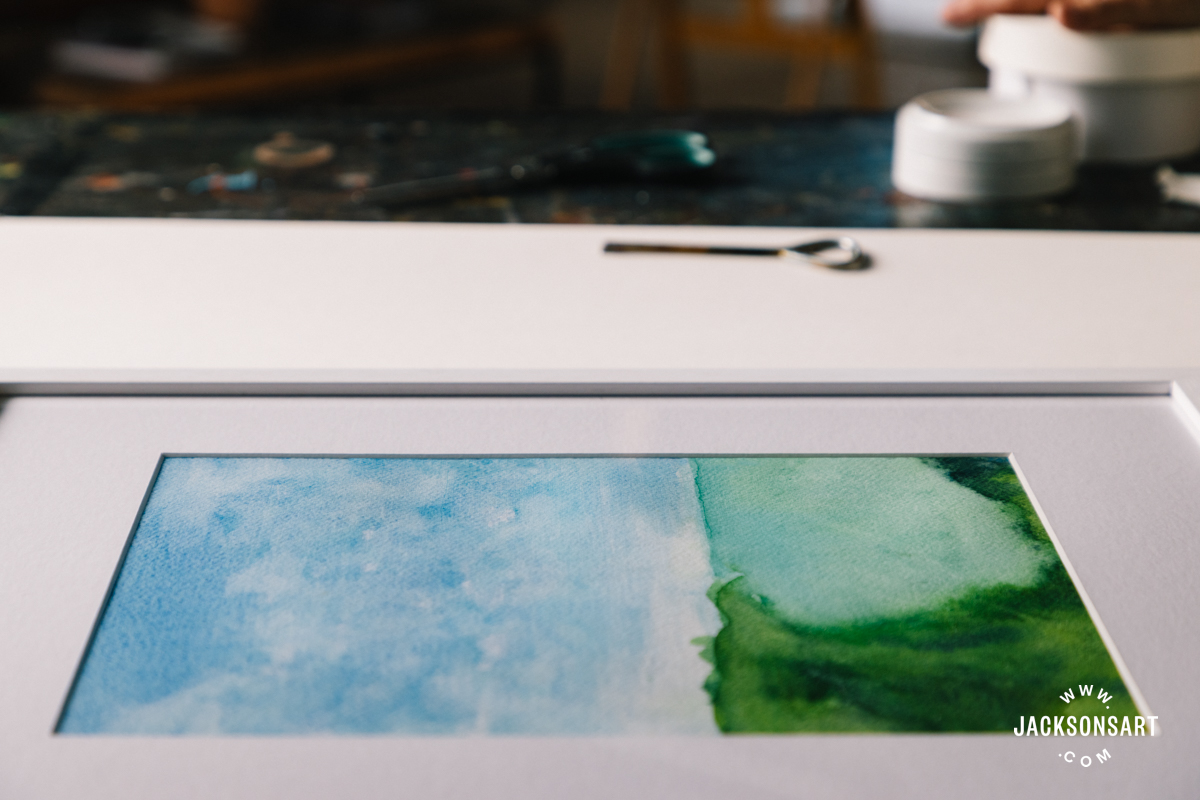
Watercolour paper can sometimes ripple or cockle as it dries, particularly if it wasn’t stretched before painting. Before trying to flatten your painting, it’s worth checking whether this is actually necessary. Slight rippling may disappear once the artwork is held between the mount and backing board, while more pronounced cockling may need to be flattened before framing.
If the edge of your painting is rippled only very slightly, then the pressure of being between the mount and the backing board might be enough to flatten it. First, try placing it between the window mount and barrier board, adding the backing board and inserting it in the frame as a test. Press it against the glass to flatten it. You may want to go ahead and bend a few of the inserts down on the back to check. If there are no shadows along the edge of the mount aperture showing where there are gaps, then it will work as it is.
Methods for Flattening a Watercolour Painting
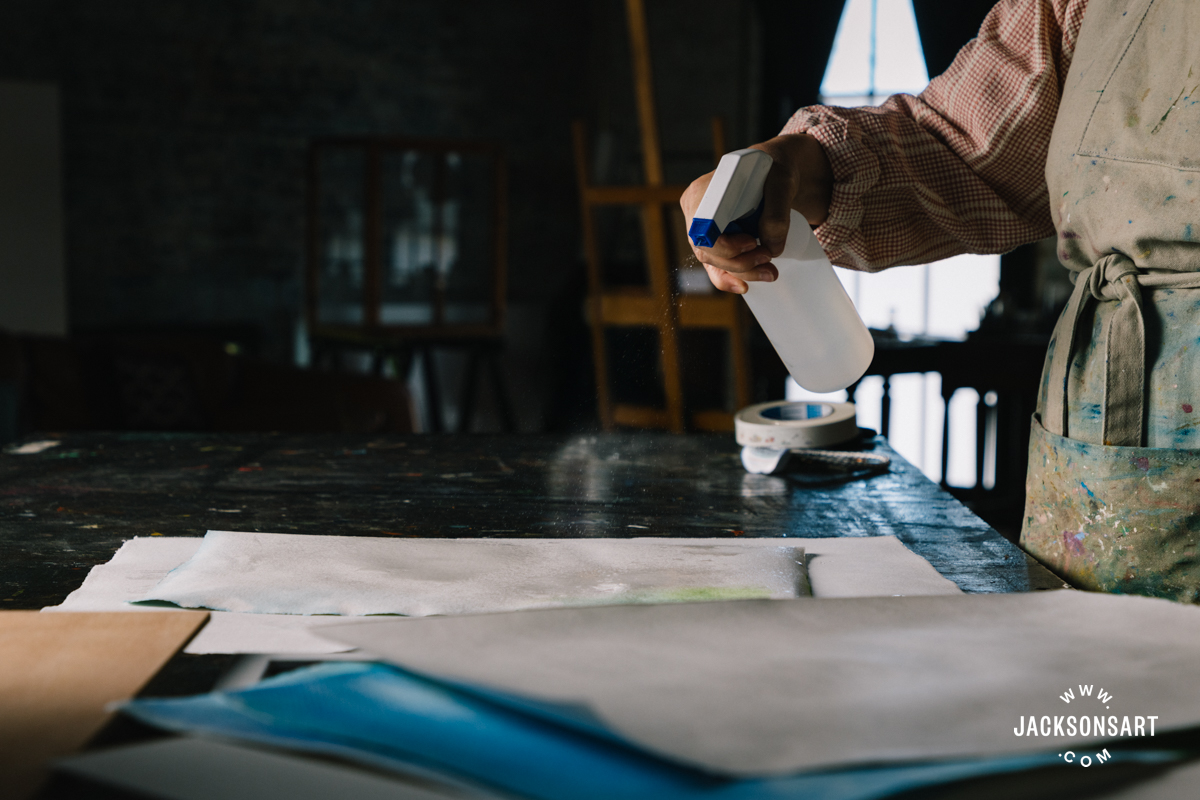
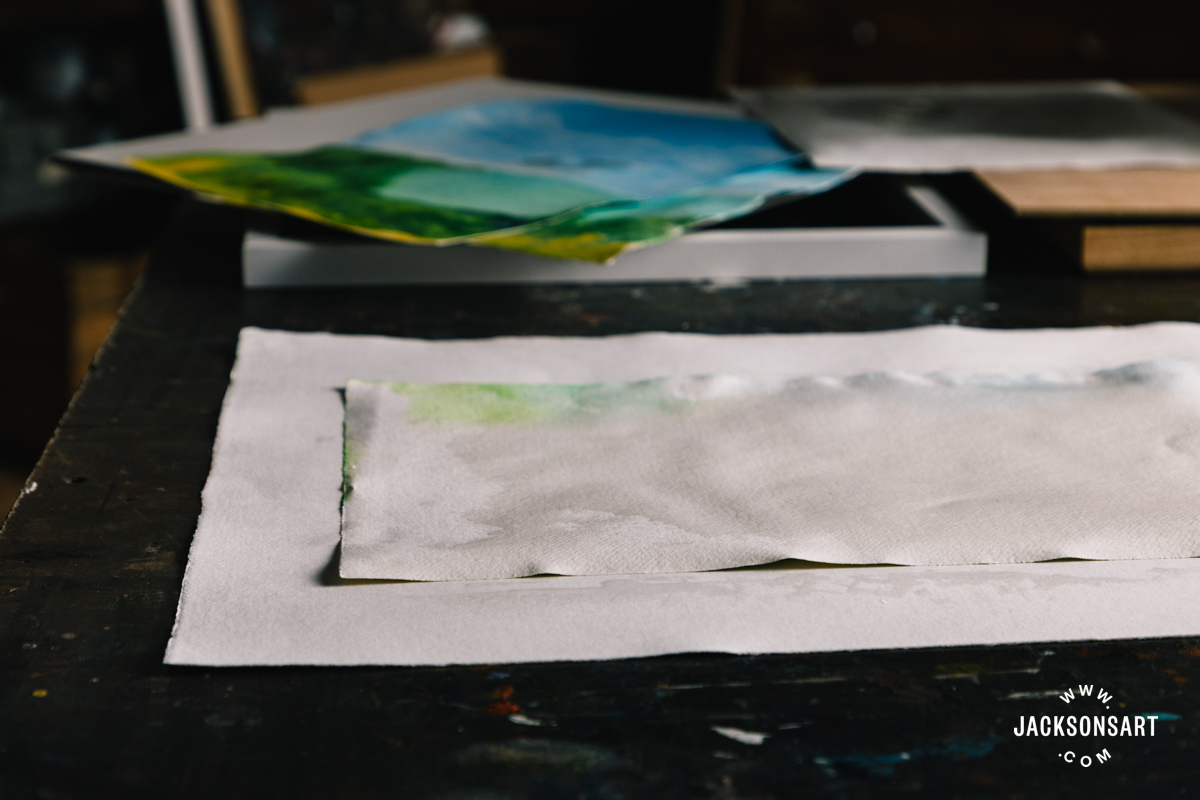
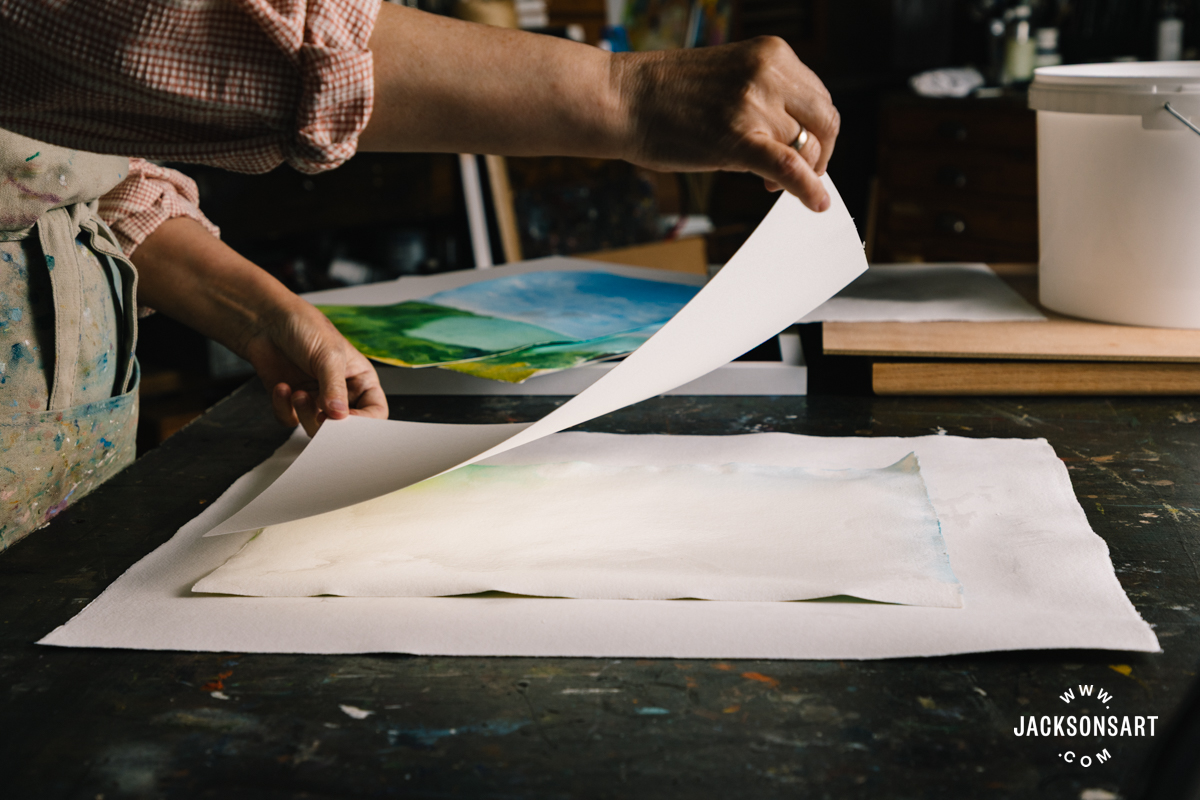
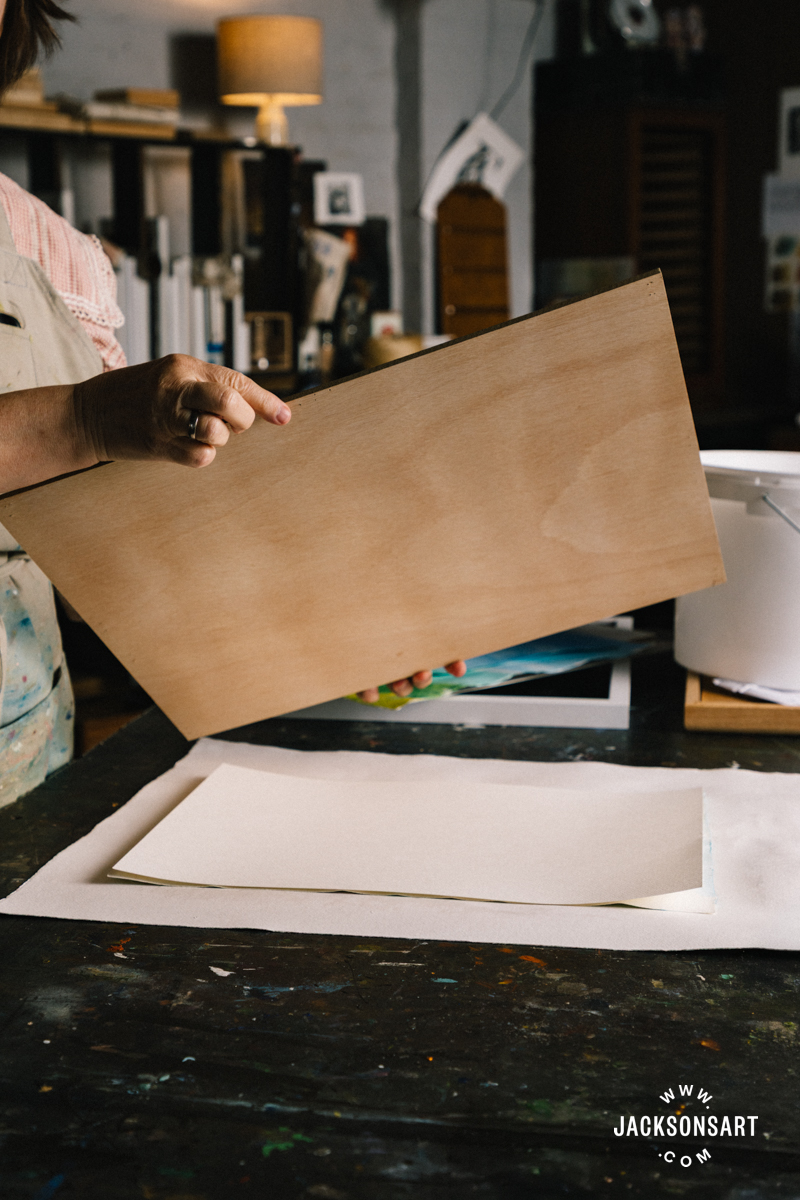
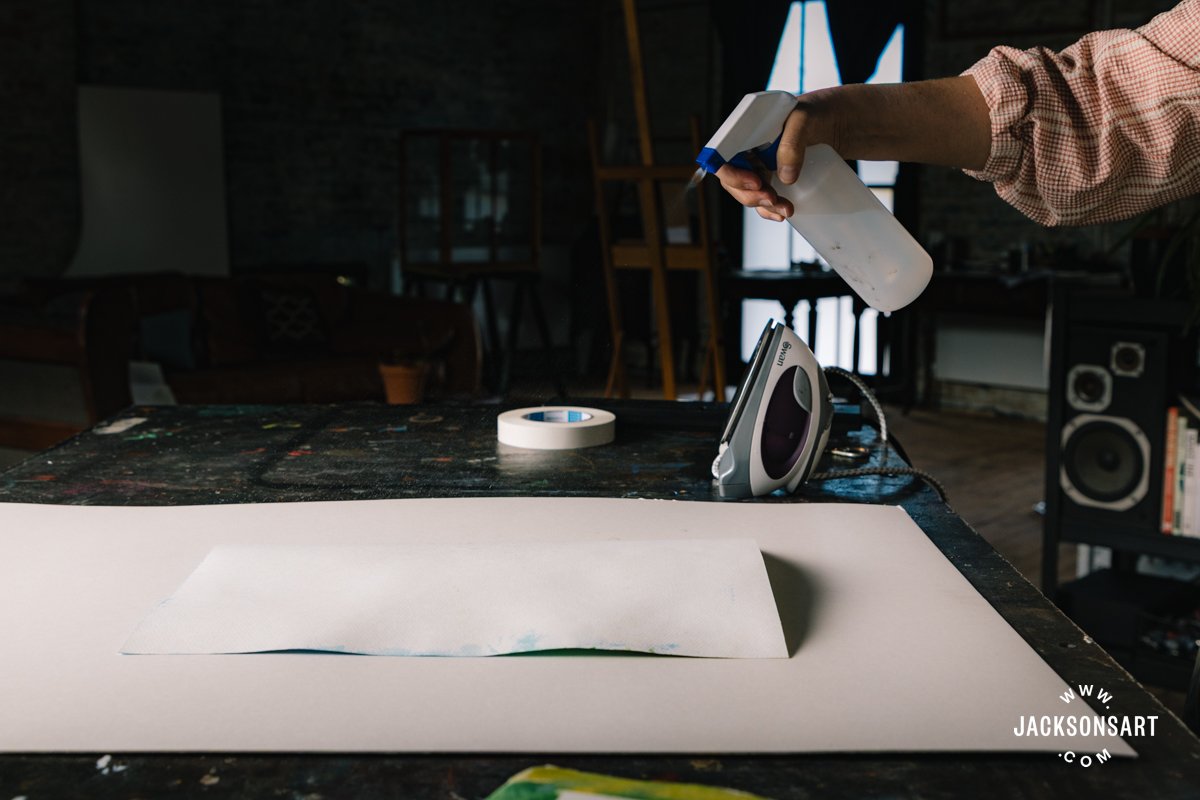
If your edge is too wavy and you’d like it to be flatter, you can try two things. Turn the painting face down on a clean sheet of paper on a hard, flat table and spray or lightly sponge the back with water. Place another clean sheet of paper on top and a flat board larger than the painting. Add weights stacked on top and let it dry overnight. The paper fibres will relax and dry in this new flat shape.
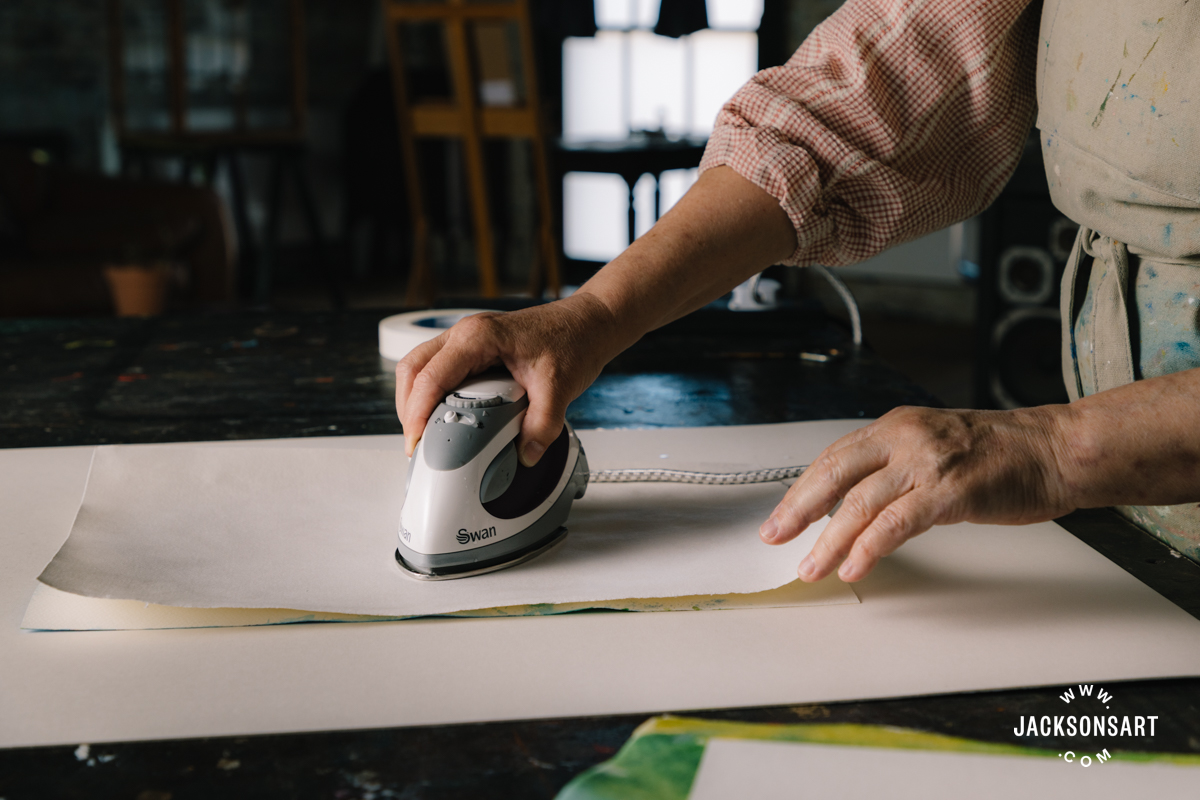
If you find that wasn’t enough to flatten it completely, you can steam iron the painting from the back to relax the fibres, then dry iron it. If your painting is still too cockled, you may want to try a combination of the two until the painting eventually flattens. Dampen it with a sponge and then dry iron it. When adding water to the back, use only as much as is needed to do the job; be sure to check that you aren’t disturbing the painting on the front with too much water. Take the same care when ironing: work gently and check the painting frequently to avoid introducing too much moisture or scorching the paper.
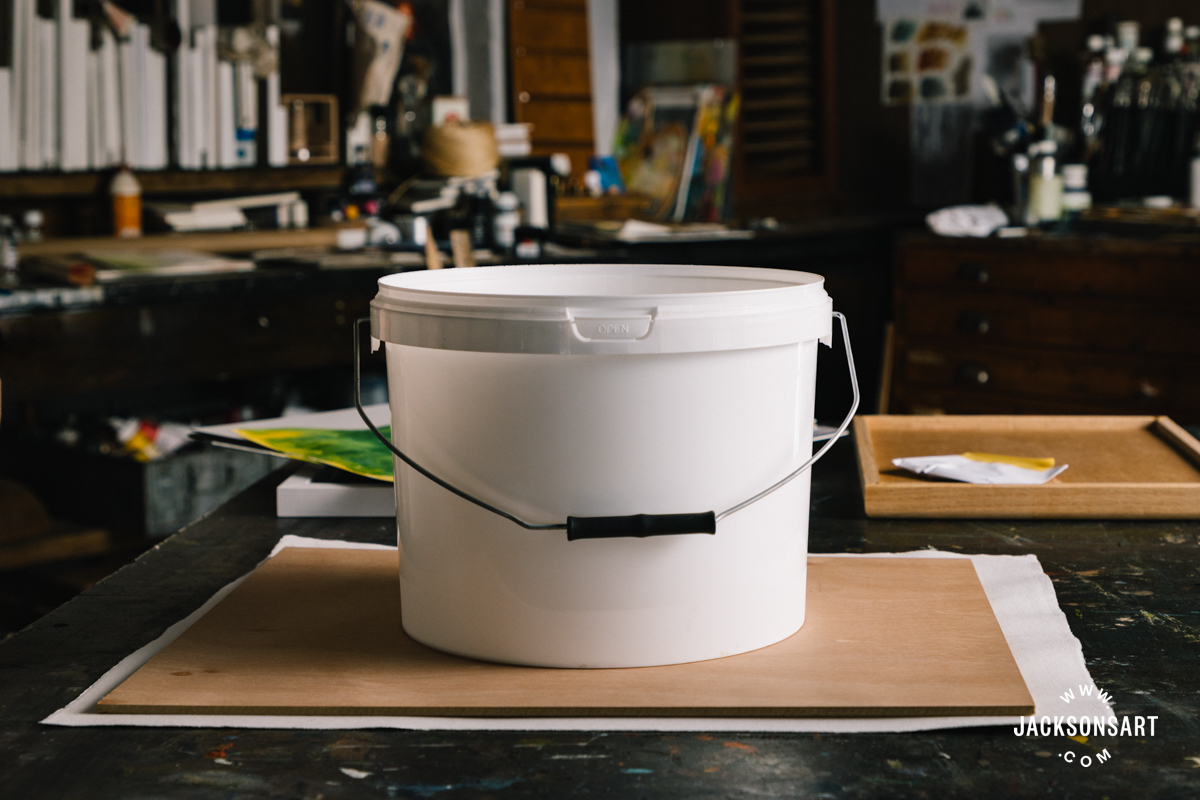
Different makes of paper have different fibres, softness, and sizing, as well as different weights, and these all make it react differently to water. Often I just need to dampen the back slightly and add weights, and it flattens beautifully. Other times it has needed the iron. In some cases, I’ve tested using an iron first on it’s own, and it didn’t flatten the paper at all. It really depends on the paper. Just remember to always be gentle and remain aware that there is a finished painting on the other side of the paper.
Further Reading
Choosing the Right Frame for Your Artwork
How to Assemble Jackson’s Bespoke Frames
A Guide To Stretching Watercolour Paper
Shop All Framing on jacksonsart.com