What Modern Travelers Should Know Before Booking Multi-Country Europe Trips • The Roving Heart


Traveling across Europe is a dream for many. The idea of visiting multiple countries in one trip has become more accessible than ever. With high-speed trains, budget airlines, and flexible travel passes, exploring diverse cultures within a short span feels exciting.
According to Statista, Europe is the world’s leading tourist hotspot. Data shows that there were around 756 million international tourist arrivals to Europe. Comparatively, the number of tourists arriving elsewhere was 709 million. This indicates that over 50% of international tourists visit the continent.
Traveling to multiple countries at once becomes more affordable than traveling to them separately. However, convenience comes with its own set of considerations that every traveler should keep in mind before finalizing their itinerary.
In this article, we will discuss some tips that can help modern travelers who are booking multi-country Europe trips.
The Importance of Planning Routes Wisely
Unlike single-country holidays, where you can settle into one rhythm, a multi-country trip demands a bit more forethought. Europe may look compact on the map, but distances between major cities can be long.
A traveler heading from Paris to Rome may find themselves spending an entire day on the move if the trip is not well-structured. That’s why balancing time spent on the road with time spent enjoying each destination is critical.

Travel passes such as the Eurail or Interrail can make route planning more flexible. As stated by Matador Network, the Eurail Pass was created in 1959. It is a single ticket that allows unlimited travel within a country or between countries in Europe for a limited time. Data shows that over 1.2 million Interrail and Eurail Passes were sold in 2023. This was a 25% increase compared to the previous year.
While these passes are ideal for flexibility, they still require strategic thinking. Not every train route is direct, and some high-speed connections need reservations well in advance.
Travelers who assume they can spontaneously hop from city to city may end up paying higher fares. Checking schedules and booking key routes ahead of time ensures smoother transitions and helps avoid unnecessary detours.
Are night trains a good option for covering long distances between countries?
Night trains can be an excellent way to save both money and time since they combine transport and accommodation. However, availability depends on the route, and the comfort level varies between services. Booking early is essential, and travelers should consider if they are comfortable sleeping on moving trains before relying heavily on this option.
Staying Connected Across Borders
One of the overlooked challenges of multi-country travel is staying connected while hopping from one nation to another. Traditional SIM cards often come with high roaming charges, and buying local cards in every country can be frustrating.
According to eSIM India, many travelers now rely on eSIM solutions. These are virtual cards embedded in your phone. Thus, you won’t have to switch physical SIM cards each time you enter a new country. You can switch networks seamlessly without carrying multiple SIM cards.
eSIM solutions not only save money but also ensure uninterrupted access to maps, bookings, and travel apps. As more cities across Europe digitize their tourism infrastructure, having stable internet access has gone from being a convenience to a necessity.
Consider something as simple as accommodations. As the European Commission notes, guests spent around 123.7 million nights booked online in 2024. This was a 28.3% increase over 2023. In March alone, accommodation for 49.2 million nights was booked online, a sharp 48% increase from 2023.
If you are planning to travel to another country, you can’t wait to arrive and find a place to stay immediately. Having stable connectivity will enable you to book an accommodation online for a seamless travel experience.
Balancing Famous Attractions with Local Discoveries
When planning multi-country trips, the temptation is to pack in as many iconic landmarks as possible. Paris, Rome, and Barcelona often top the list, but smaller cities and towns can leave just as strong an impression.
While it may be tempting to visit only the iconic landmarks, this can result in poor experiences. According to Euronews, a company analyzed visits to the most visited landmarks across 200 countries. The idea was to find the most disappointing tourist destinations, and five of them were in Europe.
The UK’s Alton Towers, Spain’s Siam Park, Rome’s Trevi Fountain, Lisbon’s Time Out Market, and Budapest’s Széchenyi Baths were named disappointing. The reasons varied, as some had long queues, some were crowded, while some were very costly. But the point is that even these famous attractions can sometimes be disappointing.

Venturing into places like Bruges in Belgium or Porto in Portugal can give a richer sense of European life beyond the well-trodden tourist paths. The key is not to chase quantity but to find a balance that makes the journey memorable without exhausting yourself.
Another way to strike this balance is by mixing different types of experiences within the same country. For example, after exploring the grandeur of Madrid, you might spend a day in the smaller town of Segovia in Spain, renowned for its Roman aqueduct. Or after spending exploring the popular attractions in Rome, head to a small town – Palestrina, just 1.5 hours away from Rome to experience a city older than the Roman empire
How can travelers avoid overtourism while still seeing Europe’s most iconic landmarks?
To minimize the impact of overtourism, consider visiting famous sites during off-peak hours, such as early mornings or weekdays. Another option is to explore less crowded seasons, like late spring or early autumn. Or if you can bear a bit of cold, then try visiting Europe during winters especially when the vibrant Christmas markets in Croatia or Vienna. Pairing these visits with lesser-known towns ensures a more balanced and sustainable travel experience.

Managing Budgets and Hidden Costs
Europe offers experiences for every budget, but travelers often underestimate expenses that add up along the way. Currency conversions, transportation between countries, and even luggage fees on budget airlines can eat into your holiday funds.
The high costs are the reason why many tourists drop their idea of traveling to Europe. According to Bloomberg, the share of US travelers planning to take a trip to EU countries has decreased in 2025. It went from 45% in 2024 to only 37% in 2025, with one of the primary reasons being the costs.
In fact, traveling within Europe can be very costly. As a BBC article notes, Europe wants travelers to use trains because it is more sustainable. However, the train network is very complex and expensive. You can even find flights that are cheaper and faster than trains.
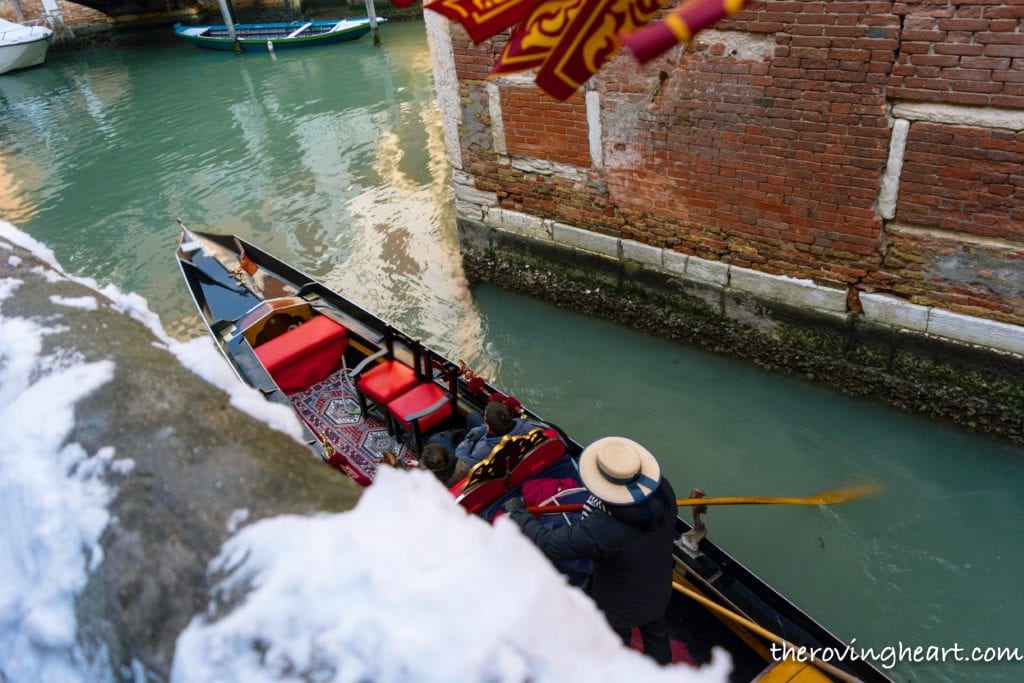
Taking the time to calculate these extras before you travel will prevent unpleasant surprises. Smart spending allows more freedom to enjoy experiences that truly matter, whether it’s a canal cruise in Amsterdam or a wine tour in Tuscany.
Is it better to use cash or cards while traveling across multiple European countries?
Cards are widely accepted across Europe, but small vendors, local markets, and rural cafés may still prefer cash. Carrying a small amount of local currency is wise, especially in non-Euro countries. Using travel cards with low foreign transaction fees can also help reduce hidden costs.
Multi-country Europe trips offer extraordinary opportunities, but they require thoughtful preparation to be fully rewarding. From planning efficient routes to ensuring reliable digital connectivity, every detail contributes to the overall experience.
The joy of walking through centuries-old streets, sampling cuisines that vary from region to region, and soaking in diverse cultures is unmatched. With a well-prepared plan, the journey across Europe becomes more than just a holiday; it becomes a collection of lasting stories.